





 Portuguese
  English
  Spanish
  4 min of reading
  0 comments


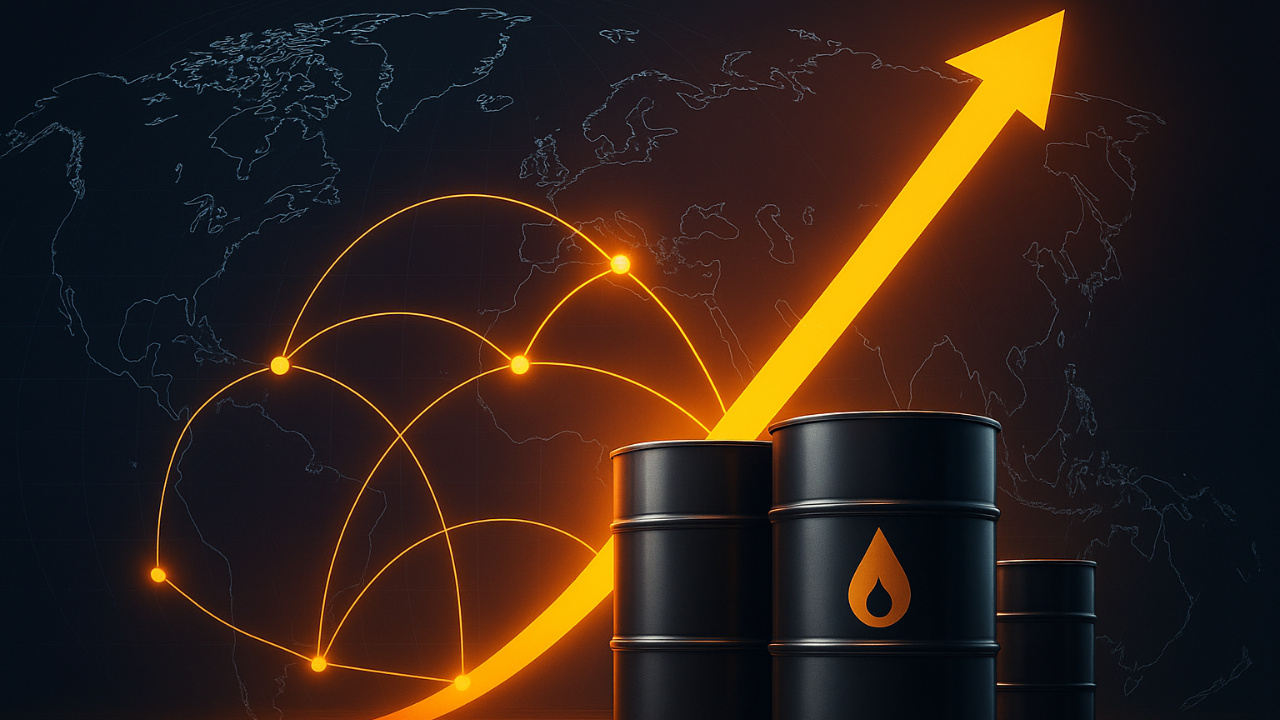
International Energy Agency (IEA) Report Forecasts Global Oil And Gas Consumption To Continue Rising Until 2050, Driven By Current Policies And Not Climate Targets, Posing A Risk To The Goal Of Limiting Global Warming To 1.5°C.
The International Energy Agency (IEA) released a new report this Wednesday stating that global demand for oil and gas is expected to continue growing until 2050, contrary to expectations of a rapid energy transition and a significant reduction in fossil fuel use.
Unlike forecasts made in recent years, the IEA’s World Energy Outlook document indicates that the world is still far from meeting the targets of the Paris Agreement, even with efforts from countries and companies to invest in clean energy.
According to the agency, the latest forecasts take into account the energy policies currently in place, and not the aspirations or promises made at international forums. Thus, oil consumption is expected to reach 113 million barrels per day by mid-century, a jump of 13% compared to 2024 levels.
-
Petrobras evaluates suspension of sales to distributors and considers canceling the cooking gas auction following guidelines from the Federal Government.
-
Lula reveals a masterstroke by Petrobras to undo a deal made by Bolsonaro, which involves the return of an important refinery that currently produces less than half of what was expected and makes Brazil dependent on international diesel.
-
A study confirms that the natural gas sector will reduce greenhouse gas emissions in Brazil by 0.5% and accelerate the energy transition by 2026.

-
Petrobras implements a severe adjustment and confirms a 55% increase in the price of aviation kerosene with a proposal for installment payments for the companies.


The Influence Of Government Policies On The Demand Curve
Although the IEA has been one of the main voices advocating for global decarbonization, the 2025 report marks a turning point. The agency highlights that demand for energy will grow by 90 exajoules by 2035, representing an increase of about 15% compared to current consumption.
The IEA explained that this scenario reflects the implementation of existing policies, without considering new environmental measures or stricter regulations. In other words, if the world maintains the current pace, the demand curve for oil and gas will continue to rise for at least another two decades.
The text also mentions that the climate targets declared by various countries still lack detailed plans for the period from 2031 to 2035, which makes any realistic forecast of a slowdown in oil use difficult.
Political Tensions And The Competition For Energy Leadership
The IEA’s analyses are widely used by governments and companies to shape energy policies and investments. However, the agency faces political pressures from different governments, especially from the United States.
During Donald Trump’s administration, there was encouragement for the expansion of oil and gas production, and direct criticism of IEA forecasts that pointed to a peak in demand within this decade. Former Energy Secretary Chris Wright even called the projections “absurd.”
Under Joe Biden’s administration, the agency adopted a more focused approach on energy transition and clean energy, but the new report suggests that the global pace of change is still insufficient.
The IEA stresses that its scenarios should not be interpreted as absolute forecasts, but as projections conditioned by the political and economic behavior of member countries — with the U.S. being the largest financial contributor to the entity.
Expansion Of Liquefied Natural Gas (LNG) Capacity
One of the highlights of the report is the significant growth in global liquefied natural gas (LNG) export capacity.
According to the IEA, new investments are expected to add about 300 billion cubic meters of annual LNG capacity by 2030, representing a 50% increase in current supply.
Based on existing policies, the global LNG market is expected to grow from 560 billion cubic meters (bcm) in 2024 to 880 bcm in 2035, reaching 1,020 bcm by 2050. This advancement will be driven primarily by the growth of energy-intensive sectors, such as data centers and artificial intelligence applications, which require stable and continuous supply.
For the IEA, this growth highlights the persistent dependence on natural gas as an “energy bridge,” even in the face of increasing renewable generation capacity.
Worrying Climatic Scenario And Risk Of Warming Above 1.5°C
Besides the demand numbers, the IEA report brings a strong warning: the planet will exceed the 1.5°C limit of global warming in all analyzed scenarios, except for the most optimistic, which predicts net zero emissions by 2050.
The document reinforces that, to limit warming, the development of carbon dioxide (CO₂) capturing and removal technologies from the atmosphere will be essential — something still nascent and costly.
More than 190 countries committed to containing warming during the Paris Agreement in 2015. However, the lack of coordination and the continued reliance on oil as the primary energy source jeopardizes this global goal.
The Role Of Oil In A Slow Energy Transition
Even with the advancement of renewable energies and electrification, the IEA recognizes that oil will continue to play a central role in the coming decades. The economic growth of emerging countries, the need for energy to fuel the digital revolution, and the technical limitations of clean sources prevent an accelerated reduction in consumption.
Thus, the era of oil seems far from over — and the decisions made in the coming years will determine whether the world moves towards a balanced energy transition or an unprecedented climate crisis.









Seja o primeiro a reagir!