





 Portuguese
  English
  Spanish
  4 min of reading
  0 comments


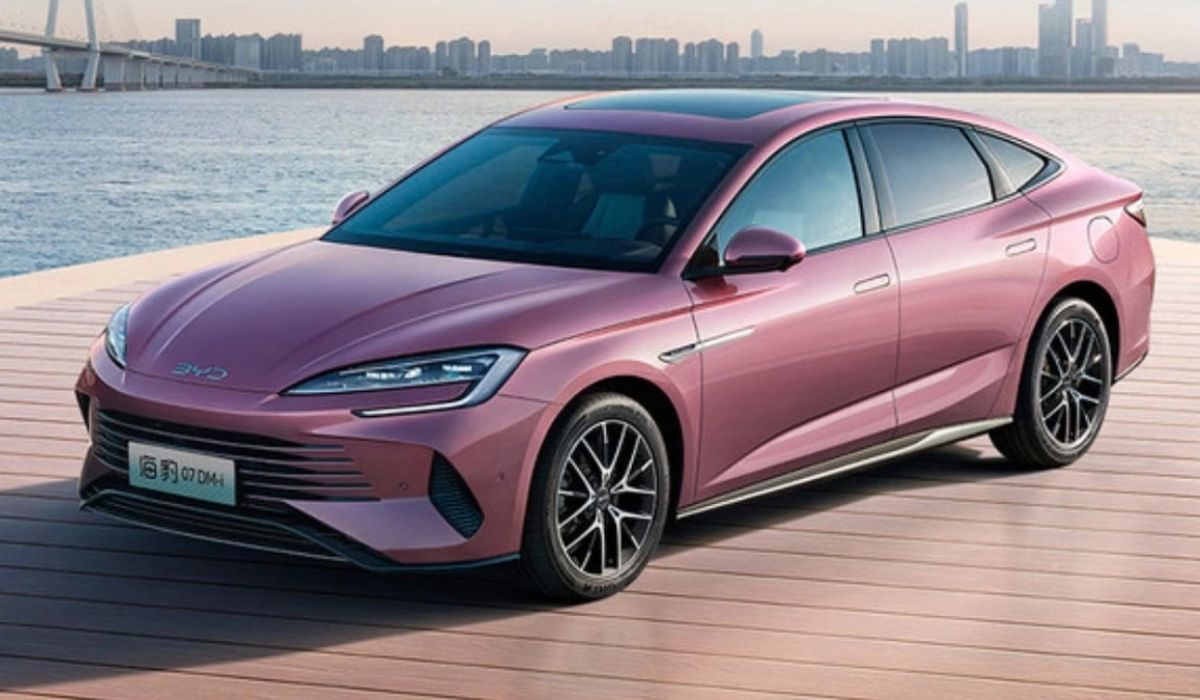
New BYD Electric Sedan Launches Second Generation Battery, Expands Focus on Ultra-Fast Charging and Strengthens Technology Competition in the Chinese Market, with Competitive Prices and Promise of Gradual Expansion of These Solutions to Other Markets.
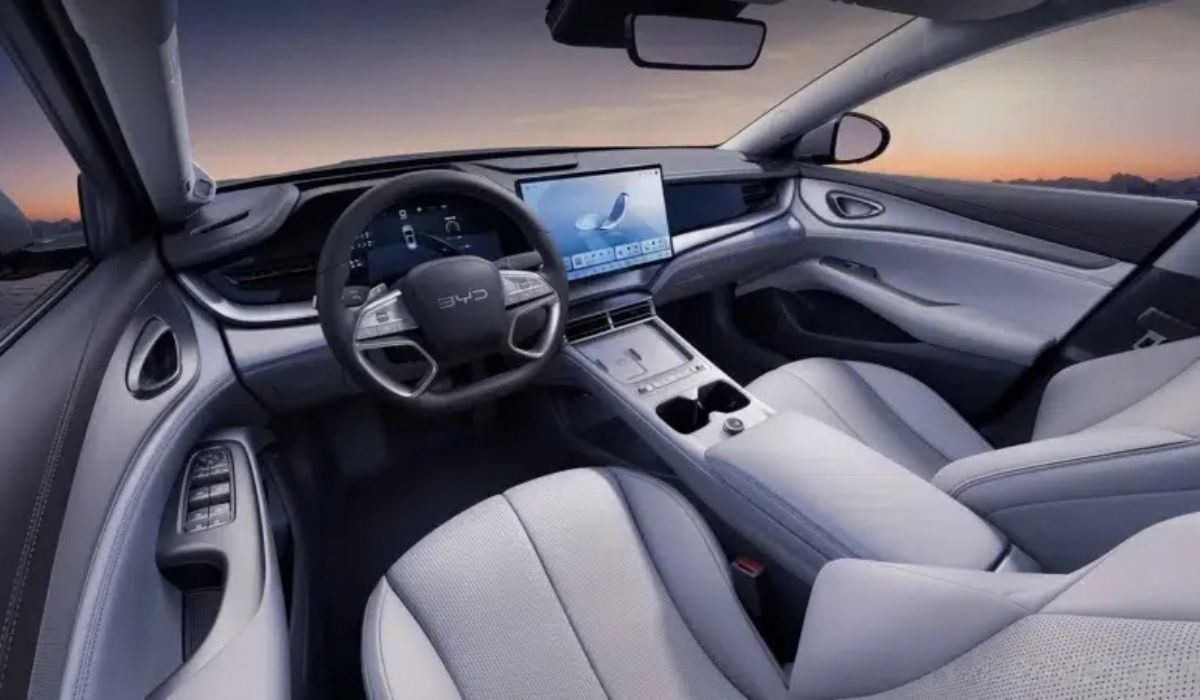
BYD unveiled in China the Seal 07 EV, an electric sedan that now uses the second generation of the Blade Battery and arrives in the local market priced between 169,900 and 189,900 yuan.
The model features a 69.07 kWh battery, an official range of up to 705 km in the CLTC cycle, and a rear motor of 240 kW.
The launch comes at a time when the automaker is expanding the use of its new electric architecture and high-power charging systems.
-
A 250cc motorcycle that can reach 560 km with a 14-liter tank, features disc brakes on both wheels and is among the most well-known in Brazil.
-
Man finds over 200 rare cars abandoned on a lot and tries to do the impossible in 8 hours with a surprise at the end.

-
An irregular parking case gains attention after a Mercedes Classe A was removed in such a strange way that it even raised doubts about damage to the car.

-
Costing R$ 16,000, the new Yamaha features a 125 cc hybrid engine with electric assistance, delivers 8.3 hp, includes ABS, optimized fuel consumption, Y-Connect connectivity, 25 liters of storage space, and a surprising 4-year warranty in the urban segment.

In March 2025, BYD announced the Super e-Platform, based on a 1,000 volt system, with ultra-fast charging battery, 1,000 A current, and power of up to 1 megawatt.
During the presentation of this platform, the company stated that the Han L could recover 400 km of range in five minutes under compatible usage conditions.
The manufacturer also stated that its own charging infrastructure can reach stations with a maximum power of 1,360 kW.
New Blade Battery 2.0 and Ultra-Fast Charging
In the Seal 07 EV, the main change is the adoption of the so-called Short Blade Battery 2.0, a variation of the new generation of BYD’s battery designed for high-power charging.
According to information published in regulatory filings and coverage of the launch, this configuration was developed to operate with charging at 8C and discharging at 16C.
According to BYD itself, the 2nd Generation Blade Battery was developed over six years of research to tackle two often-cited issues in electrification: charging time and performance loss in low temperatures.
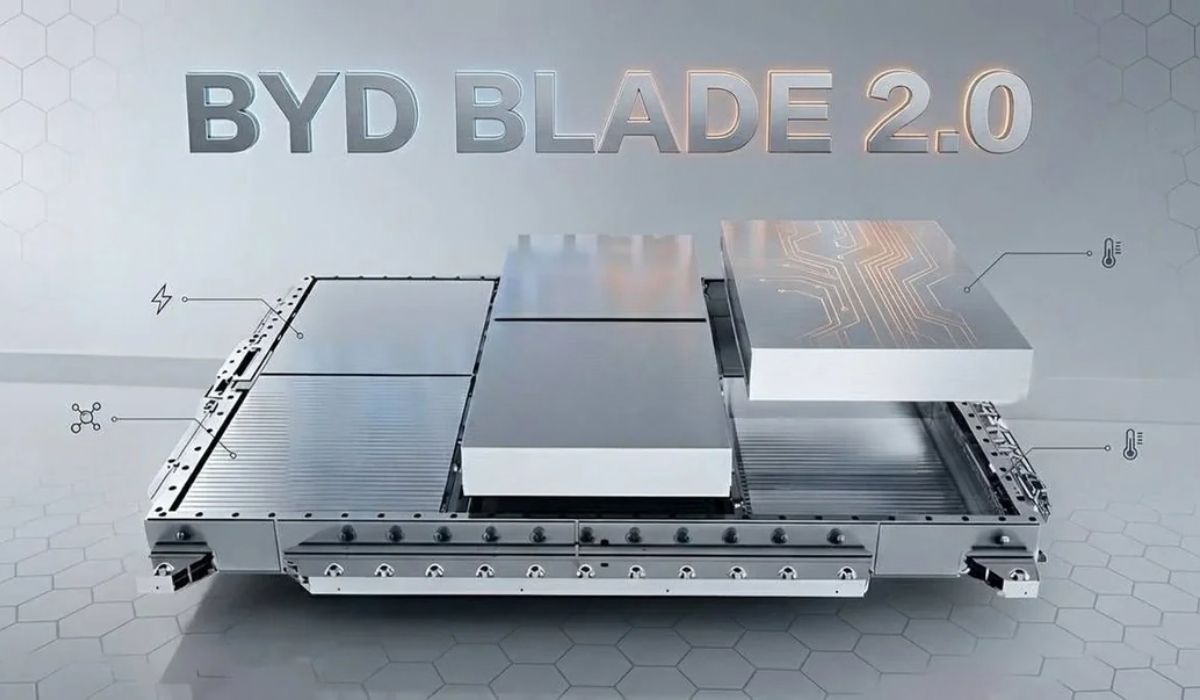
In the official announcement, the company stated that the new battery allows charging from 10% to 70% in five minutes and reaching 97% in nine minutes, in addition to promising better performance in extreme cold.
The manufacturer maintains that this advancement is not solely dependent on the battery cell.
According to BYD, the result is linked to the set formed by the new electric architecture, thermal management, silicon carbide chips, and proprietary chargers.
Thus, the company presents quick charging as part of an integrated system.
Range, Motorization, and Price of the Seal 07 EV
According to the data released for China, the Seal 07 EV adopts rear-wheel drive with a 240 kW permanent magnet synchronous motor, equivalent to about 326 hp.
The 69.07 kWh battery gives a range of 705 km according to the CLTC standard, the cycle used in the Chinese market which tends to record higher results than other international methodologies.
Additionally, BYD states that the setup maintains energy consumption below 10 kWh per 100 km.
This information was presented by the company in its promotional material for the model.
The sedan also follows the latest visual language of the Ocean line and maintains dimensions compatible with the segment.
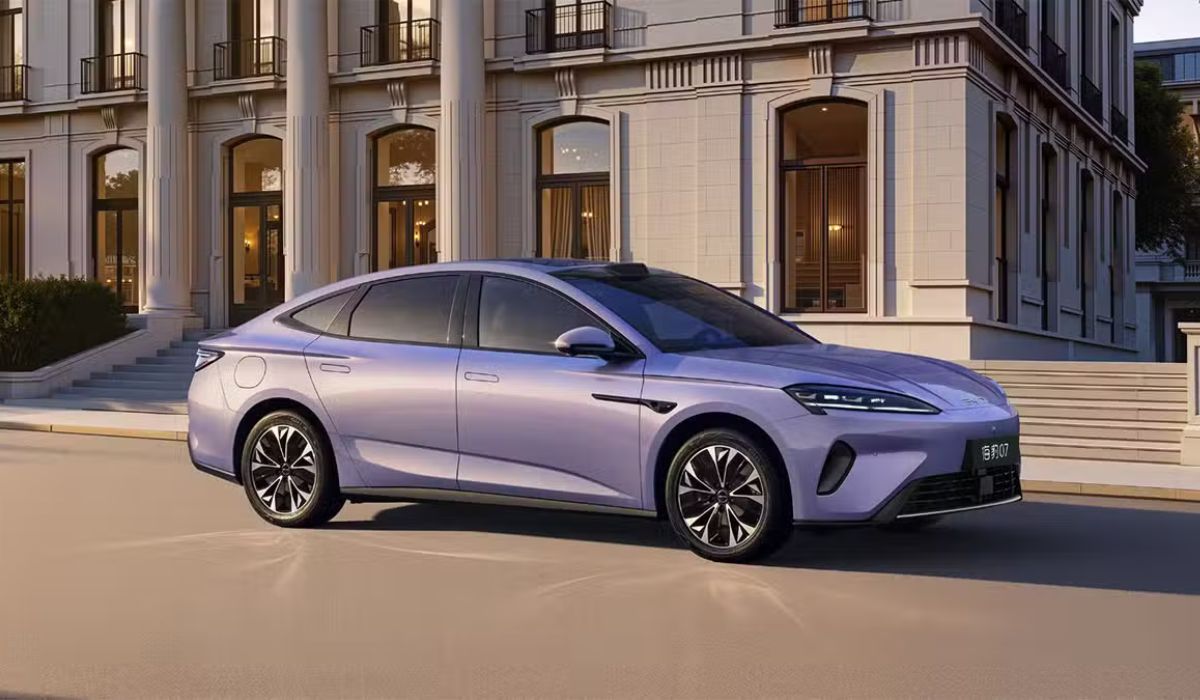
Before the launch, regulatory filings had already associated the model with the e-Platform 3.0 Evo, the base used by the brand in more recent electric vehicles to integrate electronics, efficiency, and driver assistance features.
Another important data point is the price positioning.
At the exchange rate of March 12, 2026, the starting price of 169,900 yuan corresponds to about R$ 128.1 thousand in direct conversion, not considering taxes, shipping, or localization costs.
The calculation serves only as exchange rate reference, as the model has not been confirmed for the Brazilian market.
Electric Car Market and Competition for Fast Charging
The arrival of the Seal 07 EV occurs amid the ongoing race for ultra-fast charging among Chinese manufacturers.
BYD announced plans to build 20,000 FLASH Charging stations in China and start global expansion at scale by the end of 2026.
Prior to that, in presenting the Super e-Platform, the company had already mentioned more than 4,000 megawatt charging stations in the country.
The announcements show that infrastructure has become a central focus in the strategy of automakers targeting the electric market.
In this context, the Seal 07 EV is introduced as one of BYD’s volume models with the new generation of battery and support for high-power charging.
So far, there is no official confirmation about the sale of this car in other markets.
This move, however, repeats a practice already adopted by the company in previous launches, with the debut of technologies in the Chinese market before any potential international expansion.
In the sector, the competition today involves not just the declared range, but also the charging time, compatibility with high-power networks, and the ability to bring these solutions to models produced at larger scales.







-

-

-

-

-

12 pessoas reagiram a isso.