





 English
  Francês
  Alemão
  Italiano
  Japonês
  Norueguês
  Portuguese
  Spanish
  3 min of reading
  0 comments


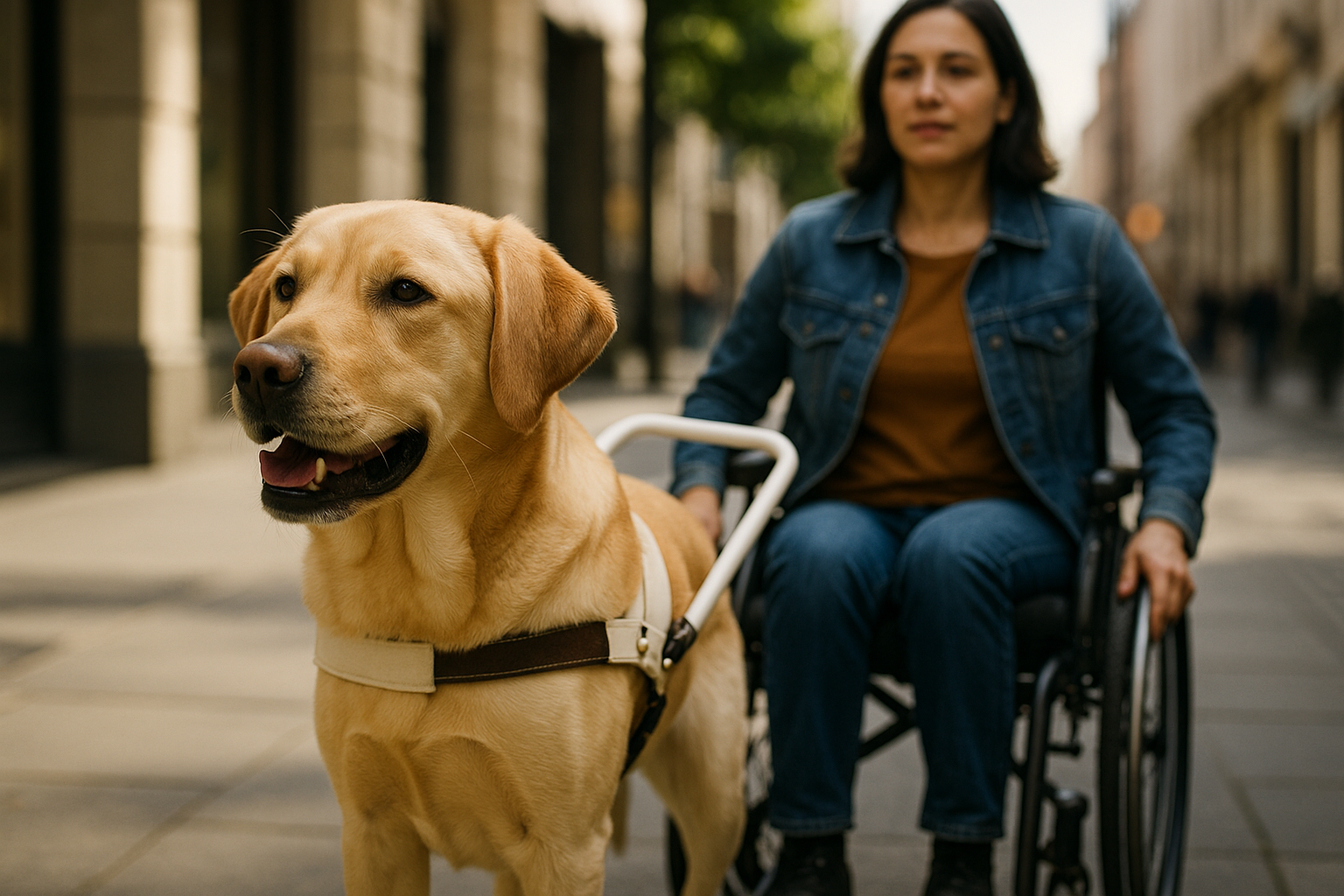
Service Dogs Transform Lives And Promote Social Inclusion
Service dogs are trained to assist people with disabilities or specific health conditions, promoting autonomy and inclusion. In Brazil, recent legislation has expanded the rights of these animals and their guardians. Learn about the types of service dogs, their functions, and the legal advancements that ensure their rights.
What Are Service Dogs And Who Can Benefit
Service dogs are animals trained to perform specific tasks, thereby helping people with physical, sensory, mental, or medical disabilities. Furthermore, they provide greater autonomy and consequently improve the quality of life for their guardians in various everyday situations. In Brazil, as established by Law No. 11,126/2005, these dogs have the right to access public and private spaces, thus promoting inclusion. People with visual, auditory, or mobility impairments, and those with ASD, epilepsy, and diabetes can benefit from the support of these dogs. Training is personalized to meet the precise needs of each assisted individual.
Types Of Service Dogs
There are different types of service dogs, each with specific functions:
-
Seen from space, a colossal ‘Y’ cuts through the largest desert in China, blending a jade-filled river, red and white mountains, and revealing the absurd scale of the transformation of the Taklamakan surrounded by a green wall with billions of trees.

-
The Pacific Ocean reveals what the cliffs of Big Sur have hidden for millennia: Pfeiffer Beach, in California, features swirling purple sand formed by garnet crystals and displays a stone arch that is illuminated by the sun in winter for just a few days each year.

-
Aursjøvegen in Norway is a 100-kilometer gravel road that crosses chasms and dark tunnels carved into the rock at an altitude of 947 meters in the fjords and is only open for four months a year.

-
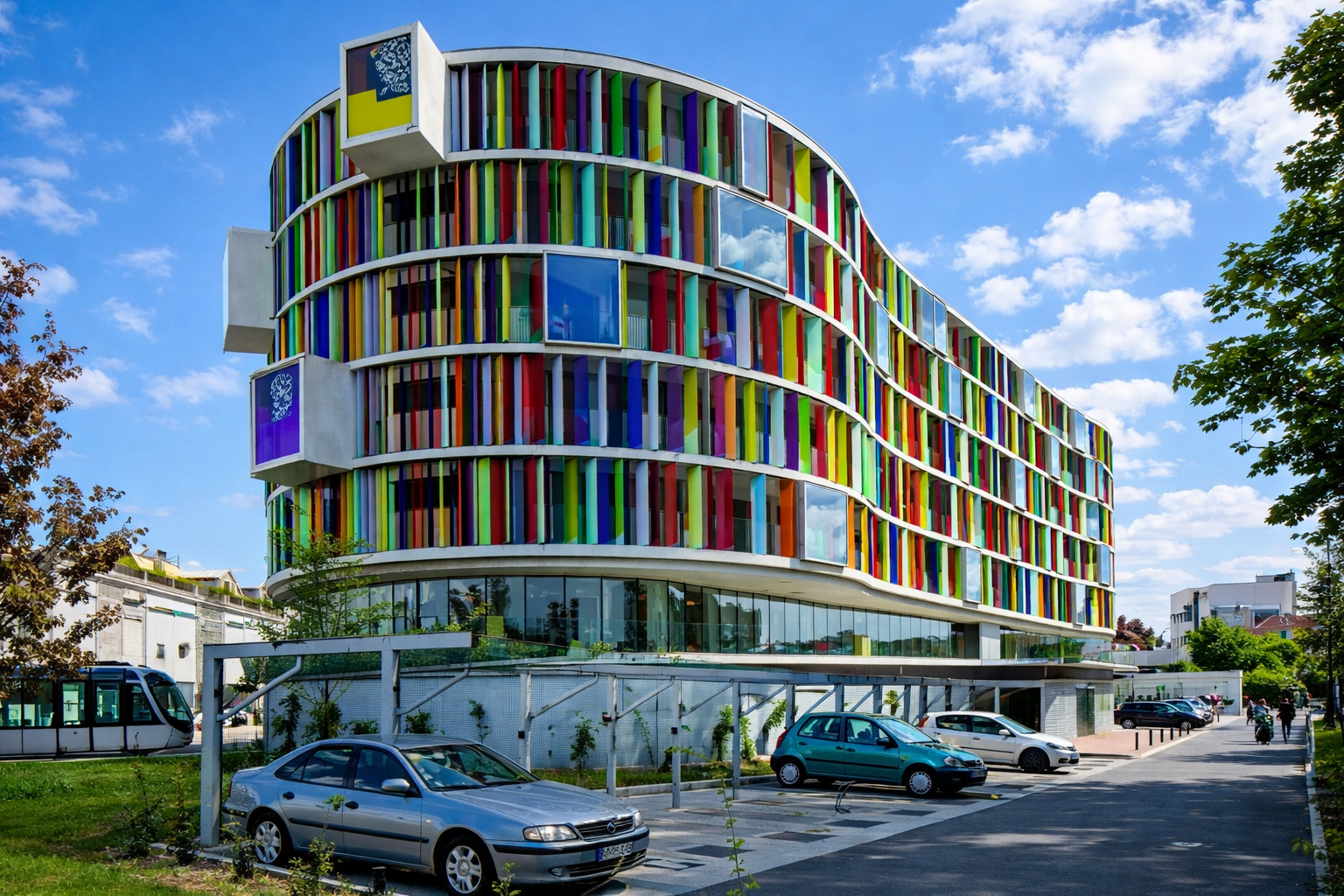
With about 4,000 m², the building constructed in a traditional neighborhood in France looks like a rainbow, has a colorful facade, mixes vibrant glass, and creates one of the most unusual visuals in Bordeaux.

- Guide Dog: assists visually impaired individuals by guiding them in various environments.
- Hearing Dog: helps individuals with hearing impairments by alerting them to important sounds like doorbells and alarms.
- Service Dog: supports individuals with mobility issues by performing tasks like opening doors and retrieving objects.
- Medical Alert Dog: detects physiological changes in individuals with conditions like diabetes or epilepsy, alerting them to impending crises.
- Psychiatric Service Dog: aids individuals with mental disorders by providing emotional support and helping manage symptoms.
- Autism Assistance Dog: offers support to individuals with ASD, aiding in social interaction and safety in public spaces.
Brazilian Legislation And Recent Advancements
Brazilian legislation has progressed to ensure the rights of people with disabilities who use service dogs. Since 2005, Law No. 11,126 has guaranteed these dogs’ access to public and private places. In 2024, the Chamber of Deputies approved a bill that expands these rights, recognizing other types of dogs and providing penalties for cases of discrimination. In 2025, the National Policy for Service Dogs was created, which includes regional training centers and a national registry of users.
Process To Obtain A Service Dog
To obtain a service dog in Brazil, certain steps must be followed:
- Medical Evaluation: obtain a report confirming the need for a service dog.
- Dog Selection: choose a dog suitable for training, considering temperament and health.
- Specialized Training: the dog must undergo training at recognized institutions, such as the Adimax Institute, which trains dogs for children with ASD.
- Documentation: although not legally mandatory, it is recommended that the dog has identification, such as a vest and ID card.
It is important to note that the process may vary depending on the institution and the region of the country.
Importance Of Service Dogs In Social Inclusion
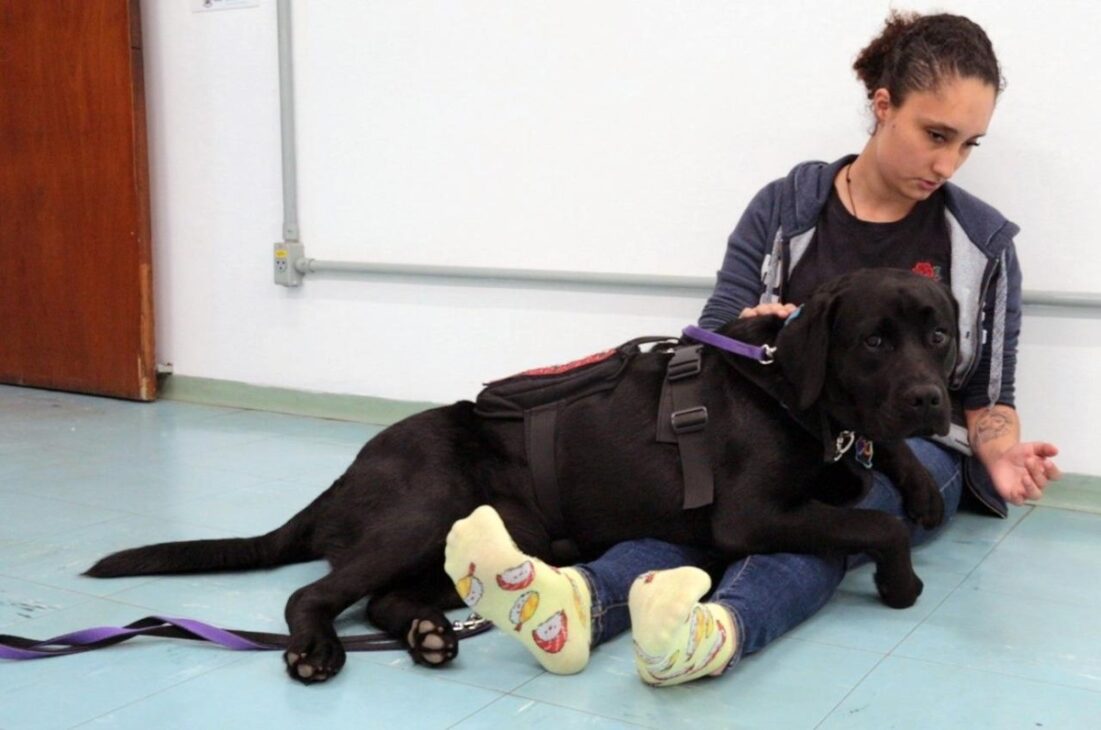
Service dogs play an essential role in promoting the social inclusion of people with disabilities in a concrete and effective way. Moreover, they ensure greater autonomy, provide more safety, and significantly elevate the quality of life for their guardians. Consequently, the presence of these animals in public spaces contributes to raising awareness about the importance of accessibility. At the same time, it reinforces respect for the rights of people with disabilities, which fosters social coexistence in a fairer manner. Recent legislative advancements and new public policies expand the population’s access to these fundamental services.
These concrete measures promote inclusion, equality, and dignity. Furthermore, service dogs help more individuals achieve a life with greater autonomy and respect.









Seja o primeiro a reagir!