





 Portuguese
  English
  Spanish
  5 min of reading
  0 comments


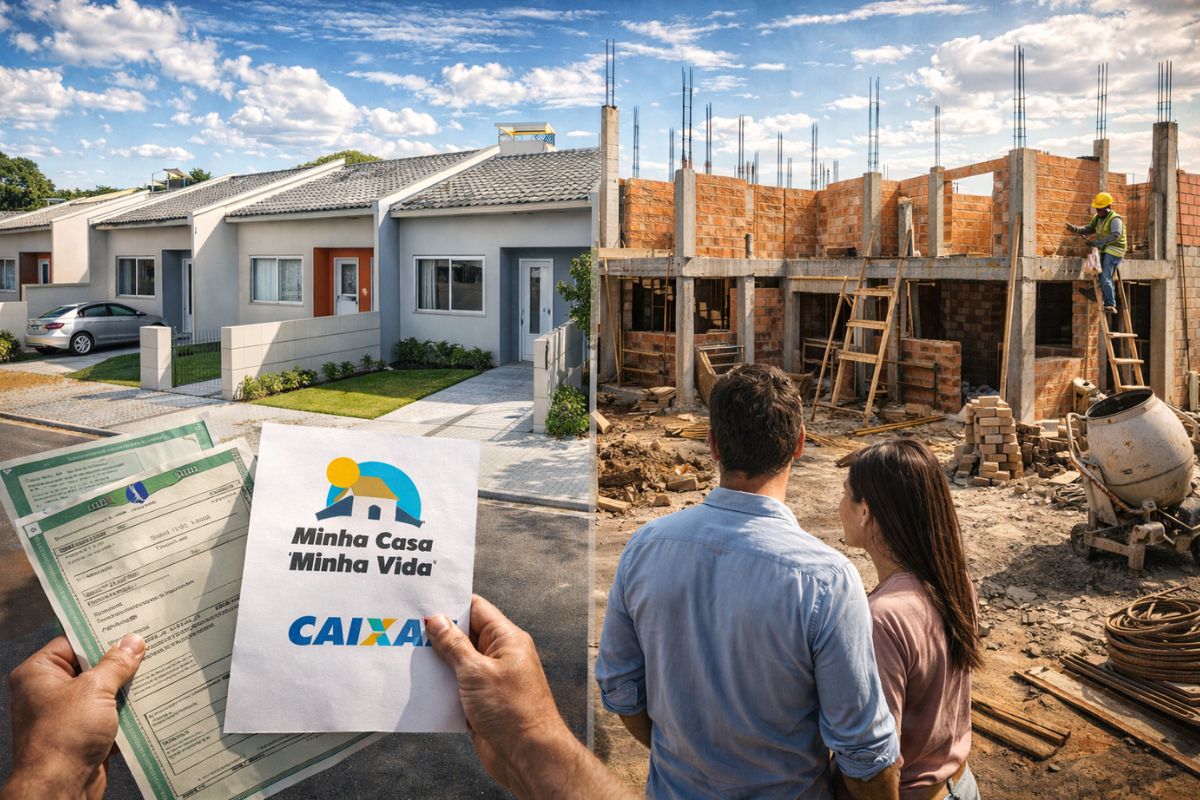
The Semi-Detached House Can Be Sold With Financing From Caixa In The My House My Life Program, But Only After The Work Is Finished And The Individual Registration Is Completed.
The semi-detached house can be sold with Caixa financing under the My House My Life program, but this process only occurs after the property is completed, registered, and has individualized registration for each unit.
In practice, this means that the construction of the semi-detached house cannot be financed by Caixa in an individual’s name when there is more than one unit on the same registration. To get the project off the ground, the suggested path in the material is to use personal resources or investor funds, reserving bank financing for the final sale stage to the customer.
When Caixa Finances A Semi-Detached House
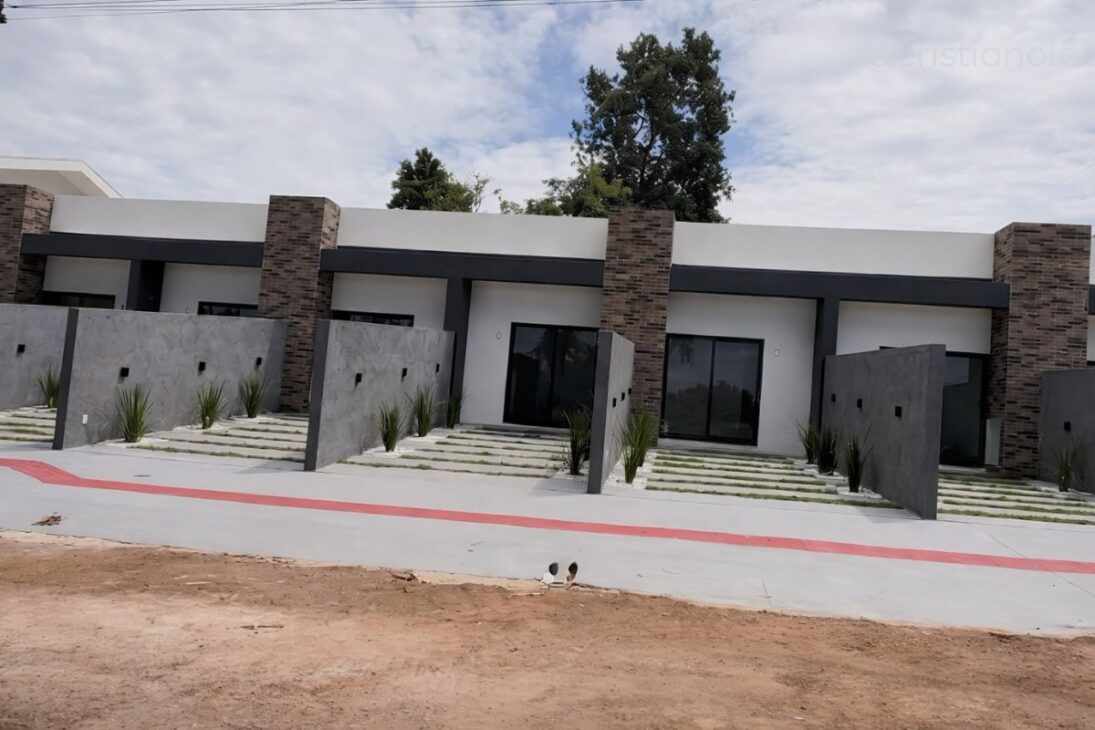
The main question addressed in the content is whether a semi-detached house can be financed by Caixa. The answer given is yes, but with one central condition: the bank only finances the sale after the property is ready.
-
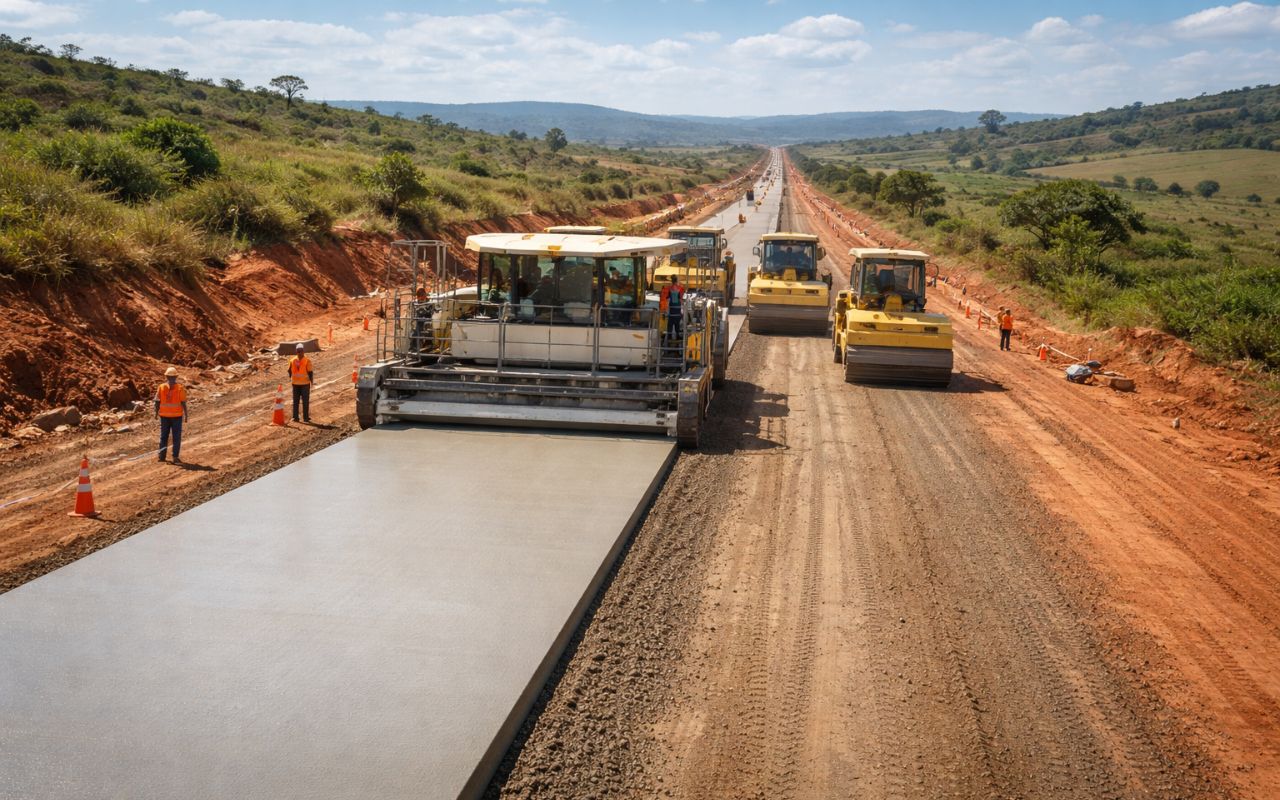
New CCR concrete paving technology promises roads up to 3x more durable, less maintenance, and cost reduction in Brazil.
-
Made from recycled plastic, plastic wood is gaining space in the construction industry because it does not rot, resists moisture, and reduces maintenance costs over the years.

-
Florianópolis will receive a million-dollar BRT that will begin construction in 2026 with nearly 400 million in funding from the federal government and the Inter-American Development Bank, and the map already shows the routes for the exclusive bus corridors.

-
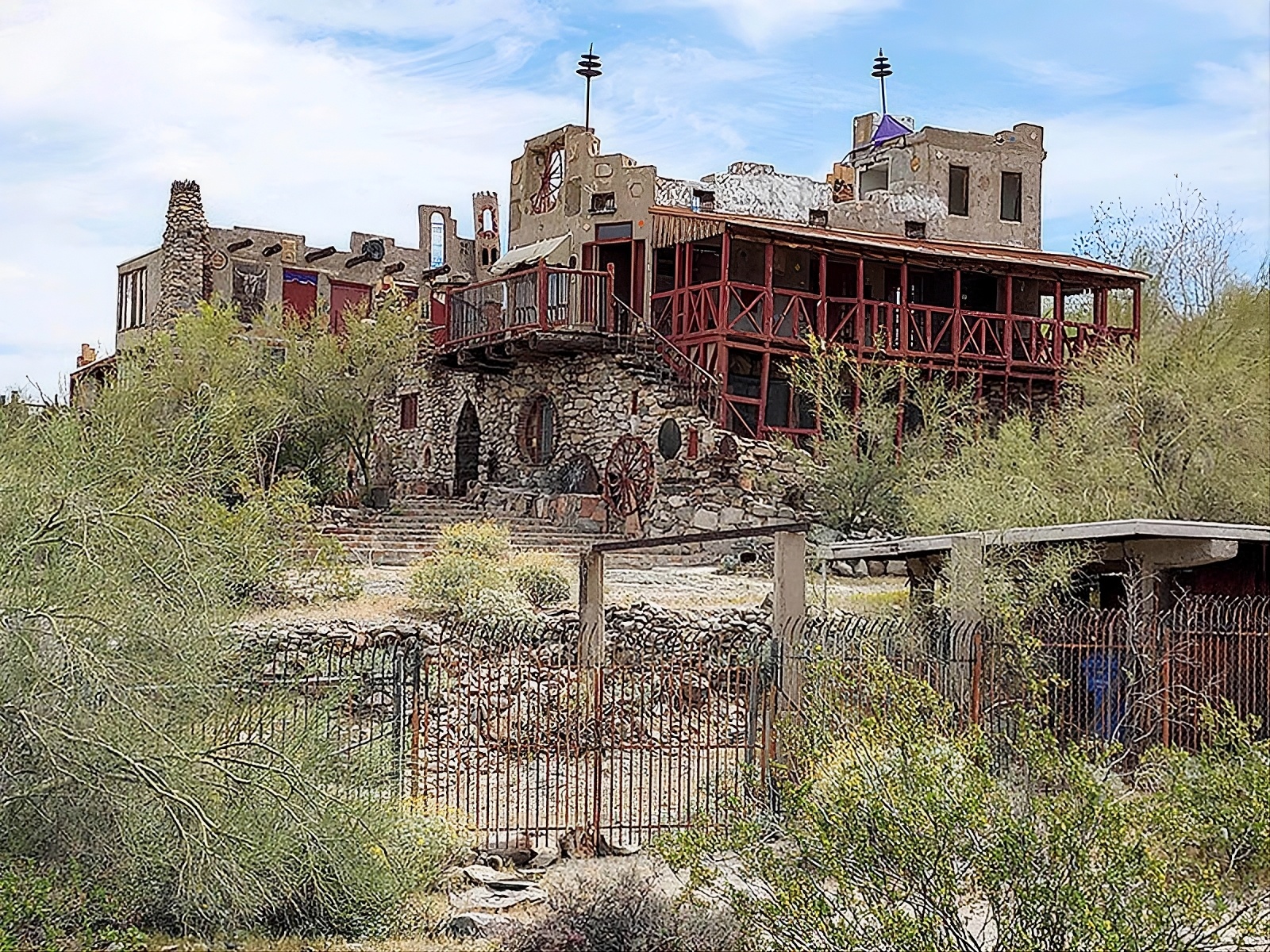
Without a blueprint, without an engineer, and using scrap from the dump, a father spends 15 years building an 18-room castle for his daughter, featuring tram tracks, 13 fireplaces, and over 700 m², which may now be demolished.

This happens because the semi-detached house starts, at the beginning of construction, under a single land registration. For Caixa to release financing to the buyer, each unit needs to have its own registration. Without this individualization, the bank cannot finance the unit as an autonomous property.
Why Individual Registration Is Essential
According to the explanation, the process begins with the project approval at the city hall still under the original land registration. After that, the construction needs to be completed for the registration to occur.
Next, the constitution of the condominium enters, a stage that allows for the generation of a registration for each unit of the semi-detached house.
From there, each property has its own documentation, similar to what happens with apartments. Only after this phase can financing to the client be processed.
Semi-Detached House Can Be Sold Financed, But Only At The End
The content makes it clear that selling a semi-detached house with financing is possible, even within the My House My Life program, as long as the property is already completed and regularized.
In other words, the buyer can even reserve the unit beforehand, but Caixa’s financing only comes in after the semi-detached house is finished, registered, and individualized.
The bank finances the acquisition of the completed unit, not the construction of the set still in the planning stage, within this format described in the material.
How Selling During Construction Works


If the semi-detached house is marketed while still under construction, the material explains that the entrepreneur needs to work differently.
In this scenario, there’s a possibility of receiving a deposit from the client and completing the process only after full regularization.
When there is property incorporation, the content states that the sale of the units can follow the model allowed by legislation. Without incorporation, the recommended approach is a unit reservation contract, rather than a purchase and sale contract.
This distinction is important to avoid mixing the commercial stage with the phase in which financing cannot yet be released.
Construction Of The Semi-Detached House Requires Own Resources Or An Investor
The most sensitive part for those wanting to invest is right here. The material states that building a semi-detached house with Caixa financing in an individual’s name is not allowed when there is more than one unit on the same land.
The reason is both documentary and operational. Caixa finances based on registration, but at the beginning of construction, there is only one registration for the entire land.
As there isn’t a registration for each unit yet, the bank does not treat these houses as separate properties during construction. Therefore, the entrepreneur needs to fund the construction with their own capital or support from an investor.
What Changes When The Land Is Subdivided
The material also explains that there is a different situation when the land is divided before the construction. If the property is subdivided and each lot has its own registration, the scenario changes because each construction is no longer treated as a semi-detached house under the same registration.
In this case, the project becomes closer to individual houses on separate lots. Still, the content warns that it is necessary to check if the city hall allows the subdivision and if the project will not be classified as an enterprise, which could lead to financing rejection.
That is, it’s not enough to divide on paper; it is necessary that the operation complies with local rules and with the bank’s framework.
Incorporation, Tax, And Legal Structure Are Factors To Consider
Another point mentioned in the material is the impact of the legal structure used in the operation. When there is real estate incorporation done by a CNPJ, the content states that the taxation can be 4% on the sale value. Without incorporation, the reference given is about 6% for legal entities.
For individuals, the material mentions a 15% incidence on profits. These figures appear as part of the project’s logic and show that the viability of the semi-detached house depends not only on the construction, but also on the adopted legal and tax model.
What Is Clear For Those Who Want To Invest
The central message of the content is straightforward. The semi-detached house can indeed be sold with Caixa financing, including in the My House My Life program, but only after it is finished and regularized.
The construction phase follows a different logic. Those planning to undertake this type of project need to separate two very distinct stages: the construction, which depends on personal capital or an investor, and the final sale, which can be financed by the bank after registration and individualization.
The Decisive Point Before Starting
Before starting any semi-detached house project, the material suggests carefully examining the documentation of the land, the possibility of constituting a condominium, the regularization at the city hall, and the legal framework of the operation.
Without this, the risk is confusing acquisition financing with construction financing and putting together a project that does not work.
The opportunity exists, but it depends on understanding exactly when Caixa comes in and when it does not.
Would you build a semi-detached house with your own resources only to finance the sale at the end?








Seja o primeiro a reagir!