





 Portuguese
  English
  Spanish
 5 min of reading
  0 comments


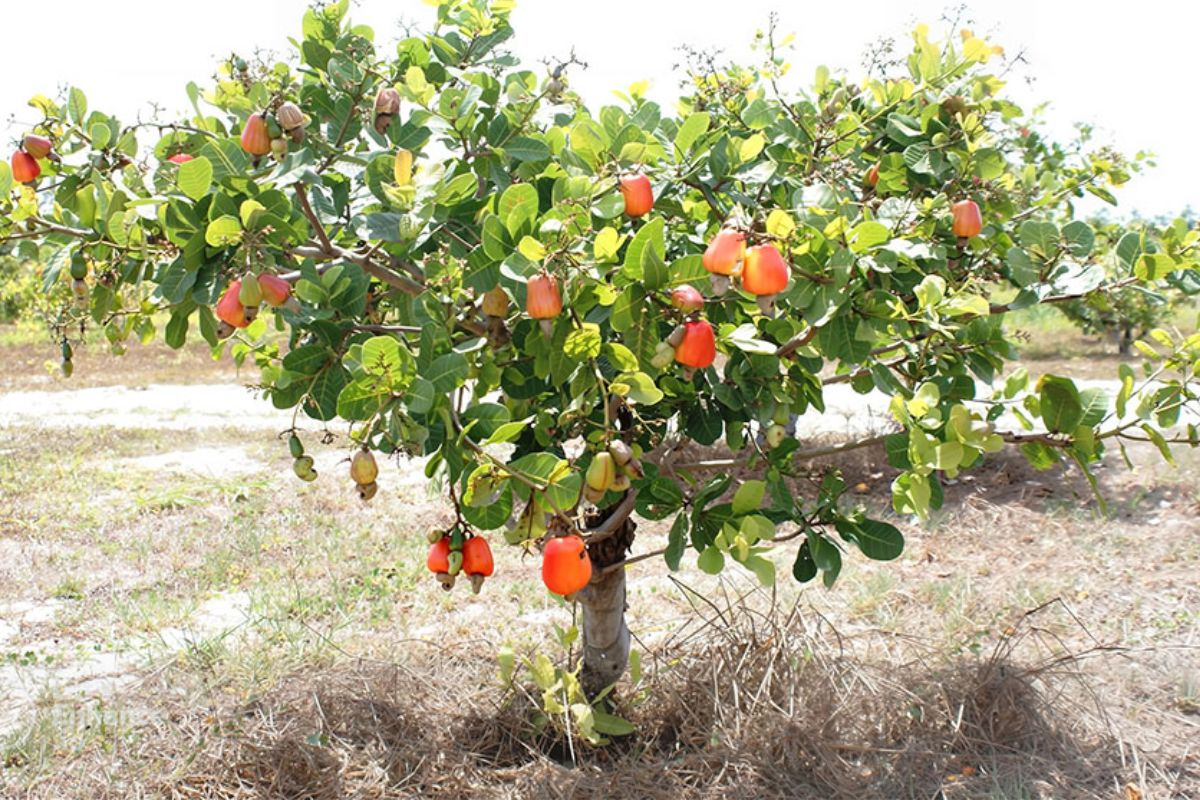
The Dwarf Cashew Tree Did Not Succumb to the Water Scarcity of Recent Months in the Northeast Semi-Arid Region and Had High Production with Embrapa Clones, Ensuring Sustainability in Agriculture, High Productivity, and Strengthening Family Farming
The dwarf cashew tree is a plant that has drawn attention in the northeast semi-arid region for being able to remain resilient even during periods of drought, according to a report published.
While many crops do not withstand the lack of rainfall, this variety of cashew has been showing surprising results, ensuring harvests and income for family farmers.
Between 2012 and 2017, a severe drought affected various crops in the Northeast, but the dwarf cashew tree continued to produce. This was made possible by decades of research conducted by Embrapa, which developed resistant clones adapted to the region’s climate.
-
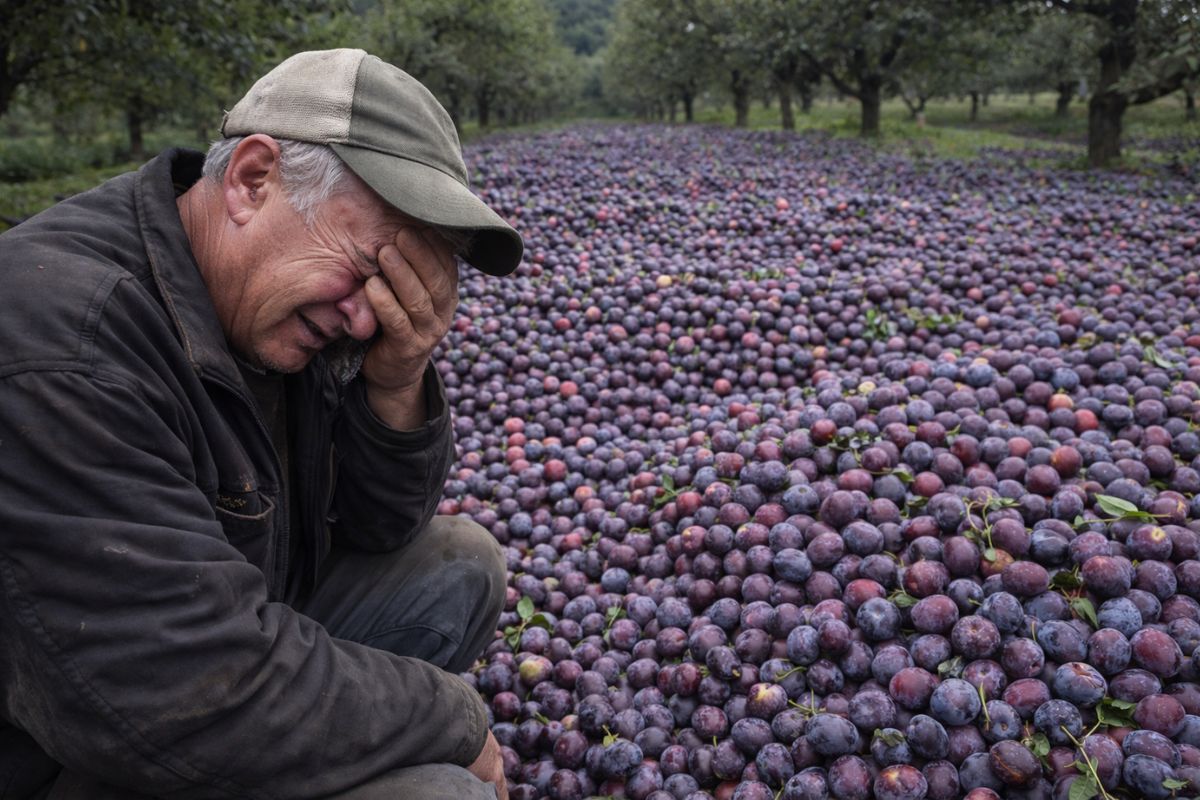
A rural producer from Urubici cries as he shows 50 tons of plums thrown on the ground because no one wanted to buy them, and in desperation, he records a video asking anyone to come to the property to pick the fruits before they rot.
-
Unable to pass through Hormuz, Brazil activated a plan B that uses Turkey as a gateway to the Middle East: the route through Gibraltar and the Mediterranean is longer and more expensive but ensures that chicken, beef, and corn continue to reach Arab markets.

-
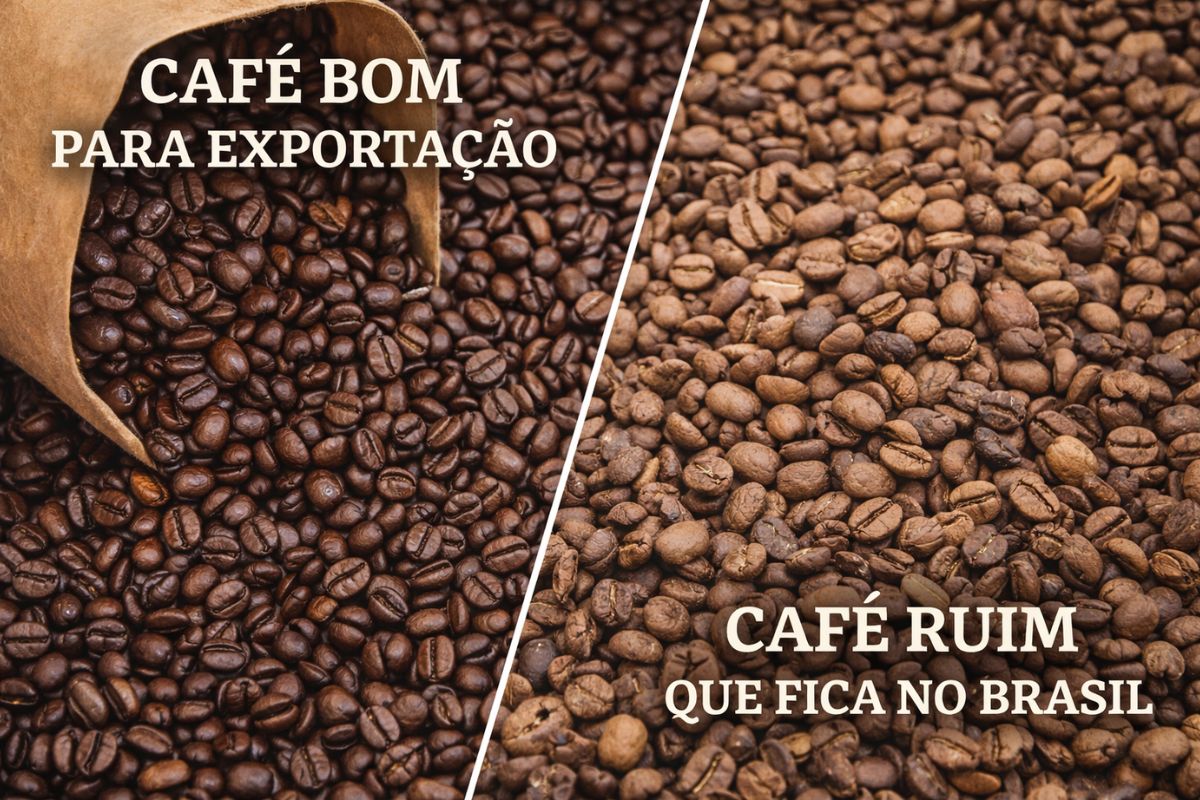
You grew up hearing that the good coffee from Brazil goes all abroad and the bad coffee stays for Brazilians, but this story has completely changed, and the numbers show that in the 1980s, thirty percent of the coffee sold here was adulterated with corn and barley.
-
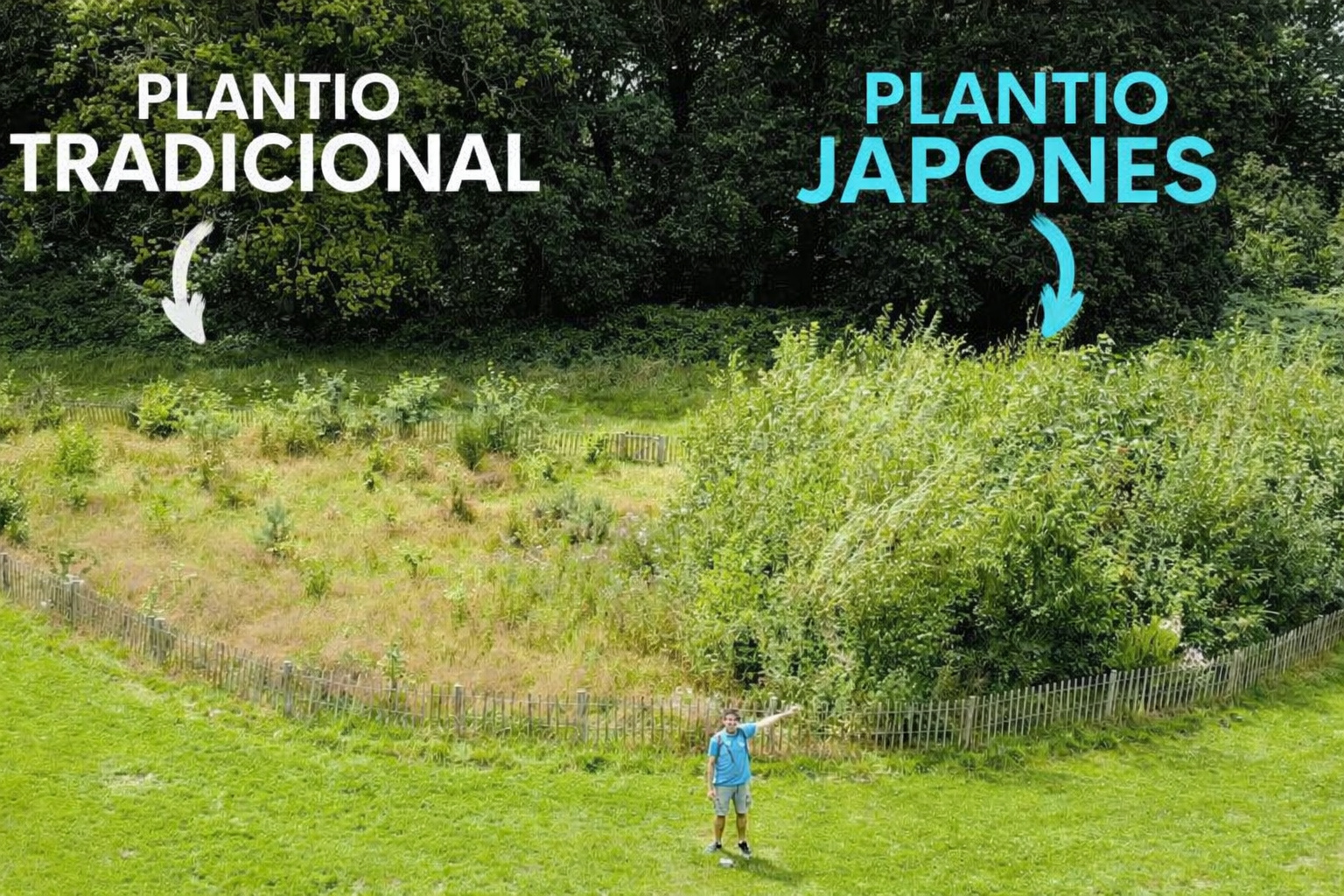
Engineer creates reforestation method that transforms small plots into dense forests in a few years using local biomass and can reduce environmental recovery costs.

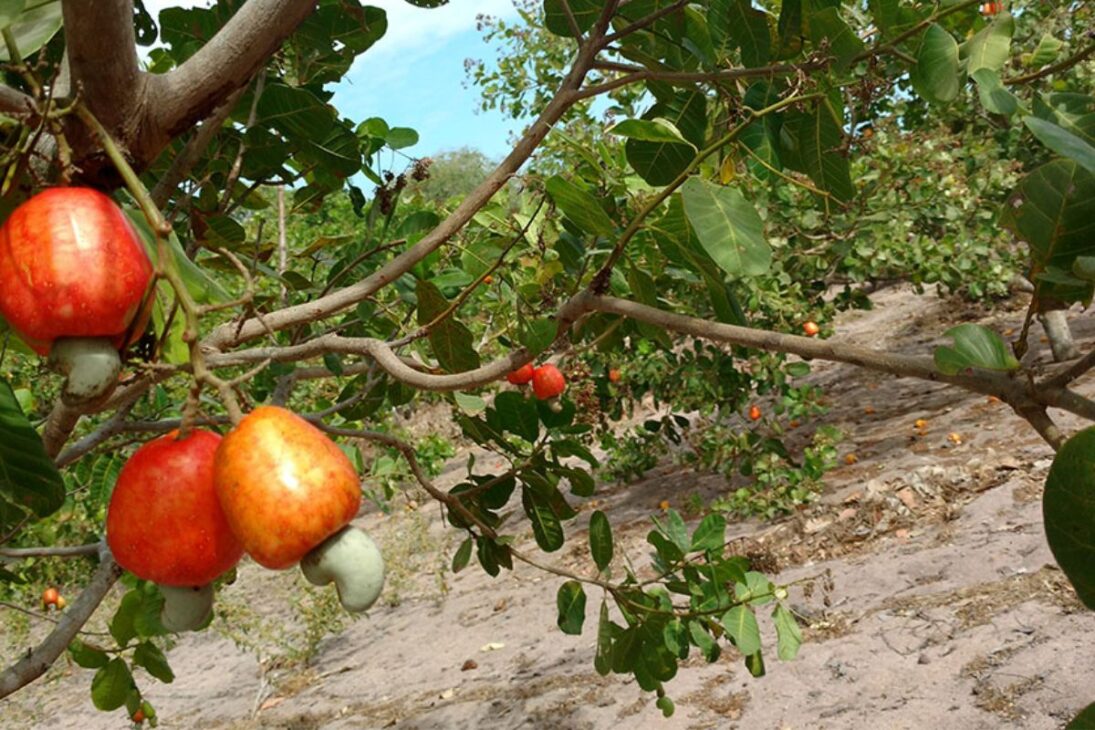
In addition to withstanding diseases and pests like whiteflies, the dwarf cashew tree delivers high productivity and helps many families stay in the countryside. This innovation not only strengthens the local agribusiness but also aids in the preservation of the Caatinga biome.
Today, the dwarf cashew tree is already seen as a viable and sustainable alternative, generating income through the full utilization of the cashew, from the nut to the peduncle and other by-products.
The cultivation has been transforming the reality of small and medium producers, who find in the cashew a secure source of work and prosperity.
Dwarf Cashew Tree and the Role of Embrapa Clones
The dwarf cashew tree is a direct result of Embrapa’s Genetic Improvement Program, which has already developed 13 clones for the market, 11 of which are specifically aimed at this variety.
The clone CCP 76, for example, is one of the most cultivated in Ceará, Piauí, and Rio Grande do Norte. It can achieve a production of 9,600 kilograms of peduncle per hectare and also reaches up to 1,200 kilograms of nuts in the same area.
Other clones also stand out, such as BRS 226, which produces about 1,200 kilograms of nuts per hectare, and Embrapa 51, which can reach 1,650 kilograms per hectare under ideal management conditions.
These numbers are impressive when compared to the national average, which is only 358 kilograms of nuts per hectare, according to IBGE data from 2024.
Besides the high productivity, the dwarf cashew tree shows exceptional resistance. Unlike other plants that lose leaves to avoid water loss, it keeps its foliage green and continues to photosynthesize, ensuring greater utilization of natural resources.
It can also absorb moisture present in the air during the early morning, typical of nights in the sertão.
Product Strengthens Sustainability in Agriculture
The dwarf cashew tree is not only noteworthy for the production of nuts and peduncles but also for its sustainable role within agriculture.
Cultivation in agroecological and integration systems, such as Integration of Crops-Livestock-Forestry (ILPF), helps attract bees, preserve soil moisture, and even promote the presence of animals in the region.
Embrapa also conducts studies showing how to integrate grass for grazing within cashew orchards.
This practice guarantees food for animals during winter while simultaneously strengthening the production system. Integration improves the chemical and physical quality of the soil, as well as increases the productivity of the cashew tree.
Another important point is the full use of the cashew. The peduncle, which was previously wasted, is now used for consumption in natura, juices, sweets, and cajuína.
The nut generates the almond, the main marketed product. There are also lesser-known uses, such as the peduncle’s residue, Cashew Nut Liquid (CNL), and even the biomass generated by pruning, which can be transformed into new sources of income.
This diversification makes the activity more economically stable, reduces dependence on the international market for nuts, and opens avenues for higher value-added products, such as natural dyes and fibers used by the food industry.
The Impacts on Family Farming
For family farming, the dwarf cashew tree represents much more than a simple cultivation alternative. It guarantees income even during drought periods when other crops do not survive.
According to Embrapa, this plant can produce well with annual precipitation between 600 and 800 millimeters, which is common in the northeast semi-arid region.
Additionally, the dwarf cashew tree facilitates manual harvesting, as it does not reach great heights like traditional cashew trees.
This characteristic has increased the value of the peduncle, which was previously lost on the ground, and allowed small farmers to expand their sources of income.
Institutions like Sebrae and Senar have been working with producers to strengthen the management of the activity. The assistance includes guidance on area selection, access to inputs, expense control, and marketing strategies.
This support is essential to ensure that the culture is passed on to future generations with sustainability and financial organization.
An example of this support comes from Sebrae in Paraíba, which offers consulting to family farmers at the beginning of cashew production.
The goal is to ensure that producers can plan their activities, avoid waste, and increase profitability.
Dwarf Cashew Tree as Genetic Heritage and the Future of Cashew Farming
The municipality of Pacajus, in Ceará, houses the Active Germplasm Bank of Cashew (BAG Caju), considered the largest in the world. With over 700 accesses, this space preserves genetic materials essential for the future of cashew farming.
From BAG Caju came the first clones of the dwarf cashew tree, developed in the 1980s by researcher Levi de Moura Barros. This pioneering work was crucial in transforming the cashew culture in Brazil, making it more viable and profitable.
The collection of genetic materials from ancient cashew trees is also an important task carried out by BAG. Even unproductive, the giant cashew trees hold characteristics that may be valuable in the future, such as resistance to diseases or even greater tolerance to drought.
This genetic heritage is seen as insurance for the future, ensuring that cashew farming can face pests, climate change, and other challenges that may arise.






Seja o primeiro a reagir!