





 Portuguese
  English
  Spanish
  5 min of reading
  15 comments


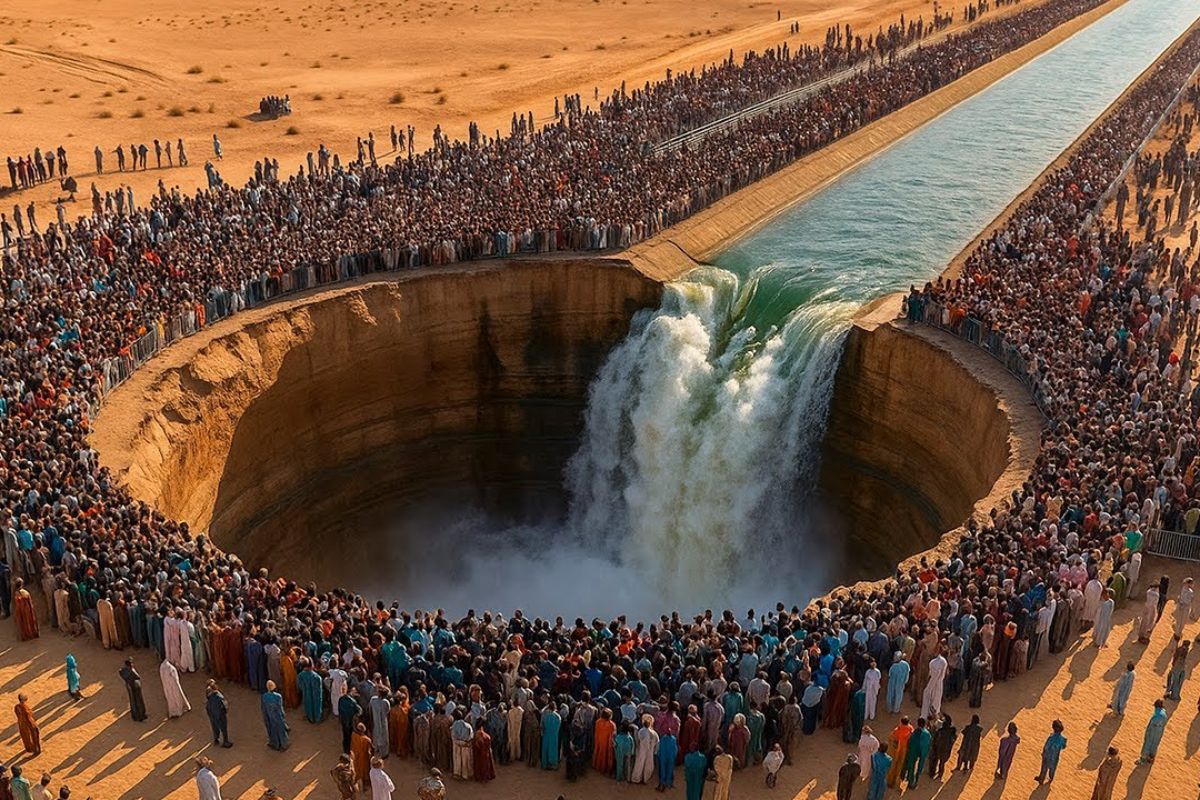


New Submarine Desalination Plant by OceanWell in Santa Monica Bay Promises to Install 60 Pods at 400 Meters Depth by 2030, Producing 227 Million Liters Daily of Drinking Water and Strengthening Supply for 70 Thousand Residents in West Los Angeles Amid Recurrent Drought.
Announced on August 20, 2025, the submarine plant Water Farm 1 inaugurates the first large desalination project in the United States, focusing on directly transforming Pacific Ocean water into drinking water on an industrial scale. The system will be installed in Santa Monica Bay, near Malibu, where about 60 modules are expected to operate at approximately 400 meters depth.
The project arises in a context of recurrent drought in California, worsened by higher temperatures, reduced snowmelt in the mountains, accelerated evaporation, and decreased flow from the Colorado River. The goal is to produce 227 million liters of drinking water daily by 2030, alleviating pressure on conventional reservoirs and networks and offering a new source of supply for tens of thousands of residents in the west of Los Angeles County and, in the future, more distant cities like Burbank.
Recurrent Drought Forces New Water Strategy in California

In recent decades, California has experienced increasingly intense and prolonged drought cycles.
-
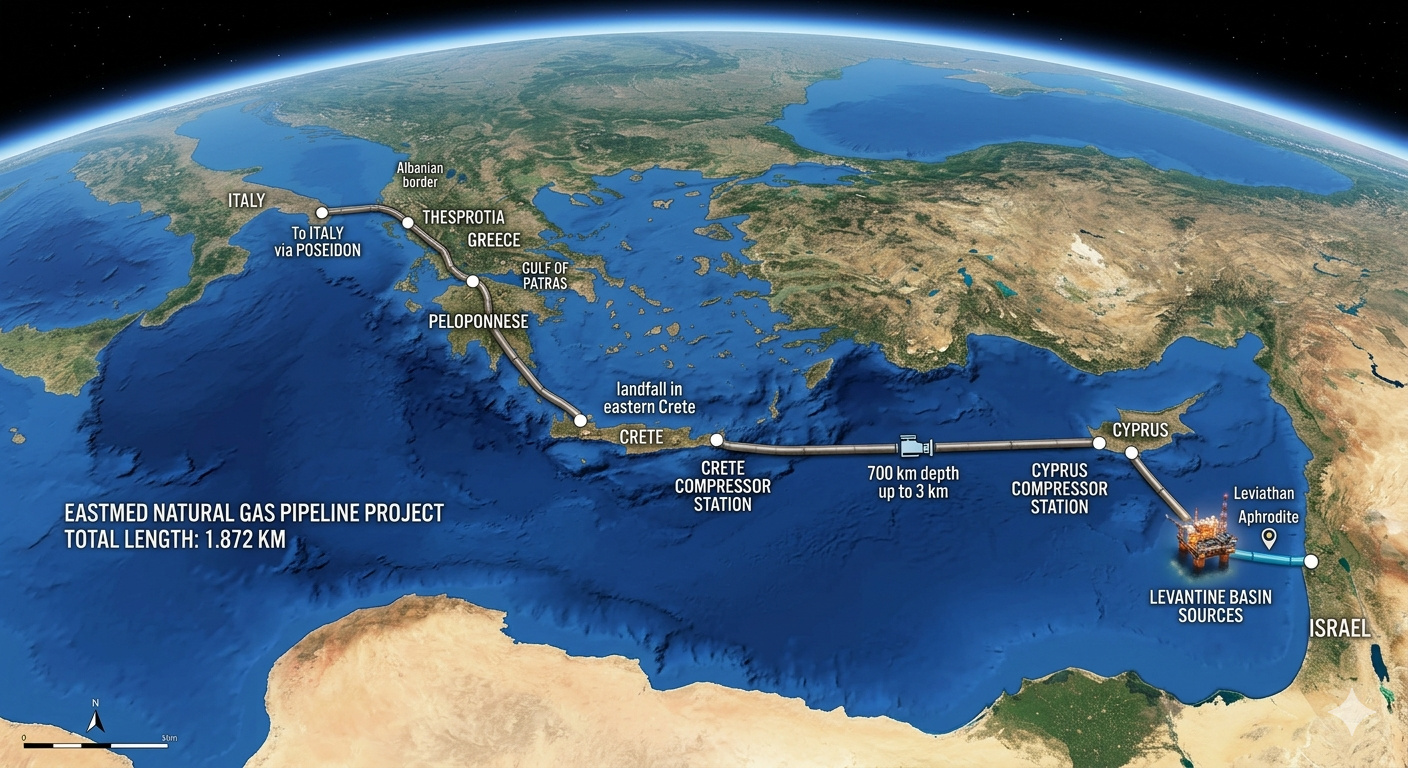
Israel, Greece, and Cyprus signed an agreement in 2020 to transport gas from the Mediterranean to Europe via a 1,872 km pipeline, but Turkey claimed sovereignty over part of the maritime route, and the project never materialized.
-
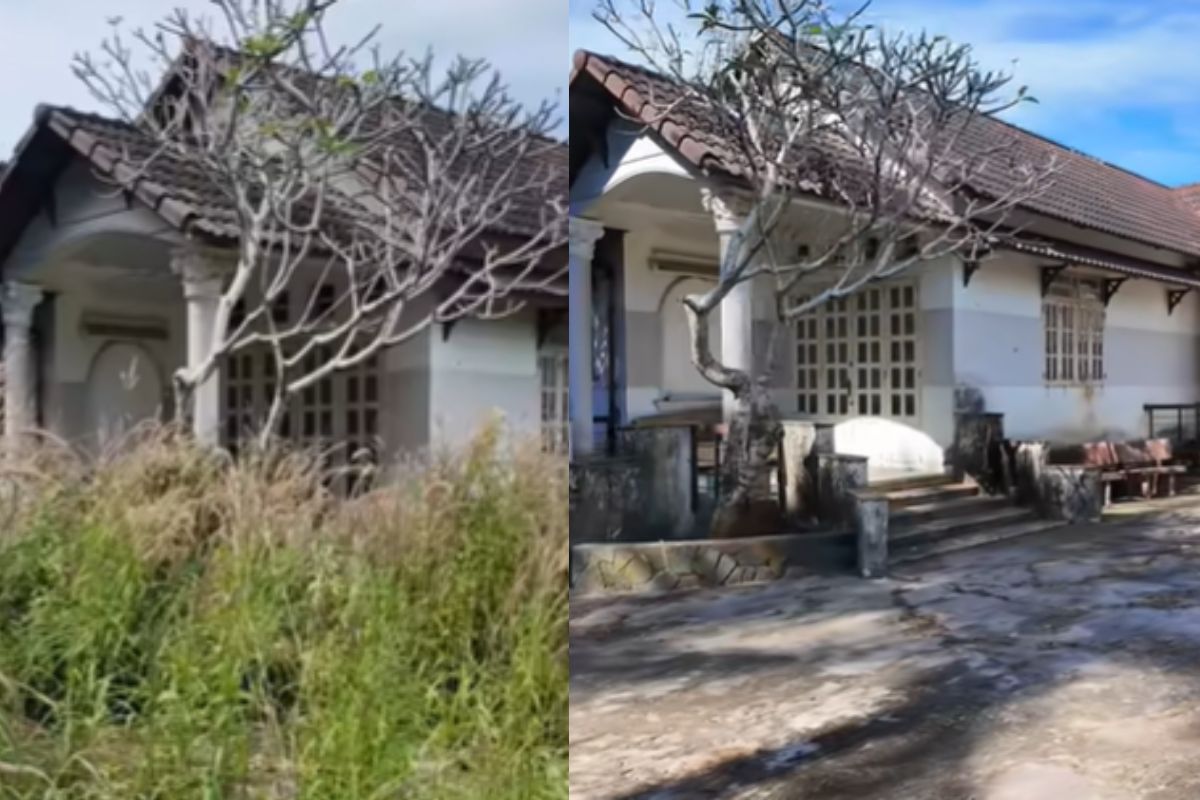
Abandoned house for 15 years disappears in the woods, shocks owner with unrecognizable scenery and is reborn in an intense transformation after almost 90 hours of work in just 10 days.
-
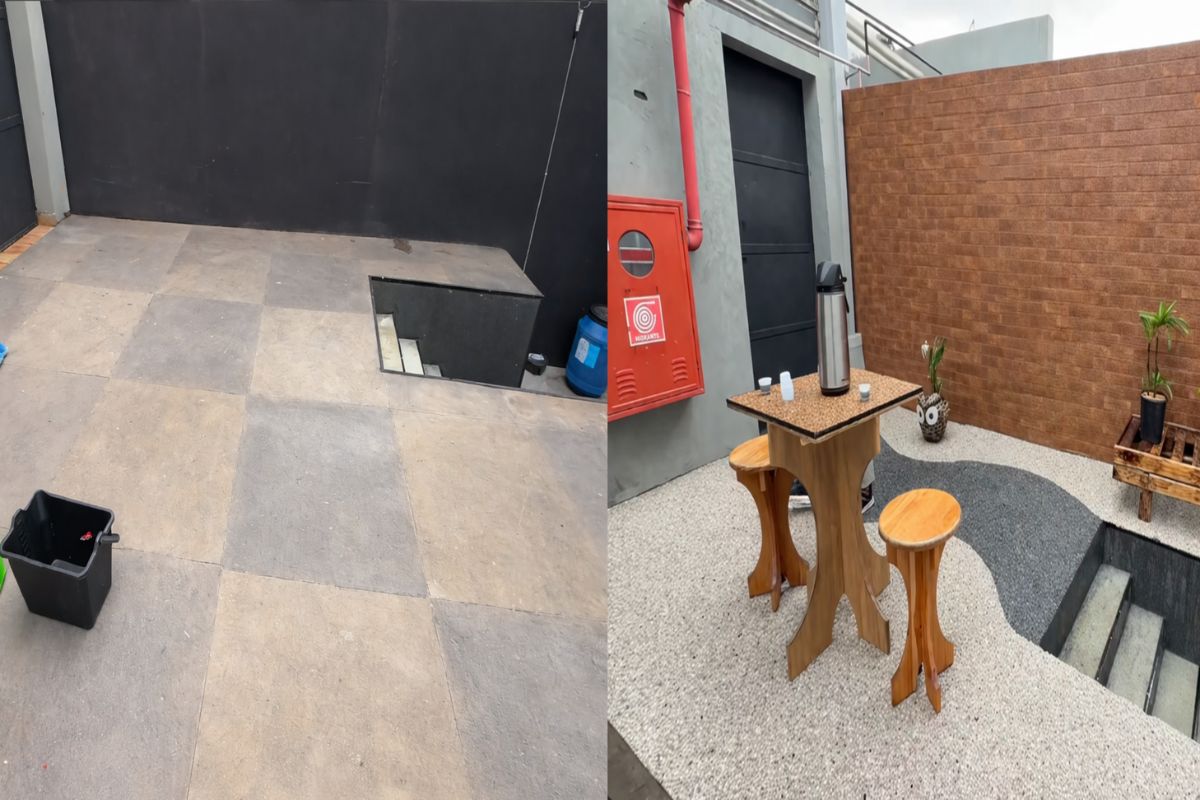
In just three hours, a natural stone floor transforms the entrance of the house with an organic effect, immediate drainage, and a sophisticated non-slip finish that doesn’t puddle water, dries quickly, and impresses with the final result.
-
‘Interlocking brick’ made of earth arrives in the construction industry with cost reductions of up to 40% on the project.


The combination of frequent heat waves, lower snow replenishment in the mountain ranges, accelerated evaporation in rivers and reservoirs, and reduced flow from the Colorado River puts pressure on the entire regional supply system.
Maintaining reservoirs at adequate levels has become a structural challenge, not just seasonal.
In light of this scenario, authorities and water technology companies have begun to seek complementary sources of water beyond surface reservoirs and importation from distant basins.
The submarine plant proposed by OceanWell, in partnership with the Las Virgenes Municipal Water District and six other agencies, is presented as an alternative to diversify the water supply matrix and reduce vulnerability to cycles of extreme drought.
How Water Farm 1 Submarine Plant Works
The concept of the submarine plant Water Farm 1 is based on the use of the ocean’s natural pressure at great depths.
At about 400 meters in Santa Monica Bay, the modular desalination pods will be positioned to take advantage of this pressure to force seawater through reverse osmosis filters, without the need for mechanical pumps for initial pressurization.
These filters are designed to retain not only salt but also microplastics, bacteria, viruses, and persistent chemical substances known as PFAS, often referred to as forever chemicals.
By concentrating the process on the seabed, the submarine plant aims to reduce visual impact on the coast and decrease surface pumping steps.
According to OceanWell, each module of the submarine plant can produce up to 3.7 million liters of drinking water per day.
Together, the approximately 60 pods have a projected capacity to achieve, by 2030, a total volume of around 227 million liters daily.
The company also claims that the underwater architecture and use of natural pressure can reduce energy consumption by up to 40 percent compared to traditional onshore desalination plants.
Installation of Pods and Integration with Supply Network
In practice, the deployment of the submarine plant will require infrastructure to connect the pods installed on the seabed of Santa Monica Bay with treatment and distribution systems on land.
Submarine pipes are expected to carry desalinated water to a plant onshore, where the final product will be integrated into the supply network operated by the Las Virgenes Municipal Water District and other partner agencies.
The expectation is that the volume produced initially at the submarine plant will directly serve around 70 thousand residents in the western part of Los Angeles County.
Over time, the system may be expanded or replicated, allowing cities without direct access to the ocean to benefit through compensation arrangements within larger distribution networks.
In the case of Burbank, for example, the proposed solution is a trade mechanism within the Metropolitan Water District of Southern California network.
The city will contribute to the funding of the water provided by the submarine plant to coastal partners, and in return, receive an equivalent volume redistributed by the MWD, without the need to build its own infrastructure to the sea.
Projected Impact by 2030 and Statements from Those in Charge
If the goal of producing 227 million liters daily is achieved by 2030, the submarine plant could represent a significant portion of the potable water supply in the areas served by the consortium.
This volume helps to offset the decline of other sources, such as surface reservoirs during prolonged dry periods, and increases the resilience of the system against irregular rainfall.
For OceanWell, the Water Farm 1 project serves as a technological showcase for a more distributed and scalable approach.
CEO Robert Bergstrom emphasized that California and other regions of the world need new sources to replace declining supplies and that the submarine plant aims to demonstrate how to responsibly and economically harvest freshwater from the ocean.
The promise is to combine water security, energy efficiency, and high standards of final water quality.
From the perspective of cities without direct access to the sea, like Burbank, the network exchange model is seen as an opportunity to diversify the source of water without replicating the entire infrastructure.
Richard Wilson from Burbank Water and Power described the arrangement as a sharing solution where local investment in new sources, such as the submarine plant, returns in the form of greater supply security distributed by the MWD.
Environmental Studies, Pilot Project, and Next Regulatory Steps
Before the definitive expansion of the submarine plant, the responsible consortium conducted a pilot project completed in March 2025.
This initial phase served to test the performance of the pods under real depth conditions, evaluate the efficiency of the reverse osmosis filters, and monitor any impacts on water quality parameters and the immediate marine environment.
Meanwhile, environmental and community groups continue to analyze the results of the pilot project and the impact studies associated with the future large-scale submarine plant.
The assessments include potential effects on marine wildlife, the dispersion of the saline concentrate resulting from desalination, and the project’s compatibility with protection standards for Santa Monica Bay and the nearby coast of Malibu.
The next steps involve the definitive integration of the Water Farm 1 system into the existing water infrastructure, final adjustments to the engineering design, environmental licensing, and operational agreements between the participating supply agencies.
If the studies confirm controlled impact and performance within energy and quality goals, the submarine plant could become a model for other coastal regions pressured by drought.
In light of this scenario, do you believe that projects like this submarine plant should become a priority in the strategy against drought in coastal regions, or do you still see more advantages in investing only in reservoirs and water reuse?





Nunca vai faltar água para a humanidade. Infelizmente o homem
não sabe fazer uso sustentável desse líquido precioso que é a vida do planeta, assim como o sangue é a nossa vida! Os mares produz toda água que precisamos através de um processo chamado ciclo das águas, onde a evaporação dos mares torna possível cair água pura e cristalina altamente saudável que enche os recursos hídricos (rios, lagos, minas), e todos nós temos acesso ilimitado a esse bem precioso.
Tirar água doce do mar é possível, mas desnecessário, caríssimo, político, e por cima insustentável.
Continua consumindo combustíveis fósseis como vocês gostam com essas camionete que parecem um caminhão e não se importando com a mudança climatica igual seu governo faz
Buenas. É positivo. Mais uma opção. A questão do aquecimento global necessita ser trabalhada em várias frentes, mas precisamos também questionar se o Planeta não tem seu processo natural de transformação. A Terra tem 4,5 bilhões de anos, e estamos aqui há ” 10 mil anos “. Os estudos do passado nos trazem noções mas estão longe de certezas. E o processo de congelamento que o Planeta já sofreu? Existiam seres humanos aqui naquela época? No entanto é dever dessa humanidade fazer o que pode para colaborar com a saúde da Terra, independente se existe um processo natural conjuntamente. Abraço.