





 Portuguese
  English
  Spanish
  4 min of reading
  0 comments


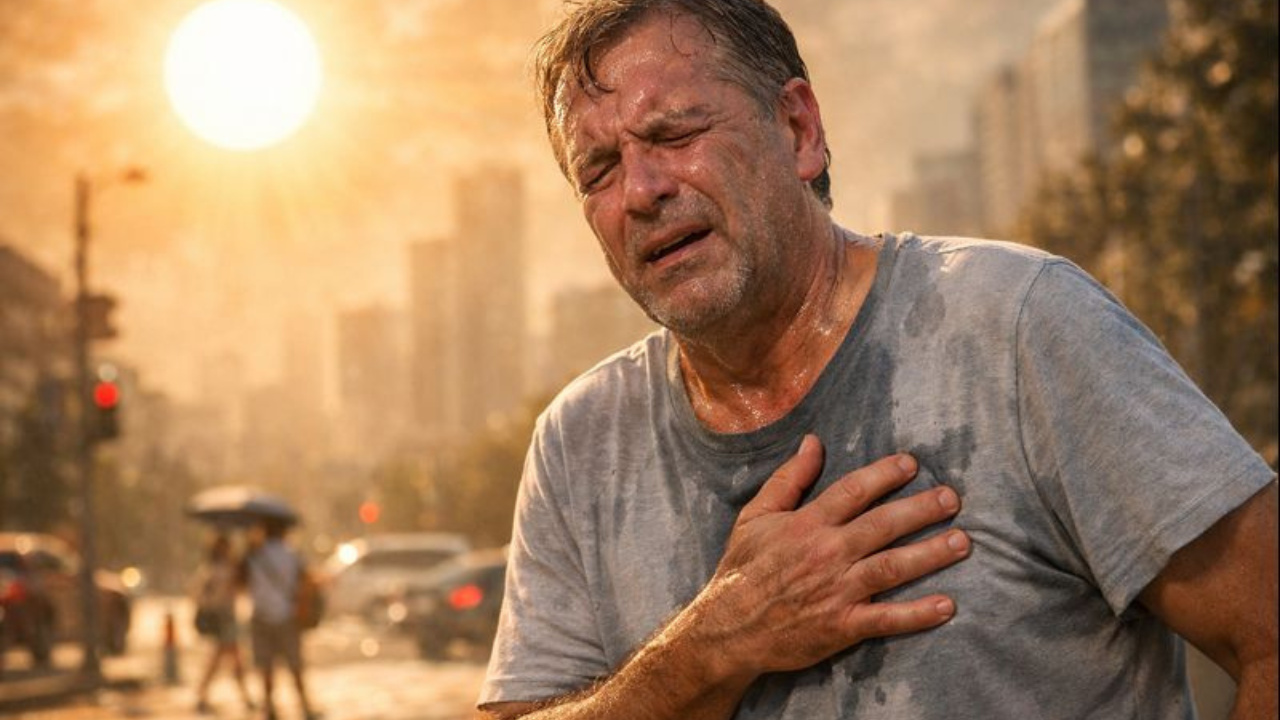
Cardiovascular Health Is Impacted By Extreme Heat, With Increased Risk Of Heart Attack, Cardiac Arrhythmia, And Dehydration.
The rise in temperatures, increasingly frequent during extreme heat waves, has put cardiovascular health on alert.
Doctors explain that on very hot days, the heart has to work harder to maintain the body’s balance, which increases the risk of cardiac arrhythmia, dehydration, and even heart attack, especially among the elderly and those with pre-existing conditions.
This scenario mainly occurs during summer, in urban environments and regions with high temperatures, when the body activates automatic mechanisms to try to cool down.
-
Spain surprises the world by erecting 62 artificial dunes, mixing sand with natural remains of posidonia, and causing the structure to lose only 1.4% of its volume in 1 year.

-
With 16 Bulava missiles, improvements in acoustic stealth, and a design focused on silent patrols, Russia’s nuclear submarine was born to ensure Moscow’s invisible retaliation and has become one of the pillars of its maritime strength.

-
‘Populous’ city in Rio among the worst in Brazil in national ranking and exposes silent development crisis.

-
Couple buys house in the South Zone of São Paulo, opens a hidden door in the garage, and finds a secret wine cellar with dozens of old wines forgotten since the 1970s.


To dissipate heat, blood vessels dilate, especially those in the skin. This process, called vasodilation, facilitates heat loss but reduces the vessels’ resistance and tends to lower blood pressure.
“The body tries to compensate for this drop by increasing heart rate to maintain adequate blood flow,” explains Fernando Ribas, a cardiologist at BP A Beneficência Portuguesa de São Paulo.
When The Body’s Natural Adjustment Fails
In healthy individuals, this adaptation usually works without major consequences. However, in more vulnerable individuals, the system becomes unbalanced.
Vasodilation, combined with fluid loss through sweating, decreases the volume of circulating blood.
With less blood returning to the heart, the body forces an increase in heart rate, which can cause symptoms like dizziness, weakness, blurred vision, and fainting sensations.
Additionally, individuals with a history of orthostatic hypotension or vasovagal syncope may experience these effects more intensely during periods of extreme heat, increasing the risk of cardiovascular complications.
Dehydration Aggravates Risks To Cardiovascular Health
Dehydration is one of the main points of imbalance during intense heat.
Although sweating is essential for regulating body temperature, it causes the loss of water and important minerals, such as sodium and potassium.
“Dehydration reduces blood volume, increases heart rate to compensate, and impairs organ perfusion,” explains Bruno Sthefan
cardiologist and sports physician, with titles recognized by the Brazilian Society of Cardiology (SBC) and the Brazilian Society of Exercise and Sports Medicine (SBMEE).
The loss of these electrolytes directly interferes with the heart’s electrical system.
As a consequence, it increases the risk of cardiac arrhythmia, especially in individuals who already have cardiovascular diseases.
Extreme Heat And Risk Of Heart Attack
Although heart attacks and strokes (stroke) are more associated with cold weather, recent studies show that prolonged periods of heat also increase the risk of heart attack, particularly in vulnerable groups.
“Heat places additional stress on the cardiovascular system,” states Orlando Maia, a neurosurgeon at Hospital Quali Ipanema.
“With dehydration, the heart works harder to compensate for the drop in pressure, and the loss of electrolytes favors arrhythmias. This combination can trigger heart attacks and strokes.”
Who Needs To Be Extra Careful In The Summer
During extreme heat waves, experts recommend heightened attention for specific groups:
the elderly, who feel less thirsty and dehydrate easily;
people with hypertension, diabetes, or heart failure;
patients who have previously suffered a heart attack or stroke;
athletes and workers exposed to intense sunlight.
In these cases, the risk is not only from elevated temperatures but also from the imbalance between heat, hydration, and physical effort.
Patients taking diuretics or antihypertensive medications may also feel the effects of heat more intensely.
“These medications promote fluid loss and can potentiate drops in blood pressure,” warns Fernando Ribas. The recommendation from specialists is clear: never discontinue or adjust doses on your own.
Warning Signs That Require Medical Attention
Some symptoms should not be ignored during periods of intense heat, as they may indicate compromised cardiovascular health:
fainting;
chest pain;
persistent palpitations;
shortness of breath out of the ordinary;
mental confusion, especially in the elderly.
“Even if the symptoms pass, sudden drops in blood pressure and changes in heart rhythm need to be evaluated,” reinforces Orlando Maia.
Physical Exercise In The Heat Requires Extra Care
During physical activity, the heart needs to supply both the muscles and the skin at the same time. In extreme heat, this further increases heart rate and the sensation of effort.
“In intense heat, this scenario raises the risk of heat exhaustion and arrhythmias,” states Orlando Maia.
Therefore, doctors advise avoiding exercise during the hottest times of the day, seeking ventilated or shaded areas, and increasing hydration.
In addition to water, electrolyte replenishment may be necessary when sweating is intense.
Avoiding alcohol, reducing excessive caffeine consumption, wearing light clothing, and taking frequent breaks are simple yet essential measures.
These precautions help protect the heart and significantly reduce the impacts of extreme heat on cardiovascular health.








-

Uma pessoa reagiu a isso.