





 English
  Francês
  Alemão
  Italiano
  Japonês
  Norueguês
  Portuguese
  Spanish
  5 min of reading
  0 comments


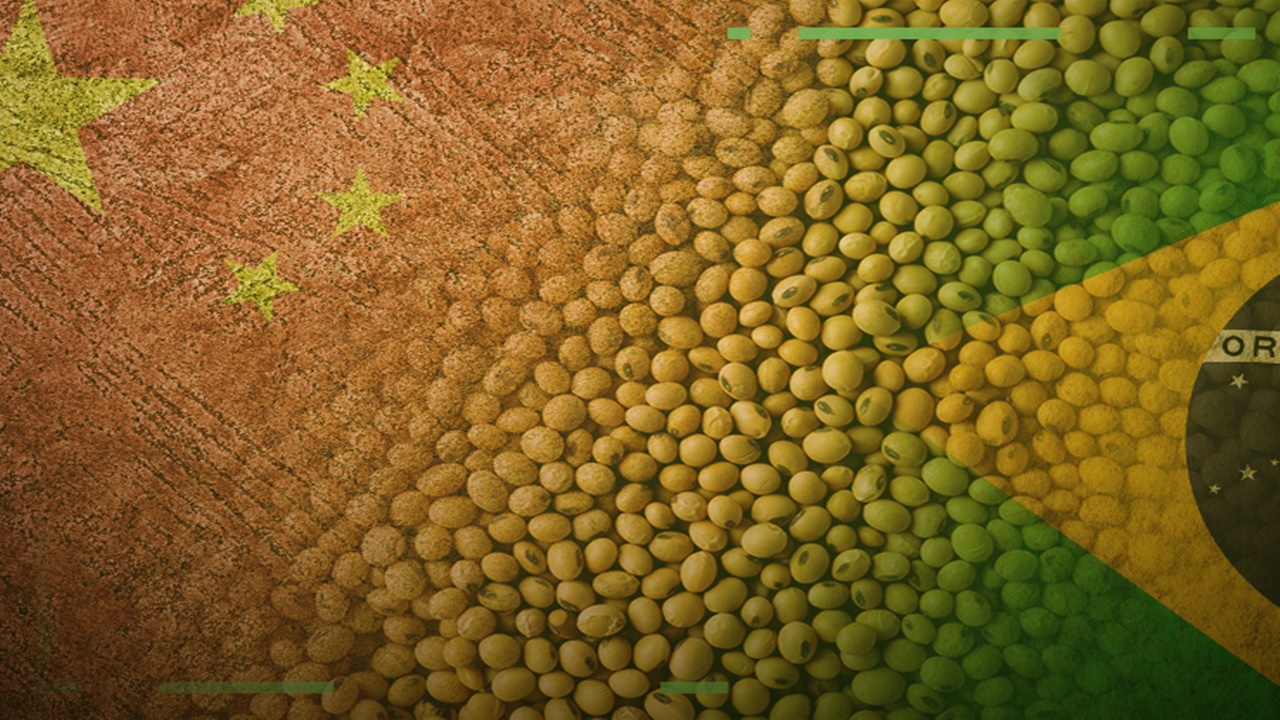
Chinese Multinational Giant Is Responsible for About 2% of Current Chinese GDP But Due to Internal Political Issues, China May Allow Evergrande to Default
The giant Evergrande, one of the largest business conglomerates in China, announced last Monday about its difficulties in meeting its payments. The news caused stock markets around the world to plummet, and according to Claudine Saldanha Cesar Pinheiro Machado, an economist and doctor in agribusiness, Brazilian agriculture may also be affected.
Read Also
- Faetec RJ Offers 2325 Vacancies in Free Professional and Technical Qualification Courses in the Areas of Industrial Maintenance, Civil Construction, Logistics, Technology, and More
- Steel and Metallurgical Industries Become Right-Hand for Naval Construction to Resume Its Prominent Role in Brazil’s Economy
- Job Openings Today (09/21) for Offshore Construction and Assembly Contracts in Rio de Janeiro
- Technicians and Engineers Are Called by a Human Resources Company to Work Offshore; There Are 49 Job Openings for ROV Operator
- U.S. Company Calls Brazilians for Home Office Job Openings with Salary in Dollars, Without Leaving Brazil, and Several Benefits
In addition to being one of the major construction firms, they also have significant investments in the food, beverage, and electric vehicle sectors. On top of that, they own China’s largest football team, Guangzhou, the current champion of the Chinese League and the biggest winner of the national championship.
Chinese Multinational Giant Evergrande Is Responsible for About 2% of Current Chinese GDP
The company is so important that it is estimated to be responsible for around 2% of current Chinese GDP. The fact is that they recently took out a loan of US$ 300 billion, most of which was borrowed via the financial system, justifying investments in their real estate sector.
-
Unemployment rises again to 5.8% at the beginning of 2026, raising alarms about the end of temporary positions and its impact on the Brazilian job market.

-
Document organization can cut invisible costs in small businesses, a simple step that prevents waste, rework, and losses in daily operations.

-
While Russia dominates the global wheat market, Brazil emerges as an unexpected competitor in the Cerrado, offering grain available in July and August when stocks in the Northern Hemisphere are at their lowest point of the year.

-
China returned almost 20 Brazilian ships with soybeans, but now everything could change: the country that buys 80% of the grain is considering relaxing regulations after impurities held up shipments of thousands of tons and caused million-dollar losses.

This movement had already been under significant scrutiny and monitoring by analysts. There are doubts about the potential contagion this might have on the Chinese financial system itself and the size of the company in the global financial system.
As the older ones say, to understand the present and the future we have to look at the past. For example, in 2008, the case of Lehman Brothers was the harbinger of the great financial crisis that had significant repercussions.
The amount involved at that time was slightly higher than the current one. However, for analysts, this raises a warning light in the financial market, mainly due to the effects it will have firstly on the level of internal activity in China and, secondly, on the potential impact on the Chinese financial system and consequently on the international financial system.
How the Chinese Company’s Default May Affect Brazilian Agriculture
This will certainly impact Brazilian agriculture in various ways. Firstly, a potential default by Evergrande will affect internal economic activity in China. This will reduce the demand for Brazilian commodities. The market has already seen a decrease in Chinese appetite, which has been limiting its activity and reducing imports in order to ensure certain environmental standards for the winter Olympics that will take place in Beijing, only in February 2022.
Many analysts have been warning that China has been stockpiling commodities, especially iron ore, steel, and agricultural products, already looking to lower the demand for imports during the beginning of the next year. This Evergrande crisis further exacerbates this reduction in Chinese voracity for commodities in general, clearly impacting the demand level for Brazilian agribusiness.
A potential contagion to the Chinese financial system and consequently to the international financial system could lead to a new international crisis like the one we experienced with the collapse of Lehman Brothers in 2008. This crisis would have a very strong impact on the level of demand, at least for Brazilian commodities.
In addition to the direct and indirect effects that a financial crisis can cause in terms of credit limitations, bankruptcies, unemployment, and reputation in attracting investments, there are factors influenced by cultural issues involving China and East Asia. These places traditionally consume a wider range of food than is consumed in Western countries, meaning that the possibility of finding substitutes for Brazilian food products in the local market is broader in Asia than in other countries. Thus, their food palette is easier to adapt. There is a demand shock, as may happen in the case of Evergrande.
Due to Internal Political Issues, China May Allow Evergrande to Default
Many analysts have been questioning whether Evergrande is such a severe case and whether the Chinese government would intervene to save the conglomerate. It must not be forgotten that the Chinese government has been conducting a policy of increasing regulation over these large conglomerates and diminishing both their economic and political influence. It is still unclear whether the government will save Evergrande or not. Most analysts believe they will assist the workers, estimated at over 125,000 employees.
At this moment, they may receive some form of assistance for the workers, but not for the company itself. It is highly probable that for internal political reasons, China will allow Evergrande to default, make the necessary adjustments in its real estate sector, which were not made in other places, and get ahead in this regard, while increasing the control of the Chinese Communist Party over certain sectors of the economy that were still in the hands of large conglomerates.
It is always important to remember that the Chinese plan to launch their digital currency during the 2022 winter Olympics. This could be an opportunity for China to provide direct financial aid to its population without interfering from the financial market; that is, it is possible that China abandons the financial market to its own fate.
What Happens to the Exchange Rate?
Regarding the exchange rate, it is important to remember that, very likely, the launch of the Chinese digital currency will somewhat hold back the depreciation of the yuan, which has lost significant value against the dollar in recent days due to the news from Evergrande. This has a direct impact on Brazilian exports because with a weaker yuan, Brazilian products become more expensive for Chinese consumers. This further diminishes a demand that has already been decreasing in recent months.
For producers and operators of Brazilian agribusiness, the most important thing at this moment is caution. It is important to have a plan on the table. A financial strategy is essential to protect against potential turbulence and to start thinking of alternative markets for their products if Chinese demand does not meet the purchase of Brazilian production, as it has in recent years. A hedging and insurance strategy seems fundamental at this point.
by – Claudine Saldanha Cesar Pinheiro Machado, Doctor in Agribusiness, Economist and CEO of the financial boutique Pinheiro Machado.






Seja o primeiro a reagir!