





 Portuguese
  English
  Spanish
  3 min of reading
  0 comments


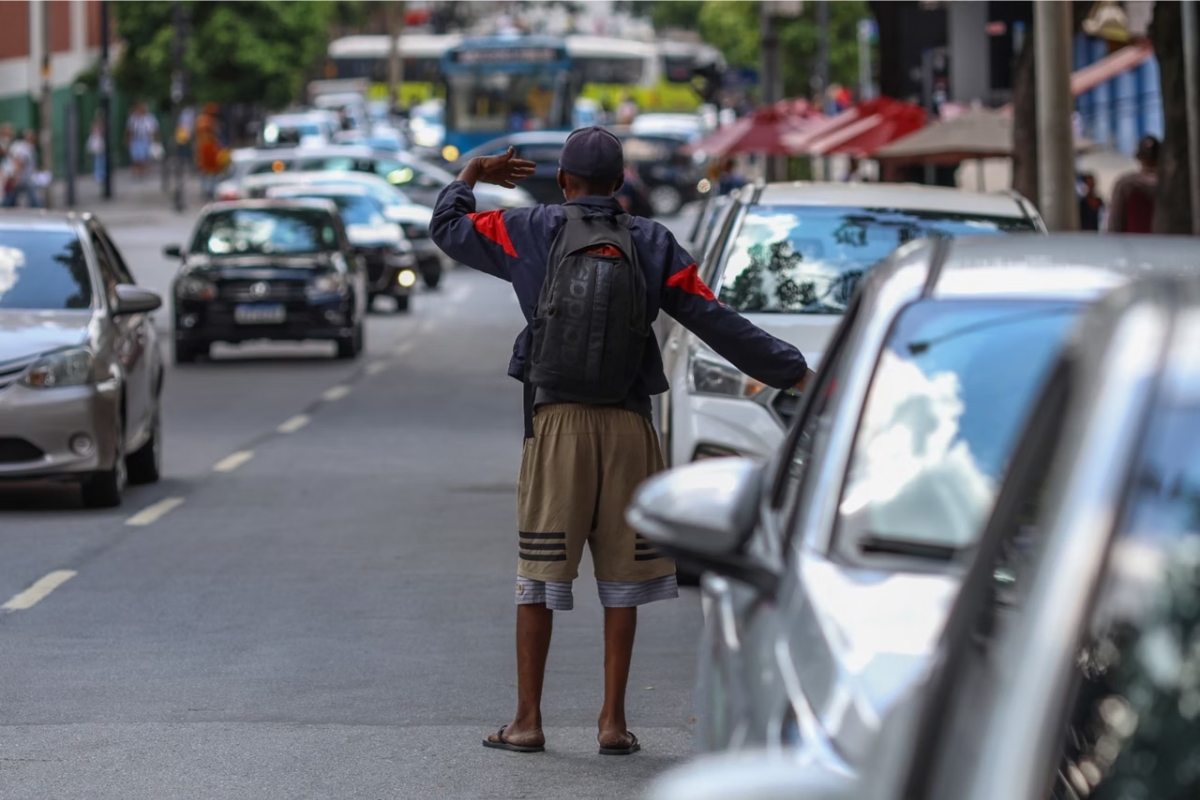
Bill Proposal 239/25 Provides Imprisonment and Fines for Those Who Charge for Informal Vehicle Parking on Public Roads Without Authorization
The Chamber of Deputies is reviewing the Bill 239/25, which amends the Penal Code to classify the crime of extortion committed by informal vehicle guardians, known as flanelinhas, on public roads.
In practice, the proposal targets situations where someone demands payment to “watch” a car parked on the street, even without authorization from the authorities, instilling fear, embarrassment, or persistent demands.
What Happened and Why This Is Noteworthy
The proposal aims to include a specific crime related to charging for the guarding, parking, or monitoring of vehicles on public roads without authorization from the authorities in the Penal Code.
-
The noise law will no longer be in effect at 10 PM starting in June with a new rule valid during the 2026 World Cup.

-
The Chamber opens a debate on driver’s licenses at 16 years old as part of a reform that includes around 270 proposals to change the Brazilian Traffic Code and may redesign rules for licensing, enforcement, and circulation in the country.

-
The new Civil Code could revolutionize marriages in Brazil with “express divorce” and changes that could exclude spouses from inheritance.

-
Banco do Brasil sues famous influencer for million-dollar debt and intensifies debate on delinquency, risks of seizure, and direct impact on Gkay’s credibility.


The idea is to classify the practice as extortion, a legal term used when someone forces another person to pay or deliver something, usually through intimidation or direct or indirect threats.
The proposal is from Deputy General Pazuello, from PL, and is under review in the Chamber of Deputies.
When Charging Becomes a Crime
The focus of the project is the act of demanding or charging remuneration for guarding, parking, or monitoring a vehicle already parked on public roads without official authorization.
The punishment is linked to whether the charge occurs outside the conditions set forth by the authorities, attempting to differentiate informal activity from legal parking organization situations.
In practical terms, the proposal targets charges imposed on drivers, especially when the approach creates discomfort, pressure, or a sense of risk.

What Penalties Does the Project Provide
Under the proposal, those who make such charges could face imprisonment of two to eight years and fines.
The sentence may increase by one-third to one-half if the victim is a woman, elderly person, or person with a disability, or if they are accompanied by a child or adolescent.
The proposal also states that the penalty will be doubled if the crime is committed with implicit violence or indirect threats, creating a situation of fear or embarrassment.
How to Understand Legal Terms without Complication
When the project speaks of classifying, it means clearly outlining the conduct in the penal law, describing what is prohibited and what punishment may be applied.
The term imprisonment indicates a prison sentence provided for more serious crimes, different from alternative punishments that may exist in other cases, always depending on the framing and decisions in the process.
The concepts of indirect threat and implicit violence arise when pressure occurs without an explicit threat but still creates fear, embarrassment, or a sense of risk for the victim.
What Can Happen from Now On in the Chamber
As the proposal is under review in the Chamber of Deputies, it still needs to go through the stages of the legislative process before any changes take effect.
Until then, the content may undergo adjustments, receive discussions, and forwarding, as projects of this type are often debated for their impact on the daily lives of those parking on public roads.
If approved, the Bill 239/25 amends the Penal Code and creates a specific classification for charges made by flanelinhas without authorization.
The Bill 239/25 puts at the center of the debate the charge for informal vehicle guarding on public roads, proposing punishment for extortion and providing for imprisonment and fines.
The direct impact falls on drivers and passengers facing charging approaches while parking on the street, especially in situations of fear, embarrassment, and vulnerability outlined in the proposal.










-

Uma pessoa reagiu a isso.