





 Portuguese
  English
  Spanish
  2 min of reading


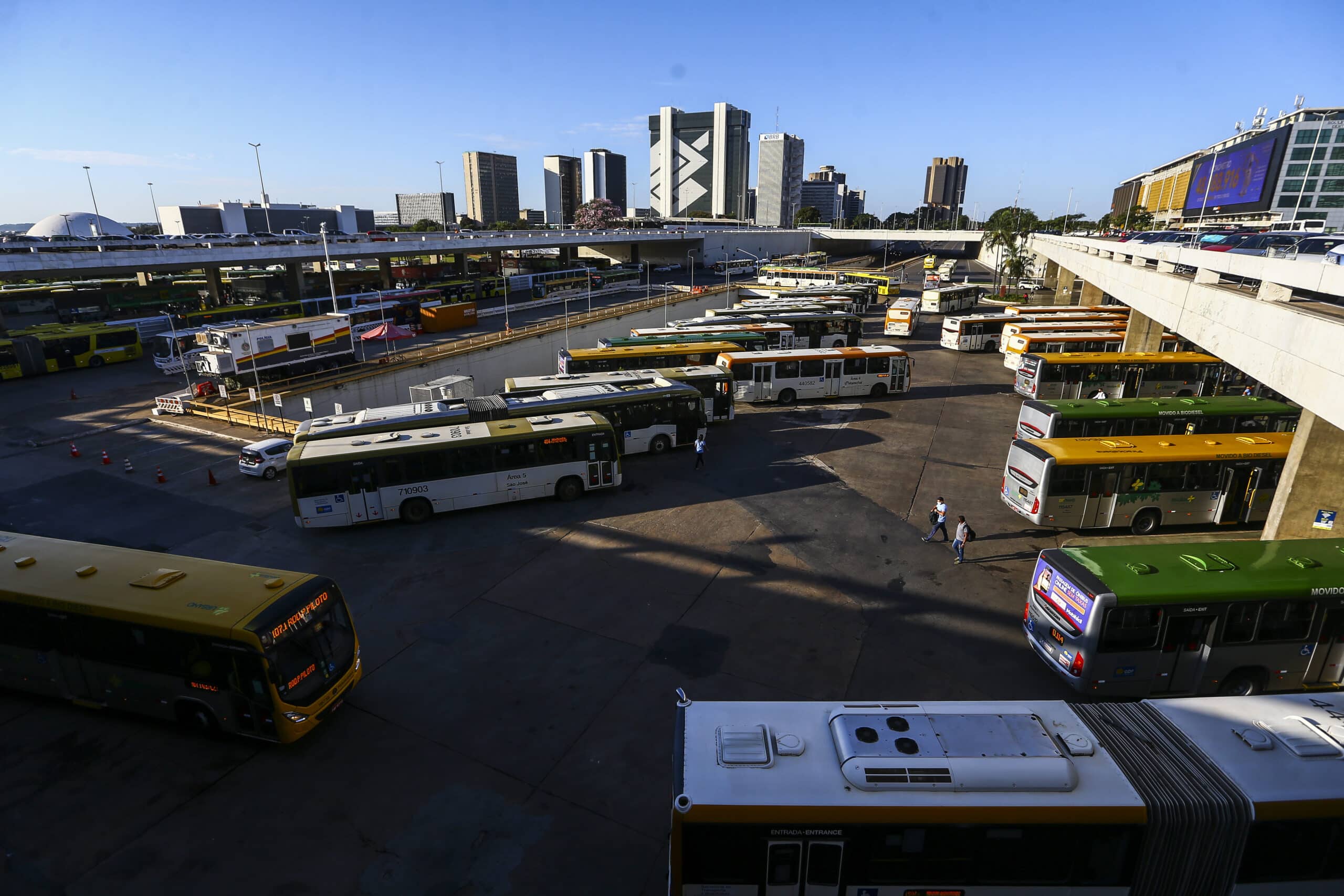
The Subject Is Very Controversial and Divides Experts. Some Believe in Lowering Ticket Prices, While Others Expect a Decline in Service Quality.
The opening of the road transport market divided opinions in the Tourism Commission of the Chamber of Deputies. The debate was requested by Deputy Bacelar from the PV of Bahia. Those who see the idea positively argue that the measure will increase competition, lowering prices and benefiting tourism.
Regular Passenger Transport Was the Focus of the Debate
As it has characteristics of a public service, regular passenger transport is subject to a series of legal obligations. One of the obligations is that the service must be provided continuously and cannot be canceled.
Claudia Viegas, a Public Policy Specialist at LCA Consultores, pointed out in the hearing the socioeconomic effects of an opening transport market. “We see an idleness: 26.3% of the fleet of charter companies remains idle on weekdays. We currently have a contingent of vehicles that are underutilized when they could be providing other services to society,” said the specialist. “In regular service, competition is limited. About 73% of routes between two cities are served by only one company. Only 11% of national routes allow passengers to choose between services provided by three or more companies,” Claudia added.
-
São Paulo surprises the world with a colossal railway network project that promises over 1,000 km of tracks, R$ 194 billion in investments, and 40 projects connecting the capital to the interior with fast and sustainable trains.
-
The world’s largest escalator, measuring 905 meters in China, reduces urban travel time from 1 hour to about 20 minutes and transforms mobility in mountainous regions with an engineering solution adapted to the terrain.
-
A R$ 300 million logistics giant is taking shape in Serra with over 100,000 m² and raises a question: how can this transform e-commerce and distribution in the state?

-
Could Uber Rides Lose Minimum Fare? Understand What’s Happening!


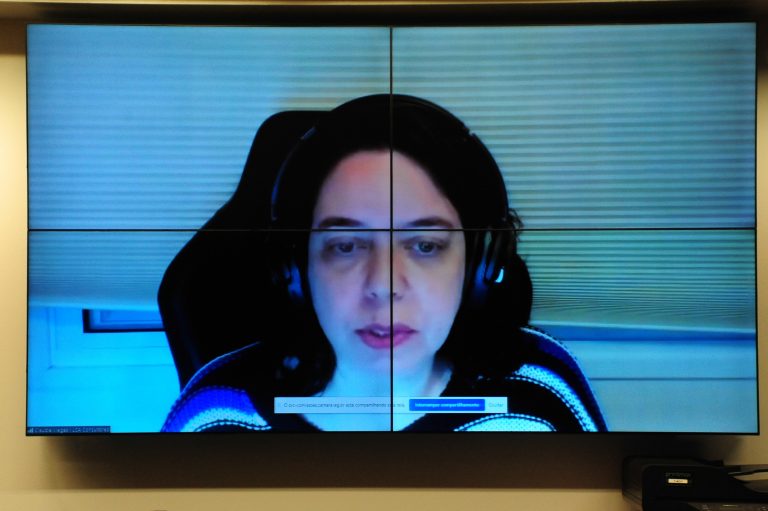
Claudia also emphasizes that increased competition could lower prices. The specialist stated that ticket prices could drop by up to 20%. The drop in price would represent an increase of 8 million passengers transported each year. These numbers would represent an increase of R$ 2.7 billion per year in GDP.
In a completely opposite view to Claudia Viegas, Ricardo Ferraço, a representative of the Brazilian Association of Land Passenger Transport Companies (Abrati), highlighted that the change would result in predatory competition, harming companies and more vulnerable passengers.
“The same activity would be performed under absurdly asymmetric conditions. On one side, there are the companies authorized to provide public service, which must adhere to all legal requirements, such as regularity, continuity, comfort, discounts, and minimum frequency. On the other side, there would be app-based companies operating the same service without observing the burdens imposed by the Brazilian state,” he stated.
Ricardo Antunes, manager of Passenger Transport Studies and Regulation at the National Land Transport Agency (ANTT), said that the opening of the transport market is already happening. He recommended a broader debate before making any changes.









Seja o primeiro a reagir!