





 Portuguese
  English
  Spanish
  4 min of reading
  0 comments



For Test Driver César Urnhani, Manufacturers Like Volkswagen, GM, and Hyundai Prove That “Real” Automatic Transmissions Are More Efficient and Enjoyable to Drive.
The CVT (Continuously Variable Transmission), widely adopted by major manufacturers under the banner of fuel efficiency, is at the center of a heated controversy by specialist and test driver César Urnhani. In a strong analysis, Urnhani claims that the technology’s main selling point, fuel economy, “is not true”. He points out that competitors such as Volkswagen, GM, and Hyundai deliver superior or equivalent consumption results using conventional automatic transmissions, which he classifies as “real”.
Urnhani’s criticism goes beyond consumption numbers, directly focusing on the driver’s experience. According to him, driving a car with a CVT is marked by an uncomfortable feeling of “slipping clutch”, excessive engine noise during acceleration, and lack of quick responses. For the expert, while the industry defends the CVT for lower production costs, the practical result for the consumer is a less enjoyable car and, in many situations, not as economical as promised.
What Is the CVT and Why Does It Generate Controversy?
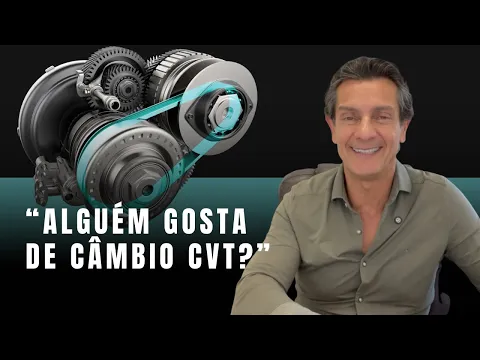
Unlike conventional automatic transmissions, which have a defined number of gears, the CVT works with a system of two variable diameter pulleys, connected by a metal belt. This architecture allows the transmission to offer an infinite variation of ratios, keeping the engine in the most efficient possible rotation range. This is where the name “Continuously Variable Transmission” comes from. In theory, the idea is to extract the maximum performance and economy without the “jumps” of a traditional gear shift.
-
A French brand placed a car on four huge red balloons to prove that its suspension made the vehicle “float,” and the surreal scene became one of the most iconic and unusual images in automotive history.

-
Jeep Avenger begins production in Brazil, debuting as the brand’s new entry-level SUV and inaugurating an unprecedented phase by becoming the first national Jeep manufactured outside of Goiana, as part of a R$ 3 billion plan.
-
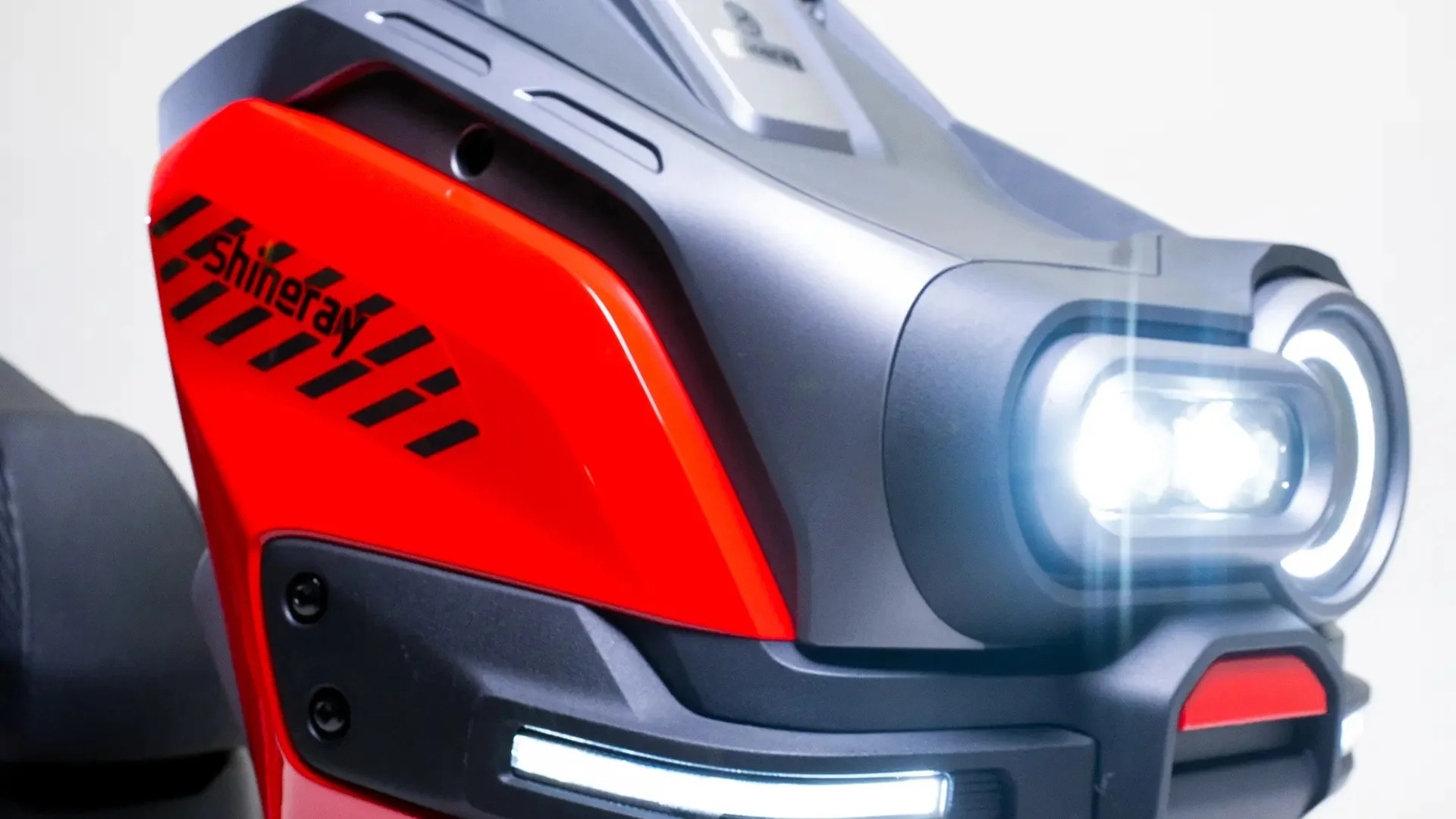
Costing R$ 12,490, the new Shineray Urban Lite 150 “cheap one” arrives in Brazil with a CVT transmission, digital dashboard, and LED lights, making it more affordable than the Biz and targeting those who want to abandon the bus.
-
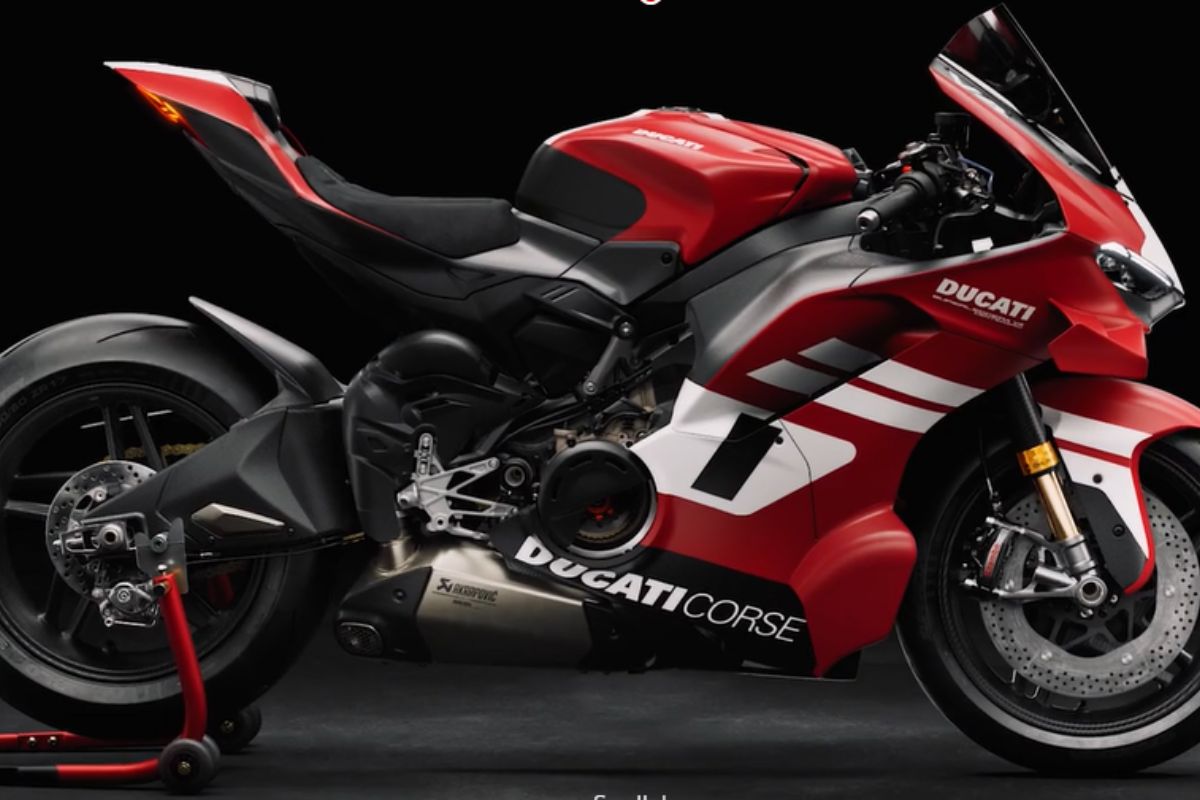
Ducati brings to Brazil the Superleggera V4 Centenario: 228 hp that become 247 with a track kit, carbon fiber and carbon-ceramic brakes, estimated price between R$ 1.5 and 2 million, deliveries only in 2027.

However, it is precisely this characteristic that, according to César Urnhani, generates the main complaint from drivers. The feeling when accelerating is one of disconnection: the engine revs up and makes a lot of noise, but the car takes time to respond with the same vigor. “For those who have always driven a manual transmission, it feels like the clutch is slipping,” explains the expert. He criticizes the high noise during overtaking, something that, in his view, contradicts the promise of comfort and can be “shameful” in certain situations.
The Economy Argument: “It’s Not True”, Says Urnhani
The strongest point of César Urnhani’s analysis is the deconstruction of the fuel economy myth. Although manufacturers justify the use of the CVT to meet emissions and consumption standards, the expert points to official data to prove his point. “You will look at the Inmetro list and find very efficient engines, for example, from Volkswagen, that don’t use CVT, they use a regular transmission, a real transmission”, he argues.
Urnhani emphasizes that this logic applies to other giants in the sector. “You will see GM cars that have incredible fuel consumption […] and they don’t have the CVT. You also have Hyundai […] and it doesn’t have the CVT,” he details. For him, the efficiency of the CVT is conditional and fails in real-world scenarios, such as in cities with many hills. In these conditions, the transmission is forced to work at high revs, which increases noise and wear, negating any theoretical advantage.
“Real” Automatic: The Superiority in Driving

In contrast, Urnhani praises the qualities of conventional automatic transmissions (with torque converter) and dual-clutch transmissions (DCT). He uses an analogy to explain why a greater number of gears is more efficient: “Imagine trying to climb a staircase with very high steps. […] It generates less effort.” The same, according to him, happens with the engine, which works more smoothly and economically.
These transmissions, which he calls “real automatics”, offer a superior driving experience. The shifts are quick, precise, and practically imperceptible, putting the vehicle’s control “in the driver’s hands”. Urnhani debunks the idea that automatic transmissions jerk. “A sequential gearbox does not jerk. A dual-clutch gearbox does not jerk,” he states. He cites Porsche’s PDK transmission as an example of excellence, but notes that even the more common systems from VW, GM, and Hyundai already deliver that feeling of control.
Why Do Manufacturers Insist on the CVT?
If the driving experience is inferior and the economy is questionable, why do so many renowned brands like Honda, Toyota, and Nissan bet on the CVT? The answer, according to César Urnhani, is simple and straightforward: production cost. The architecture of the CVT is significantly simpler and cheaper to manufacture compared to a complex eight or nine-speed automatic transmission. This savings for the manufacturer allows them to position the vehicles at more competitive prices in the market.
The expert notes that while brands like Honda, Toyota, Nissan, and Renault widely use the CVT, others, like Stellantis, alternate between technologies. For Urnhani, the choice for the CVT is an industrial decision that does not always translate into the best product for the consumer, especially for those who value driving pleasure. “The car would be incredible if it had an automatic transmission”, he concludes, referring to models that, in his opinion, are hampered by the transmission.
César Urnhani’s analysis challenges one of the most widespread technologies in the industry. For him, the type of transmission is a decisive factor in the purchase, to the point of stating that he would not buy a model with the current CVT technology.
But for you, is the transmission a decisive factor in buying a car? Do you agree with the criticism about comfort and efficiency? Leave your opinion in the comments, we want to hear from those who experience this in practice.









Seja o primeiro a reagir!