





 Portuguese
  English
  Spanish
 3 min of reading


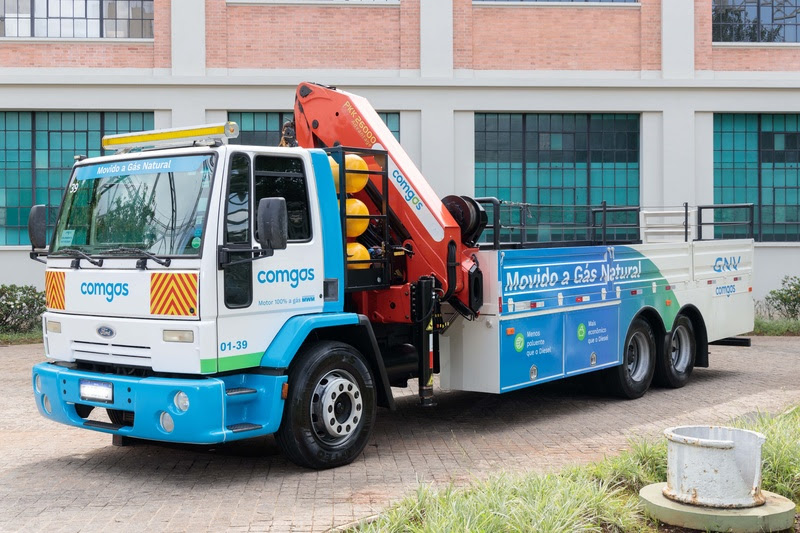
Alternative Fuels Are More Economical and Produce Less Greenhouse Gas Emissions Than Traditional Vehicles.
The largest Brazilian distributor of piped natural gas, Comgás, converted one of its diesel-powered trucks to run only on compressed natural gas – CNG. Tupy MWM replaced the device, and the truck will be used in the operations and services of the distributor in the capital city of São Paulo.
By switching from diesel to CNG, greenhouse gas emissions, such as carbon dioxide, are reduced by 20 to 25% (carbon dioxide). Reductions of over 90% in local pollutant and particulate matter production are possible. In addition, the so-called “black smoke” produced by diesel-powered vehicles is practically eradicated by those using natural gas.
Understand a Bit About the Consumption and Market for CNG-Powered Trucks in Brazil


The CNG engine is not only more environmentally friendly, but it also has significantly lower operational costs than the diesel engine. According to Guilherme Santana Freitas, CNG director at Comgás, “gas offers many benefits, such as a reduction of 10 to 15% in the cost per kilometer compared to diesel; ease of maintenance, as 85% of the components are similar to those used in conventional engines; quick refueling; and 20% less noise than a diesel engine.”
-
Engineers propose a fourth traffic light for intersections – the change promises to affect crossings, queues, and waiting times.

-
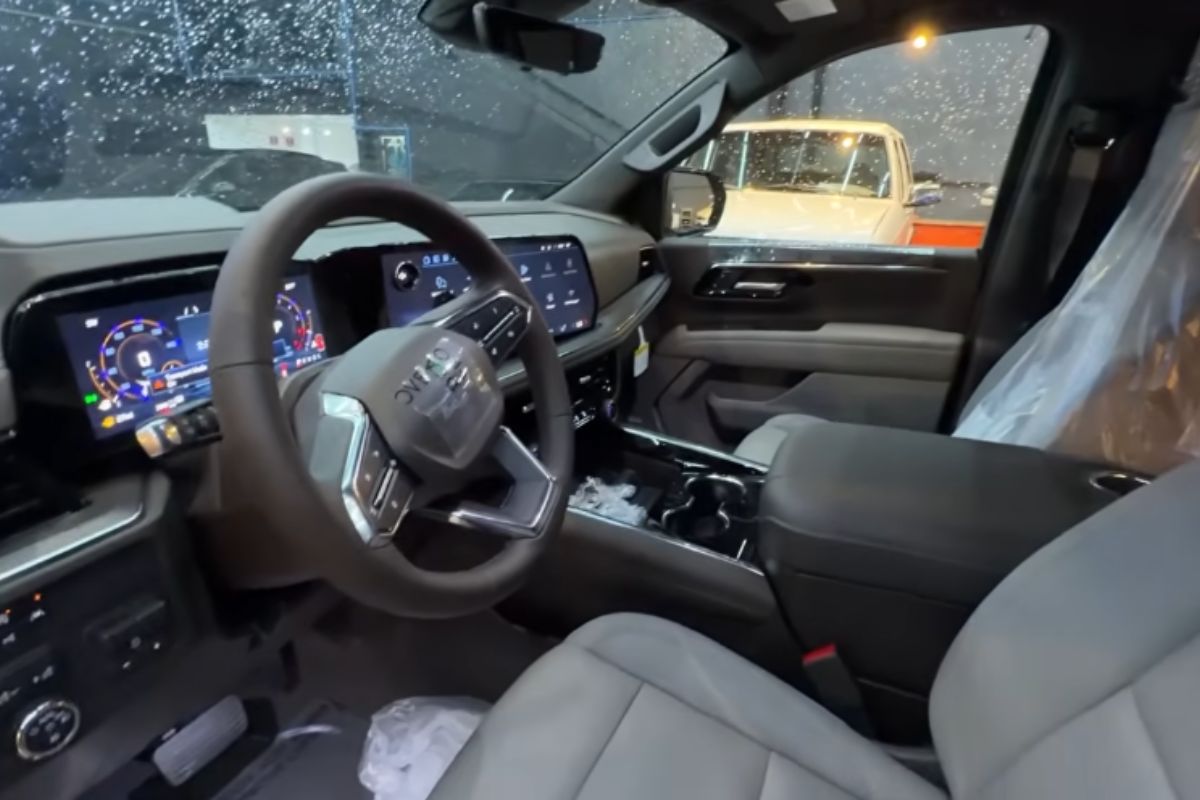
Chevrolet Suburban Z71 lands in Brazil with a V8 engine, off-road design, air suspension, seven seats, and colossal size, a rare version imported for around R$ 1.3 million with luxury and exclusivity.
-
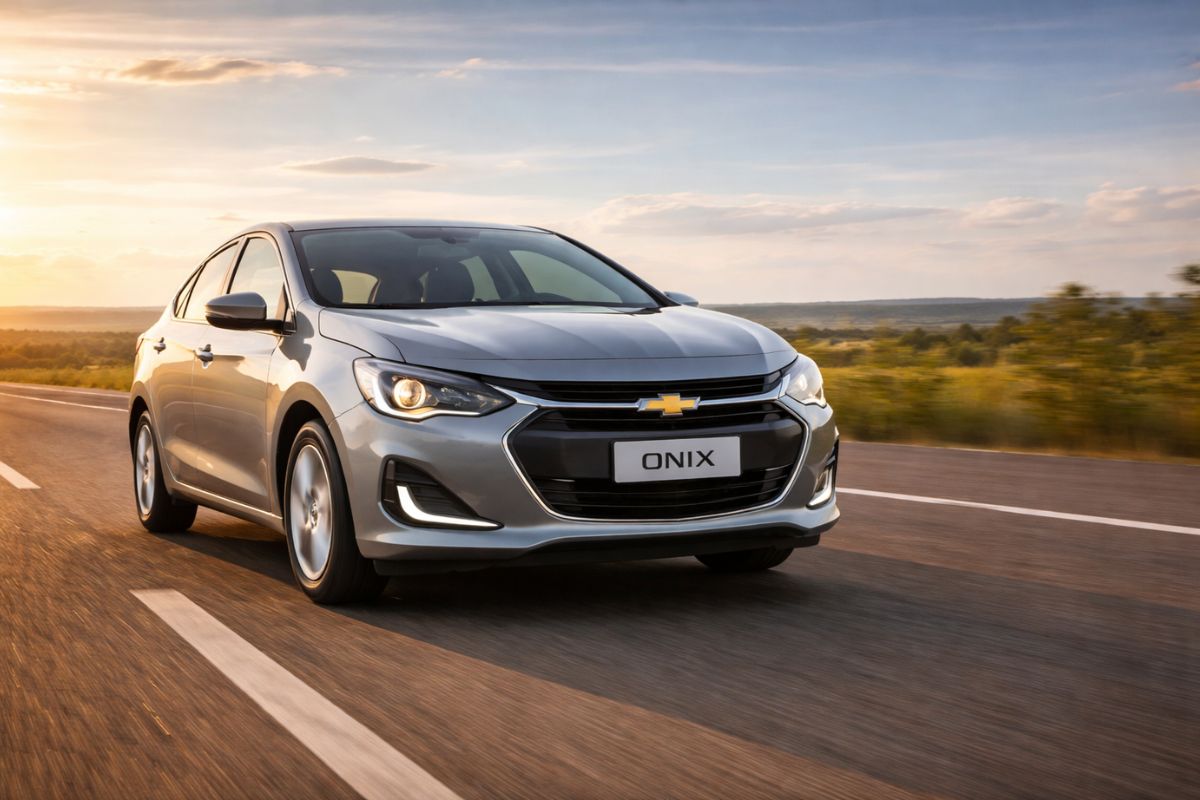
The Chevrolet Onix 1.0 turbo achieves 17.7 km per liter on the highway and ranks among the three most economical cars in Brazil in 2026, alongside two more expensive Toyota hybrids available at dealerships.
-
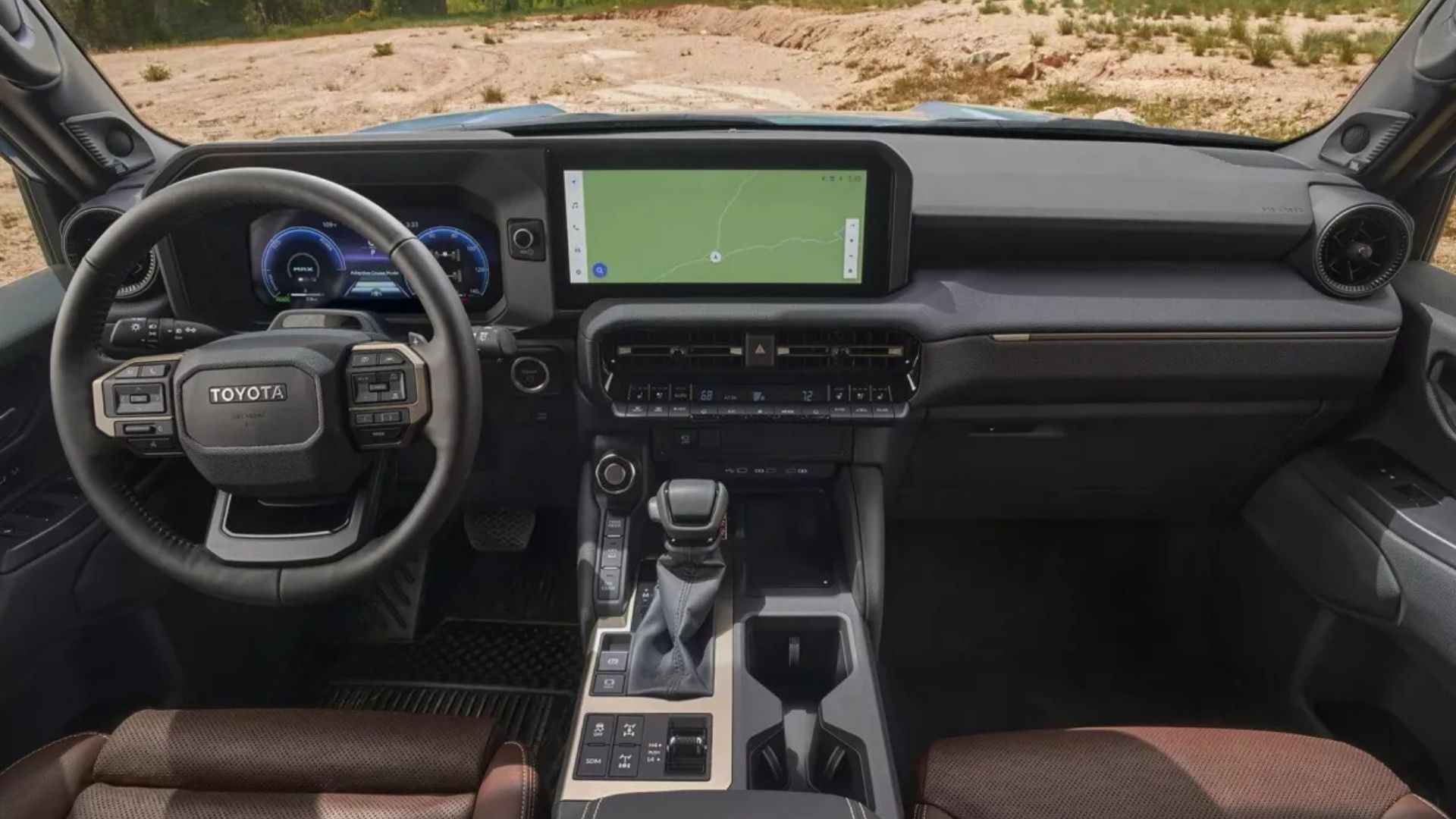
Little sister of the Hilux: Toyota launches Land Cruiser FJ with 4 radical versions, 2.7 engine with 166 hp and 4×4 traction with locking.

To meet the needs of the medium-duty vehicle market, diesel engines are being replaced by alternatives fully powered by gas. A new engine with the same power and torque as the old one was installed, along with the rest of the gas system and CNG documentation, included in the delivery.
Comgás conducts logistical studies with industries, transport companies, and carriers to increase the use of gas in trucks and buses, aiming to make routes feasible, generate financial returns, deliver sustainable operations, and reduce greenhouse gas emissions by replacing diesel with gas. Guilherme Santana Freitas highlights that using compressed natural gas (CNG) in trucks is an excellent way to reduce pollution, as there is already an established network of fuel stations and it can lower operational costs per kilometer traveled.
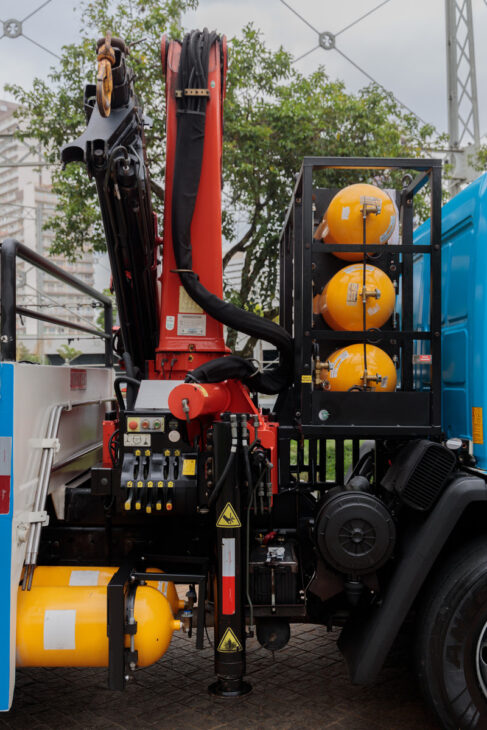
The CEO and President of MWM, José Eduardo Luzzi, stated that the company is always working to provide “complete solutions tied to decarbonization in rural and urban segments” for its business partners. Tupy MWM considers its collaboration with Comgás a significant achievement and a source of great pride. In addition to reducing greenhouse gas emissions, this option also ensures high-quality standards and increases production for clients across a wide range of industries. We have no doubt that this collaboration will be fruitful and have a beneficial impact on the Brazilian transport sector.
About Comgás
Serving the industrial, commercial, residential, and automotive sectors, as well as supporting cogeneration projects and providing gas for thermoelectric installations, Comgás operates a network of natural gas distribution pipelines with over 20,000 kilometers across 94 municipalities. The company’s concession territory in the State of São Paulo includes the Metropolitan Region of São Paulo, the Administrative Region of Campinas, Baixada Santista, and the Paraíba Valley, serving over 2.3 million consumers with constant supply and clock service worldwide, in addition to offering job openings in various areas.
About Tupy MWM
Tupy, a Brazilian multinational focused on research, design, and production of structural components for capital goods, has just acquired MWM, a manufacturer of engines, power generators, and lighting towers. They have been in the market for nearly 60 years, serving a variety of markets in Brazil and exporting to over 45 countries. The company is a leader in contract manufacturing and provides comprehensive decarbonization solutions for rural and urban areas. More than 1,250 locations in Brazil and worldwide make up its well-known and specialized distribution and service network.









Seja o primeiro a reagir!