





 Portuguese
  English
  Spanish
  3 min of reading
  1 comment


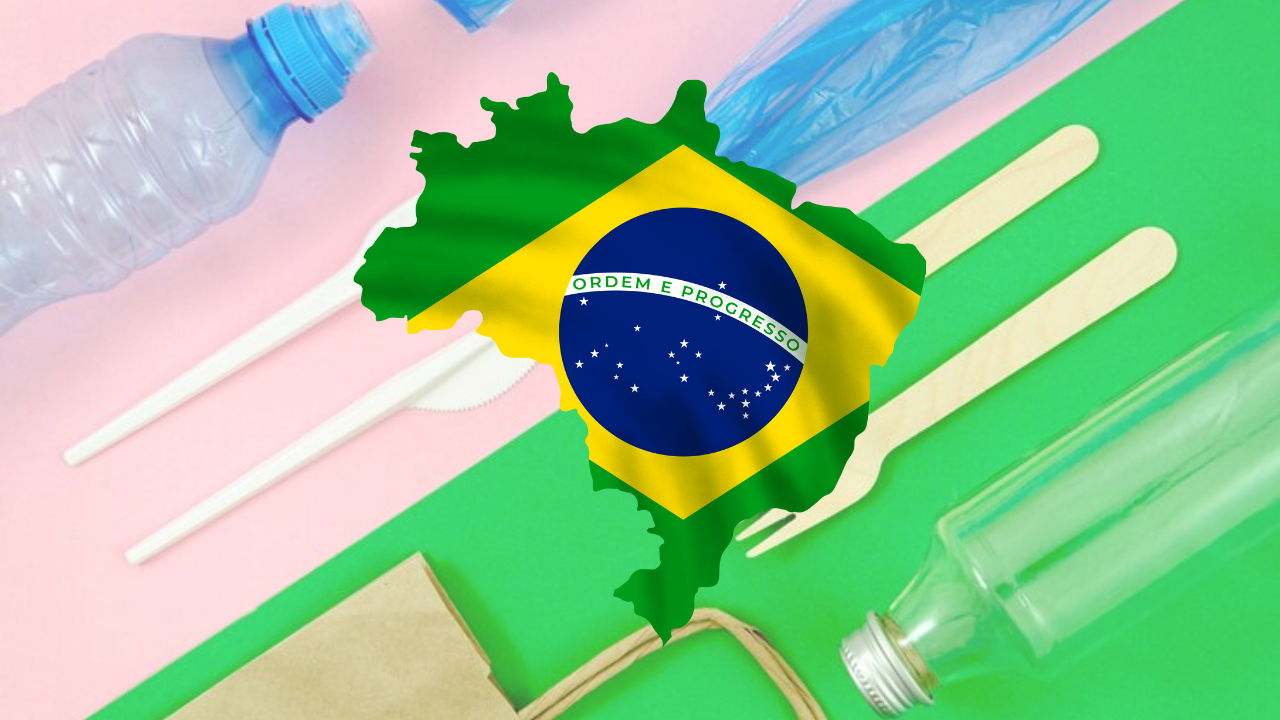


CNPEM Study Reveals That Brazil Could Become a Global Leader in Bioplastics Production from Sugarcane, Boosting the National Economy.
Brazil has the potential to become a global leader in bioplastics, according to a recent study conducted by the National Center for Research in Energy and Materials (CNPEM). The production of bioplastics from sugarcane could put Brazil in a prominent position in the global market for sustainable plastics, utilizing degraded areas for sugarcane cultivation and promoting the reduction of carbon emissions.
The Role of Sugarcane in Bioplastics Production
The study indicates that bio-based polyethylene (bioPE), made from sugarcane, could be an essential material for the world’s transition to a low-carbon economy.
Thayse Hernandes, an agricultural engineer and researcher at the National Laboratory of Biorenewables (LNBR), highlights that the production of bioplastics with sugarcane can replace traditional plastic while maintaining the same properties, allowing Brazil to significantly expand its production of sustainable plastics.
-
Historic bankruptcy of Centauro shocks the market, and the century-old company puts more than 500,000 products, machines, and complete infrastructure up for online auction.
-
New shoe factory in Ceará is expected to create 400 jobs and strengthen the local economy.
-
No one imagined it, but a mixture of sawdust with a mineral that fights fires surprises scientists with a result that changes the course of fire-resistant construction.
-
From empty land to a high-end house, wooden construction uses a lightweight system, metal structure for the foundation, ventilated ceramic cladding, and special windows to create an efficient and comfortable living space throughout the year.

According to the study, Brazil has a vast area available for sugarcane cultivation.
Of the 35.6 million hectares of land that could be used for sugarcane planting, about 3.55 million hectares would be sufficient for bioplastics production without harming biodiversity.
This area could produce approximately 38 million tons of bioplastic annually, which would meet 35% of the current global demand for polyethylene.
The production of bioplastics from sugarcane in Brazil has the potential to be a significant milestone for the plastics industry, with positive impacts on the economy and the environment.
Challenges for Large-Scale Bioplastics Production
Although Brazil has all the conditions to become a leader in bioplastics production, there are significant challenges.
The production of ethanol, the primary raw material for manufacturing bioplastics from sugarcane, needs to be done sustainably.
Bioplastics production in Brazil must be carried out without compromising natural resources and without increasing greenhouse gas emissions.
The production of ethanol from sugarcane is already an important source of renewable energy in Brazil but must be improved to ensure that the resulting bioplastics are truly sustainable.
Thayse Hernandes warns of the importance of maintaining a balance between bioplastics production and environmental preservation.
“The challenge is to produce bioplastics such that sugarcane cultivation for this purpose does not cause negative impacts, such as increased carbon emissions,” says the researcher.
Carbon Mitigation Potential and the Importance of Recycling
Another benefit of producing bioplastics from sugarcane in Brazil is the carbon mitigation potential.
The research shows that if bioplastics production is expanded to 22.2 million hectares of sugarcane, Brazil could sequester about 52 million tons of CO2 annually.
This number represents 12% of Brazil’s energy sector carbon emissions, demonstrating the significant contribution that bioplastics could make to global carbon emission reduction.
However, as bioPE is not biodegradable, efficient recycling is essential. The researcher emphasizes the need to develop more efficient recycling chains so that bioplastics can be effectively reused.
Brazil will need to invest in new recycling processes, such as chemical and biological recycling, which can preserve material quality and reduce the need for new inputs for bioplastics production.
The Future of Bioplastics in Brazil
With an abundance of natural resources and a growing demand for sustainable alternatives, Brazil has the opportunity to lead the global bioplastics market.
The production of bioplastics from sugarcane could be a significant milestone for the plastics industry, helping Brazil become a leader in the production of sustainable plastics and contribute to the reduction of carbon emissions worldwide.






Vai ficar tudo ou pro chinês ou pro americano ou pra Europa,vai ver,brasileiro é o super-homem q voa prá trás. Eo campo de batalha só interessa a vitóriaaaa é vençer e vençer e vençer eu venço sergioguedes vitóriaaaa.