





 Portuguese
  English
  Spanish
  3 min of reading
  0 comments


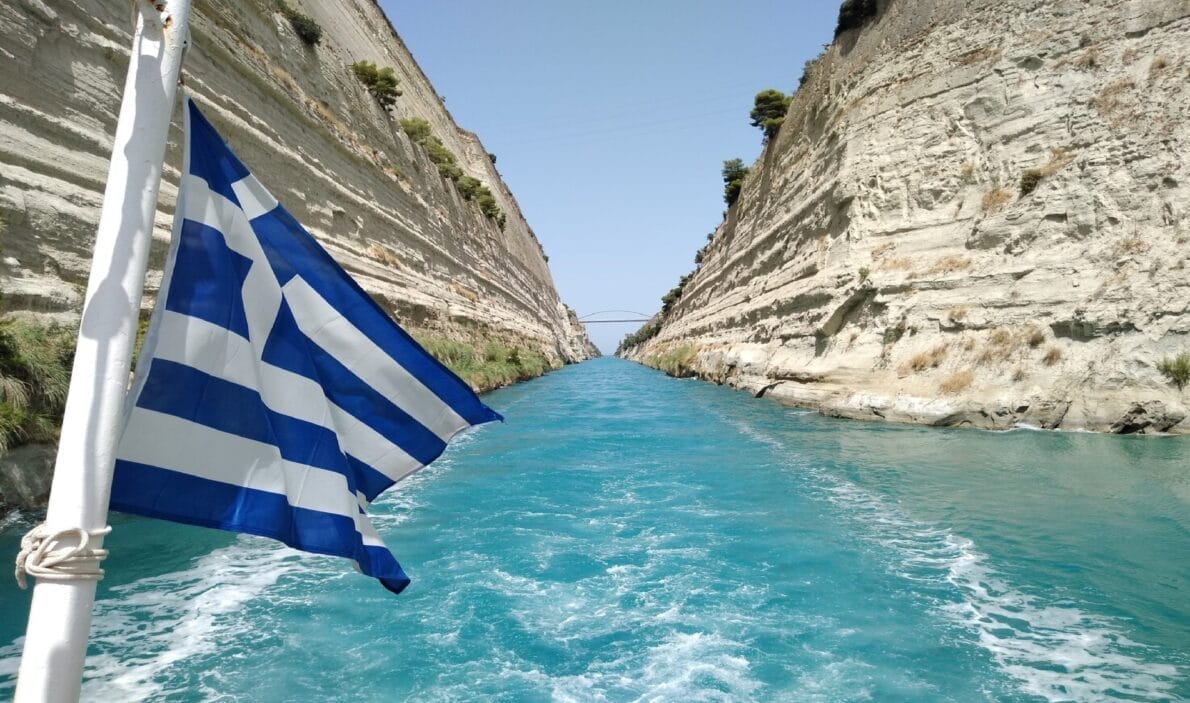
The Wonder of Greek Engineering: History, Challenges and Importance of the Corinth Canal, the Largest Merchant Navy We Have in the World
Greece, a country with a rich maritime tradition, is bordered by the Aegean and Ionian Seas and is filled with islands. This strategic location allowed the country to develop the largest merchant navy in the world. However, the geography of the Peloponnese, a peninsula in southern Greece, presented a significant obstacle to navigation, forcing ships to navigate around the peninsula, adding about 700 km to their journeys, according to a video from the Construction Time channel.
An Ancient Dream in Greece: From the 7th Century BC to the 19th Century
Since the 7th century BC, there have been several attempts to create a passage through the peninsula. The first documented attempt was made by Periander of Corinth, who, due to technical and practical limitations, abandoned the idea and opted for the construction of a paved road, known as “diolkos”. This temporary solution allowed for the transportation of vessels overland.
The Romans, during the 1st century BC, also faced the challenge of crossing the peninsula. Emperor Nero, in 67 AD, even began the construction of a canal, mobilizing 6,000 slaves to dig the earth with swords. The project advanced 800 meters before being abandoned after his death.
-
If the USA were to go to war with Brazil, Washington’s greatest fear would not be the attack itself, but facing a vast territory, prolonged resistance, and a costly, chaotic, and unpredictable occupation.

-
In 2013, Nicaragua sold the concession for a canal to rival Panama to a Chinese billionaire who lost 85% of his fortune, disappeared, and was declared bankrupt. Now the project resurfaces with a new route, a new Chinese partner, and a cost of $64.5 billion.
-
The USA announces a mysterious billion-dollar vault project to store critical minerals, but what intrigues experts is not just the plan itself, but why Latin America, including Brazil, has entered the center of this global dispute against China.

-
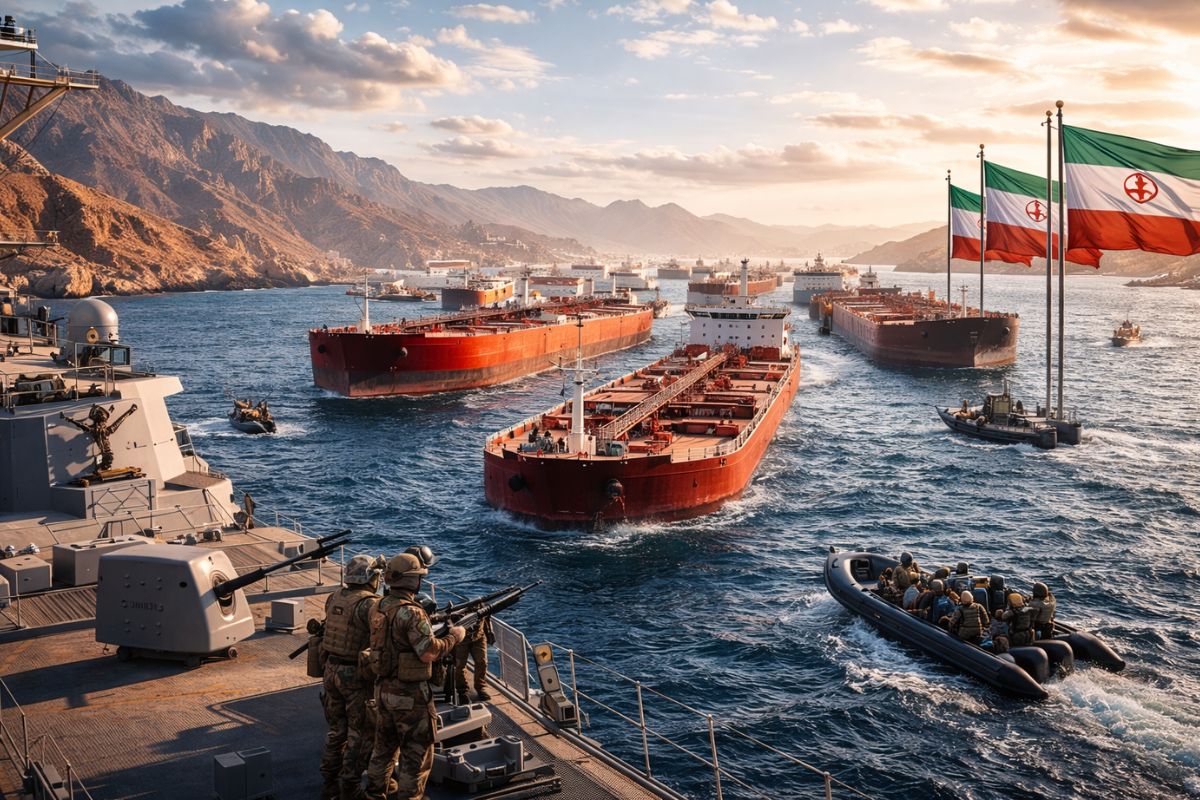
Trump Announces Bombing of U.S. Military Targets on Iranian Island Responsible for About 90% of Iran’s Oil Exports, Warns of Further Attacks if Navigation in Strategic Strait of Hormuz Is Threatened

The Realization of the Corinth Canal and the Birth of the Largest Merchant Navy in the World in Greece
Only in 1830, after Greece’s independence from the Ottoman Empire, did the idea of a canal gain traction again. In 1870, the Greek Prime Minister approved the construction of what would become the largest merchant navy in the world, but financial difficulties halted the project several times. Finally, in 1882, the International Maritime Canal Company of Corinth resumed work, and the canal was completed in July 1893.
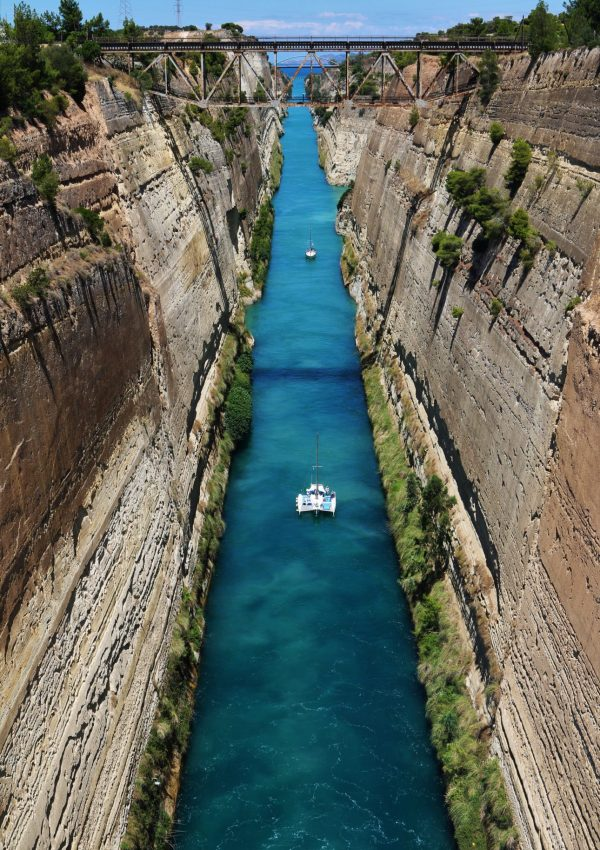
The Corinth Canal is 6.3 km long, 79 meters high, and varies in width between 21 and 25 meters, making navigation challenging for larger vessels. At 8 meters deep, the canal allows for smooth passage for most of the year, although it is restricted to smaller ships due to its limited width. Approximately 8,000 vessels cross the canal annually, mainly during the European summer.
However, the canal of the largest merchant navy in the world faces a persistent problem: landslides caused by seismic activities. Between 1893 and 1940, the canal was closed several times for repairs. The most significant landslide occurred in January 2021, interrupting navigation for several months.
Restoration and Future of the Canal
Despite the challenges, the Corinth Canal is vital for tourism and the local economy. During the European summer of 2022, it was temporarily reopened, allowing the passage of 6,000 vessels. Currently, the canal is closed again for repairs, with a €32 million investment aimed at restoration and prevention of new landslides.
The future of the canal depends on the success of these restoration efforts. Experts question whether the investment will be enough to ensure the safety and functionality of the canal in the long term. The historical and economic importance of the Corinth Canal makes it imperative that it continues to operate, contributing to the prosperity of the region.








Seja o primeiro a reagir!