





 English
  Francês
  Alemão
  Italiano
  Japonês
  Norueguês
  Portuguese
  Spanish
  3 min of reading


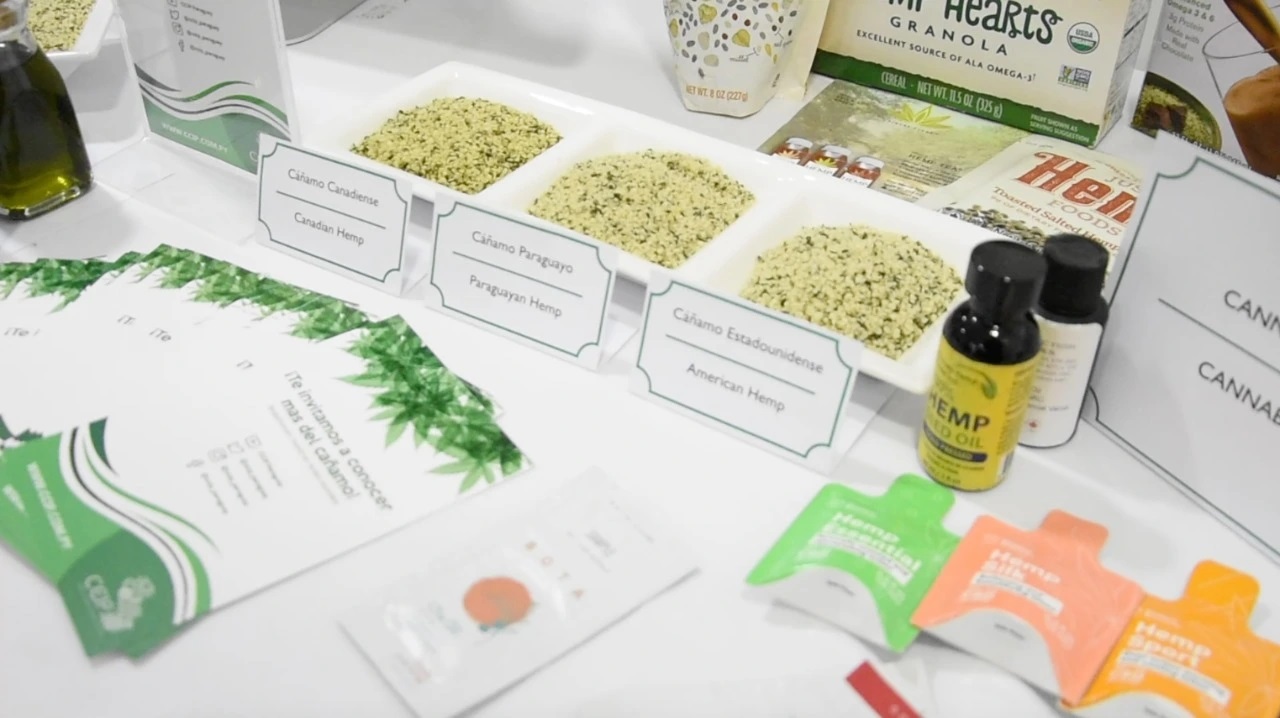
The Use of Industrial Hemp, A Plant of The Same Family as Marijuana, Can Be Used in Several Sectors and Unlock Thousands of New Jobs.
Since the relaxation of consumption and the legalization of marijuana cultivation in several countries, the industry has been flooded by a green wave ranging from oils for cosmetic and medicinal purposes to the recreational use of the herb. Cannabis is raw material for over 5,000 products in 21 different sectors of the economy. Only Hemp Fiber Can Be Used in The Textile, Construction, Food, and Fuel Industries, that is, the regulation of Cannabis opens up space for the expansion of various markets that can generate a lot of money.
Understand What Industrial Hemp Is and How It Is Produced


The use of Industrial Hemp can directly impact the food industry, petrochemical sectors, textile, and especially in the construction sector; industrial hemp is a versatile product that can be explored in various ways.
With this in mind, Remedri, a Brazilian pharmaceutical company aiming to generate quality of life through access to products, education, and services related to medicinal cannabis, pointed out dozens of uses for the plant.
-
Antarctica reveals an unusual clue high in the Hudson Mountains, and what appeared to be just an isolated rock began to expose a secret hidden under the ice for ages.

-
Salaries of up to R$ 25,000, a shortage of professionals, and exploding demand in 2026 make the no-code automation specialist one of the most sought-after careers in Brazil, even without requiring a degree or programming knowledge.

-
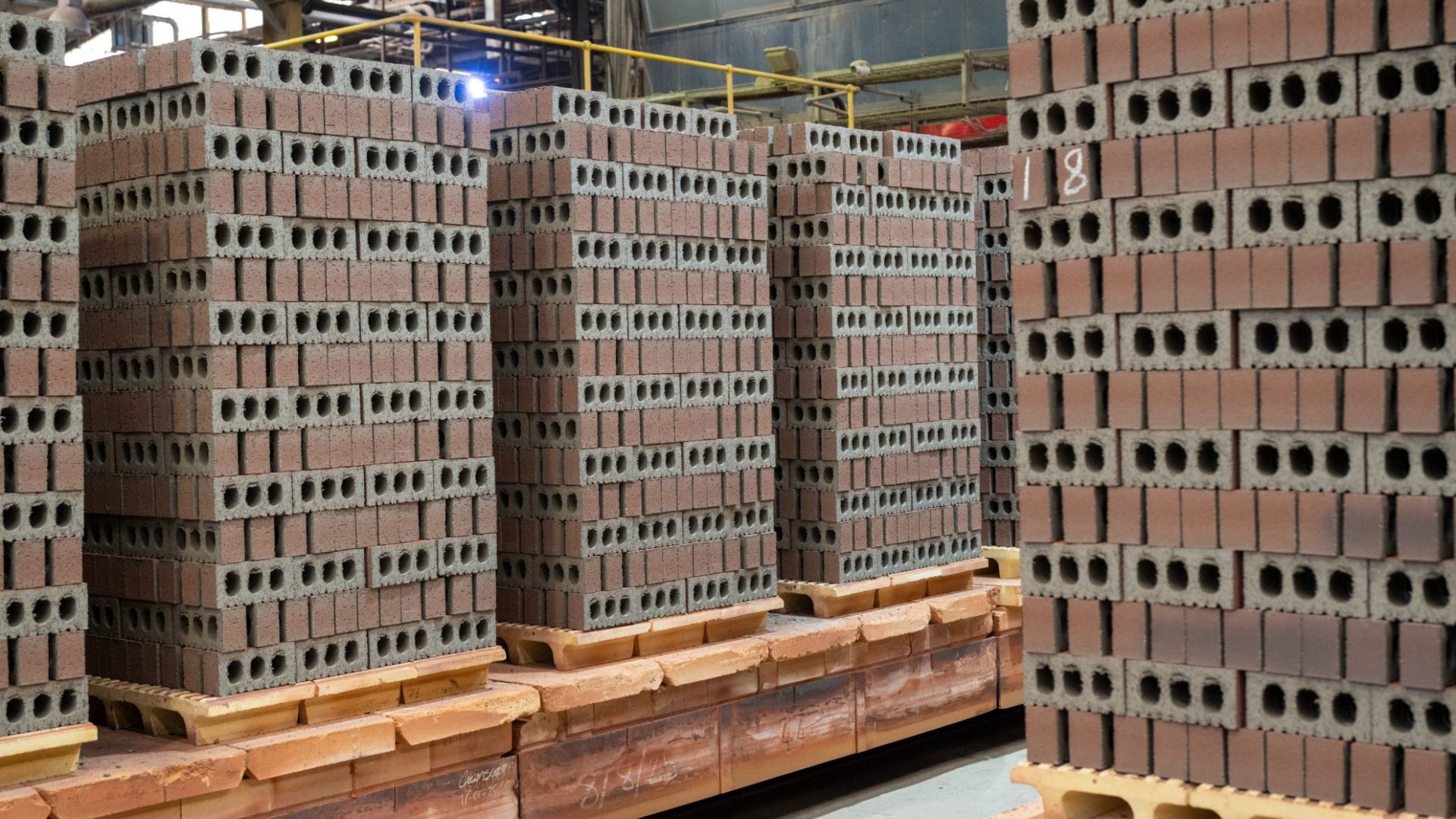
The first commercial-scale hydrogen-powered brick factory will be established.
-
Goodbye to the noisy exhaust fan: silent and smart technology transforms modern kitchens with more comfort, design, and efficiency in everyday life.


The fiber obtained from this plant holds significant industrial value. With an easy adaptation to extreme climate conditions, hemp does not need pesticides, requiring only fertilization and reacting well to fertilization.
The technique for developing products based on industrial hemp is simple and expands practically without maintenance work, which is positive and economically practical. When legalized, industrial hemp can be used as raw material in the production of biofuels, resins, oil, textiles, beer, paper, food, plastic, cords, among others.
Uses of Industrial Hemp
The Hemp Seed has high nutritional value and provides a large amount of protein, containing all 20 amino acids, healthy fatty acids, omega-6, and omega-3. Additionally, the plant from the marijuana family is rich in fiber, phosphorus, iron, calcium, potassium, zinc, vitamin E, among others.
The Hemp Oil, which is obtained from the cold pressing of seeds, can be used in cooking and can also be used for producing cosmetics, body lotions, soaps, creams, and shampoos. Hemp fabric can be used in all ways by the textile industry, that is, in the production of clothing, carpets, and ropes.
The Industrial Hemp can also be used alongside cotton, silk, and other fibers, making it versatile and recyclable. The plant from the marijuana family can also be used as material for construction, being usable for producing bricks and concrete-like material, opening possibilities for sustainable and ecological construction. These materials have as their main benefits insulation since they are fireproof, aid in carbon capture, and are resistant to mold and pests.
There is already evidence that industrial hemp can be used to detoxify the soil, absorbing radiation and heavy metals from the soil, including lead, zinc, arsenic, and cadmium.
Brazilian Market
In 2006, the current Drug Law allowed the cultivation of marijuana for medicinal purposes. In 2011, the Supreme Court recognized the legitimacy of the Marijuana March, and in 2014 the use of cannabidiol for epilepsy treatment was approved.
In 2021, Anvisa approved more cannabis-based products for other conditions. According to the Brazilian Cannabis Industry Association (Abicann), the estimate is that the industry will attract investments of US$ 30 billion and generate 300,000 jobs within ten years, with US$ 15 billion of this concentrated in the medicinal sector.






Seja o primeiro a reagir!