





 Portuguese
  English
  Spanish
  5 min of reading
  117 comments


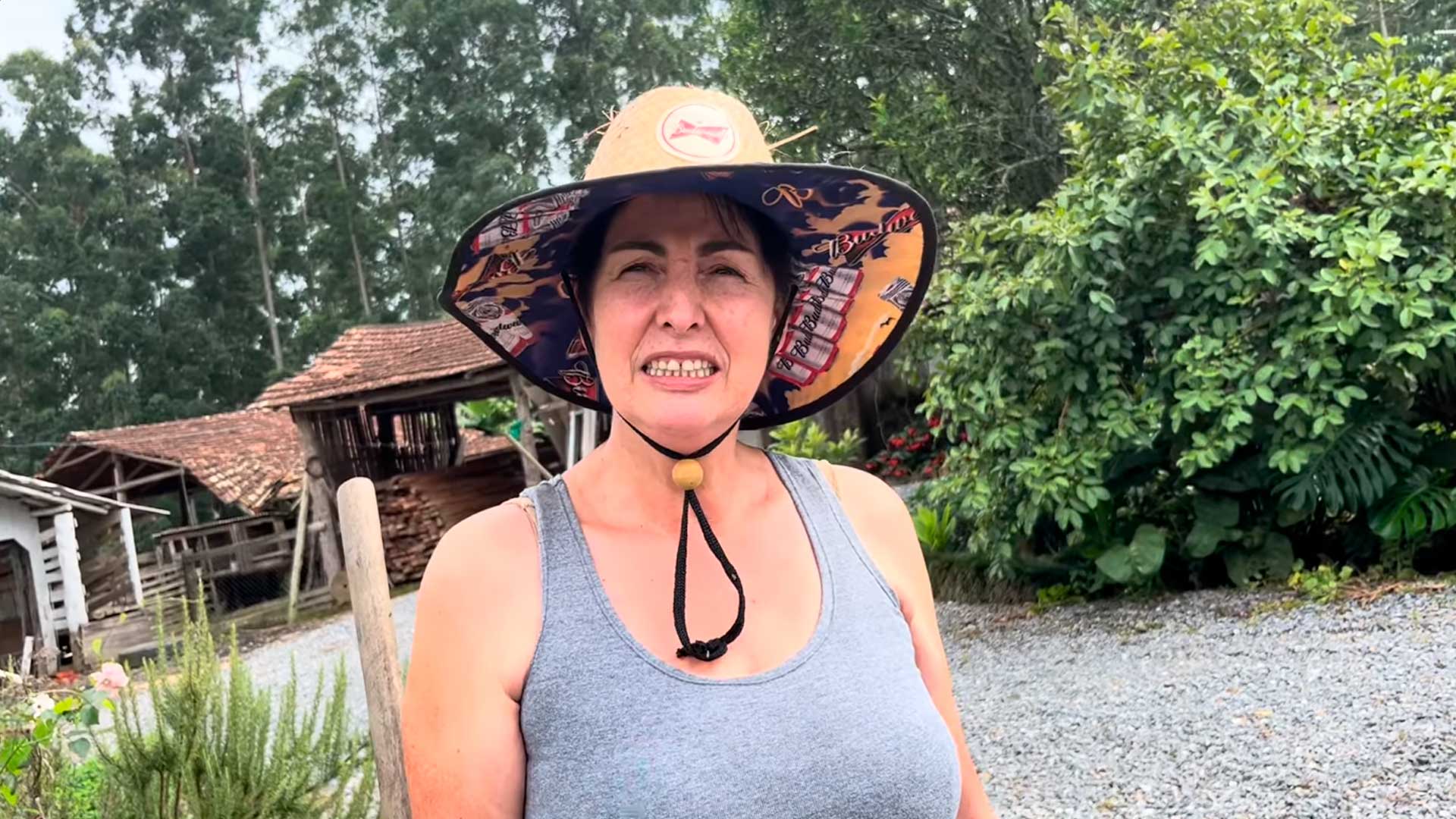


The Seamstress and Former Teacher Shares How She Returned to the Countryside, Maintained Her Own Income, and Began Managing a Farm Alone in the High Valley of Itajaí. In Her Account, She Describes Grief, New Beginnings, and Routine with Planting, Fruits, and a Home Studio. The Story Also Dialogues with the Growing Search for Life in the Countryside and More Autonomy.
The story of Marlene, a former teacher and current seamstress, gained attention after appearing in a video on the jj88 channel, recorded in the countryside of Ituporanga, Santa Catarina, where she showcases her property and explains why she chose to live in the countryside.
In her testimony, she states that she takes care of about 13 hectares, maintains cultivation areas and a yard with various fruits, and uses her own experience to decide the timing for planting, pruning, and harvesting.
In addition to her work on the land, Marlene says she supports her routine with custom sewing, serving clients who come to the farm, something she attributes to internet reach and word of mouth in the region.
-
With more than 635,000 doctors, Brazil sees competition increasing in large cities, and recent graduates are competing for shifts at an accelerated pace while the countryside still faces shortages.

-
The world’s first octopus farm wants to open in the Canary Islands and is already provoking an international reaction: the plan aims to produce 3,000 tons per year.

-
Drought may be creating stronger superbugs in the soil and helping antibiotic resistance reach hospitals, warns a study highlighting a problem that could grow alongside extreme weather.

-
The biggest scam in history: Napoleon’s France deceived the United States by selling them a territory that was Spanish.


Her account stands out for combining two themes that usually appear separately, entrepreneurship in the countryside and staying in the field, in a country where urbanization continues to advance and today most of the population lives in urban areas, according to the 2022 Census.
From Childhood Without School to the Public Competitive Exam That Changed Her Life
In the video, Marlene shares that she was born in the countryside and did not attend school during her childhood, learning at home to read, write, and perform basic operations. She credits part of her knowledge to her father’s habit of bringing newspapers and magazines, even old ones, for her to read.
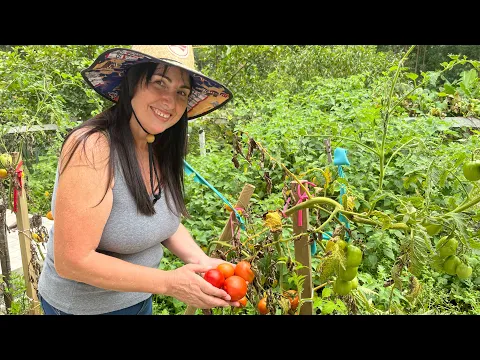

She also reports that she started early to handle practical responsibilities, such as sewing and working on farm tasks, and mentions that she even drove a truck at a young age. Later on, she states that she completed training to teach and worked as a teacher for about 20 years.
Another central point of her account is her approval in the competitive exam on the first attempt, something she describes as a turning point because she entered the classroom to teach, not as a student.
Grief, The Return to the Farm, and The Decision to Manage the Property
Marlene says she got married and had two children, and that the family faced losses in agriculture before moving to a more urban area, where she began working with sewing. Over time, she recounts that her husband wanted to return to the countryside, and the couple bought the land where she lives today.
The definitive move occurs after a series of difficult events. In the video, she recounts her husband’s sudden death and states that from then on, she needed to reorganize her life, return to the farm, and assume the routine alone, including making improvements to the house.

Custom Sewing and Income at Home in a Studio in the Countryside
The most unusual part of her story is how she describes generating income without leaving the countryside. Marlene states that she set up a workspace at home, with machines and materials, to produce custom pieces as well as items for bed, table, and bath.
In her account, she mentions that she is not dependent on clocking in, defines her own hours, and receives clients at the farm, highlighting that visibility has increased with the internet. This logic rests on a simple point, the service goes to where the person is, and not the other way around, in her view.
She also mentions themed work related to regional festivals, such as making costumes for local events, and describes how she develops designs and costume proposals according to the identity of each festival.
The narrative emphasizes a common contrast for those seeking to live in the countryside, which is to reduce travel and fixed costs, while trying to preserve income and autonomy. For Marlene, this balance is part of the reason to stay in the countryside.
Ituporanga and the High Valley Where Agriculture Still Sets the Pace
The scenery also helps explain why rural life remains strong in the region. Ituporanga is part of the High Valley of Itajaí and is known for agricultural production, particularly onions, according to institutional information from the municipality itself.
IBGE data indicate that Ituporanga had 26,525 inhabitants in the 2022 Census, with an estimated 28,461 in 2025, marking it as a medium-sized city by Santa Catarina’s interior standards. (IBGE)
The onion supply chain is considered strategic in the High Valley, and Epagri maintains an experimental station in Ituporanga focused on technologies for the crop, showcasing how research and agriculture coexist in the regional daily life.
Why the Countryside Has Returned to the Radar of City Dwellers
Marlene’s story comes at a time when curiosity about how to live in the countryside without giving up income, connectivity, and basic services is growing. The topic gains strength especially when accounts combine quality of life, home-grown food, and self-employment.
In the video, Marlene argues that cultivating part of one’s food, avoiding chemical inputs, and having daily contact with nature brings a sense of well-being that she finds difficult to purchase. She also describes a routine of caring for the orchard, pruning, and harvesting throughout the year.
The content is not a manual for rural living but serves as a portrait of a specific profile, someone who already had practical skills, a local network, and a profession that can be practiced from home. Still, the narrative raises an uncomfortable question, is living in the countryside a real alternative or a privilege of the few.
What do you think of this choice? Is it courage and freedom or a romanticization of the countryside that overlooks real difficulties such as access to healthcare, stable income, and isolation? Leave your comment and let us know if you would swap the city for the countryside, and under what conditions it would make sense for you.








Atualmente moro na cidade de Manaus e sou professora. Pretendo morar brevemente no interior.
Viver na roça com qualidade de vida é muito bom.
Na verdade essa sra é muito forte e de uma coragem. Imensa..deixo aqui meus cumprimentos pelos trabalhos que executa..mulher de fibra..com garra pra manter seu lar. Um abração.. Deus a abencoe