





 Portuguese
  English
  Spanish
  3 min of reading
  0 comments


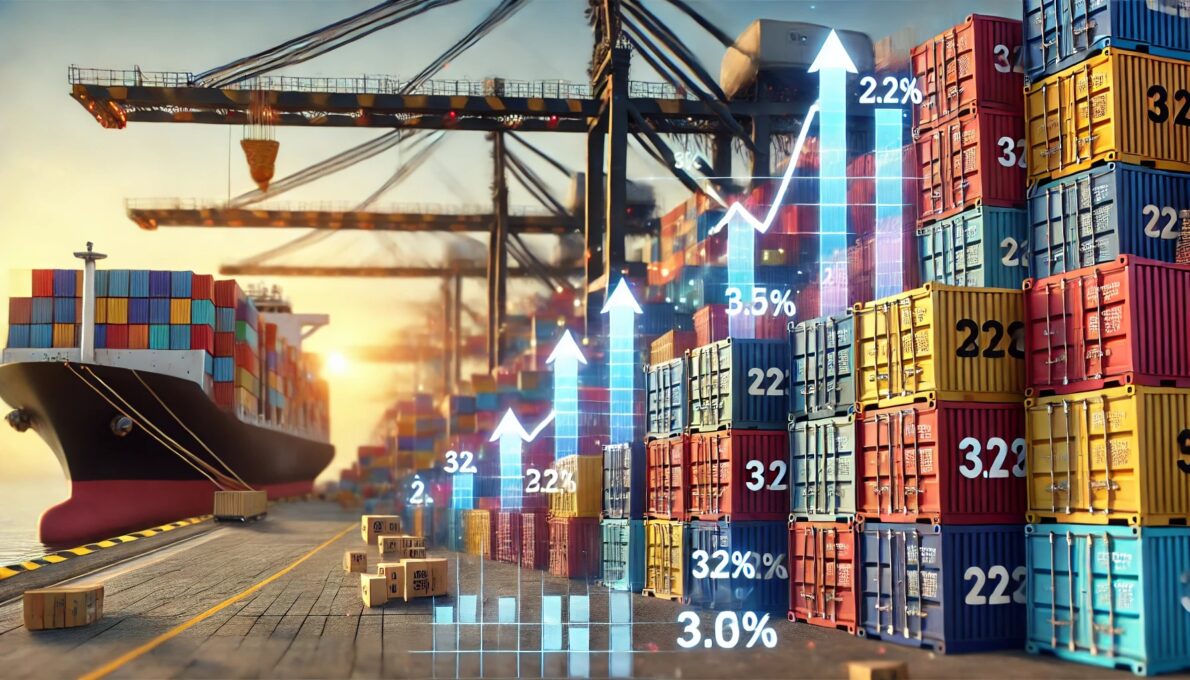
Logistical Chaos in Brazil? Learn How the Rising Container Prices, Arrival of Electric Cars, and Amazon Drought Are Affecting the Country’s Imports and Exports.
Logistical Chaos in Brazil: In 2024, the logistics of the import and export sectors in Brazil face a significant crisis. The main factor behind this chaos is the sharp increase in international freight costs, driven by the rise in container and shipping prices. With these high prices, the circulation of products in the country has been heavily impacted, creating bottlenecks that directly affect the national economy. This scenario is pressuring companies and consumers, raising prices and complicating logistical planning for both incoming and outgoing goods.
Logistical Chaos Makes Freight Almost 8 Times More Expensive
In the last week of September, the freight cost for the China-Brazil route was between US$ 8,500 and US$ 9,000 at Southeast ports. Until March of this year, on average, the price was US$ 1,200 per 40-foot container throughout most of Brazil.
In Manaus, the price increase for containers reached US$ 14,000, with US$ 5,000 attributed to drought fees, purchased by long-distance maritime transport companies to compensate for the limited use of containers due to low water levels in certain ports or rivers.
-
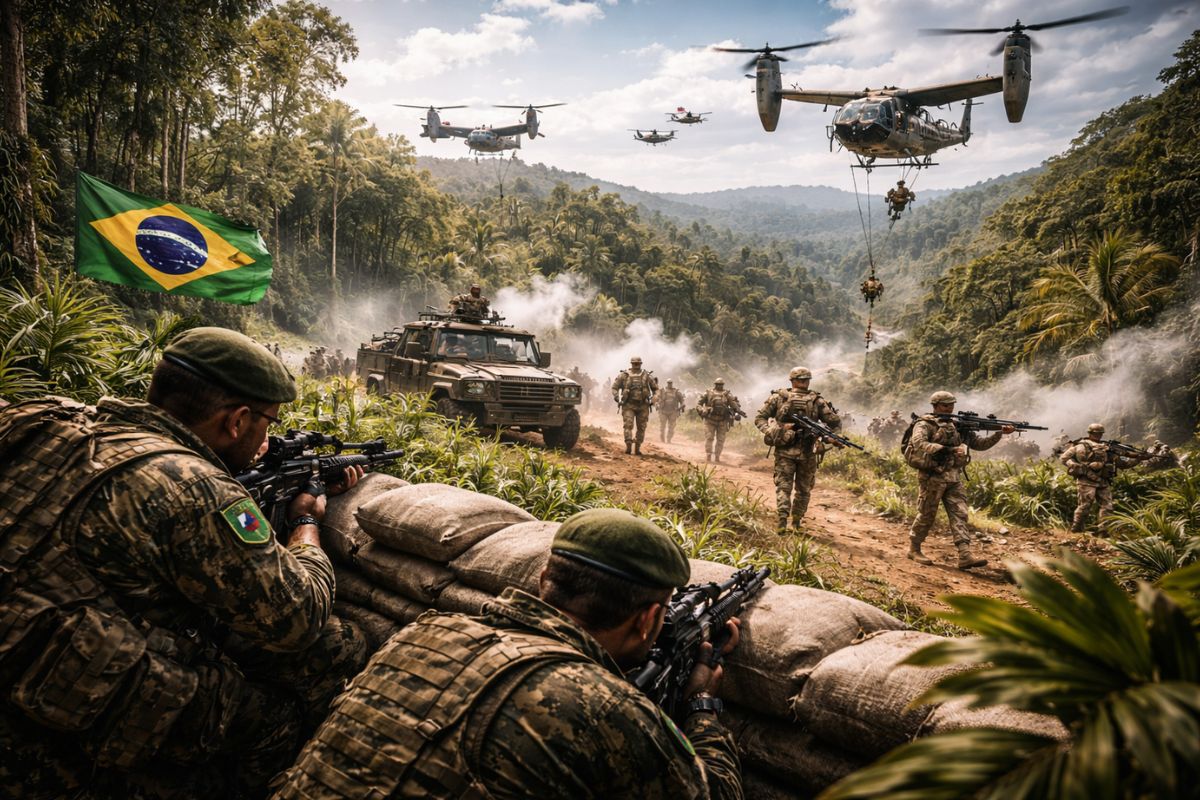
If the USA were to go to war with Brazil, Washington’s greatest fear would not be the attack itself, but facing a vast territory, prolonged resistance, and a costly, chaotic, and unpredictable occupation.
-
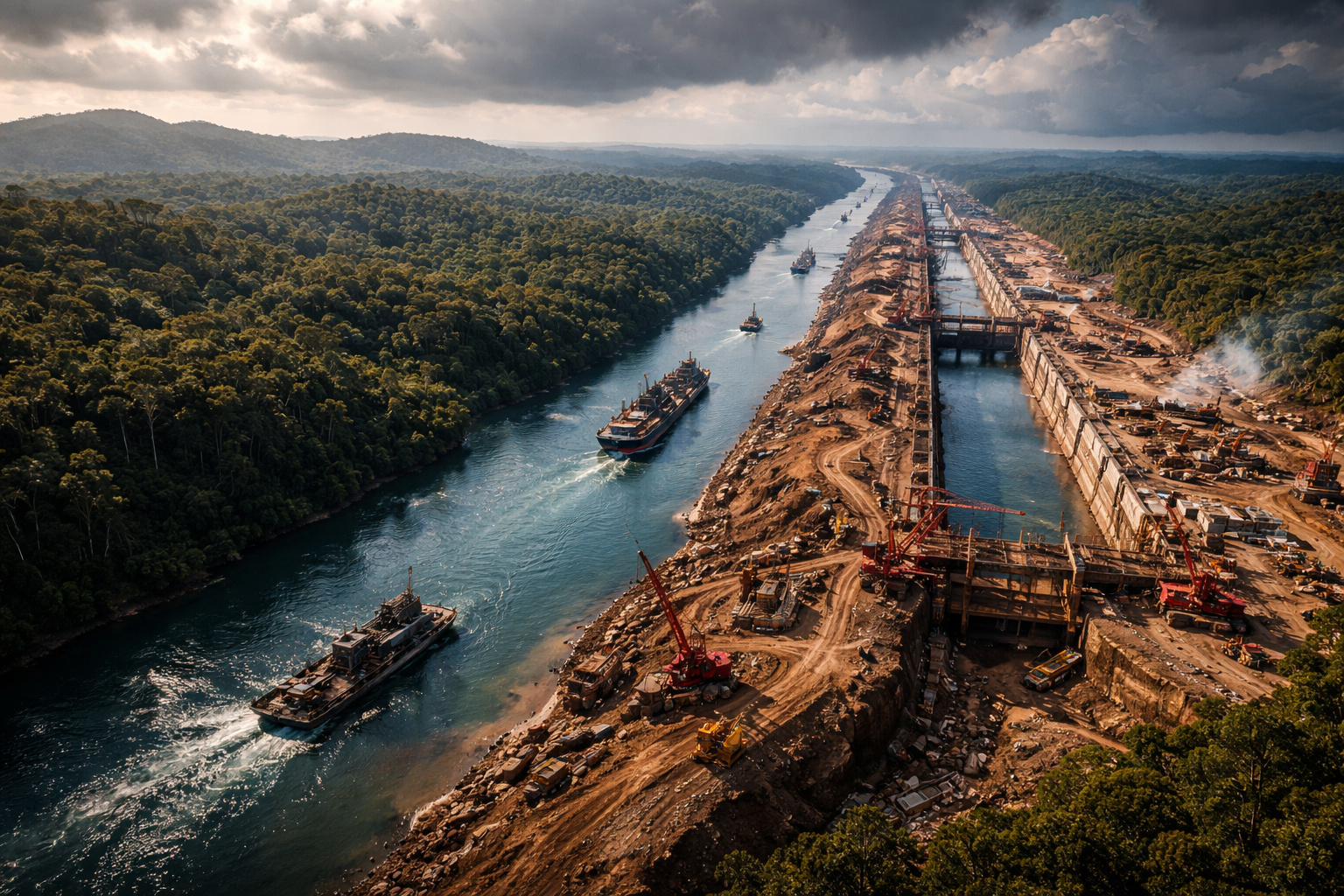
In 2013, Nicaragua sold the concession for a canal to rival Panama to a Chinese billionaire who lost 85% of his fortune, disappeared, and was declared bankrupt. Now the project resurfaces with a new route, a new Chinese partner, and a cost of $64.5 billion.
-
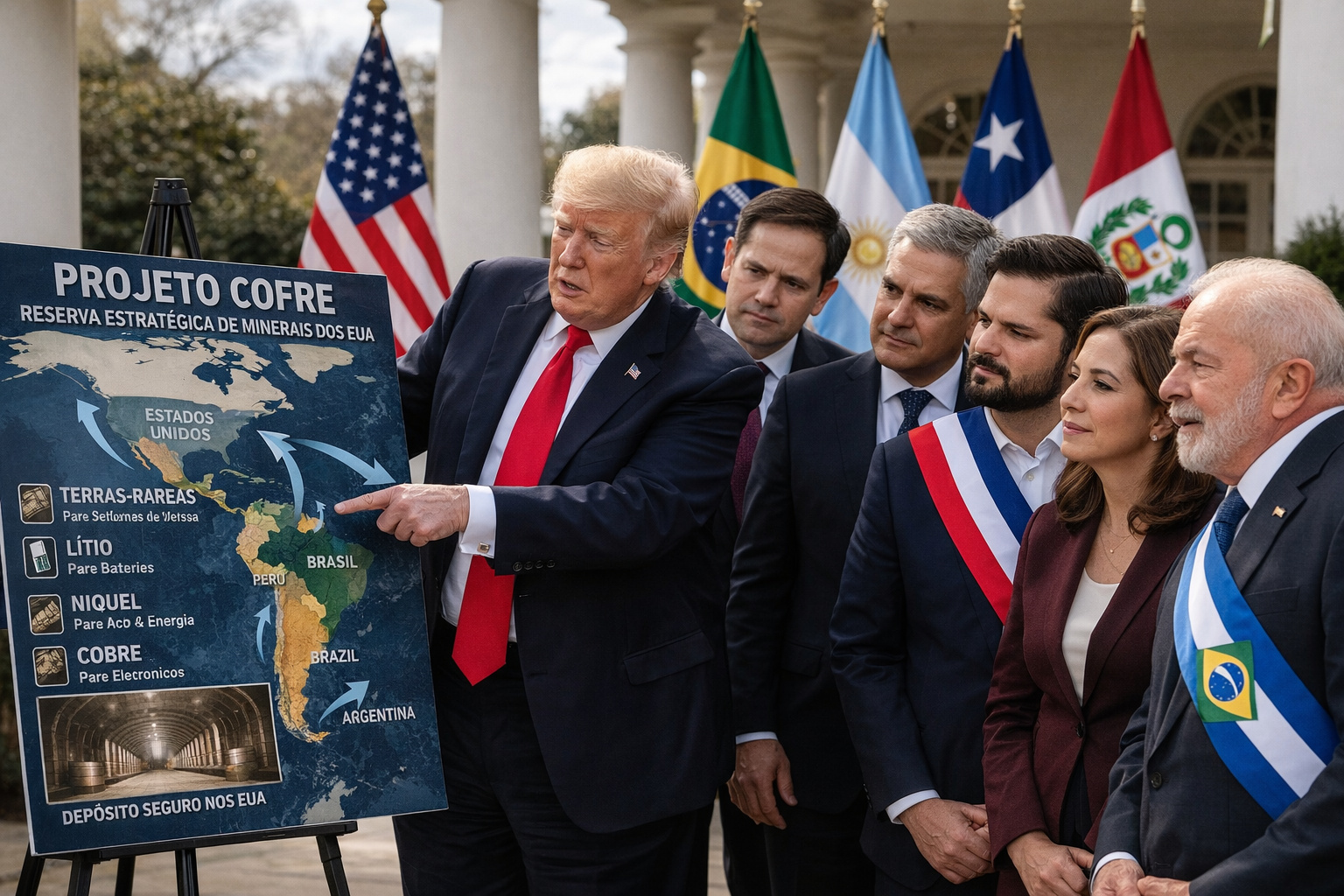
The USA announces a mysterious billion-dollar vault project to store critical minerals, but what intrigues experts is not just the plan itself, but why Latin America, including Brazil, has entered the center of this global dispute against China.
-
Trump Announces Bombing of U.S. Military Targets on Iranian Island Responsible for About 90% of Iran’s Oil Exports, Warns of Further Attacks if Navigation in Strategic Strait of Hormuz Is Threatened

The high cost of freight has created a logistical chaos for importing low-value-added inputs for industries in the Free Trade Zone of Manaus. Costs are accumulating throughout the foreign trade chain.
The logistical bottleneck at the country’s main ports results in an annual loss of R$ 21 billion, according to estimates from the National Center for Transatlantic Navigation (Centronave), which gathers 19 deep-sea shipowners, causing queues of ships waiting to dock and overcrowded warehouses.
To give an idea, one-third of Brazilian soybean exports and 42.5% of total corn shipments last year were shipped through the ports of the Northern Arc, such as Itacoatiara (AM) and Barcarena (PA).
Do Chinese Electric Cars Harm Brazilian Imports and Exports?
The Brazilian logistics chain for imports and exports has been facing problems since the first semester. A massive import of Chinese electric vehicles (EVs) has been affecting port capacity.
In addition to the higher demand this year (a 510% increase in registrations), Chinese manufacturers decided to expedite the shipping of EVs before the 18% increase in the import tax that took effect in July.
The Chinese invasion led to the buildup of a stock of 82,000 EVs. A significant portion entered through the port of Itapoá, in Santa Catarina, which exclusively operates with containers. Each arrival of a ship with an average of 6,000 electric cars, housed in 40-foot containers, impacts the operations of import and export ports, as they occupy large spaces in the terminals.
At the port of Vitória, in Espírito Santo, which traditionally handles large quantities of Chinese electric cars, the lack of space to accommodate the imports in the yard created a logistical chaos harmful to the export of coffee and ornamental rocks.
Geopolitical Imbalance Impacts Exports and Imports
The high price of containers is not just a local problem. There is a list of reasons that, interconnected, interfere with the arrival and departure of global products. For example, there is the blockade of the maritime route between Asia and Northern Europe that began in November 2023 in the Red Sea region, by Houthi rebels from Yemen, which requires a route adjustment for maritime transport in the area.
In the coming days, foreign trade will be calculating the strike for better wages called by the main dockworkers’ union in the United States, starting on Tuesday, October 1, which has closed around 30 American ports from Maine to Texas.








Seja o primeiro a reagir!