





 Portuguese
  English
  Spanish
  3 min of reading
  0 comments


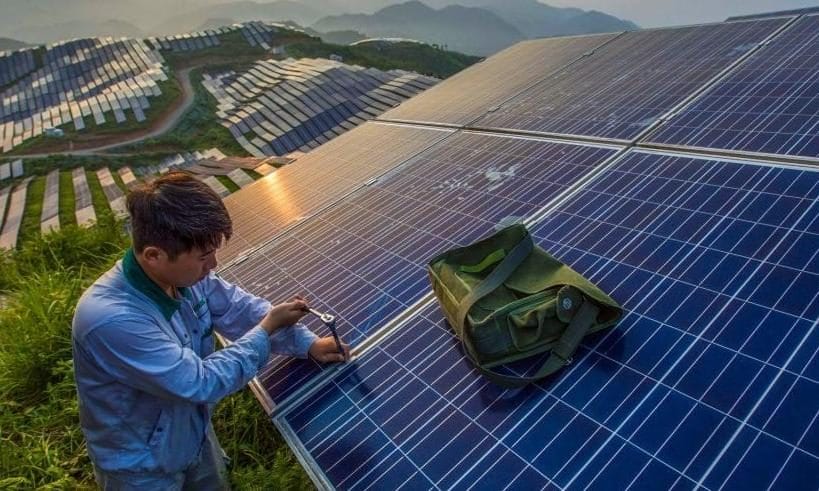
The Solar Energy Industry in China Faces a Crisis: Overproduction, Falling Prices, and Intense Competition. How Will This Affect Manufacturers and the Global Solar Market?
Chinese solar panels are already 60% cheaper than those made in Europe or the United States. Logically, exports continue to rise, but this apparent boom hides a deep demand crisis.
Price Decline and Demand Crisis in Solar Energy
Prices continue to fall. Eight out of ten solar panels sold worldwide are manufactured in China. The components used to make them—such as the silicon in photovoltaic cells—are also Chinese. The entire supply chain is dominated by China. Despite new tariffs imposed by the United States and its allies, exports from the Chinese solar industry continue to rise: they increased by 10% compared to last year. And wholesale prices keep falling: nearly by half in 2023 and another 25% this year.
Fierce Competition Among Manufacturers
Chaos. The apparent boom in the Chinese solar industry hides a deep demand crisis, says an analysis from the New York Times. There are too many manufacturers, and they are immersed in fierce competition. Despite the brutal expansion of Chinese renewables, many driven by the government, there are not enough installations to cover their supply.
-
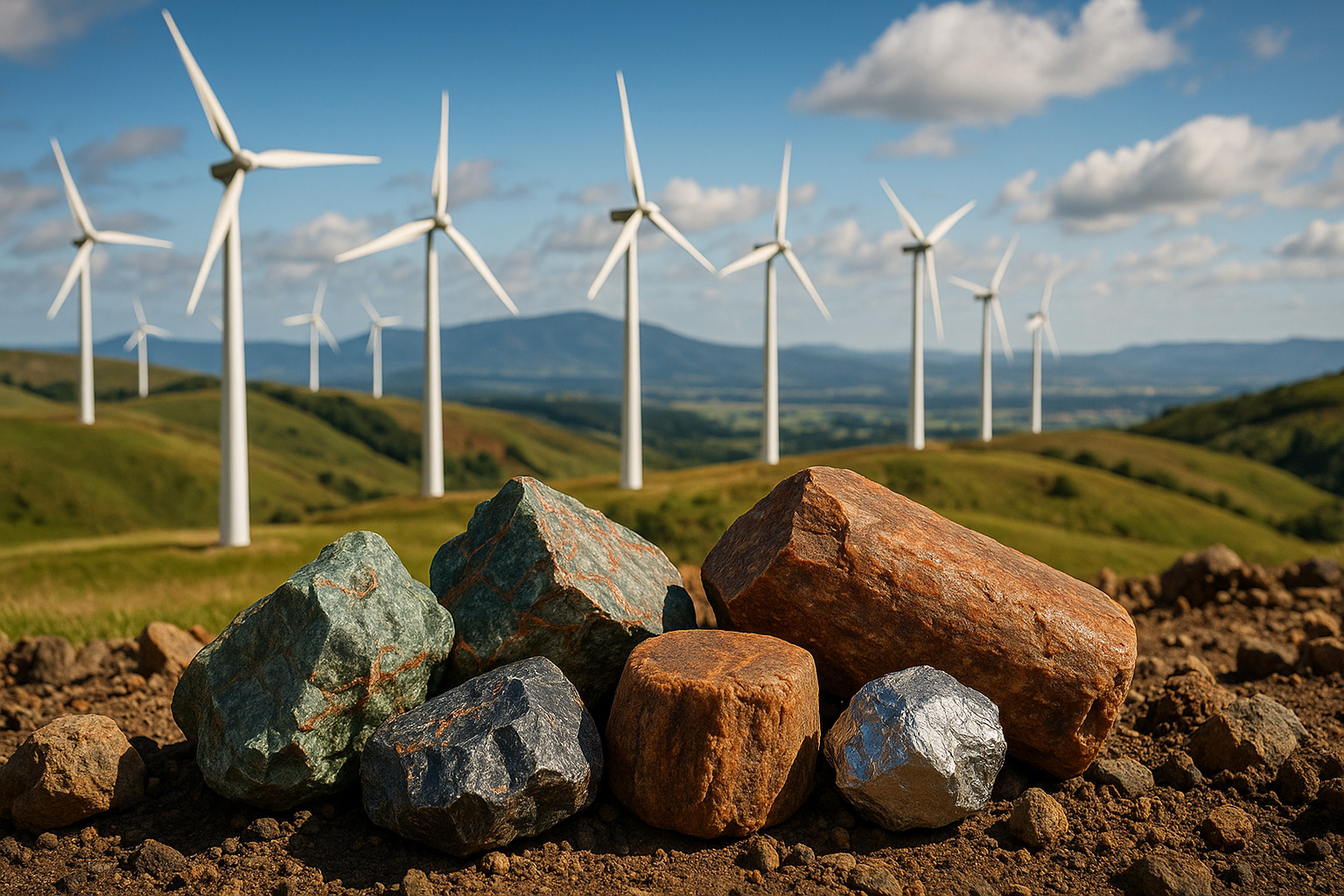
The Brazilian state accelerates industrial competitiveness with a focus on the extraction of strategic minerals to boost the energy transition in Goiás.
-
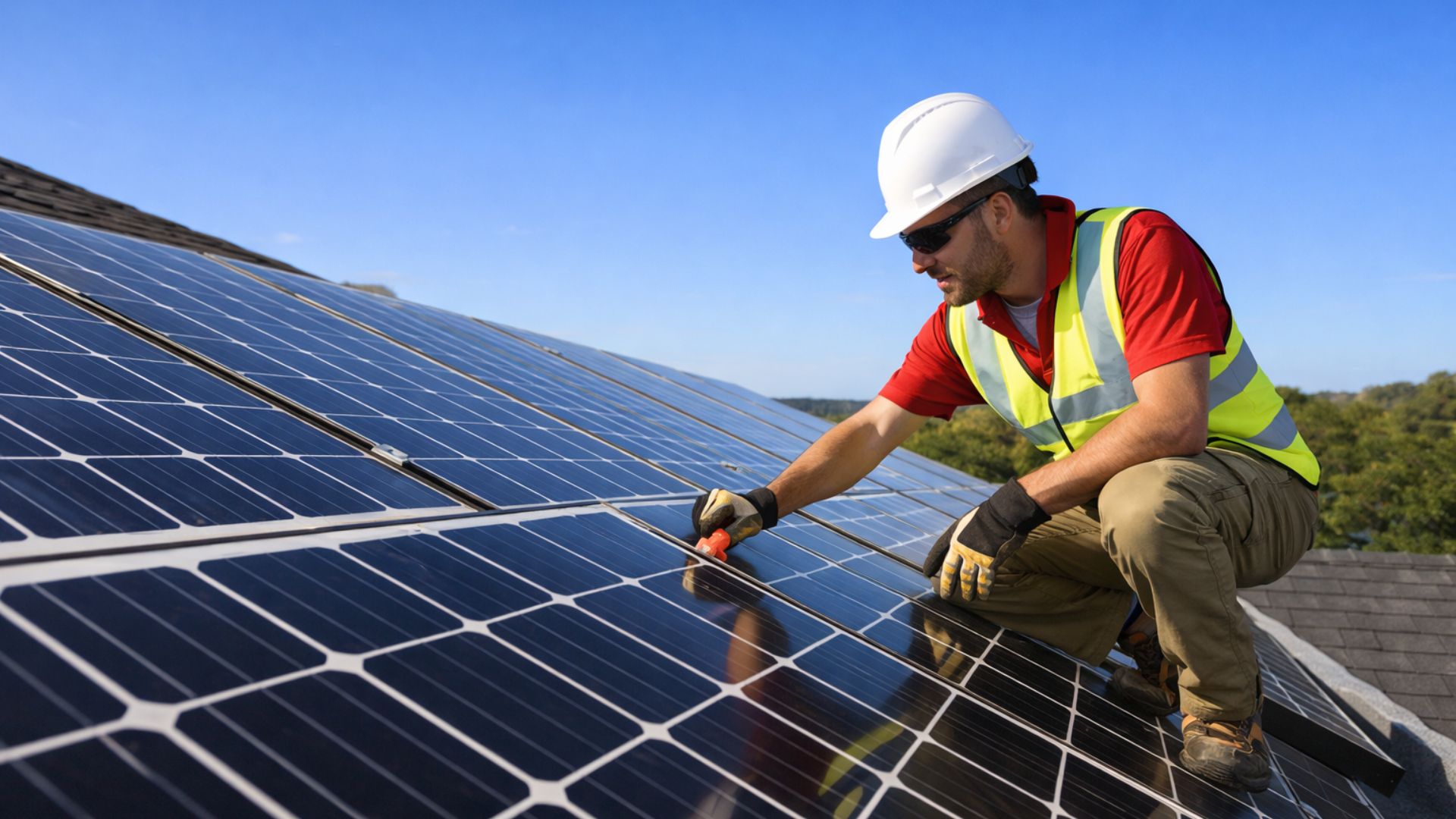
Seagri’s headquarters invests in solar energy with Neoenergia Coelba and promises to cut electricity costs, highlighting a strategic advance in sustainability and energy efficiency within state public administration.
-
A Canadian retiree creates a hydroelectric system on a real river, generating energy continuously throughout the day and demonstrating how the power of water can supply a house with stability even in a simple structure.

-
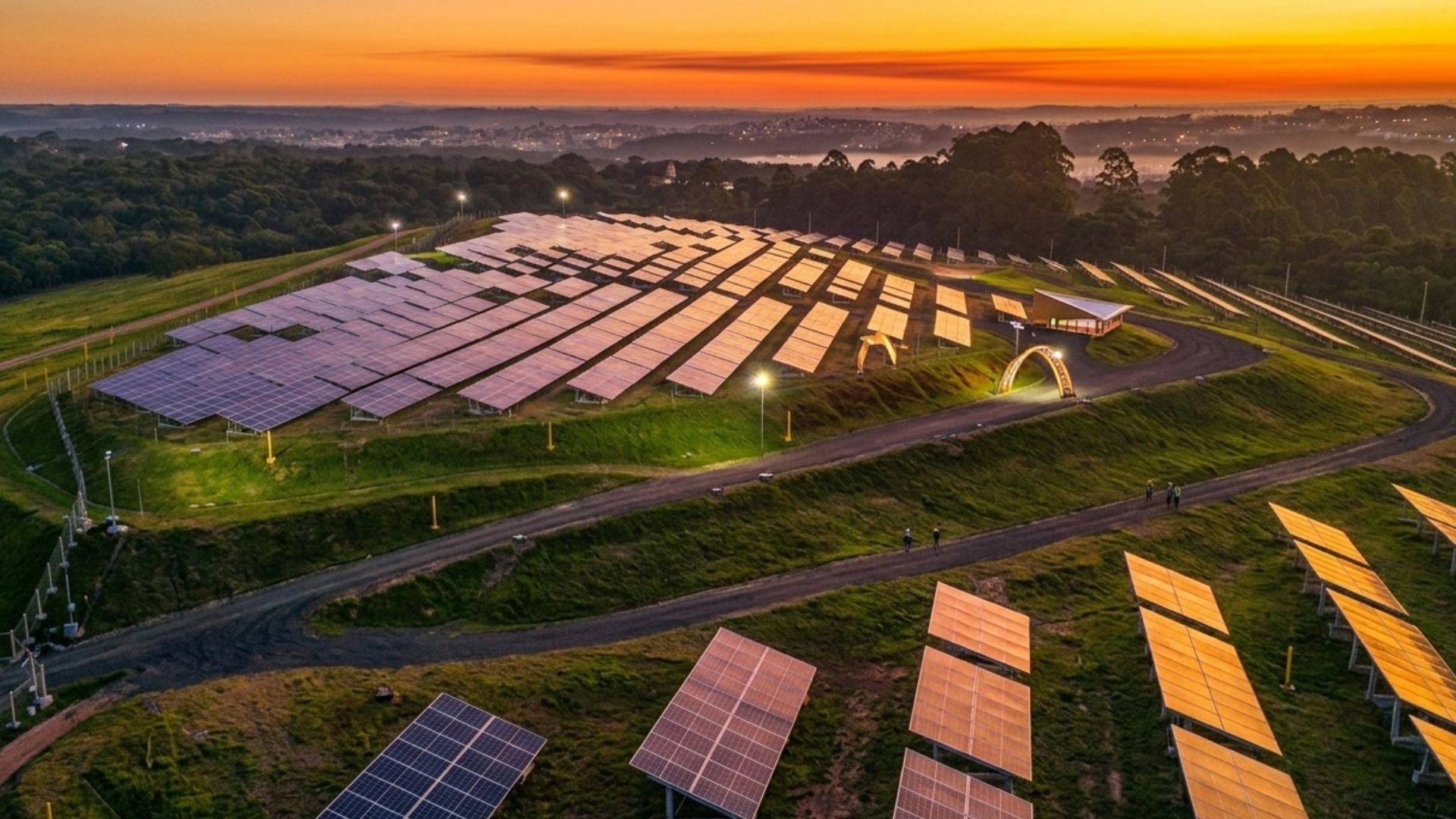
Solar Pyramid draws attention by converting solar energy into million-dollar savings and repositioning the City Hall of Curitiba as an example of innovation, sustainability, and intelligent use of public resources.

At least seven major manufacturers in the Chinese solar industry have reported significant losses for the first half of this year. Half are already selling below costs, and the market value of many is starting to plummet. Despite these losses, many continue to build new factories.
The Effects of State Subsidies
From these rains, these muds. Generous loans from state banks and subsidies from local governments are largely responsible for the current overproduction. Chinese banks, following Beijing’s guidelines, lent so much money to the sector that solar energy companies managed to cut costs to eliminate many competitors. Now, the capacity of China’s solar factories is almost double the global demand.
The Tightening of Funding and Future Challenges for Solar Energy
The tightening of funding. The problems in the Chinese solar energy industry are exacerbated by the disappearance of local subsidies: local governments are running out of money due to an unprecedented real estate crisis that complicates the sale of long-term leases, until now their main source of revenue.
In turn, the Ministry of Industry and Information Technology has issued a preliminary regulation stating that solar energy companies can only borrow 70% of the funds needed to build or expand factories, instead of 80%.
Despite these obstacles, some companies claim that layoffs are just a way to prepare for future expansions and continue building new factories, hoping that the sector will reactivate due to the boom in artificial intelligence and electric vehicles.










Seja o primeiro a reagir!