





 Portuguese
  English
  Spanish
  5 min of reading
  0 comments


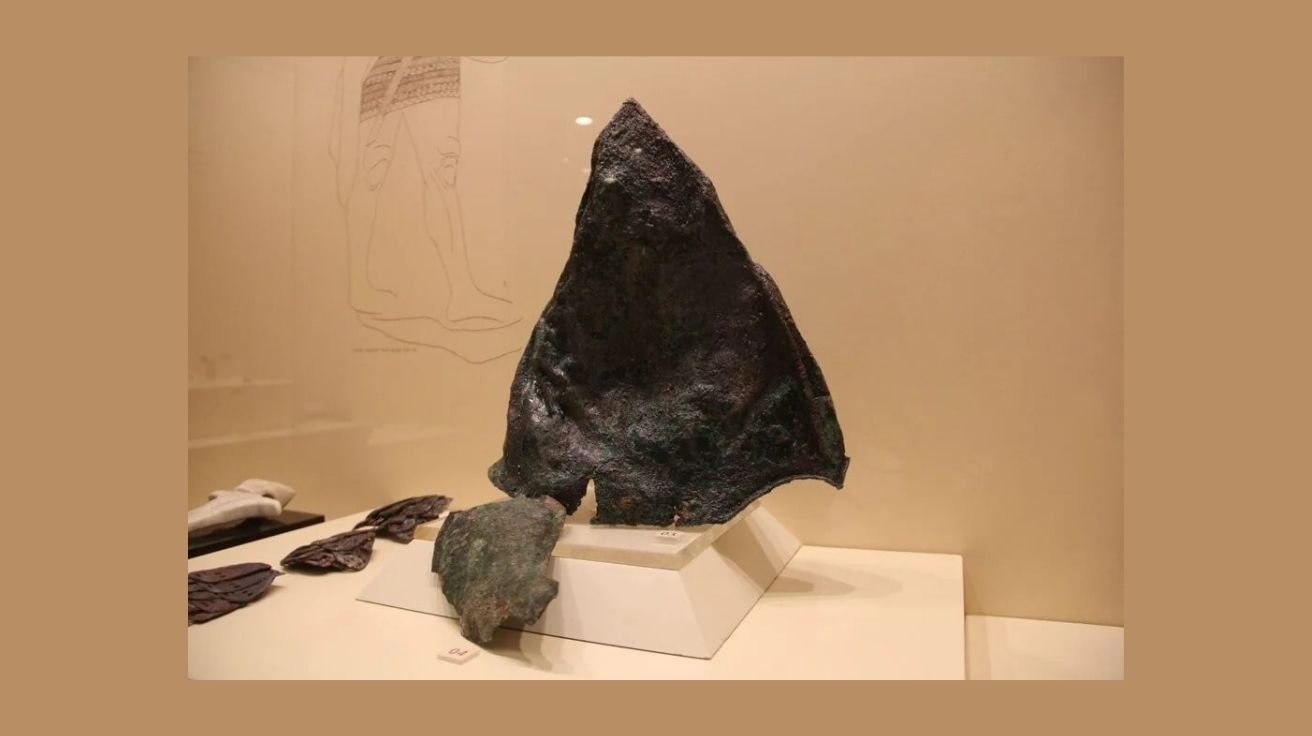
Excavations in Şapinuva, in Central Anatolia, Uncover Bronze Helmet Used in Battles and Religious Rituals of the Powerful Hittite Civilization
An impressive warrior helmet made of bronze, over 3,300 years old, was recently discovered in Şapinuva, central Turkey, and is surprising archaeologists and historians by providing a unique insight into the military and religious aspects of the mysterious Hittite civilization. Found under the rubble of a burned ancient structure, the object was likely used both in combat and in religious ceremonies dedicated to the Storm God, a central deity of the Hittites, according to information from the site ARkeonNews.
The Hittites were an Indo-European civilization that dominated the Anatolian region between the 17th and 12th centuries BC, rivaling great powers of the time such as Egypt and Babylon. Their capital, Hattusa, was known for its monumental architecture and sophisticated administrative system. However, much of their history remained unknown until now, making this recent discovery crucial for better understanding their military and religious practices, as reported by Wikipedia.
Hittite Helmet and Its Dual Function in War and Religion
The discovered helmet features a distinct conical shape, typical of the advanced metallurgy of the Hittites. Its design is not only functional for warfare, with holes for rivets and side flaps that protected cheeks, ears, and neck, but also exhibits clear symbolic traits related to the worship of the Storm God. This suggests a deep connection between religion and military conflict in this ancient society.
-
While the world looks at oil, the war with Iran is already disrupting helium supply from Qatar, affecting car and iPhone chips, threatening AI expansion, and putting pressure on aluminum packaging at the highest value in four years.

-
Global warming will expose a treasure hidden under the ice of Antarctica and may spark an international dispute over gold and valuable minerals.

-
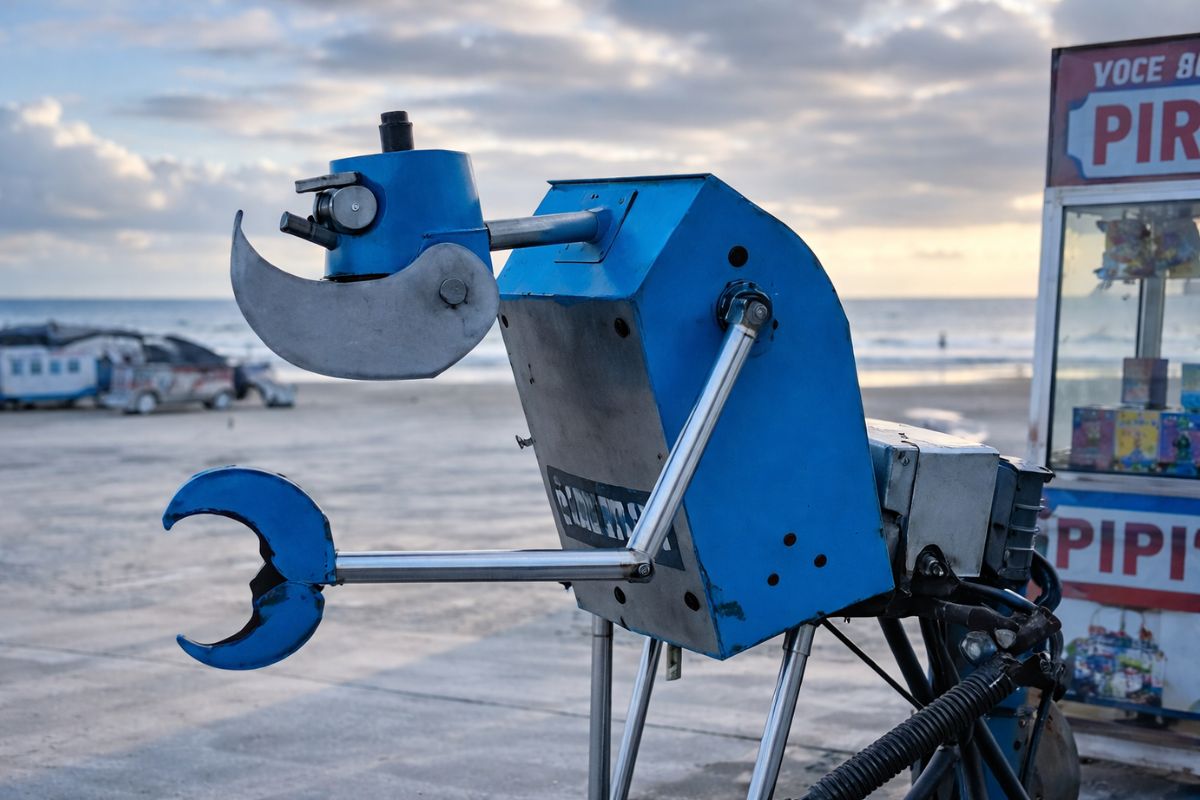
A street vendor from Praia Grande built a robot made of scrap from scooters and washing machines that pulls his popcorn cart on the beach, emits sounds, and interacts with customers, becoming an attraction on the coast of São Paulo.
-
The specifications of the Xiaomi 18 Pro Max have been leaked, and the highlight is a dual 200 MP camera with a new 22-nanometer technology that promises to consume less energy and capture details in shadows and bright areas using LOFIC HDR.




Experts highlight that this type of helmet, known by the Hittite terms “huprushhi” and Hurrian “gur-sip-pi”, frequently appears in representations of soldiers and deities in temples and reliefs such as those famous at the King’s Gate in Hattusa. These pieces, in addition to serving to protect warriors in battle, were considered sacred objects, often offered in religious rituals to ensure divine favor in future battles.
The location where the helmet was found – on a sacrificial bench, inside building D in Şapinuva – reinforces the hypothesis of its religious use. This shows that military objects were also valuable in spiritual contexts, indicating that victory on the battlefield was perceived as a direct result of the protection of the gods, especially the Storm God, who governed war and weather.
Additionally, historical documents mention similar helmets being offered as diplomatic gifts, including those sent by the Hittites to the Egyptian pharaoh, highlighting the symbolic and political value of these objects. This custom demonstrates the cultural prestige that the Hittites enjoyed in the region during the period of their empire, further strengthening the archaeological and historical relevance of the discovery.
Another fascinating aspect of the helmet is the durability of the material used: bronze, which was widely recycled in antiquity due to its value. The fact that this helmet has survived intact to this day, overcoming fires and natural deteriorations over the centuries, is a remarkable testament to the technical expertise of Hittite metallurgists.
Few similar pieces have survived, precisely because they were normally melted down and reused, making this find even more valuable and rare for modern archaeology. The helmet is currently on display at the Çorum Archaeology Museum, attracting researchers and visitors curious about the historical and cultural richness it carries.
The discovery also allows for a revisit of the complexity of the Hittites’ relationship with their deities, clearly indicating that war was not seen merely as a political or economic practice but as an act directly associated with worship and divine protection. In this sense, the helmet transcends the category of military equipment and becomes a key piece for understanding the beliefs and religious practices of the Hittite civilization.
Finally, the find in Şapinuva may still reveal more important details. Archaeologists continue to meticulously analyze the object in the hope of identifying the warrior or priest who used it, better understanding the battles in which it participated, and deciphering the ceremonies that accompanied its ritualistic deposition, enriching our understanding of this lost civilization even further.
The Military and Technological Legacy of the Hittites
The Hittites were notorious innovators in military techniques, especially in the use of chariots, introducing strategies that profoundly shaped warfare at the end of the Bronze Age. The discovery of this helmet, therefore, confirms already known aspects while providing new information on how these technological innovations were implemented in practice by Hittite warriors.
Known for their technological capabilities in advanced metallurgy, the Hittites controlled the trade routes of metals, a fact that guaranteed them significant military superiority over rivals. The bronze helmet exemplifies this superior technological capability, highlighting the mastery of the durable and malleable metal alloy essential for effective war equipment.
Despite the historical belief that the Hittites monopolized the production of iron in the region, recent studies indicate that iron objects were rare and typically derived from meteorites during this period. Thus, bronze remained the primary metal alloy used for armor and weapons, something clearly demonstrated by this recent find.
The casting techniques employed by the Hittites were fundamental to their military power, allowing the large-scale production of standardized and durable equipment. The durability of this specific helmet proves that the metallurgical methods used by the Hittites were among the most advanced of their time, consolidating them as a technological power in the ancient world.
This technical competence also facilitated the territorial expansion of the empire, especially under the reign of the powerful king Šuppiluliuma I, whose government extended over most of Anatolia and northern Mesopotamia. Hittite military innovations were essential for these conquests, particularly highlighted by the light chariot and highly effective defensive armament, exemplified by pieces like the newly discovered helmet.
In addition to their military capabilities, the Hittites also excelled in diplomacy and foreign policy, often using valuable gifts such as helmets and ornate weapons to establish friendly or vassal relationships with powerful neighboring states, including Egypt and Babylon.
These technical advances not only allowed for territorial expansion but also shaped the internal social structure of the Hittites. Military equipment such as this helmet were clear symbols of status and distinction, directly reflecting the social and military hierarchy of this ancient society.
In summary, the Hittite warrior helmet made of bronze discovered in Şapinuva reveals much more than just technical details of ancient warfare: it tells a complex story that combines military power, religious belief, and technological innovation, offering a deeper understanding of the Hittite civilization and its historical significance.








-

-

6 pessoas reagiram a isso.