





 Portuguese
  English
  Spanish
  5 min of reading
  0 comments


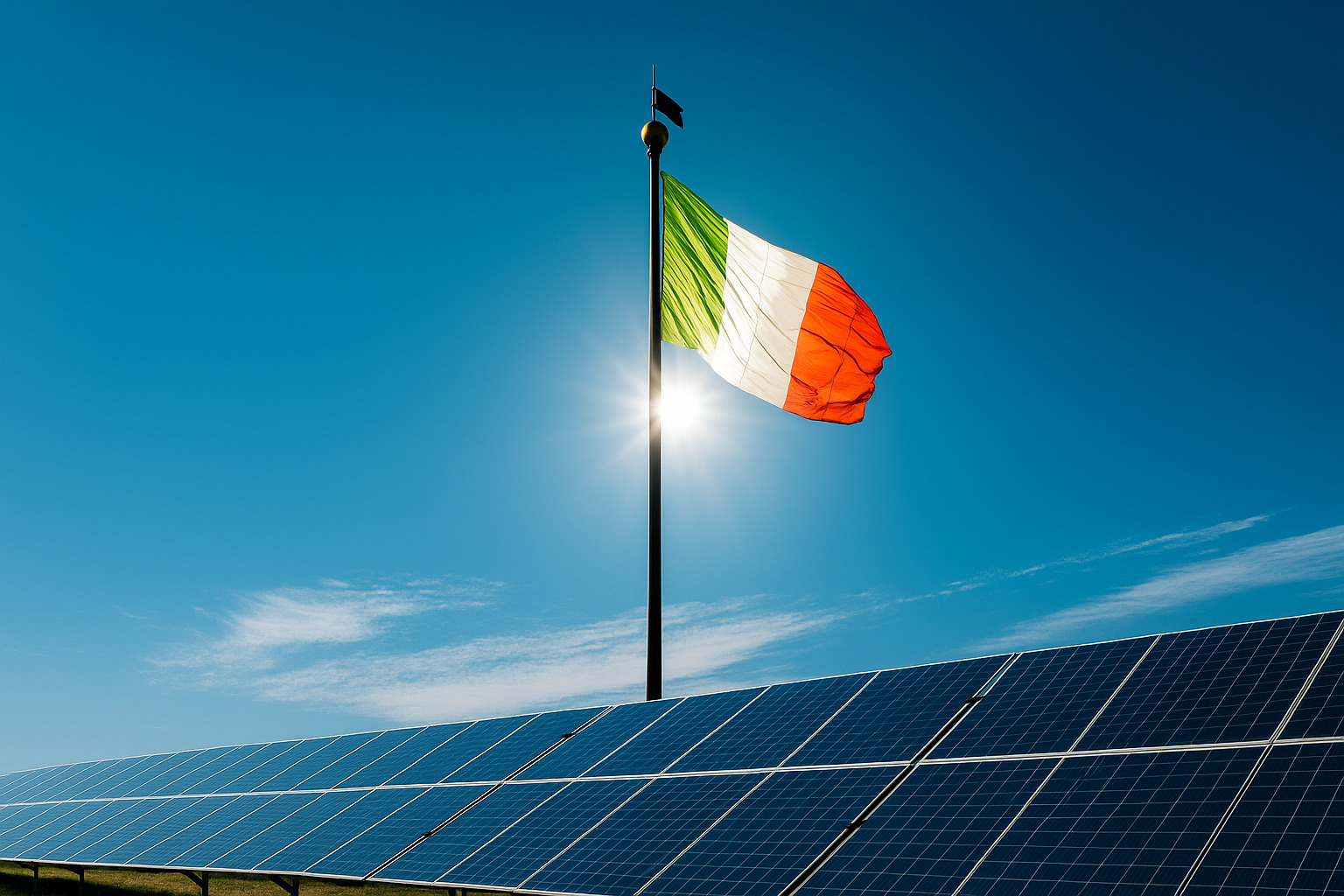
Discover How Solar Energy in Italy Exceeded 40 GW and Became a Key Piece of the Energy Transition with Strong Historical and Social Impact.
Solar energy in Italy has reached a significant milestone by exceeding 40 GW of installed capacity. This result reflects decades of public policies, technological advancements, and strategic decisions that have shaped the path of energy transition in the country.
Since the early 2000s, Italy has shown concern about reducing dependence on fossil fuels, as most of its oil and natural gas came from imports. Thus, solar energy emerged as a strategic alternative.
Although the current growth rate is slightly lower than in previous years, the movement remains stable. This is because various sectors of the economy, including households, businesses, industries, and even public services, continue to invest in clean energy.
-
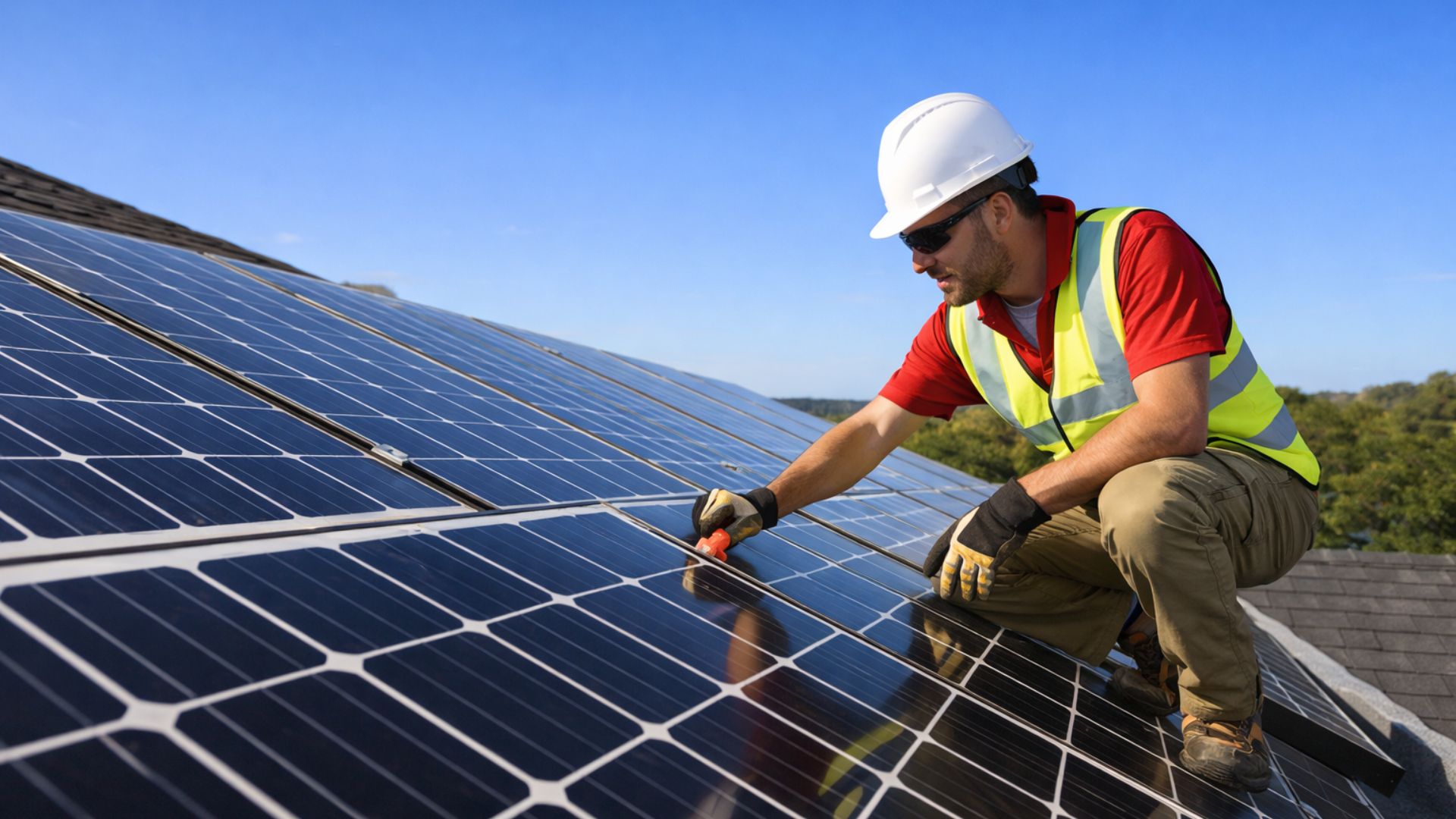
Seagri’s headquarters invests in solar energy with Neoenergia Coelba and promises to cut electricity costs, highlighting a strategic advance in sustainability and energy efficiency within state public administration.
-
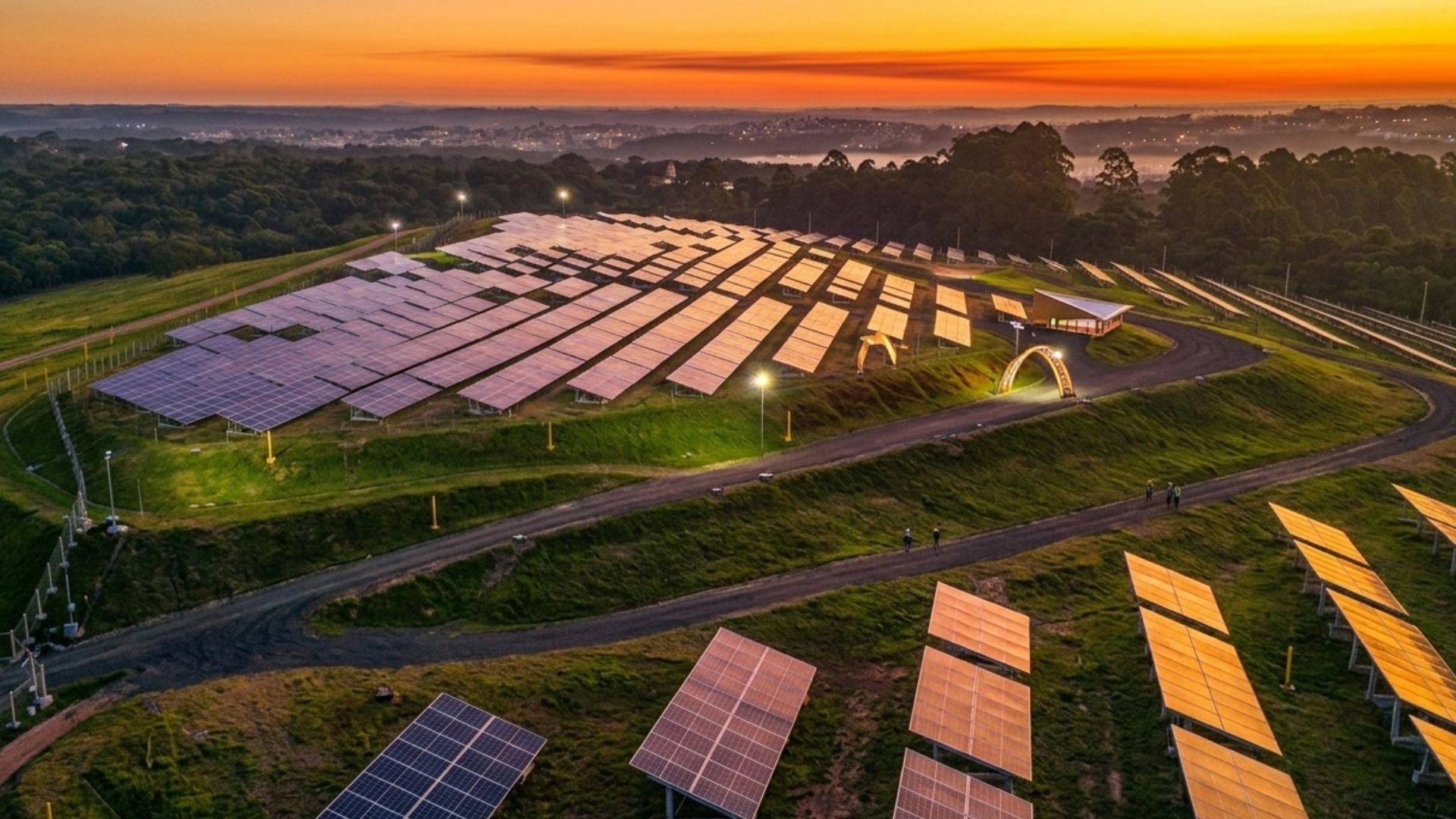
Solar Pyramid draws attention by converting solar energy into million-dollar savings and repositioning the City Hall of Curitiba as an example of innovation, sustainability, and intelligent use of public resources.
-
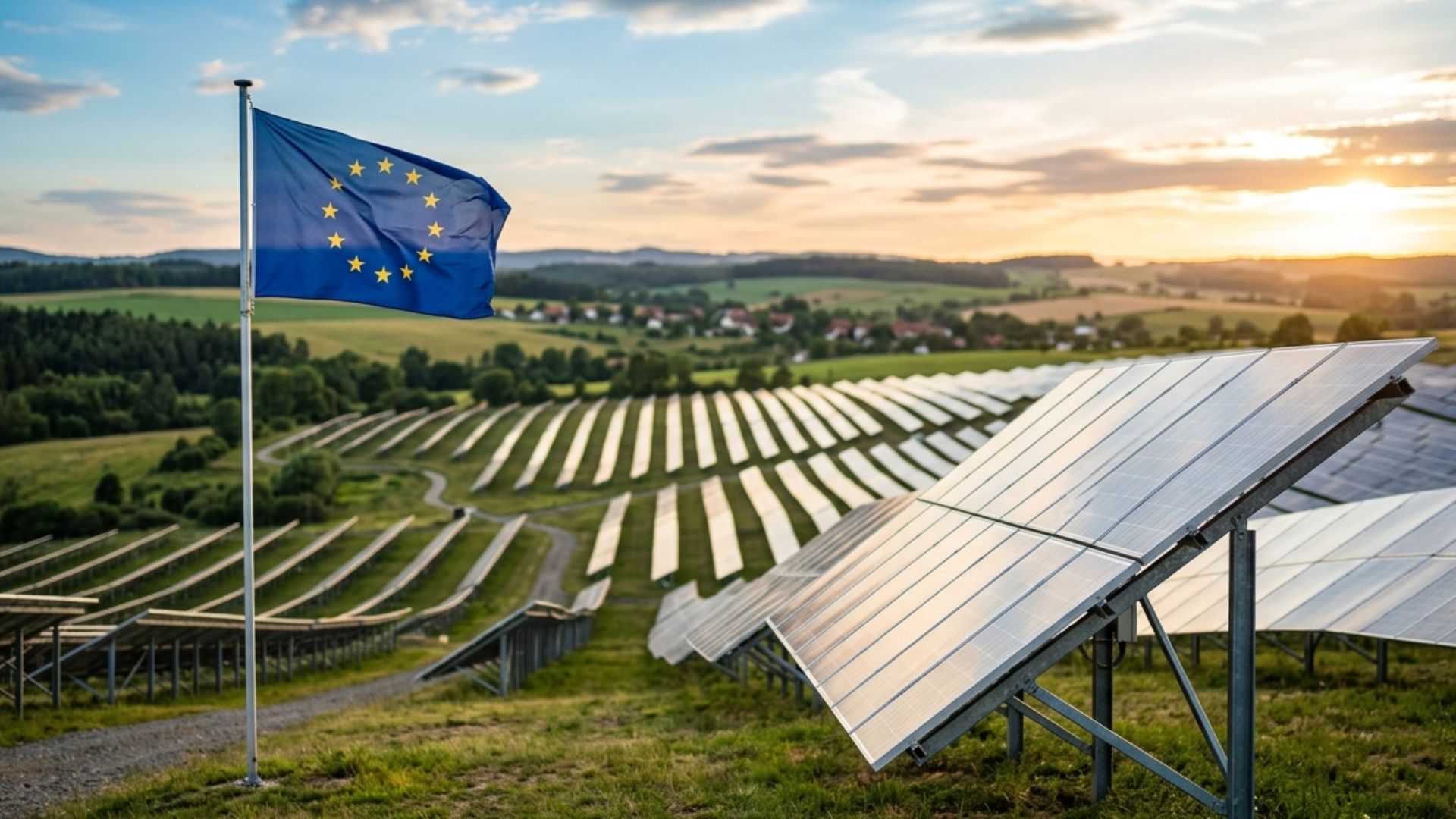
Europe records strong euro economy with solar energy in March and sparks curiosity about which country leads growth that redefines the energy market and reduces costs.
-
Piauí reaches a historic milestone in energy transition: State records nearly 160,000 households powered by solar energy and leads growth in the Northeast.
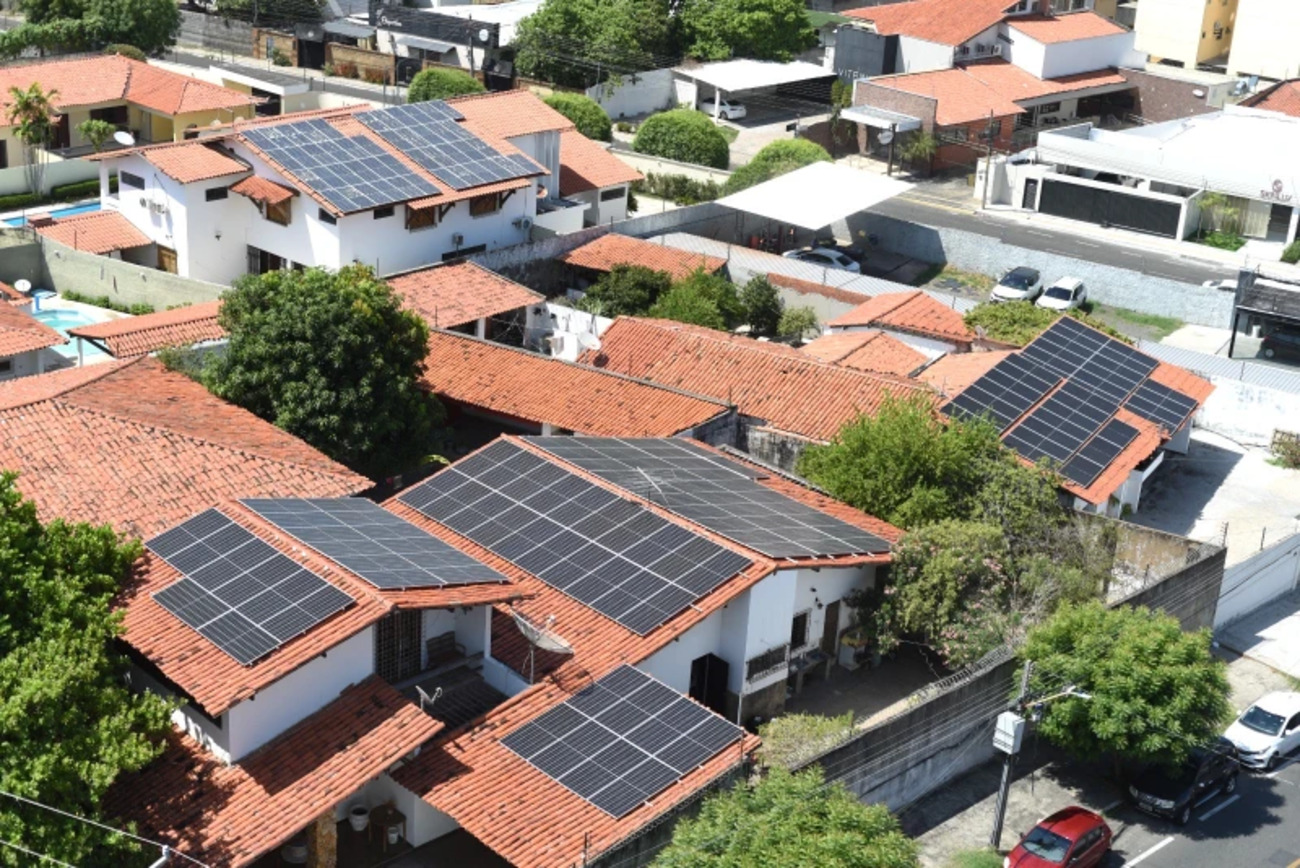

Thus, the expansion of Italian solar energy does not appear to be a passing trend, but rather a consolidated path of energy policy.
The Historical Role of Solar Energy in Italy
To understand the extent of the recent advancement, it is essential to look at the past. Back in the 1990s, Italy began discussions on renewable sources, mainly after the concern about climate change gained global traction.
Shortly after, in the first decade of the 2000s, the creation of financial incentive programs, such as the “Conto Energia”, encouraged thousands of families and companies to install photovoltaic systems.
Over the years, the combination of subsidies, favorable regulation, and technological advancements has reduced costs and popularized access.
Therefore, when we look at the present, we see that the more than two million installed systems are not merely the result of recent innovation but of a continuous historical process. This process involved governments, companies, and the population itself, who saw solar energy as a means of autonomy and savings.
Furthermore, it is important to highlight that the growth is not limited to large cities. Regions like Lombardy, Lazio, and Campania account for a significant portion of the installed capacity, precisely because they have larger populations and electricity demand.
Nevertheless, small and medium-sized projects in rural areas have also contributed to spreading solar generation throughout the territory.
Recent Growth and Expansion Auctions
In the first seven months of 2025, Italy added 132,000 new solar systems, totaling 3.35 GW during the period. Although this volume is lower than that recorded in 2024, when the country installed 6.8 GW, the performance confirms the sector’s stability.
Moreover, the diversity of consumer profiles ensures that growth remains balanced.
Meanwhile, the Italian government, through the GSE agency, launched a renewable energy auction with a target of 8 GW additional. The interest surpassed expectations, as the auction received 1,300 proposals, totaling 17.5 GW in projects.
This movement demonstrates that investors and companies believe in the country’s solar potential and trust in the regulatory security provided.
At the same time, the government relaunched a specific notice to encourage agrivoltaic energy, valued at €323 million.
The proposal aims to integrate agricultural production and solar generation in the same space, ensuring greater efficiency in land use and contributing to sustainability.
Thus, solar energy in Italy reinforces its role as a protagonist in the energy transition, showing that innovation and tradition can go hand in hand.
Solar Energy as the Axis of the Italian Energy Transition
By analyzing the current scenario, it is evident that solar energy has ceased to be merely an alternative and has become a central axis of the electric matrix.
The president of Italia Solare, Paolo Rocco Viscontini, emphasized that more than two million installed systems represent millions of families and companies that have chosen a clean, reliable, and autonomous source.
Therefore, the impact is not only energetic but also social and economic.
With the expansion of solar energy, Italy strengthens its independence from imported fossil sources. Additionally, it creates jobs, stimulates local production chains, and generates environmental benefits, as it reduces carbon emissions.
Thus, each solar installation directly contributes to the climate commitments made by the European Union.
Even though bureaucratic and technical challenges exist, such as the slowness in authorizations and grid connections, the country demonstrates that the path of energy transition is irreversible.
In this way, investing in solar energy is no longer viewed as a choice for a few but as a long-term national strategy.
Economic and Social Impacts of Solar Advancement
The growth of solar energy benefits not only the environment. It also generates concrete impacts on the economy and daily life of Italians.
With the expansion of the sector, new production chains have been created. Installation, maintenance, engineering, and technological development companies have found a fertile ground to grow.
Moreover, thousands of green jobs have emerged across the country. Young professionals have begun to see the solar sector as a stable and innovative career opportunity.
Another essential point is the reduction of energy costs. Families that installed photovoltaic systems manage to save significantly on their electricity bills. At the same time, companies can reduce expenses and increase their competitiveness.
Therefore, the advancement of solar energy directly contributes to social and economic justice, as it expands access to electricity sustainably.
Additionally, entire communities have begun to invest in cooperatives and energy communities, which allow for sharing solar production among different consumers. This model strengthens the sense of community and reinforces the idea that clean energy should be a common good.
Perspectives for the Future of Solar Energy in Italy
The future of solar energy in Italy points to even more growth. Projections indicate that the combination of technological advancements, digitalization, and new business models, such as energy communities, will expand the source’s share.
Thus, families, companies, and farmers will increasingly have the autonomy to produce and consume their own electricity.
Additionally, it is expected that costs will continue to fall. As a result, solar energy will become even more accessible, both for residential consumers and for large industrial enterprises.
This trend reinforces the democratic character of the source, allowing participation from small residences to large-scale plants.
Finally, the Italian experience shows that the energy transition requires planning, consistent policies, and societal involvement.
By exceeding 40 GW of installed capacity, the country not only celebrates a number but demonstrates to the world that it is possible to combine economic growth, technological innovation, and environmental responsibility.
Hence, solar energy in Italy is no longer just part of the future but a solid reality of the present.









Seja o primeiro a reagir!