





 Portuguese
  English
  Spanish
  5 min of reading
  0 comments


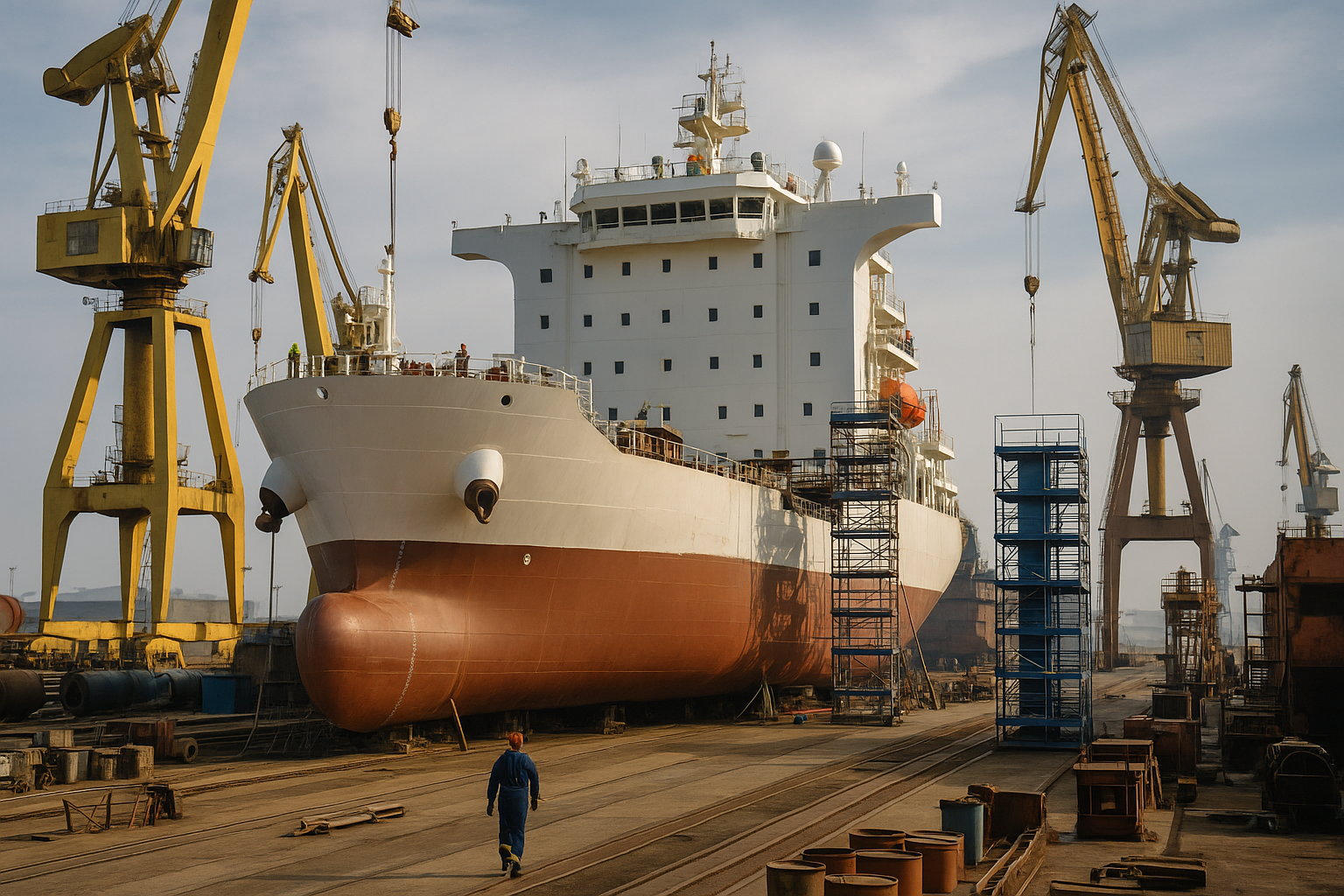
Discover Why Naval Industry Training Is Essential for the Technological, Economic, and Sustainable Advancement of One of the Country’s Most Strategic Sectors.
The naval industry has a long history dating back to the Age of Exploration, when shipbuilding was crucial for transportation, trade, and territorial expansion.
Since then, the sector has constantly evolved to meet the growing needs of transportation, defense, and exploration.
In Brazil, the naval industry gained prominence during the colonial period, with simple shipyards producing vessels for coastal navigation
-
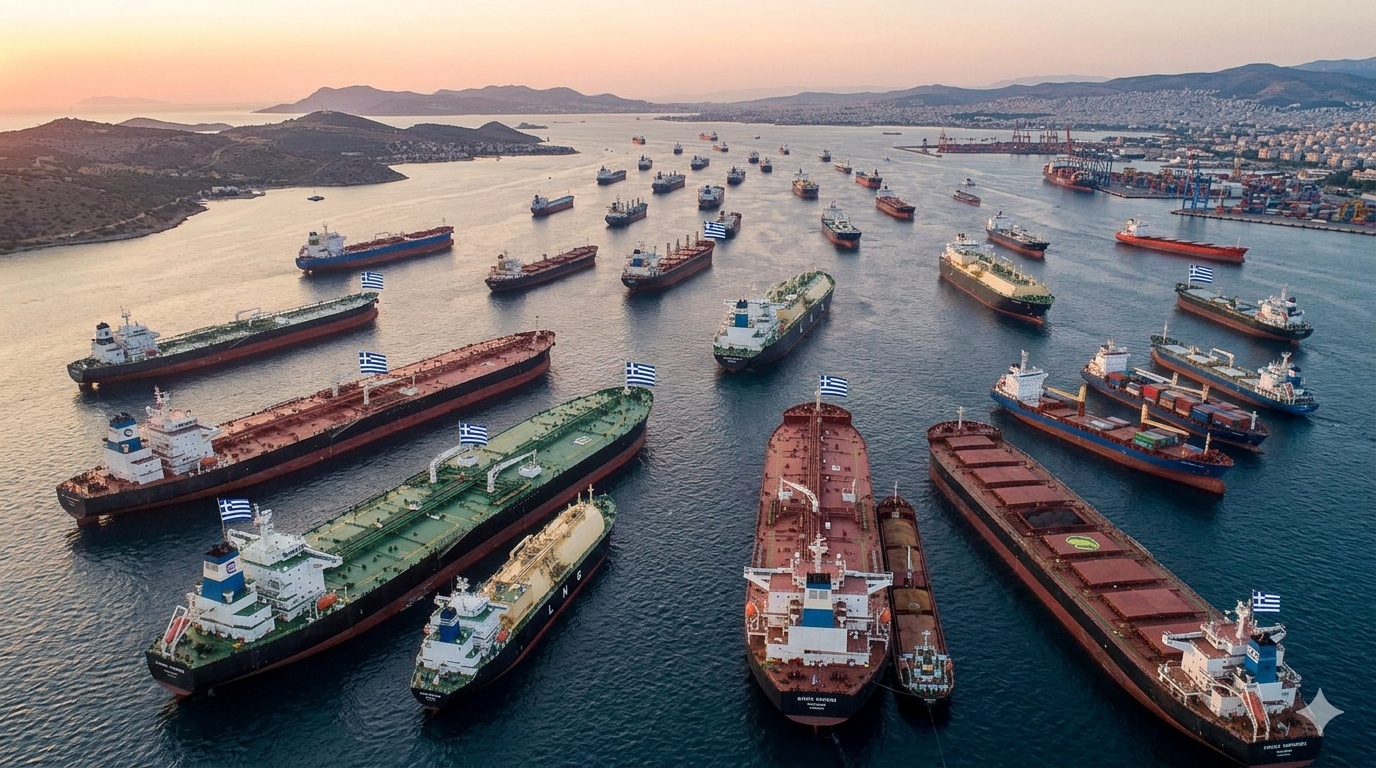
Neither the USA nor China: a small European nation has become one of the largest maritime powers on the planet, controlling one of the largest merchant fleets in the world with thousands of ships and dominating the global transportation of oil and strategic cargo.
-
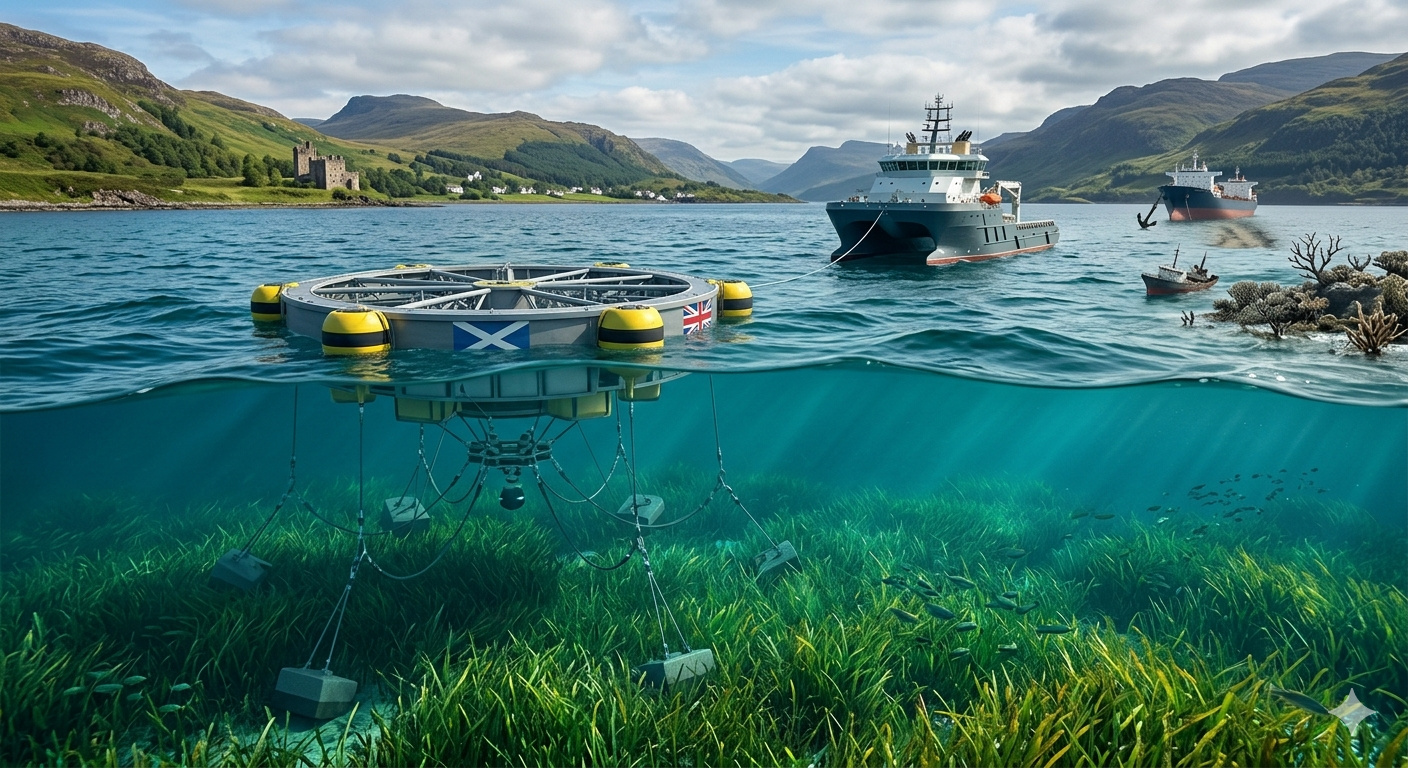
Scotland and the United Kingdom have created a new anchoring system that floats in the water without touching the seabed, after discovering that the current from a conventional anchor destroys up to 50 m² of seagrass meadow per event and that ship-damaged reefs showed no signs of recovery even ten years later.
-
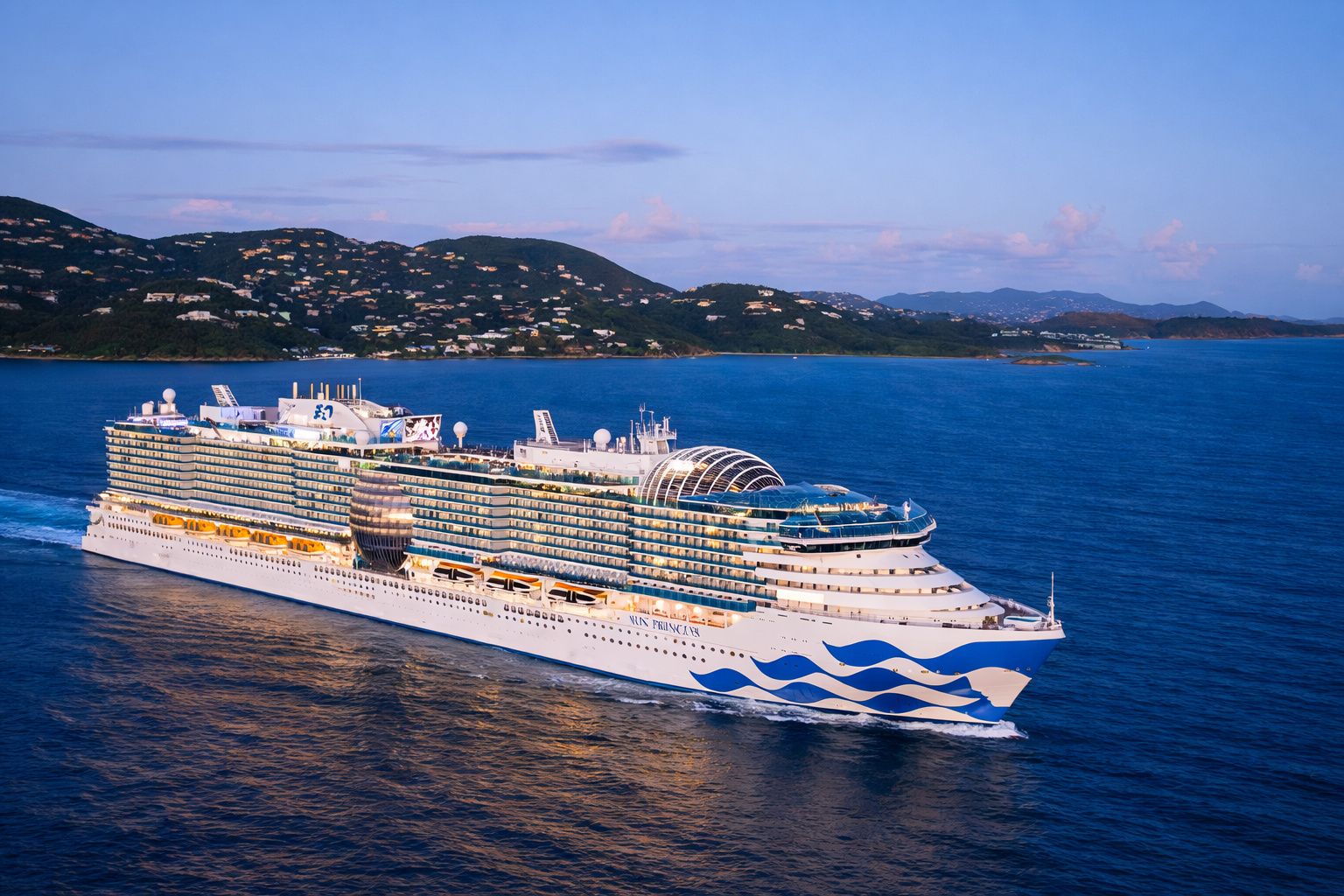
Weighing 175,500 Tons, Measuring 345 Meters Long, and With Capacity for Over 4,300 Passengers, the Sun Princess Becomes the Largest Ship Ever Built by Princess Cruises and Attracts Global Attention for Its Huge Glass Dome Inspired by Santorini’s Architecture Installed on Top of the Vessel
-
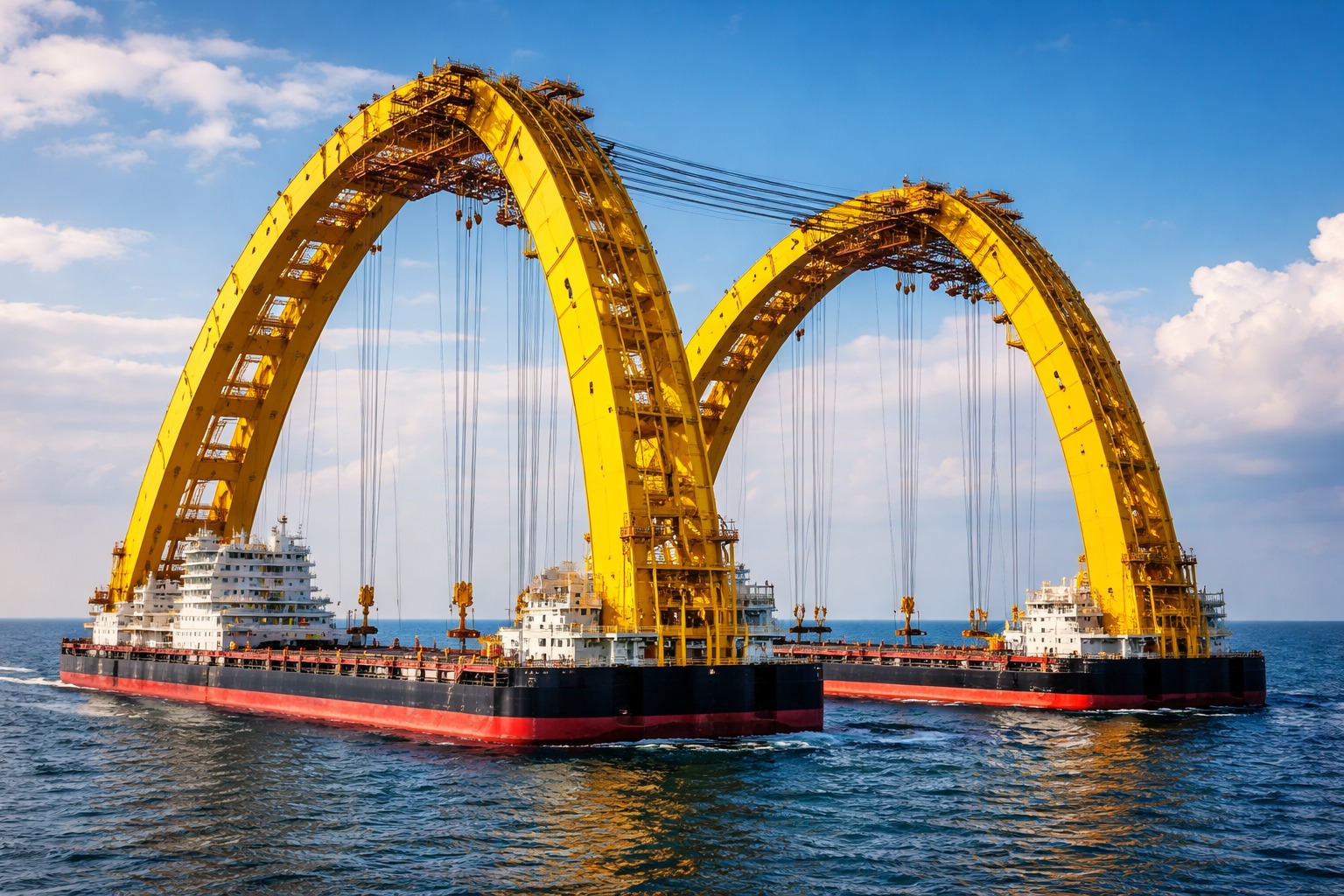
TX-10, The Colossus of The Sea: Largest Lifter Ship in The U.S., With Two Giant Barges, 73-Meter Tall Structure, and Strength to Raise 7,500 Tons of Sunken Oil Rigs

and the transport of agricultural products, as reported by the Brazilian Historical and Geographic Institute (IHGB).
According to IHGB, these early shipyards were established in strategic locations, such as Rio de Janeiro and Salvador, as early as the 16th century.
This highlights the importance of the sector since the dawn of the country’s formation.
With the advent of the Industrial Revolution, especially in the 19th century, steam technology revolutionized shipbuilding in Brazil.
The Ministry of Economy states that between 1840 and 1860, the first industrial shipyards emerged in the country, marking a transition from artisanal to industrial.
This transformation was a historical milestone for the technical advancement of the naval industry, as it required specialized professionals and more advanced technical knowledge.
Moreover, oil exploration in Brazil, particularly after discoveries in the Campos and Pre-Salt basins, increased the demand for specialized vessels.
According to data from the National Agency of Petroleum, Natural Gas, and Biofuels (ANP), this new phase, which began in 2007, required even greater training to operate, maintain, and construct specialized platforms and deep-water ships.
Another important historical milestone is the investment in military technology, especially in the Brazilian Navy’s Submarine Development Program.
According to the Ministry of Defense, this program, initiated in the early 2000s, drove technological advancements.
It required highly skilled labor, fostering a leap in the technical training of the Brazilian naval sector.
The Historical Role of the Naval Industry in Economic Development
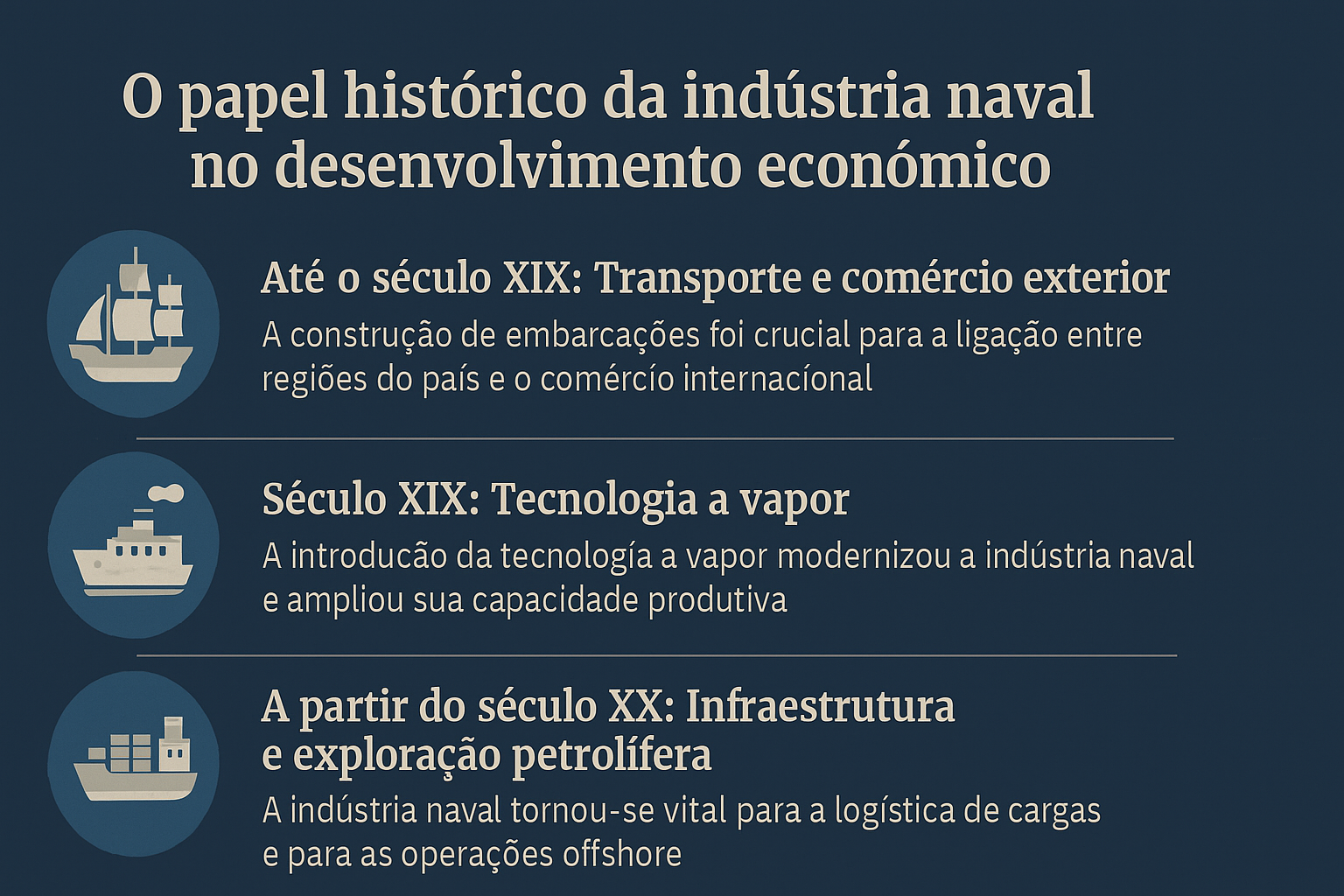
Since ancient times, shipbuilding has been a driving force behind the economic and geopolitical growth of nations. In Brazil, the development of the sector has followed historical changes, from colonization to industrialization and the contemporary landscape.
The IHGB emphasizes that shipbuilding in colonial Brazil, although artisanal, was essential for connecting the regions of the country and for foreign trade.
Then, in the 19th century, the introduction of steam technology modernized the national shipbuilding industry, increasing the production capacity of vessels.
From the 20th century onward, the naval industry became vital for the development of logistics infrastructure, cargo transportation, and maritime security.
The Ministry of Economy highlights that shipbuilding for oil exploration, since the 1950s, has become a decisive factor in the country’s economic growth.
This historical evolution demonstrates the ongoing need for training to ensure the sector keeps pace with global technological and commercial demands.
The modernization of shipyards, the improvement of production processes, and the technical training of professionals are directly linked to the naval industry’s ability to remain competitive.
The Importance of Professional Training

With technological changes and the increasing complexity of projects, the training and qualifications of professionals in the naval industry have become essential.
According to the National Service for Industrial Training (SENAI), responsible for a significant part of technical training in Brazil, the qualification of workers in the naval sector grew by about 15% between 2019 and 2023.
This increase reflects the demand for better-prepared professionals to work in processes that involve everything from welding to operating embedded digital systems.
Training ensures that vessels are produced with quality, safety, and efficiency. Additionally, it improves productivity and reduces risks, helping the sector meet increasingly stringent international standards.
As reported by SENAI, technical and improvement courses provide fundamental knowledge in areas such as naval engineering, technical drawing, maintenance, and digital technologies.
Thus, continuous training allows for rapid adaptation to technological and regulatory innovations, keeping the sector at a competitive level.
The Role of Shipyards and Educational Institutions
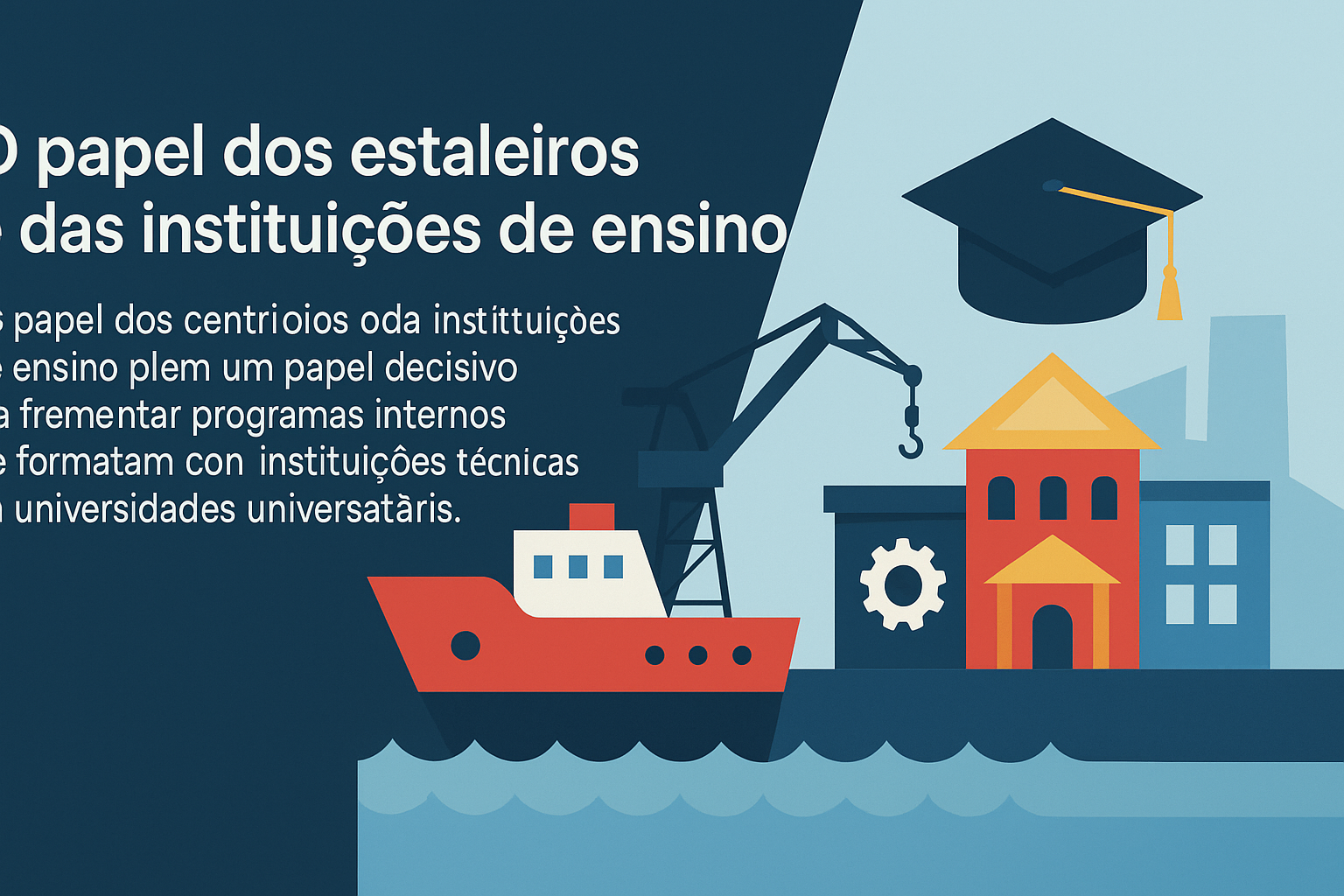
Shipyards, as productive centers of the naval industry, play a decisive role in the training of their professionals.
Many companies maintain internal training programs in partnership with technical institutions and universities.
Institutions like SENAI, the Federal Institutes of Education, Science, and Technology (IFs), and public universities are key in developing technical, undergraduate, and graduate courses aimed at the naval sector.
According to the National Energy Plan 2050 (PNE 2050), launched by the Ministry of Mines and Energy in 2020, investment in technical training is considered a strategic factor to ensure the sustainable and technological growth of the Brazilian naval industry.
Moreover, public policies encouraging innovation and research, supported by agencies like the National Council for Scientific and Technological Development (CNPq), enable projects that strengthen the sector.
This synergy among companies, government, and educational institutions creates a favorable environment for training professionals equipped to face the current and future challenges of the naval industry.
Sustainability and Innovation: New Challenges in Training

In recent years, sustainability has become a central factor for the development of the naval industry.
According to a report by the International Energy Agency (IEA), published in 2022, the naval industry is vital for reducing greenhouse gas emissions in the transportation sector.
Professional training must encompass knowledge in clean technologies, the use of alternative fuels and sustainable materials.
Additionally, the naval industry is adopting advanced digital systems for monitoring and predictive maintenance, increasing efficiency and reducing environmental impacts.
Therefore, professionals need to be trained to operate these technologies and understand the new environmental regulations affecting the sector.
Social and Economic Impacts of Training
Investment in training brings broad social and economic benefits.
According to the National Confederation of Industry (CNI), each job created in the naval industry can generate up to four indirect jobs in sectors such as logistics, metallurgy, and technical services.
This means that the technical qualification of workers strengthens entire production chains, generates opportunities, and contributes to regional development, particularly in port areas.
Additionally, trained workers demonstrate greater safety in the workplace, reducing accidents and increasing productivity.
This stability benefits companies, enabling them to undertake more complex and competitive projects in the international market.
A Sector That Needs to Look to the Future
Historically, the naval industry has undergone significant transformations, from the rudimentary vessels of the colonial period to modern smart ships.
Therefore, according to experts in the naval sector and technical educational institutions, investing in continuous training is essential for Brazil to maintain its position in the global economy.
The future of the sector depends on the ability to innovate and quickly adapt to technological and environmental changes, keeping the naval industry as a strategic pillar of the economy and national sovereignty.
Thus, it is crucial for governments, companies, educational institutions, and workers to unite in the commitment to strengthen and enhance the technical and technological training of the Brazilian naval industry.










Seja o primeiro a reagir!