





 Portuguese
  English
  Spanish
  4 min of reading
  0 comments


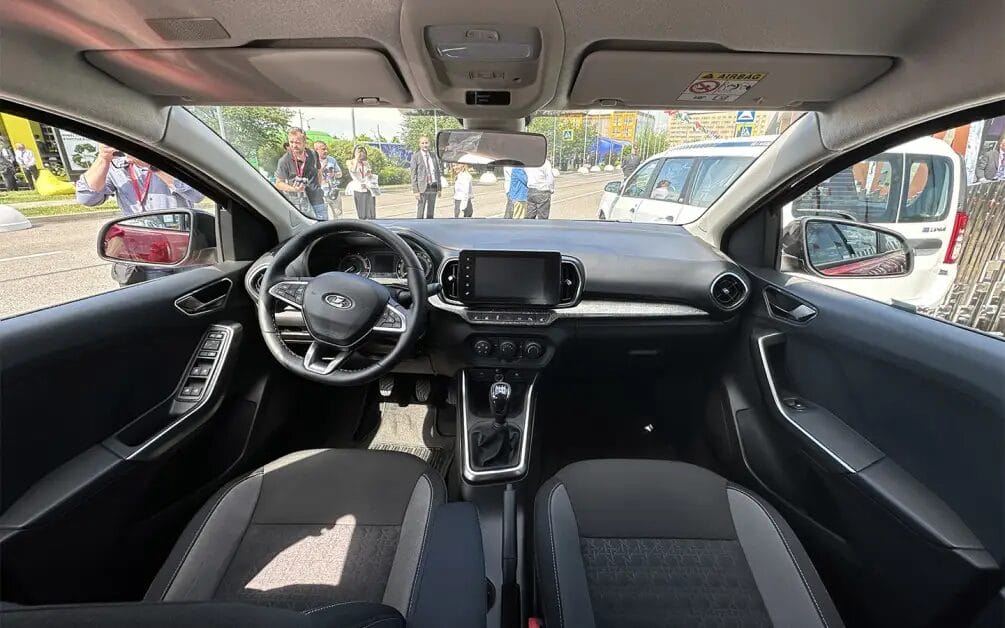
Amid The Crisis And Economic Challenges, The Automaker Surprises With The Launch. The Model Is A Milestone In Its Production And Promises To Be The Affordable Solution Adapted To The Local Reality, But With A Little Unremarkable Design.
In The Midst Of The War Between Russia And Ukraine, A New Chapter Begins In The Russian Automotive Industry With The Launch Of The Lada Iskra, The First Vehicle From The Brand Developed Entirely Under The Limitations Of The Conflict.
Produced By The Traditional Russian Automaker AvtoVAZ, The Model Emerges As A Symbol Of Resistance And Adaptation In Times Of Economic And Geopolitical Instability.
With The Russian Automotive Market Shaken By International Sanctions And The Break With Foreign Suppliers, AvtoVAZ Bets On The Iskra And The Iskra SW As Affordable And Nationalized Alternatives.
-
Friends have been building a small “town” for 30 years to grow old together, with compact houses, a common area, nature surrounding it, and a collective life project designed for friendship, coexistence, and simplicity.

-
A French brand placed a car on four huge red balloons to prove that its suspension made the vehicle “float,” and the surreal scene became one of the most iconic and unusual images in automotive history.
-
This small town in Germany created its own currency 24 years ago, today it circulates millions per year, is accepted in over 300 stores, and the German government allowed all of this to happen under one condition.

-
Curitiba is shrinking and is expected to lose 97,000 residents by 2050, while inland cities in Paraná such as Sarandi, Araucária, and Toledo are experiencing accelerated growth that is changing the entire state’s map.


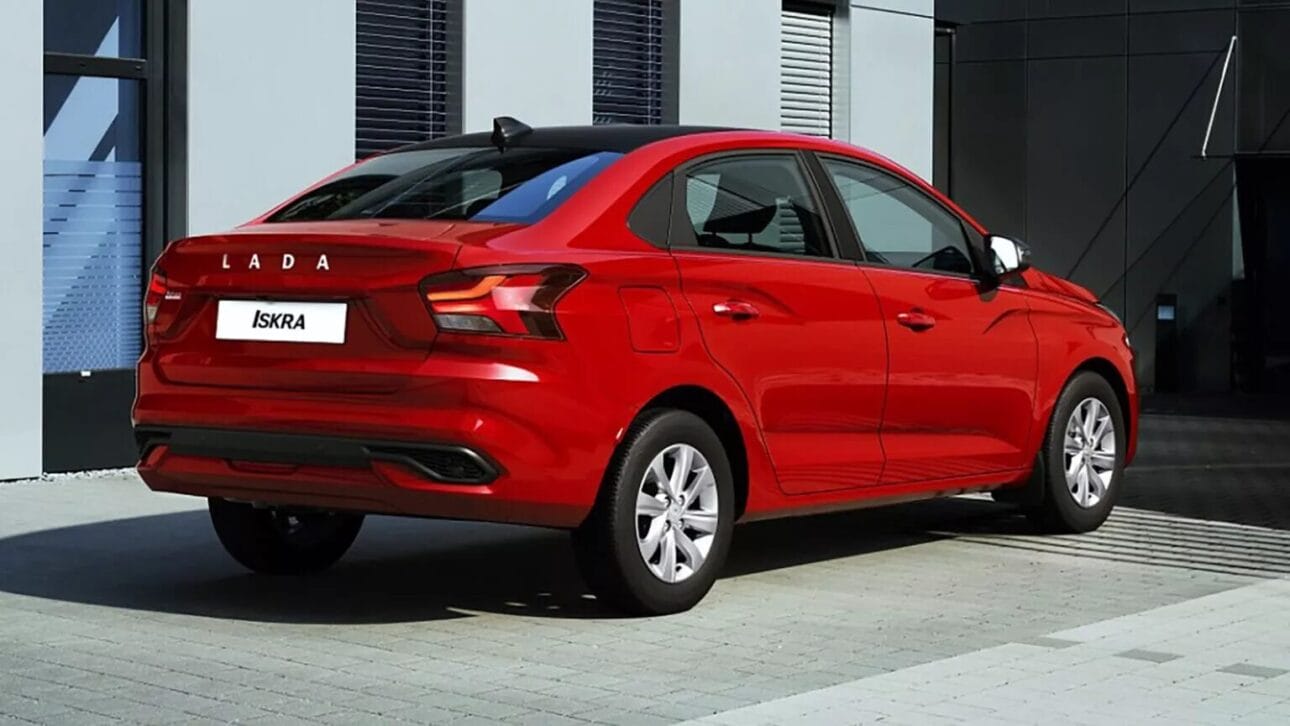
Both Models Were Officially Launched On April 19, 2025, With A Clear Proposal: To Offer The Russian Consumer A Simple, Reliable Car Made Mostly Of Locally Produced Parts.
New Strategy For Challenging Times
The Lada Iskra Represents A Strategic Turn For AvtoVAZ Amid The Decline In Sales And The Economic Isolation Of Russia.
According To The Automaker, About 90% Of The Components Used In The Production Of The New Model Are Of National Origin, A Statistic That Reinforces The Technological And Productive Independence Of The Company.
According To Industry Experts, This Degree Of Nationalization Was Only Possible After Significant Investments In Internal Production Chains And The Redesign Of Industrial Processes.
The Shortage Of Imports Forced The Russian Automotive Industry To Accelerate Its Process Of Replacing International Suppliers With Domestic Solutions.
Mechanical Variety, Focus On Simplicity
The Iskra Arrives In The Market With Three Engine Options, All With 1.6 Naturally Aspirated Engines, Reflecting The Choice For Simple And Easy-To-Maintain Motors. The Versions Include:
- 1.6 8V Engine With 90 Horsepower
- 1.6 16V Engine With 106 Horsepower, Available With Manual Or Automatic Transmission
- Manual Transmissions With Five Or Six Gears, Depending On The Chosen Version
The Absence Of Hybrid Or Electric Versions Demonstrates The Brand’s Priority To Offer An Affordable Product, Even With Limited Technological Resources. In The Current Russian Scenario, Transport Electrification Remains A Logistical And Economic Challenge.
Dimensions And Versions
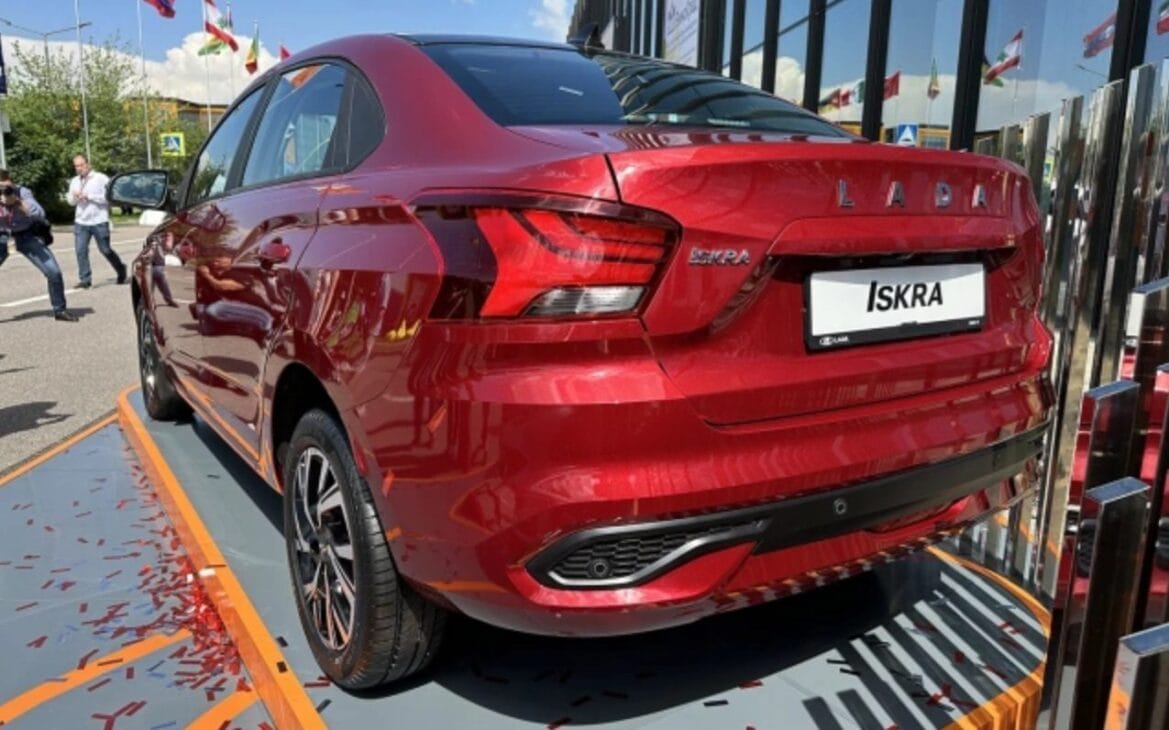
The Lada Iskra Measures 4.333 Meters In Length For Both The Standard And SW Versions. The Cross Version, Aimed At Urban Use With Occasional Off-Road Capabilities, Measures 4.342 Meters In Length And Has A Ground Clearance Of 200 Mm, Higher Than The 170 Mm Of The Conventional Versions.
This Height Difference Provides The Cross Model Greater Versatility On Uneven Terrains, Without Compromising Drivability In Urban Environments.
Modest But Functional Design
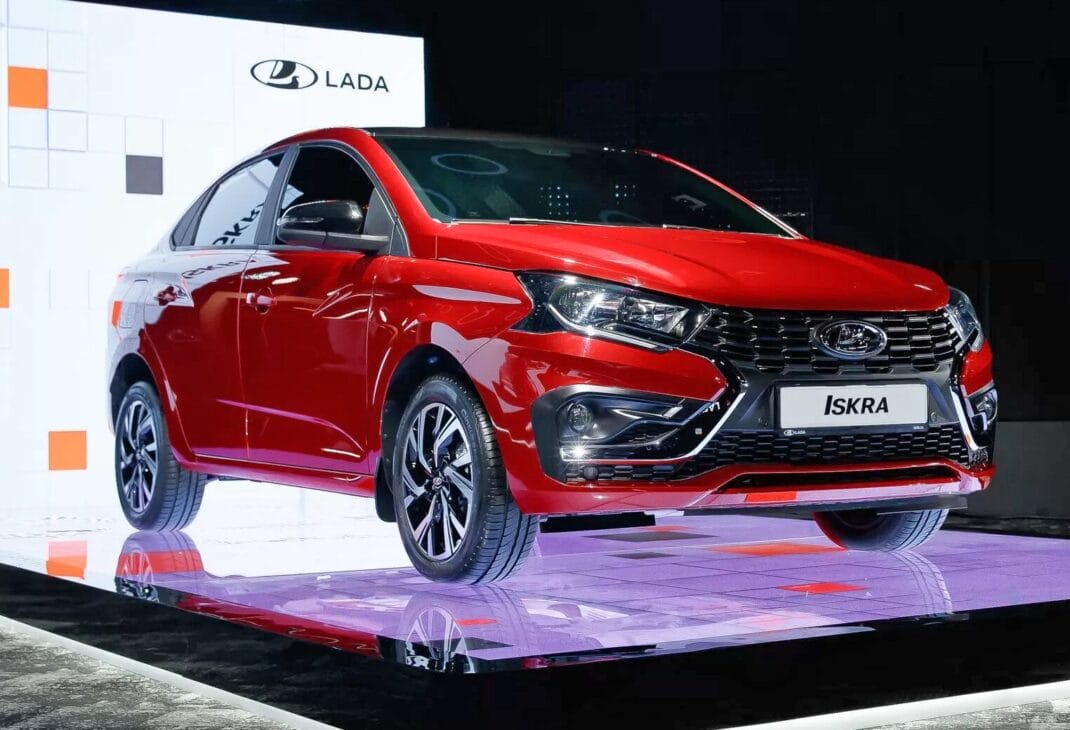
Visually, The Iskra Is Not A Car That Impresses With Its Design But Relies On Practicality As A Selling Point.
The Aesthetics Follow A Simple Line, With Daytime LED Headlights, Sturdy Bumpers, And Straight Lines. Inside, The Model Surprises By Presenting A Wide-Screen Multimedia Center — A Rarity In Economic Vehicles.
Despite The Effort To Keep Costs Low, The Model Comes With Important Features Such As:
- Front Airbags
- ABS Brakes
- Stability Control
- Electric Steering
- Electric Trio (Windows, Locks, And Mirrors)
- Heated Front Seats
- Digital Air Conditioning In Some Versions, Similar To That Used In The Renault Duster
These Items Place The Iskra In A Competitive Position Against Entry-Level European Models, Especially From Romanian Dacia, Which Dominates The Economic Car Segment In The European Union.
Production And Price Expectations
AvtoVAZ Estimates To Produce About 150,000 Units Of The Iskra Per Year, Which Represents An Ambitious Bet Given The Adverse Context Of The Russian Market.
The Model Is Expected To Be Priced Starting At 1.2 Million Rubles — Approximately R$ 85,000 At The Current Exchange Rate.
In A Global Scenario, The Iskra Would Likely Face Difficulties Competing With More Modern And Efficient Vehicles.
However, Within Russia, The Model Could Play An Essential Role In Supplying The Demand For Affordable Mobility, Especially Outside Major Urban Centers.

A Car For Uncertain Times
The Name “Iskra”, Which Means “Spark” In Russian, Is Symbolic: It Represents An Attempt To Rekindle The Russian Automotive Industry Amid The Turmoil Caused By The War, Sanctions, And Global Changes In The Sector.
The Decision To Launch An Affordable, Independent Model Free Of External Supplies Is A Direct Response To The Adversities The Country Has Faced Since The Start Of The Conflict.
Although The Production Of The Iskra Was Announced During The War, It Positions Itself As A Symbol Of Industrial Reconstruction.
Strategically, AvtoVAZ Aims To Reposition Its Image And Regain The Trust Of Local Consumers With A Solid And Nationalistic Proposal.
The Future Of AvtoVAZ And Russian Mobility
Automotive Industry Analysts Indicate That, Despite Technological Limitations And Conservative Design, The Iskra Could Pave The Way For A New Generation Of Russian Vehicles, Aimed At The Economic Reality Of The Country.
The Absence Of Foreign Competition In The Russian Market Strengthens This Scenario, At Least In The Short Term.
Furthermore, There Are Rumors That AvtoVAZ May Develop, In The Long Term, A More Modern Platform With Hybrid Or Electric Powertrains, But Nothing Has Been Officially Confirmed Thus Far.
In A World That Is Rapidly Moving Toward Electrification, AvtoVAZ’s Bet Is Still Anchored In Traditional Solutions, Raising Doubts About Its Global Competitiveness In The Future.
However, Within Its Internal Context, The Strategy Seems To Have Consistent Foundations.
Do You Think The Lada Iskra Could Succeed Outside Of Russia, Even With Its Simple Look And Basic Technology? Share Your Thoughts On The Model And If It Would Have A Place In Brazil!









Seja o primeiro a reagir!