





 English
  Francês
  Alemão
  Italiano
  Japonês
  Norueguês
  Portuguese
  Spanish
  3 min of reading
  0 comments


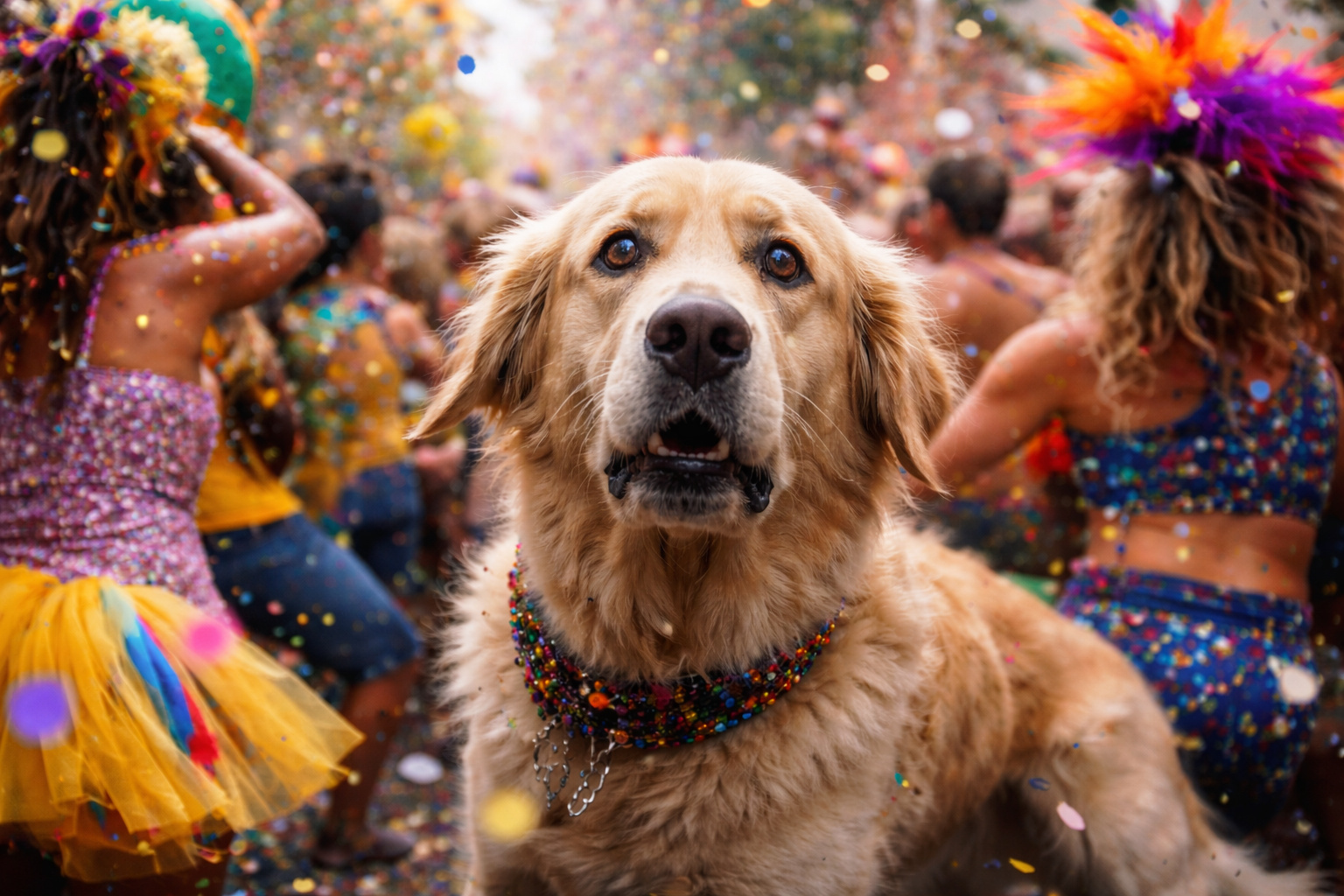
Typical Environments of the Festival Expose Dogs to Sensory Overload, Intense Stress, and Health Risks, According to Specialized Veterinary Guidance
The Carnival of 2026 returns to liven up streets and squares throughout Brazil, gathering crowds in a setting marked by loud music, costumes, and intense movement of people. However, while the celebration represents joy for humans, this environment is not suitable for most dogs, potentially causing significant impacts on the physical and emotional health of pets.
According to veterinarian Dr. Aline Ambrogi, a professor in the Veterinary Medicine program at the University Center of Jaguariúna (UniFAJ), dogs have senses that are much more sensitive than humans, especially hearing. As a result, elevated sound stimuli, intense smells, excessive movement, and constant physical contact tend to provoke sensory and emotional overload, especially during festive periods like Carnival.
According to academic guidelines published by UniFAJ between 2024 and 2025, events with crowds significantly increase levels of canine stress. Still, the presence of animals at street parties has become more frequent, even when many dogs only tolerate the environment, while others show evident suffering.
-
Seen from space, a colossal ‘Y’ cuts through the largest desert in China, blending a jade-filled river, red and white mountains, and revealing the absurd scale of the transformation of the Taklamakan surrounded by a green wall with billions of trees.

-
The Pacific Ocean reveals what the cliffs of Big Sur have hidden for millennia: Pfeiffer Beach, in California, features swirling purple sand formed by garnet crystals and displays a stone arch that is illuminated by the sun in winter for just a few days each year.

-
Aursjøvegen in Norway is a 100-kilometer gravel road that crosses chasms and dark tunnels carved into the rock at an altitude of 947 meters in the fjords and is only open for four months a year.

-
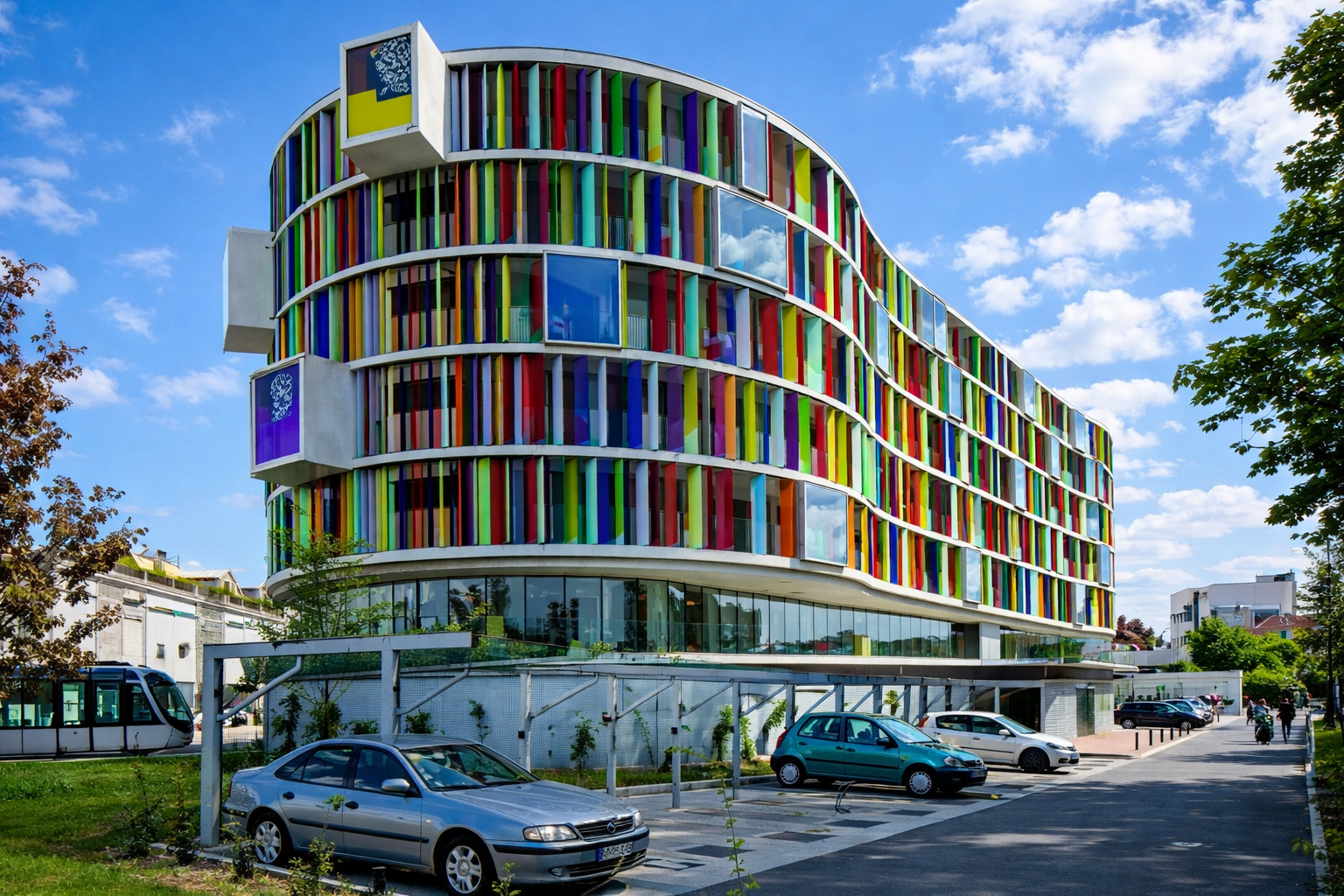
With about 4,000 m², the building constructed in a traditional neighborhood in France looks like a rainbow, has a colorful facade, mixes vibrant glass, and creates one of the most unusual visuals in Bordeaux.

Body Language Reveals When the Pet Is Uncomfortable
Dogs communicate continuously through behavior and body language. However, as the specialist warns, these signals are still often ignored or misinterpreted by their owners, which increases risks during the festivities.
Initially, frequent yawning and excessive lip licking, when out of the usual context, indicate stress and emotional discomfort. Next, low ears, tail between the legs, and hunched posture demonstrate fear and insecurity, common in noisy and overstimulating environments.
Additionally, constant attempts to distance themselves, pulling on the leash or hiding act as a clear request for interruption. Similarly, vocalizations outside of the norm, such as excessive barking, whining, or growling, indicate elevated anxiety and may lead to unpredictable reactions.
Physical Signs Indicate Acute Stress and Emotional Overload
Besides behavioral changes, physical manifestations are common in cases of acute stress, according to clinical records observed during festive periods in recent years.
During or after exposure to the festivities, vomiting, diarrhea, and hypersalivation frequently arise. Moreover, panting excessively, even without heat or physical exertion, indicates difficulty in coping with intense stimuli.
In more severe situations, sudden aggression or exaggerated fear may appear, increasing risks in environments with children, costumes, pushing, and constant noise.
Essential Care Is Often Neglected During Carnival
According to Dr. Aline Ambrogi, academic analyses conducted between 2024 and 2026 indicate that dehydration is one of the most common problems in dogs during festive periods. With heat, agitation, and stress, continuous access to fresh water becomes indispensable, as lack of hydration worsens discomfort.
Another critical point involves costumes, paints, and accessories. Tight clothing, accessories that limit movements, and materials not developed for veterinary use elevate stress. Additionally, common paints, glitter, glues, and adhesives can cause allergies, intoxications, skin wounds, and accidental ingestion of toxic substances.
As the specialist emphasizes, what seems harmless to humans can be extremely dangerous for dogs, especially in festive environments.
Keeping the Pet at Home Remains the Safest Recommendation
In light of this scenario, the technical guidance remains consistent over recent years: the Carnival is not a natural environment for most dogs. The safest option is to keep them at home, in a quiet location with environmental enrichment, fresh water available, and, if necessary, soft music or white noise to reduce the impact of external noise.
As veterinarian Dr. Aline Ambrogi summarizes, caring also means respecting limits, as loving an animal does not mean exposing it to all human experiences, but ensuring protection, comfort, and emotional balance during periods of intense social agitation.
Do you believe that pet owners are really attentive to the signs of stress in dogs during Carnival, or do they still underestimate the risks of the festivities for pets?









Seja o primeiro a reagir!