





 Português
  Inglês
  Espanhol
  4 min de leitura
  3 comentários


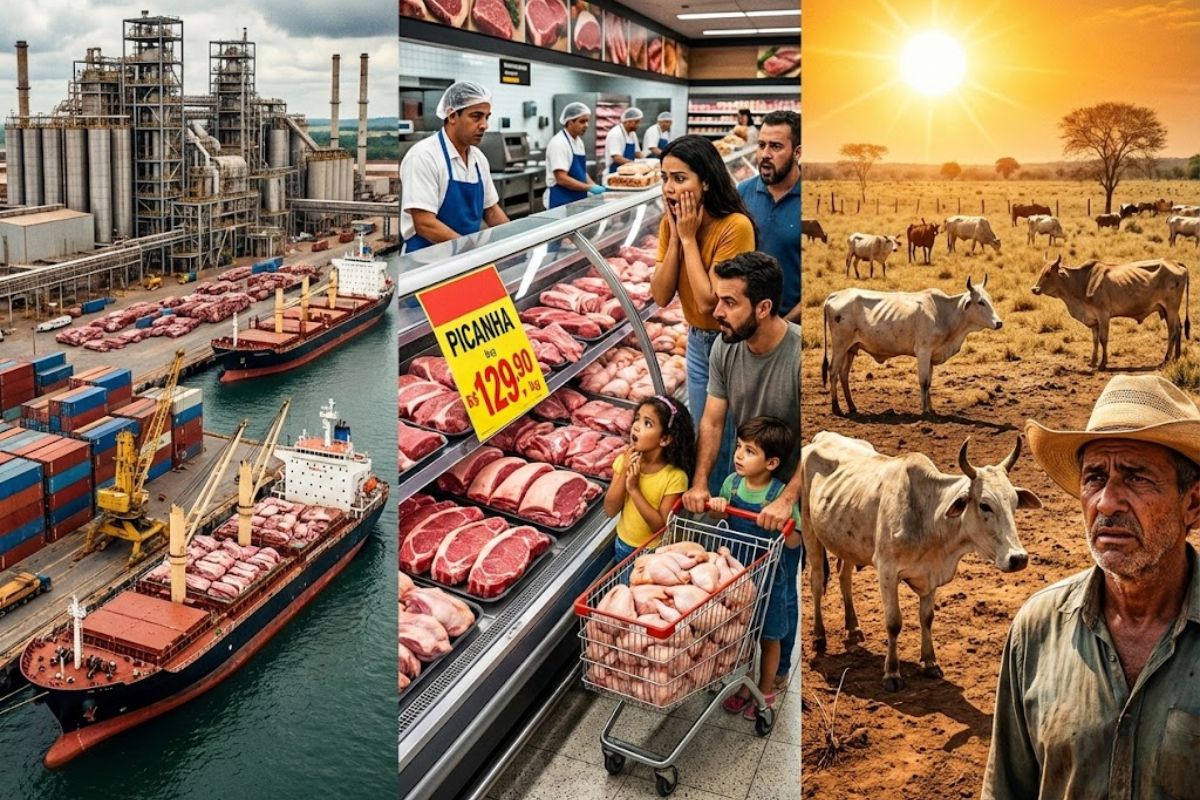


With Beef Production Slowing Down at the End of 2025 After Record Slaughter, Brazil, the World Leader, Maintains Strong Exports and 2026 Is Expected to See Tighter Supply, Rising Prices, and Consumers Tightening Their Budgets When Shopping at Supermarkets, Butcher Shops, Markets, and Restaurants Across the Country in the Coming Months.
In June 2025, meat inflation for the last 12 months reached 23.63 percent, pushing beef to the limit of many Brazilian families’ budgets. In November 2025, this increase receded to 5 percent over 12 months, coinciding with a period of record production that positioned Brazil ahead of the United States as the world’s largest producer for the first time, according to the U.S. Department of Agriculture.
After this peak in slaughtering and intense exports throughout July, August, September, October, and November 2025, analysts indicate that 2026 is expected to be a year of tighter beef supply in the domestic market, as the herd needs to recover, while export sales remain strong and China is examining new safeguards for Brazilian products.
Record Production Drives Down Beef Prices at the End of 2025
The slowdown in beef prices throughout the second half of 2025 was not coincidental. The combination of record beef production, increased domestic supply, and consumers already under budget pressure created a scenario that forced processors and retailers to slow the pace of price adjustments to avoid losing even more sales.
-
With tractors out of reach for small producers, a tricycle created by Embrapa Algodão becomes a cheap and efficient solution and gains national prominence.

-
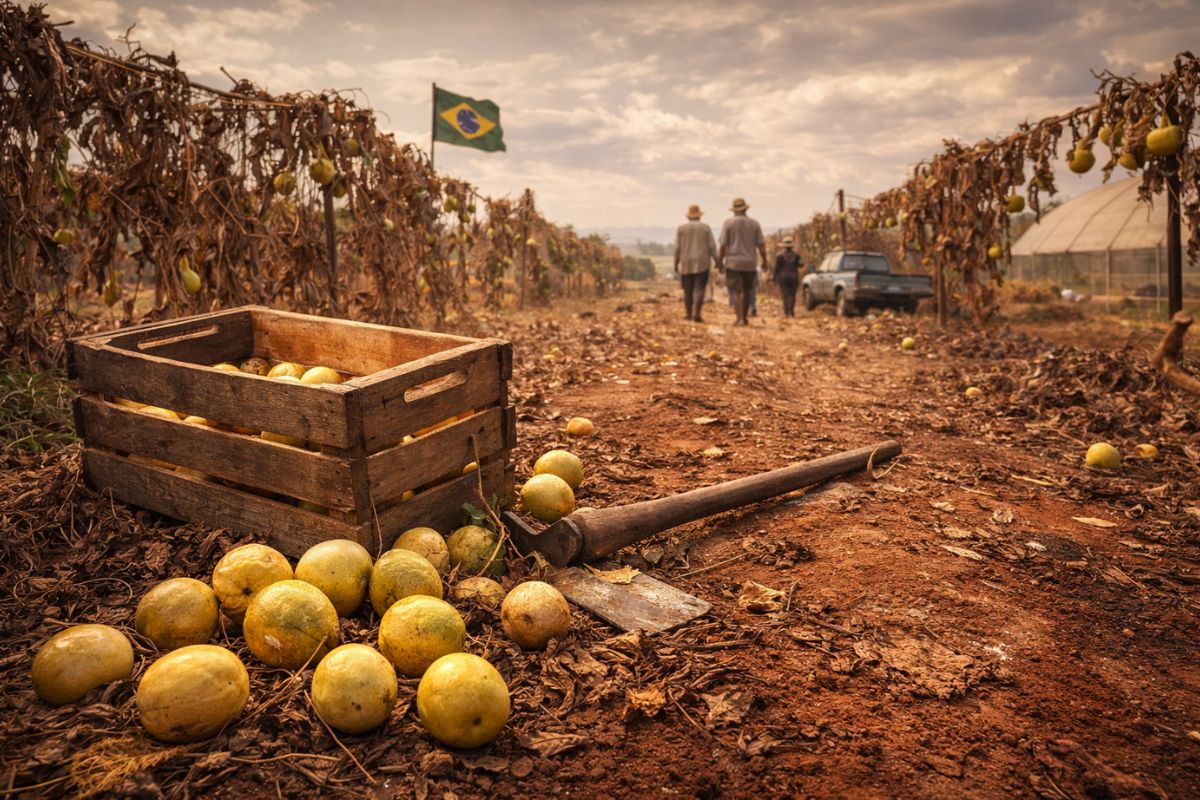
From 130 producers in the year 2000 to just 15 today: the dramatic decline of passion fruit in Araguari shows how the lack of labor in the Brazilian countryside is killing a decades-old agricultural tradition, even with Brazil being the largest producer in the world.
-
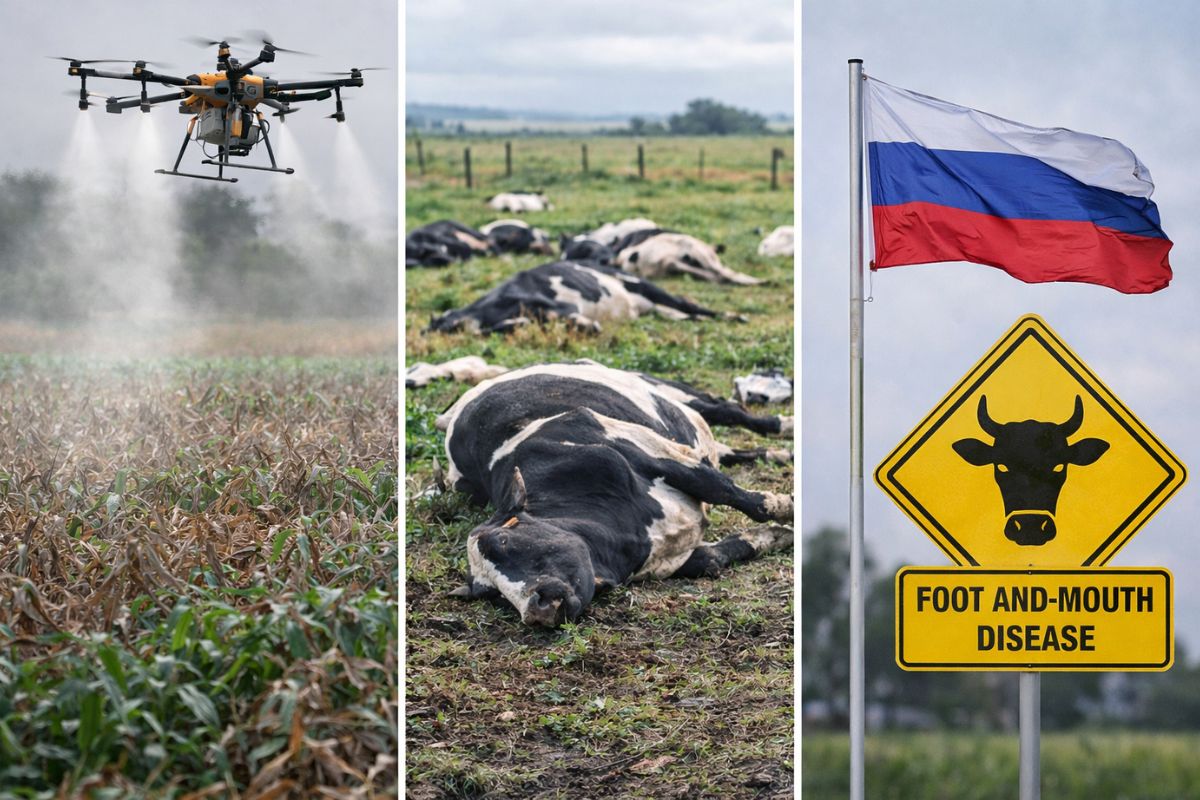
Agricultural drone sprayed poison into the air and destroyed the neighbor’s crops, causing 1 million in damages; 48 cows died from nitrite poisoning in the pasture, and Russia is hiding a possible outbreak of foot-and-mouth disease: the week was brutal for the rural sector.
-
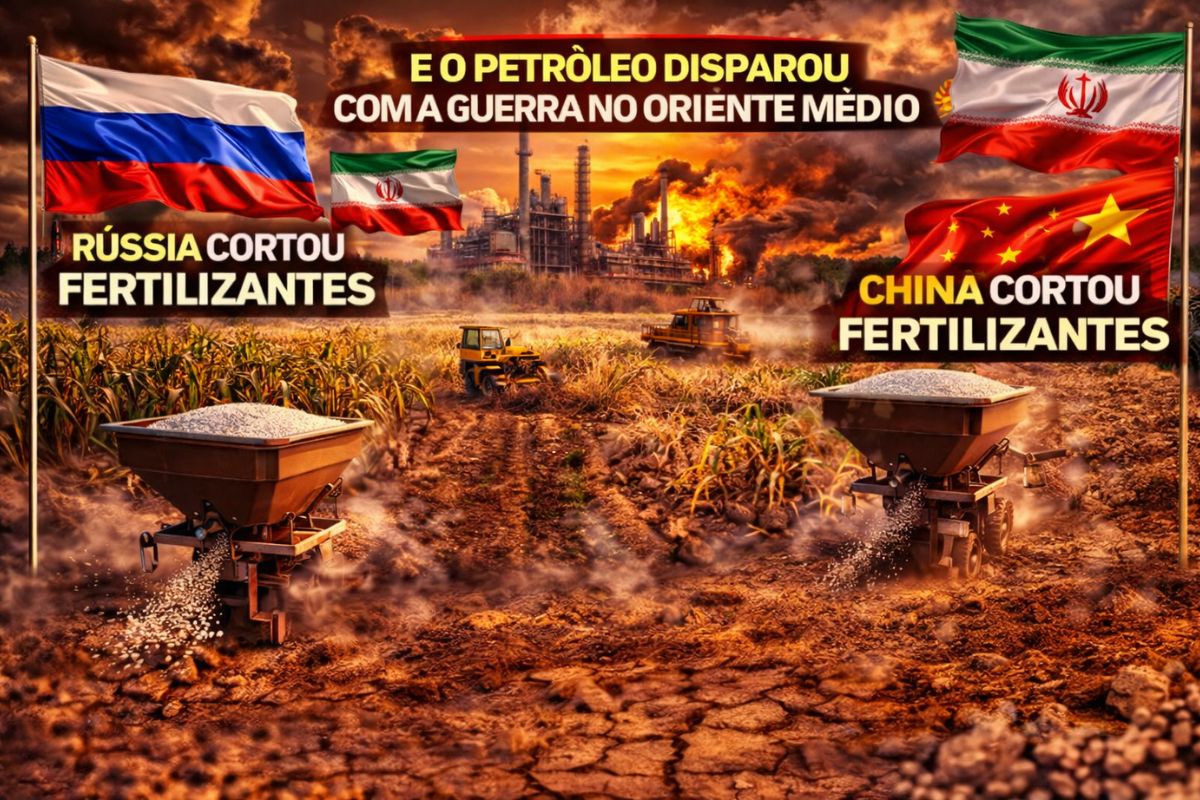
Russia cut fertilizers, China cut fertilizers, and oil prices soared with the war in the Middle East: sugarcane producers in the interior of São Paulo are seeing costs explode from all sides and warn that the effects will take months to be absorbed.
According to the Brazilian Institute of Geography and Statistics, meat inflation accumulated over 12 months hit 23.63 percent in June 2025 and then fell to 5 percent in November, signaling that beef lost shelf strength for several months.
The improvement coincided with an exceptional volume of animals going to slaughter, filling cold storage and shelves in the domestic market.
Brazil Takes Global Leadership in Beef Production
The same cycle that reduced beef prices in the short term also positioned Brazil historically.
With a very high slaughter volume, the country surpassed the United States and became the world’s largest beef producer in 2025, according to data from the U.S. Department of Agriculture.
In the third quarter of 2025, 11.2 million head of cattle were slaughtered, the highest number for this period since 1997 in the IBGE series.
Even the slaughter of females set records, surpassing that of males for the first time, showing how the sector accelerated to take advantage of the favorable moment for exports and international demand for Brazilian beef.
Consumers Switch from Beef to Chicken, Processed Meats, and Eggs
The price surge over the past few years has forced beef to hit the ceiling of the budget. According to analyst Fernando Iglesias, beef became so expensive that Brazilian consumers could no longer absorb new price increases, resulting in a clear shift in monthly shopping habits.
With the cost of beef weighing heavily on budgets, many families began prioritizing chicken, processed meats, and eggs, cheaper proteins that perform well in everyday cooking.
This substitution movement helped to slow meat inflation at the end of 2025 and explains part of the temporary reprieve in barbecues, pots, and restaurants.
U.S. Tariff Changes Course, but Exports Remain Unaffected
The U.S. tariff on Brazilian beef could have lowered prices further in Brazil if the industry had found no outlet for its production.
However, in practice, processors redirected beef to other markets and maintained a strong flow of shipments.
Iglesias highlights that while the industry stopped selling to the United States, it found other buyers in the global market and managed to sell products at scale.
Beef exports remained strong in July, August, September, October, and November 2025, helping to sustain demand and preventing an even greater excess of domestic supply.
Tighter Beef Supply in 2026 Expected to Pressure Prices
The issue is that a year of record slaughter does not come without consequences.
After sending so many females to slaughter in 2025, the trend in 2026 is for ranchers to hold back more breeding females on farms to produce calves, which reduces the number of cattle available for slaughter and beef production in the short term.
With fewer cattle ready for slaughter and exports still strong, the supply of beef in the domestic market tends to become tighter, pushing prices back up. Iglesias summarizes the situation by stating that, in an initial analysis, consumers should prepare to pay more for beef in 2026, both for barbecue cuts and everyday pieces.
China Is a Decisive Factor for the Future of Brazilian Beef
One of the key points of attention for 2026 is China’s behavior, the largest buyer of Brazilian beef.
The country is evaluating the adoption of safeguards for the product, assessing the impact of imports on local production. Depending on the nature of these measures, the pricing dynamics of beef may change completely.
If China imposes very restrictive quotas or heavier barriers, part of the beef currently destined for the Chinese market may become trapped in Brazil, increasing domestic supply and alleviating some of the upward pressure expected for 2026.
In this scenario, the country would shift from a situation of tighter beef supply to one of increased availability for consumers.
However, if the restrictions are not that severe or never materialize, the most likely outcome is that the combination of a recovering herd with steady exports will keep beef prices at a high level, with noticeable impacts on monthly purchases and dining out.
And you, are you ready to adjust your menu or reduce consumption if beef prices rise sharply again in 2026?









E vi comentários que o Brasil manda pra fora e o brasileiro paga mais caro ,tem que vender pra fora movimenta a economia quantos empregos os frigorífico mantém movimenta o transporte tanto por terra e por mar tem que manter o preço pro rebanho não diminuir se o rebanho diminuir aí pode elevar muito o preço pro consumidor brasileiro
Infelizmente o brasileiro só pensa em si
Mesmo. Um país que produz de tudo.
E o povo brasileiro só si fera pois tudo que produzimos vai embora e temos que pagar
Mais pelo alimento que fica.
Pois lá fora tudo e mais barato.
Não dá para entender. Somos **** de mais para aceitar.
Ou o nosso salário e muito pouco.
Ou precisamos de um presidente que pense
Mais no país ou em seu bolso.
Estamos todos gerados.
Entra e sai presidente e não muda nada só
Piora.
Muitos mamando nas nossas costas através
Dos nossos impostos.
E não fazem nada para mudar.
O meu pai a muitos tempos já dizia nunca
Vai mudar só vai piorar.
Ele tava certo disto.
Hojê nada mudou só piorou.
E o povo brasileiro ó.
E o produtor é o único que não ganha com isso. Ganham os frigoríficos e o varejo ,setores que estão muito concentrados o monopólio é grandem