





 Portuguese
  English
  Spanish
  6 min of reading
  0 comments


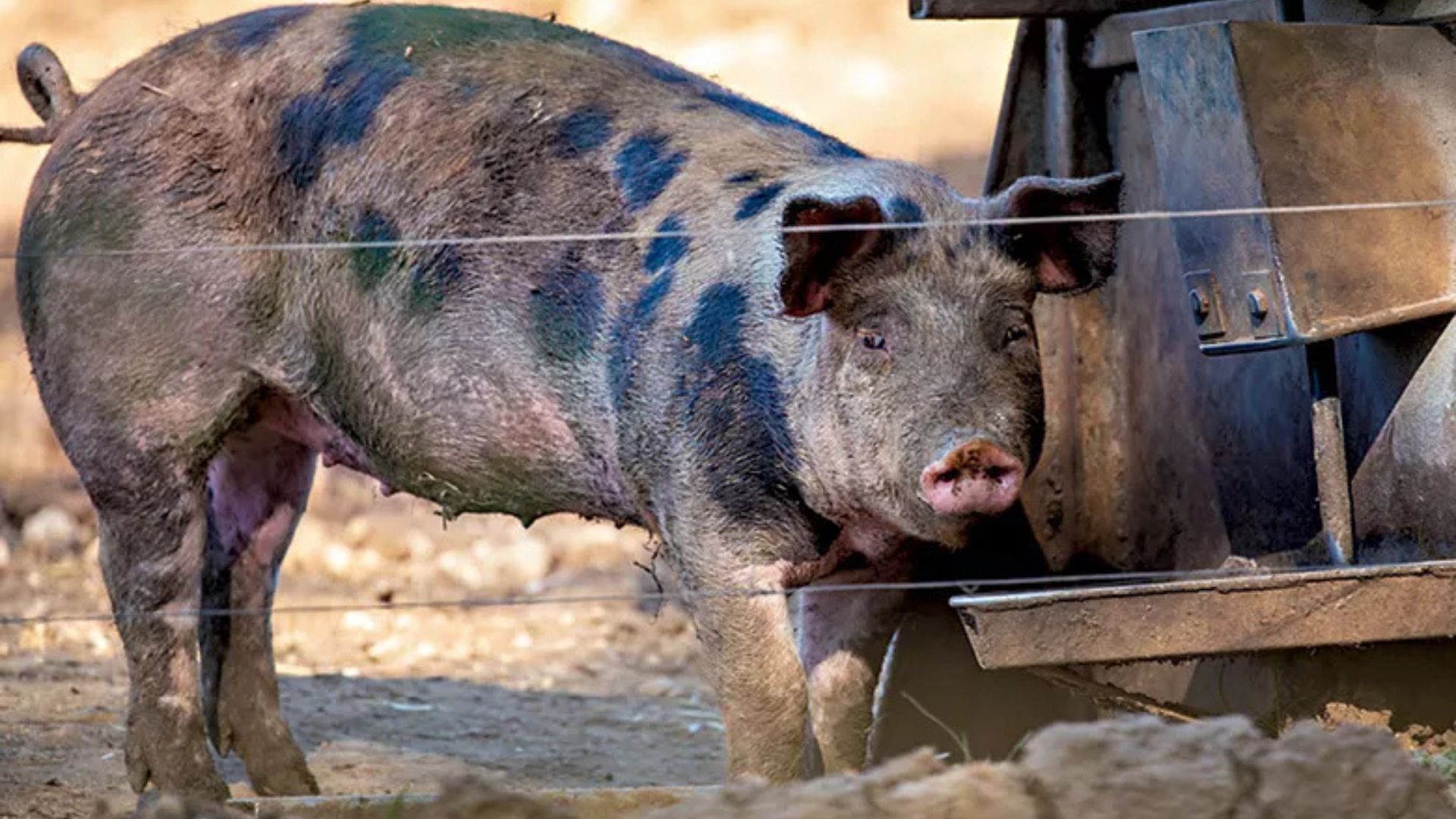
Premium Market Boosts Free-Range Pork By Prioritizing Breeding Time, Varied Feeding And Low-Stress Management.
Free-range and artisan-raised pork has gained traction in the Brazilian gourmet segment by offering a set of attributes that producers and chefs describe as difficult to replicate in intensive pig farming.
Instead of prioritizing short cycles and standardization, this model bets on more breeding time, varied feeding, and lower stress management, factors associated with marbling, juice retention, and fat with a more pronounced flavor profile, especially valued in charcuterie and slow-preparation cuts.
This movement occurs in parallel with the performance of the industrial sector, structured for volume, efficiency, and predictability.
-
The sugar-energy sector advances with agricultural technology, but agricultural productivity still raises concerns.

-
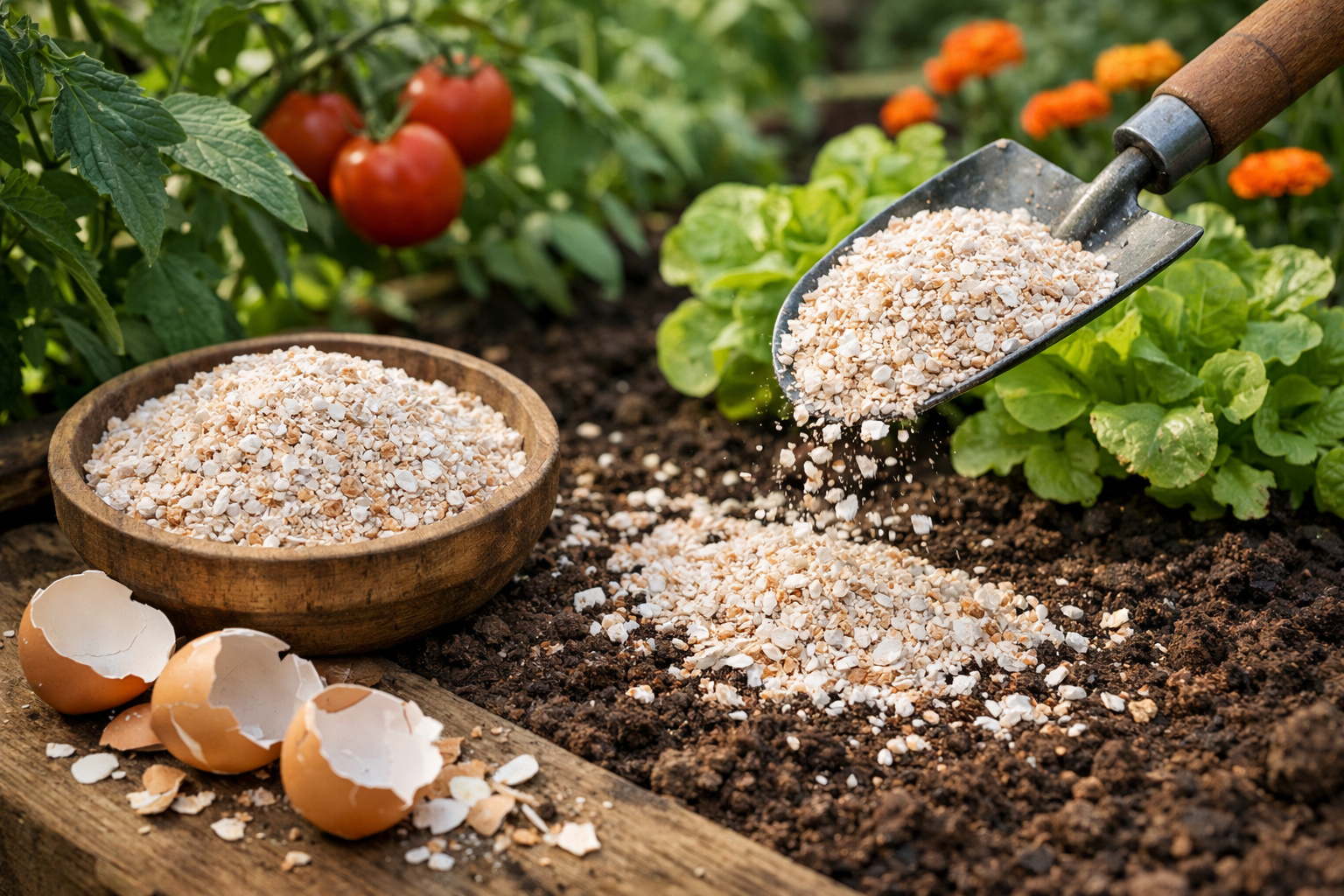
The eggshell that almost everyone throws away is made up of about 95% calcium carbonate and can help enrich the soil when crushed, slowly releasing nutrients and being reused in home gardens and vegetable patches.
-
This farm in the United States does not use sunlight, does not use soil, and produces 500 times more food per square meter than traditional agriculture: the secret lies in 42,000 LEDs, hydroponics, and a system that recycles even the heat from the lamps.

-
The water that almost everyone throws away after cooking potatoes carries nutrients released during the preparation and can be reused to help in the development of plants when used correctly at the base of gardens and pots, at no additional cost and without changing the routine.


However, when it comes to sensory experience, the discussion shifts from being merely cultural to technical foundations: the slaughter age, how the animal deposits fat during growth, and what it eats — either in the trough or on pasture — during its life.
Breeding Time And Physiological Maturity
In intensive production, efficiency is often measured by the speed at which the animal transforms feed into weight, focusing on leaner carcasses.

This arrangement, by design, seeks to shorten the duration of the pig in the farm, reducing cost per kilo and increasing turnover.
Technical studies and publications about production systems cite slaughter ages around 140 to 150 days in certain finishing contexts, although practices may vary due to genetics, target weight, and management.
In free-range and artisan systems, it is common to find longer cycles.
By extending breeding, the producer is not just “waiting longer”: they allow the animal’s physiology to progress to stages in which fat deposition becomes more relevant in the carcass composition.
This detail is decisive for the perception of tenderness and juiciness, as part of the flavor is concentrated in the lipids and aromatic compounds carried by the fat.
Moreover, the maturity of the connective tissue accompanies the growth rate.
When the animal grows at a slower pace, the meat structure tends to respond better to heat and cooking time, with less water loss.
In practice, this helps explain why some cuts “hold” juices better and have a more stable texture in preparations that require patience.
Marbling And Intramuscular Fat In Pork
The industrial quest for lean meat is connected to genetic selections and nutritional strategies aimed at maximizing muscle with low-fat content.
For the commodities market, this is a coherent goal: it standardizes the product and facilitates large-scale commercialization.
In gastronomy, however, the logic changes.
Marbling, which is the intramuscular fat distributed among the fibers, acts as a flavor reserve and as “insurance” against dryness.
Even when the cut is well executed, meat with little intramuscular fat usually has a narrower margin for error in the kitchen.
When marbling occurs naturally, it contributes to the sensation of tenderness and to the aroma that intensifies during cooking.
At this point, the difference in time and strategy weighs heavily.


The attempt to approximate the result solely through feed adjustments and technology may increase zootechnical performance, but does not fully resolve the issue of sensory profile, as part of this profile depends on the animal’s biological rhythm and the way the fat accumulates and transforms over months.
Food Terroir And Flavor In Pig Fat
In the charcuterie universe, the term “terroir” has been used by producers and consumers to describe the impact of diet and environment on the final taste of the meat.
In free-range systems, especially when there is access to outdoor areas, pigs can consume a more varied combination of ingredients beyond grain-based diets.
This diversity tends to influence the fat, which carries compounds responsible for aromas and flavor notes perceived in the fresh cut and, even more clearly, in cured products.
On the other hand, the industrial diet is designed for nutritional predictability and cost, often supported by widely used ingredients in the sector.
This is not a flaw in itself: it is a requirement of scale.
The limit appears when the goal shifts to producing a “origin flavor,” marked by seasonal variations and a food signature that cannot be replicated solely with additives.
Still, the direct association between “feed” and “artificial flavor” needs caution.
What the technical literature discusses more clearly is how management and pre-slaughter stress, in addition to genetic factors, interfere with pH, color, and water retention capacity — elements that the consumer perceives at the first bite, even before thinking about origin.
Pre-Slaughter Stress And Pork Quality

One of the most cited points by research on pork quality is the relationship between stress and biochemical changes in the muscle.
When the animal undergoes intense stress before slaughter, there may be a rapid drop in pH and changes that result in PSE meat, an acronym for “pale, soft, exudative,” associated with a paler appearance, a softer texture, and greater loss of water.
In straightforward terms, it’s the meat that “releases liquid” easily and tends to be less juicy.
At the other extreme, literature also describes DFD meat (“dark, firm, dry”), linked to higher pH and other consequences for stability and shelf life, as well as technological risks in processing.
The central point, for the premium market, is that variations in pH and water retention affect color, texture, and yield, impacting both fresh cuts and the production of cured meats.
Free-range systems, when well managed, tend to emphasize lower density, more space, and less intensive management routines.
This does not eliminate the risk of stress, but it can reduce triggers associated with rushing, transport, and aggressive handling.
In practice, the expected result is meat with more predictable behavior in the kitchen and in processing, especially when the goal is to produce long-cured salamis, copas, and hams that depend on stable raw materials.
Local Breeds And Differentiation In The Premium Market
The appreciation of free-range meat also reopens space for breeds and lineages adapted to the Brazilian territory, often cited in conservation projects and in discussions about product differentiation.
The Piau breed, for example, is described in academic and extension materials as a national breed, with a history linked to traditional systems and reports of well-marbled meat, a point of interest for higher value-added products.
When the debate reaches Canastra, there is a nomenclature issue that requires precision.
The term most documented in open sources is “canastrão pig,” cited as a breed or type associated with Brazil, although there are records of crossbreeding and difficulty in standardization.
Still, the reference appears frequently as a symbol of traditional pig farming and as an example of a “rough diamond” that can support origin narratives, as long as the project is technically well-structured and traceable.
The comparison with European icons, such as the Iberian pig, often arises in this context because it helps explain an economic strategy: moving away from the commodity market and building value with well-being, traceability, breeding time, and regional identity.
For producers, the challenge is to transform difficult-to-standardize attributes into objective guarantees for buyers, whether through certifications or through handling and slaughter protocols that preserve what the premium consumer is paying to experience on their plate.
If free-range meat establishes itself as a response to a consumer seeking flavor, texture, and origin history, the question remains: how far will the Brazilian chain manage to organize scale, minimum standardization, and transparency without losing precisely what makes this product different?









-

-

-

-

-

13 pessoas reagiram a isso.