





 Português
  Inglês
  Espanhol
  4 min de leitura
  0 comentários


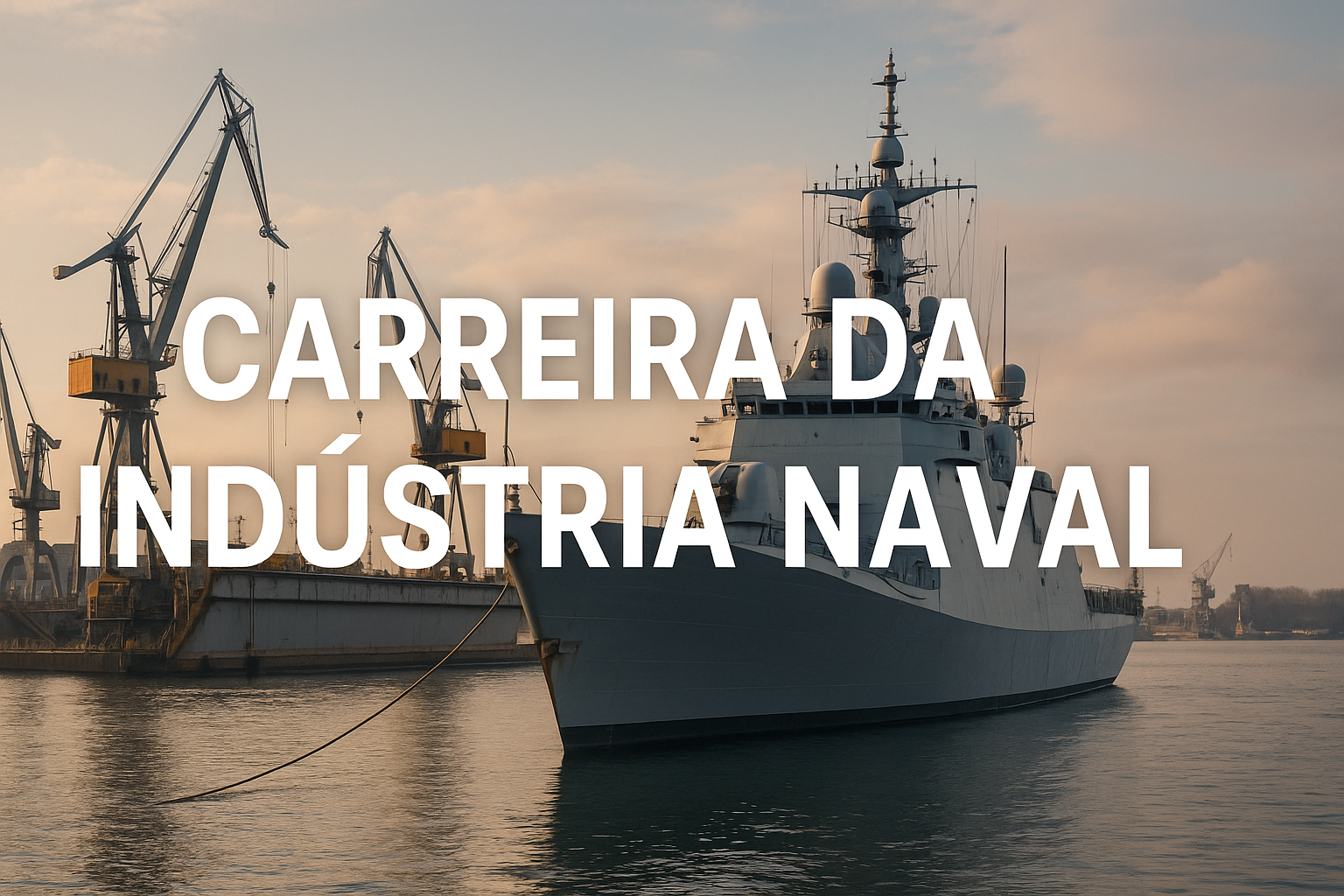
Discover Why a Career in the Shipbuilding Industry Remains Strategic, Full of Opportunities, and Essential for Global Economic Development.
The shipbuilding career has its roots deeply embedded in the history of humanity. From the earliest civilizations that used rudimentary vessels to cross rivers and seas, this field has played a fundamental role in trade, defense, and economic progress.
According to naval historian Brian Lavery, the development of the first oar and sail boats, around 5,000 years ago, paved the way for trade exchanges between distant peoples and cultural expansion.
Therefore, despite current technological advancements, the shipbuilding industry remains vital for the growth of nations.
-
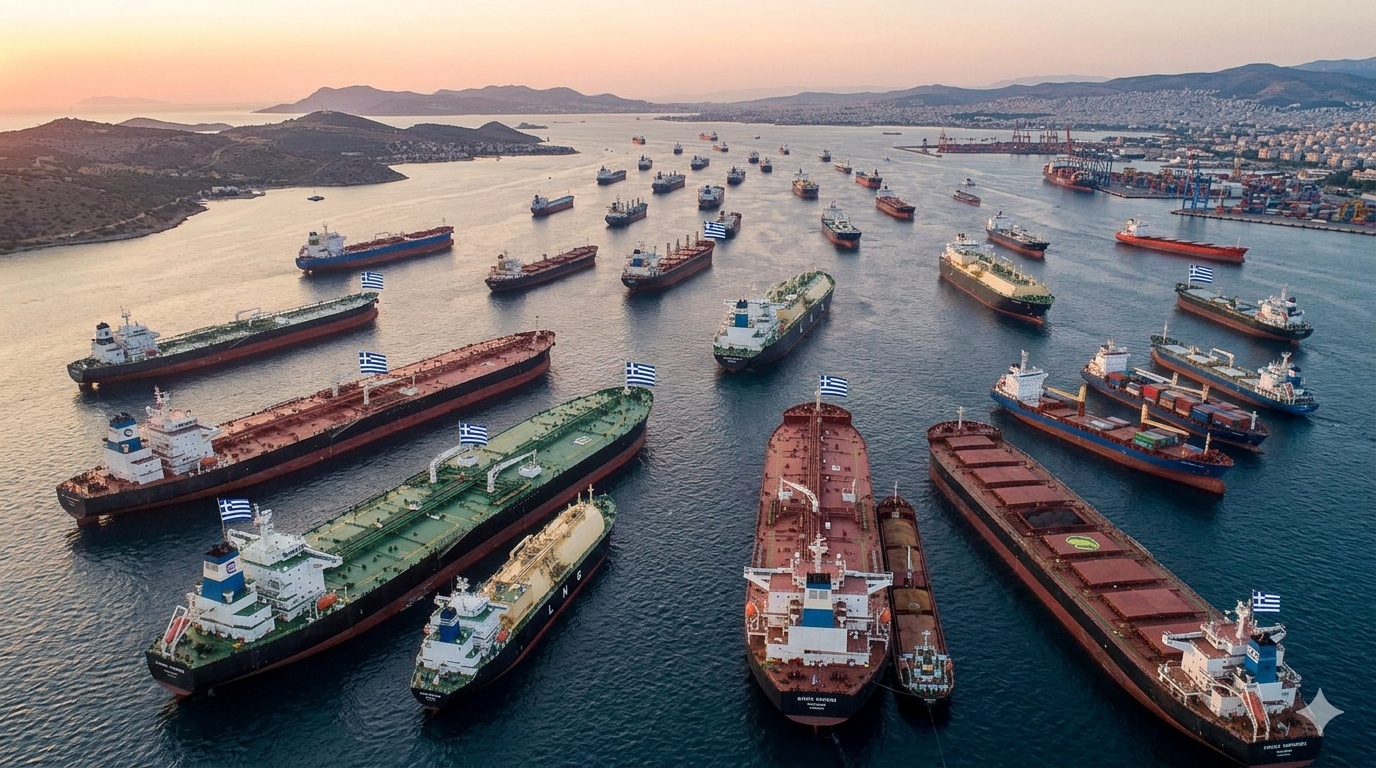
Neither the USA nor China: a small European nation has become one of the largest maritime powers on the planet, controlling one of the largest merchant fleets in the world with thousands of ships and dominating the global transportation of oil and strategic cargo.
-
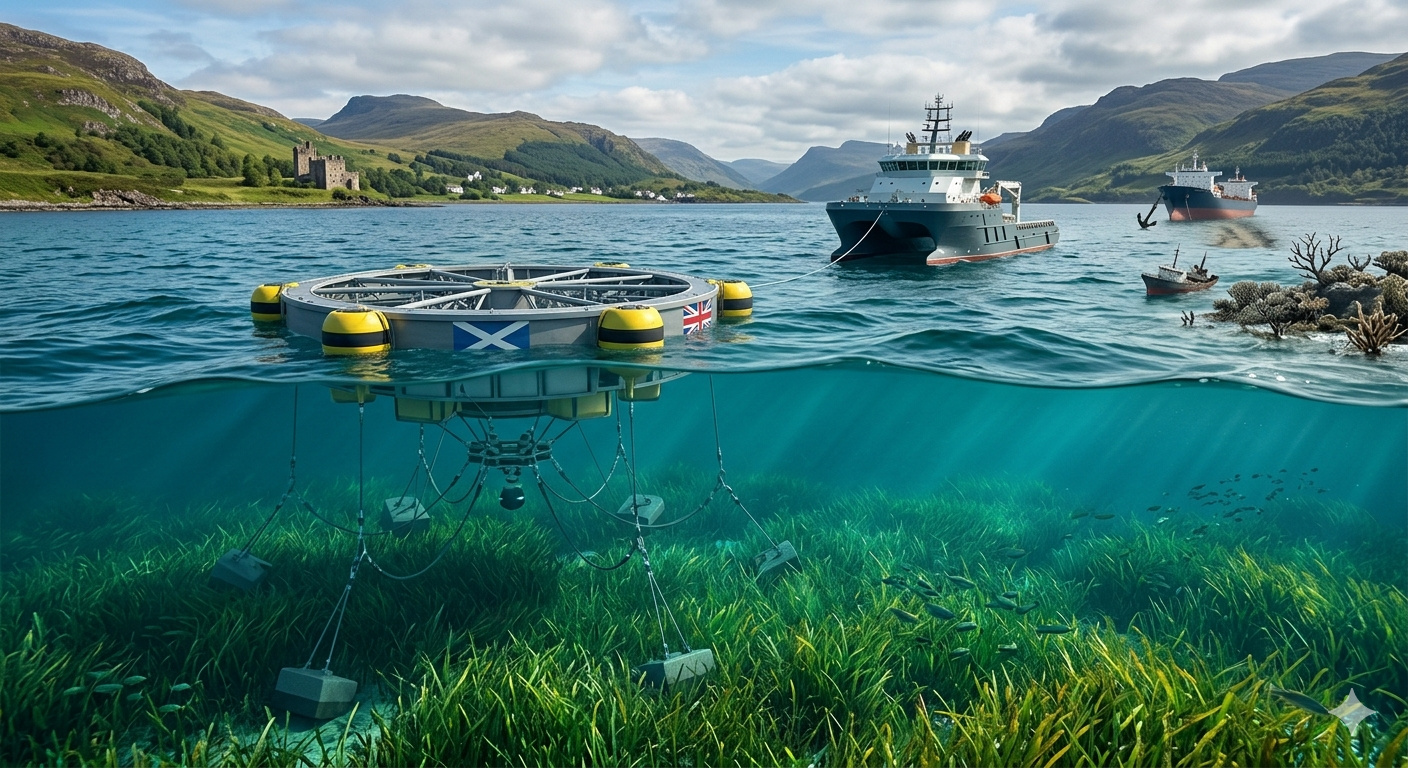
Scotland and the United Kingdom have created a new anchoring system that floats in the water without touching the seabed, after discovering that the current from a conventional anchor destroys up to 50 m² of seagrass meadow per event and that ship-damaged reefs showed no signs of recovery even ten years later.
-
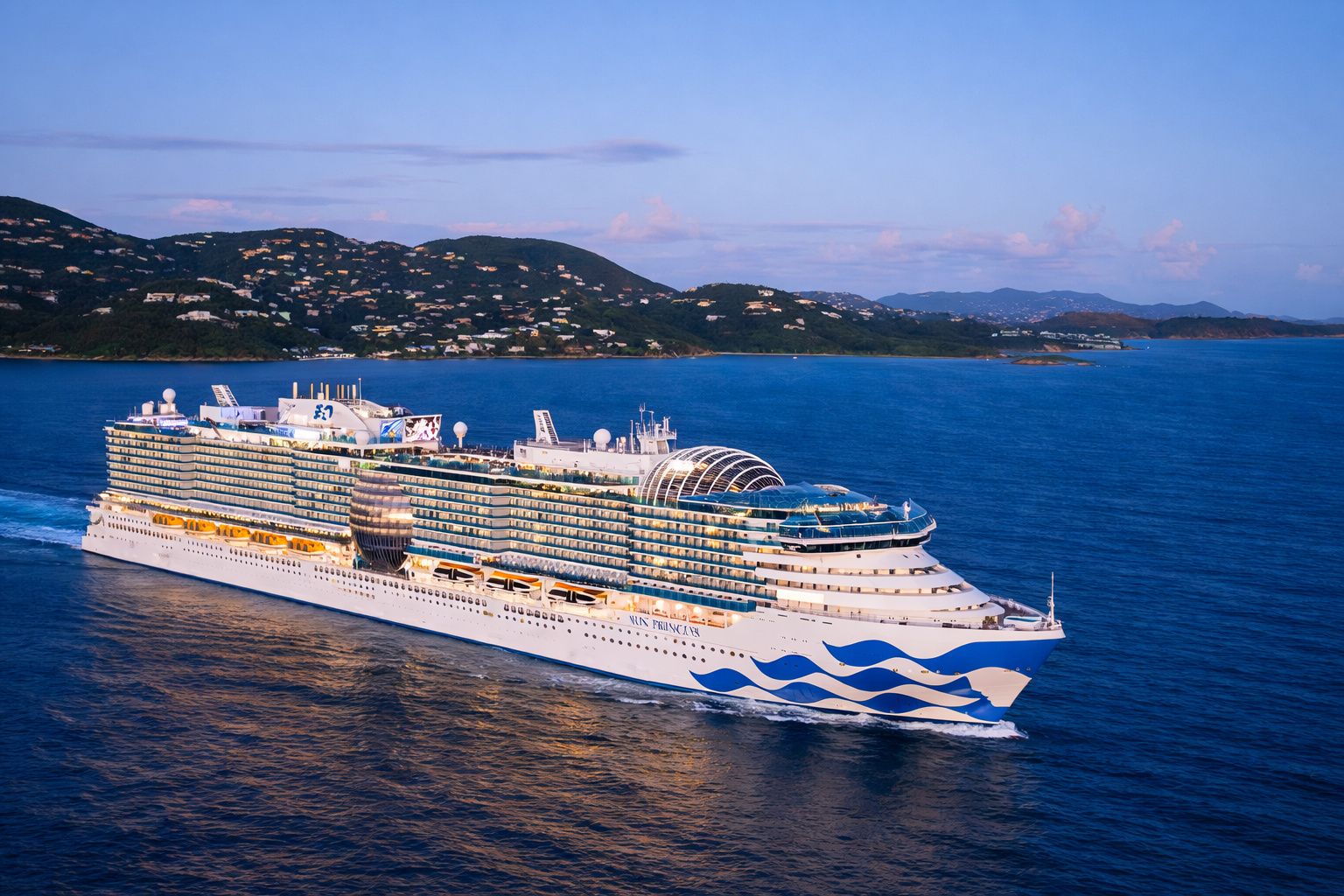
Weighing 175,500 Tons, Measuring 345 Meters Long, and With Capacity for Over 4,300 Passengers, the Sun Princess Becomes the Largest Ship Ever Built by Princess Cruises and Attracts Global Attention for Its Huge Glass Dome Inspired by Santorini’s Architecture Installed on Top of the Vessel
-
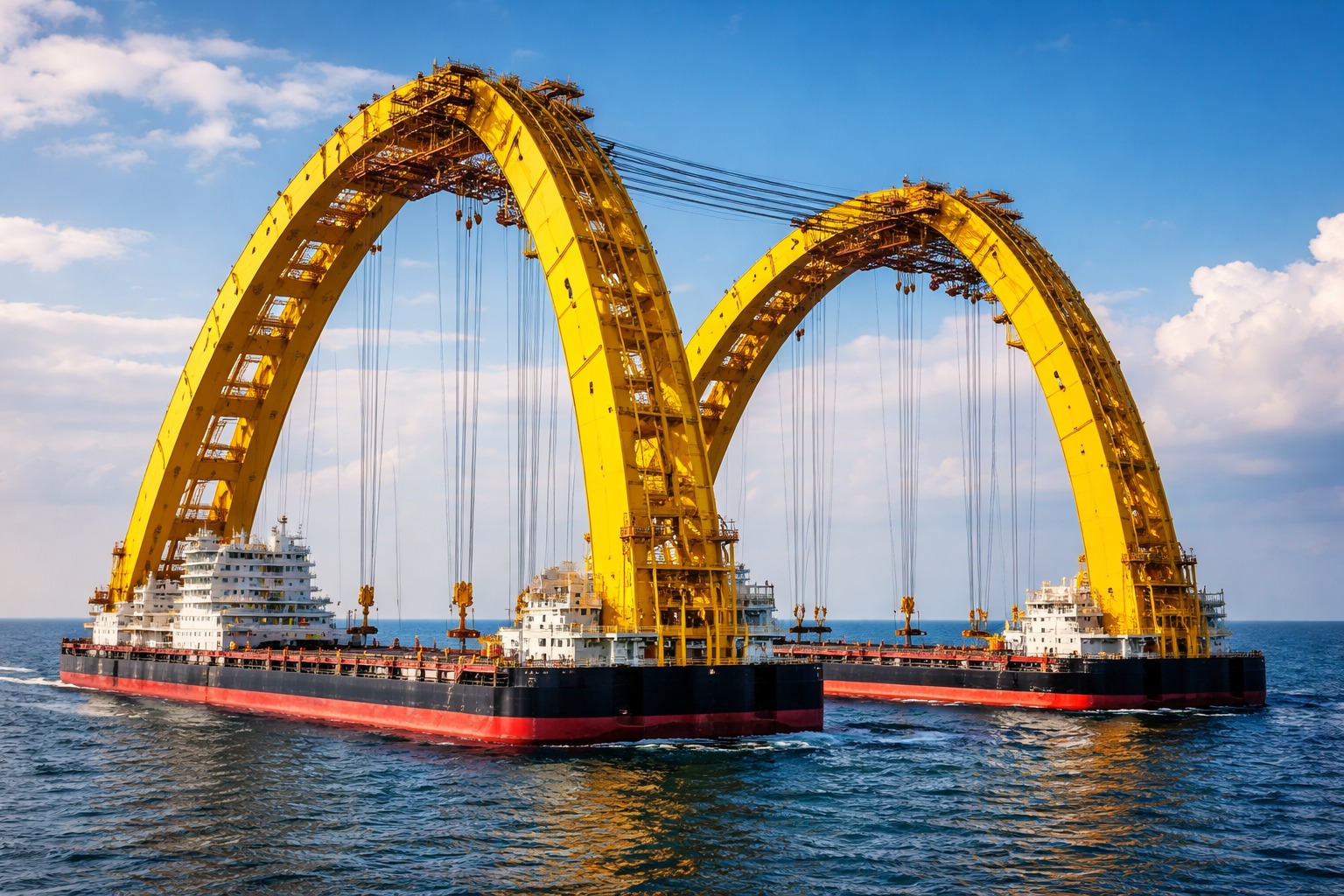
TX-10, The Colossus of The Sea: Largest Lifter Ship in The U.S., With Two Giant Barges, 73-Meter Tall Structure, and Strength to Raise 7,500 Tons of Sunken Oil Rigs

Understanding the trajectory and impact of this sector is essential for those seeking a solid career with a real impact on society. In this article, you will see the historical relevance, current landscape, and professional possibilities in the shipbuilding industry.
A History That Crosses Oceans
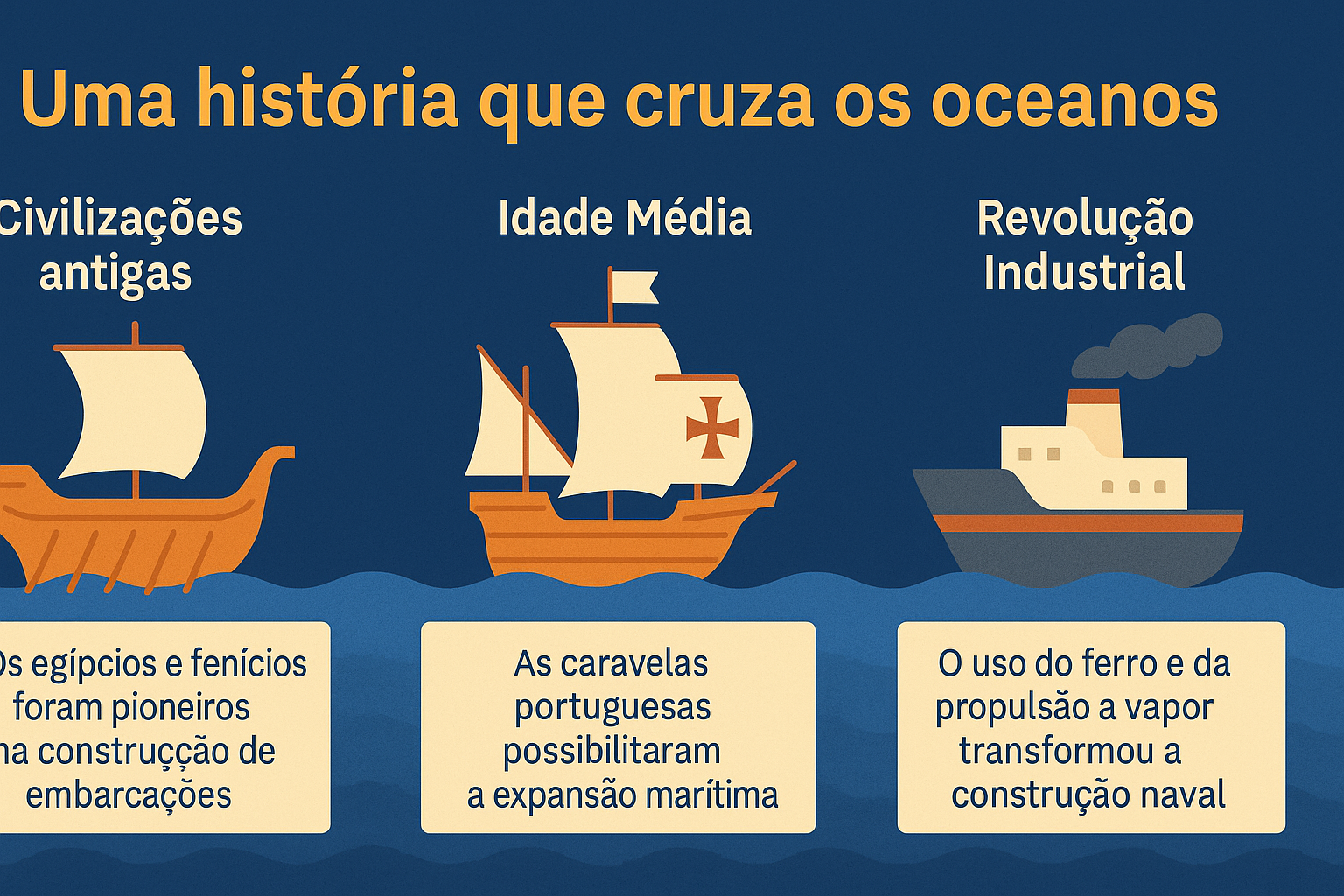
To understand the shipbuilding industry, we must go back thousands of years. Ancient peoples, such as the Egyptians and Phoenicians, were pioneers in building vessels that served trade and exploration.
According to the National Maritime Museum of the United Kingdom, these civilizations used boats for transporting goods and for military purposes, laying the foundations for ship construction.
During the Middle Ages, the construction of Portuguese caravels revolutionized navigation, enabling the Age of Discovery.
According to historian Geoffrey Parker, the caravels of the 15th century allowed European maritime expansion, boosting global trade and colonization.
With the Industrial Revolution, the use of iron and steam propulsion transformed the shipbuilding industry, making ships faster and more durable.
As recorded by the Smithsonian Institution, steam-powered ships created new trade routes and changed the global economic dynamics.
The advancement continued, and today, the shipbuilding industry features digital systems, automation, and modern materials that enhance vessel efficiency.
The International Maritime Organization (IMO), established in 1948, regulates safety and sustainability in the shipbuilding industry, ensuring responsible sector development.
What Is the Shipbuilding Industry?
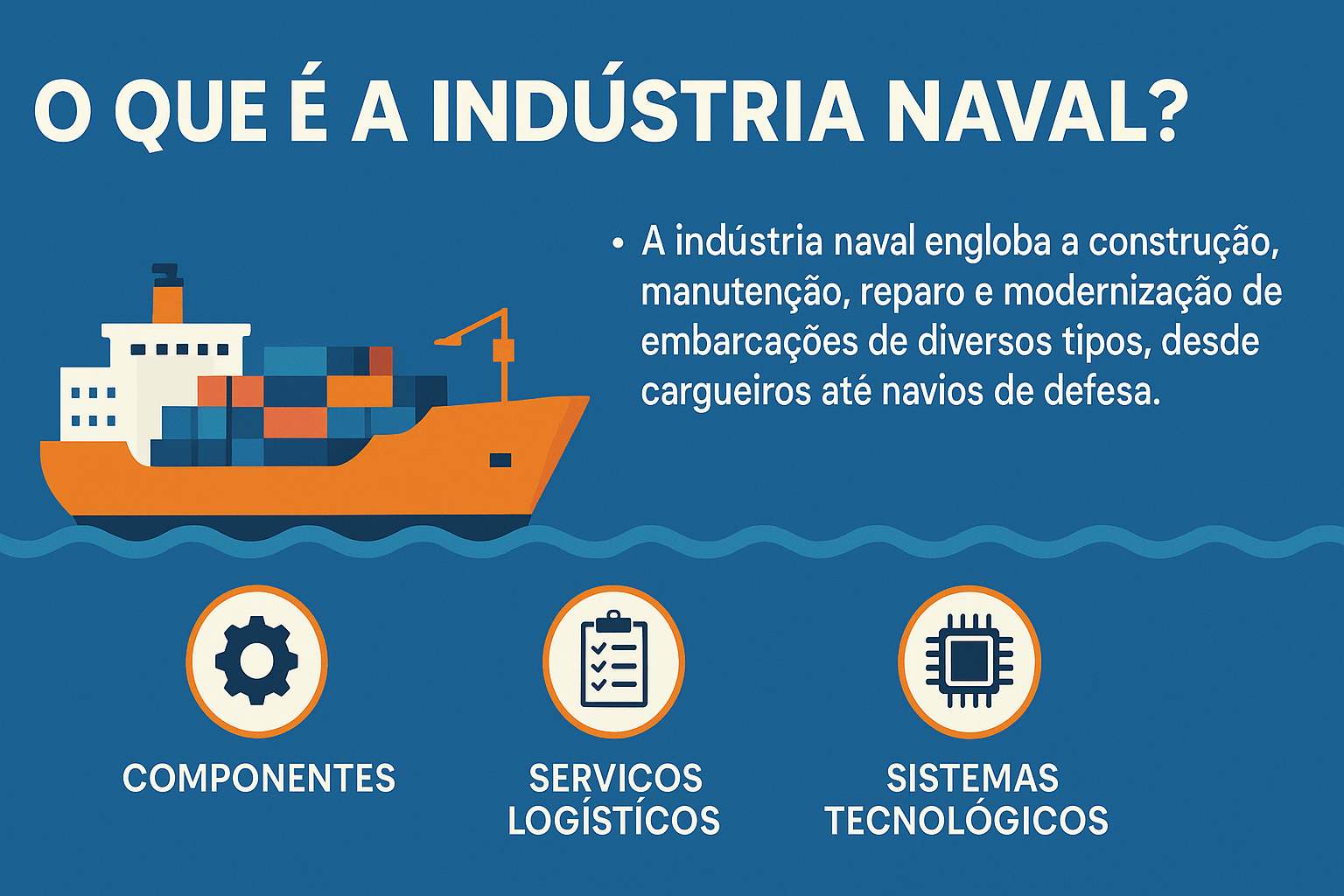
The shipbuilding industry encompasses the construction, maintenance, repair, and modernization of various types of vessels, from cargo ships to defense ships.
Additionally, according to the Brazilian Association of Shipbuilding and Offshore Industry (ABINAV), it includes companies that produce components, provide logistics services, and develop technological systems for vessels.
Professionals in naval engineering, metallurgy, automation, logistics, and other technical fields are essential for the industry’s functioning.
The shipbuilding industry also connects to sectors such as steelmaking, oil, and gas, according to data from the Brazilian Ministry of Economy.
Therefore, professional opportunities are vast and encompass technical environments to administrative and managerial positions.
Why Pursue a Career in the Shipbuilding Industry?
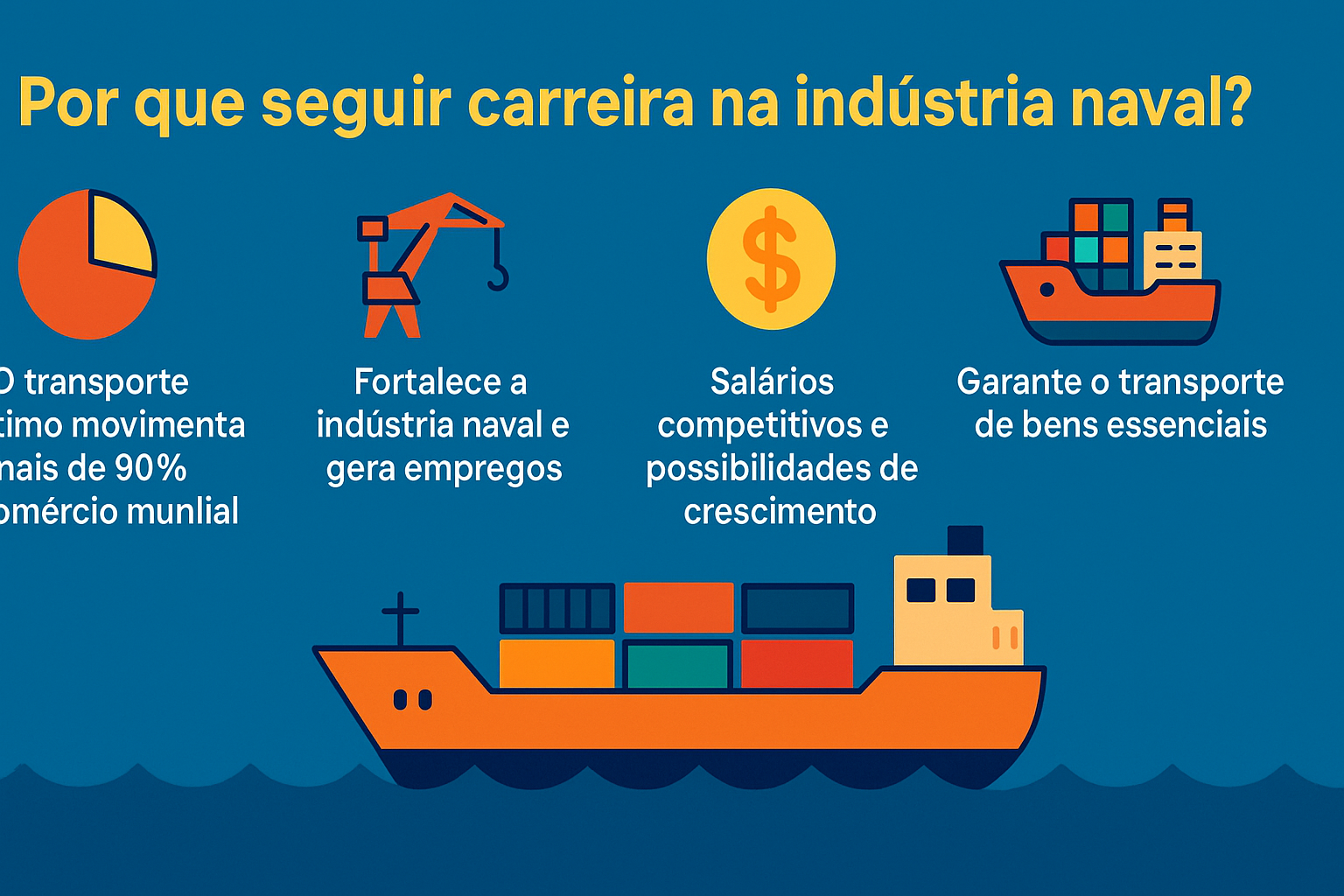
The importance of the shipbuilding industry becomes evident when considering that maritime transport accounts for over 90% of global trade, according to the World Trade Organization (WTO).
Thus, professionals working in the sector contribute directly to global supply and the economies of countries.
Governments, such as Brazil’s, invest in shipyards and technology to strengthen the shipbuilding industry and generate jobs, as reported in 2023 by the Ministry of Economy.
In addition to stability, the career offers competitive salaries and growth potential both nationally and internationally.
According to a report from the International Labour Organization (ILO), the naval sector generates millions of jobs globally and has a high demand for skilled labor.
The purpose of this profession goes beyond technical work: it ensures the transport of food, medicine, and essential fuels, especially in crises.
Areas of Expertise and Professional Profiles
The shipbuilding industry allows for various specializations. Naval engineering stands out in the construction and repair of vessels, following projects through to final delivery.
According to ABINAV, there is a growing need for professionals specialized in automation, electronics, and intelligent systems to enhance operational efficiency.
Moreover, maritime logistics demands specialists in route planning, cargo management, and documentation, areas valued in fields such as foreign trade and management.
Technical English is crucial for international communication, as much of the documentation and software is in that language.
The Brazilian Ministry of Economy points out that the demand for professionals in engineering and technology in the shipbuilding industry has significantly grown since 2020.
Professionals who continually update their skills and present a proactive profile have a higher chance of success.
Challenges and Perspectives of the Shipbuilding Industry
Although the shipbuilding industry faces challenges such as global competition and increasingly strict environmental regulations, it also reinvents itself.
According to the National Institute of Technology (INT), since 2022 the Brazilian sector has been investing in sustainable technologies, such as ships powered by clean energy.
Governments and companies are developing projects to reduce emissions and increase efficiency, aiming to maintain competitiveness.
While Asian countries dominate global shipbuilding, there is room for growth in specialized niches and technological innovation.
These trends demand agile and updated professionals who can keep up with changes to seize opportunities.
The shipbuilding career has a solid historical foundation and a promising future. It connects technological advancements with the constant need for maritime trade.
As highlighted by experts and international organizations, this career is strategic for the economic and social development of countries.
Thus, those who invest in it build not just vessels, but a solid future with real-world impact.










Seja o primeiro a reagir!