Portuguese
  Spanish


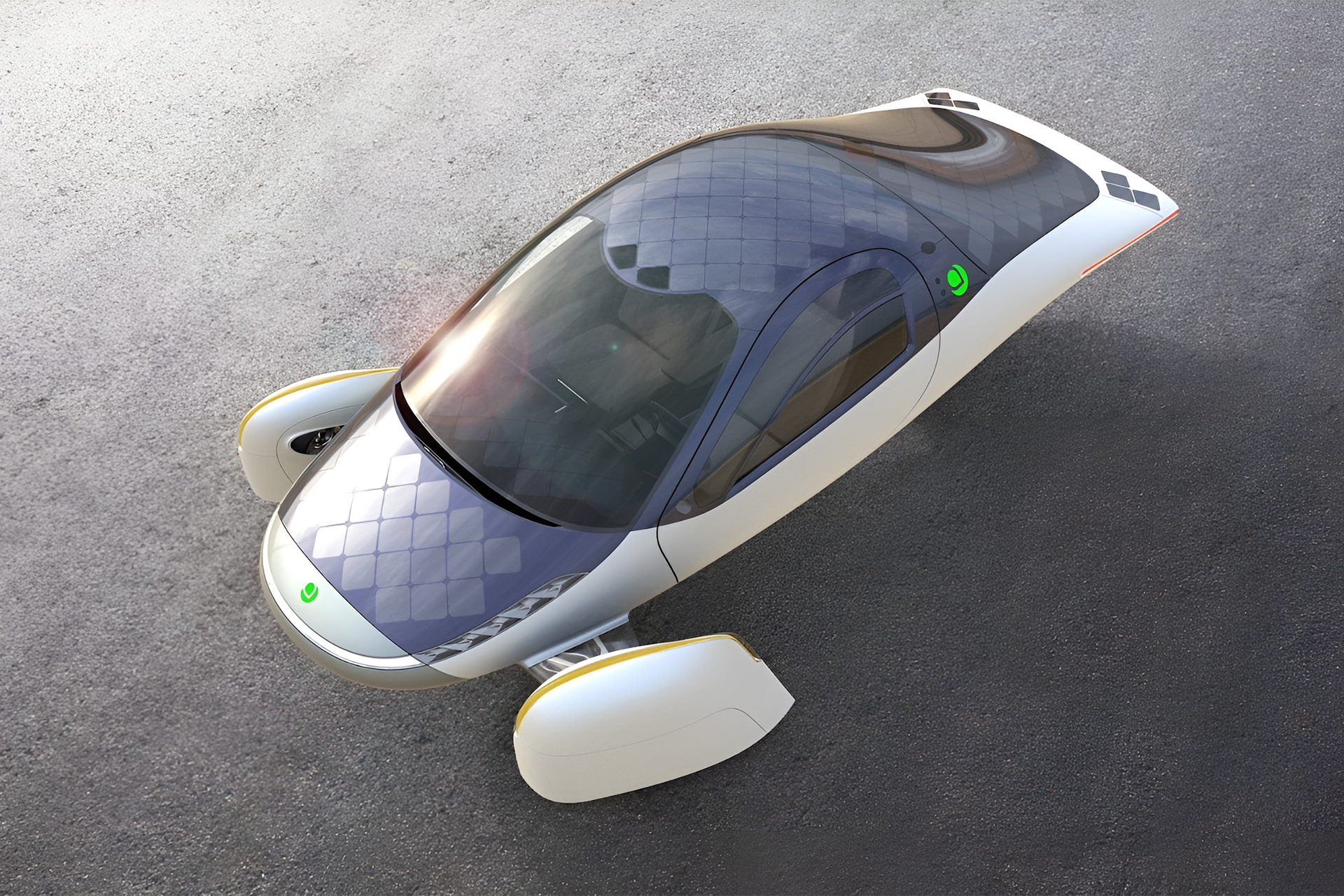

The Solar Car From Aptera Is One of the Most Interesting New Developments in the Rapidly Growing Electric Vehicle Sector. The Car, Which Has Three Wheels and an Unusual Appearance, Has Already Had Its Debut Edition Revealed.
The solar car from Aptera is one of the most anticipated and intriguing newcomers in the electric vehicle market, for good reason. A debut edition of the car has been revealed by the manufacturer, and the vehicle is equipped with three wheels and features a design that is uncommon to see on the streets.
Steve Fambro, co-founder and co-CEO of Aptera, explains: “We have solved the equation for a more efficient way to travel by harnessing the power of the sun and are excited to introduce our Launch Edition vehicle to the world. Our tireless efforts have resulted in the Aptera vehicle, which can take you wherever you want using creative energy directly from our sun, converted efficiently into free motion.”
Aptera claims to have received over 40,000 orders for its solar car. The official post states that it has completed all necessary tests, including lock checks and validation.
-
Discover the 2021 Fiat Cronos 1.3: Affordable Maintenance, Reliable Mechanics, and Fuel Efficiency of Up to 15.6 km/l

-
Cummins Unveils Hydrogen-Powered X15H Engine with Over 800 km Range and 15-Minute Refueling, Challenging Electric Truck Dominance

-
Brazil Faces Surge in Copper Wire Thefts at Electric Car Charging Stations, Leaving Drivers Stranded

-
Chevrolet Onix 2026 Priced at R$ 86,790 with Discounts, Underpricing Citroën C3; Features 1.0 Engine, 6 Airbags, 8″ MyLink, Wi-Fi, and OnStar



The next step for the corporation is to begin annual production of 10,000 vehicles at a single centralized facility. From there, the capacity is expected to expand to 20,000 cars on a double shift per year at the factory in Carlsbad, California.
The Aptera solar car, powered entirely by solar energy, can travel more than 40 miles daily with just 700 watts of the vehicle’s own solar electric technology. The company also added that the model was designed to not require charging via connection to the electrical grid.
This planning was done considering the 29 miles of daily traffic of the typical American driver. But if it becomes necessary to recharge the battery, the car is equipped for that and can be plugged into any standard outlet.
Even Though This Is Not the Vehicle’s Initial Purpose, If Necessary, the Aptera Solar Car Can Be Charged at a Standard Outlet, Taking Only 1 Hour to Charge Enough Energy to Travel About 12 Miles
According to the company, the launch edition of the Aptera solar car can charge more than 12 miles of range in one hour when powered by a standard 120-volt outlet. The battery can charge more than 150 miles overnight.
Aptera, in collaboration with CPC Group, has created a simplified and effective method to produce its Launch Edition vehicles. Using these procedures, we can reduce vehicle delivery times and maximize material efficiency. The use of Aptera’s unique composite body, known as Body in Carbon (BinC), is a crucial part of this process.
When compared to conventional steel or aluminum vehicles, the assembly time of BinC is drastically reduced while still producing high quality and repeatability.
This is just the first step in Aptera’s grand scheme to promote solar mobility. Aptera intends to have no less than eight global assembly facilities for its solar car operating by 2028, after its Launch Edition manufacturing line is up and running.