





 English
  Francês
  Alemão
  Italiano
  Japonês
  Norueguês
  Portuguese
  Spanish
  3 min of reading
  1 comment


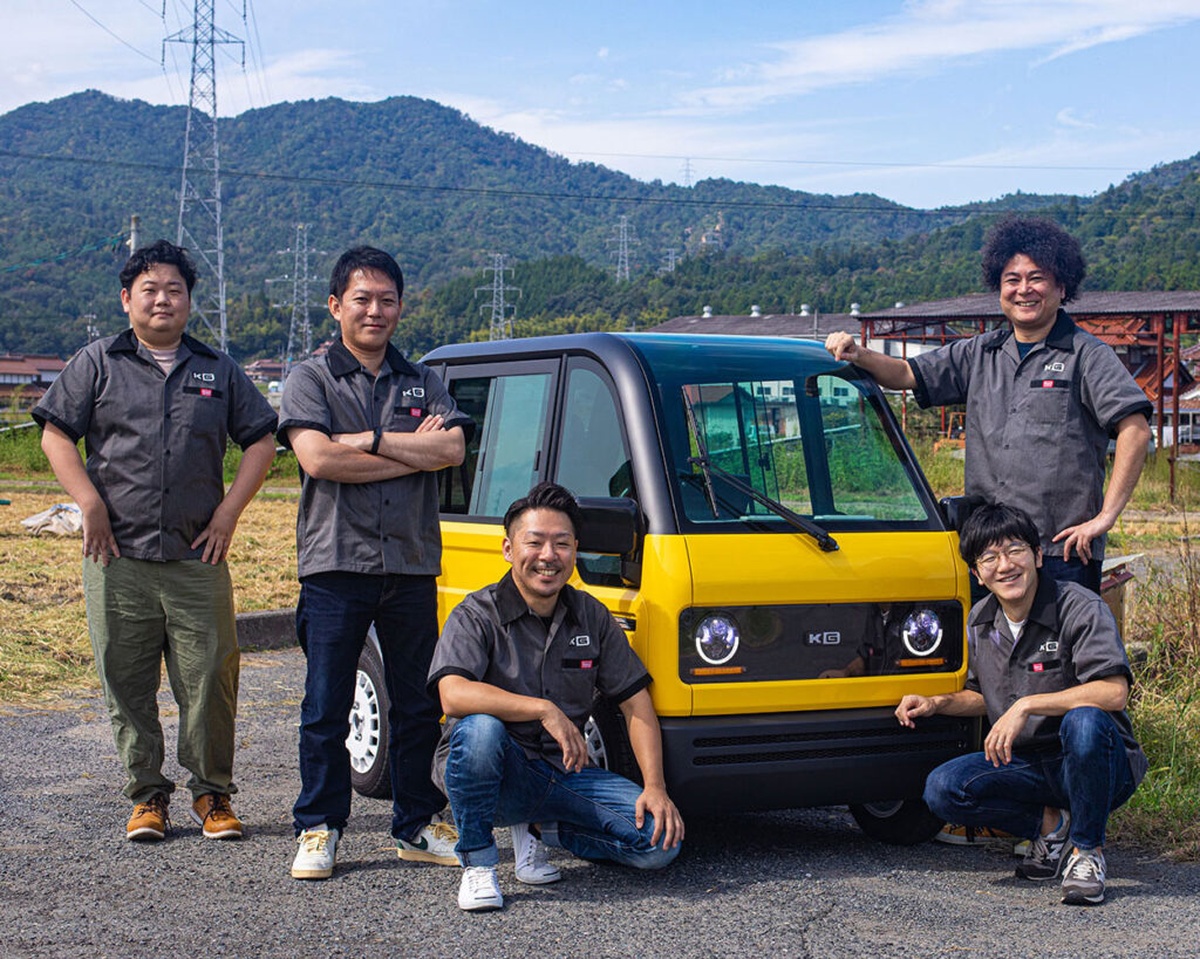


The Japanese Startup KG Motors’ Mini Car Surprises With Affordable Price, Efficient Technology, and Sustainable Production That Already Surpasses Traditional Brands
Amidst the advancement of electric mobility and the growing demand for sustainable solutions, Japan has started to invest in affordable and compact vehicles for urban areas.
In this way, the Japanese startup KG Motors launched the Mibot, a tiny electric car that is only 1.5 meters tall and accommodates just one person.
Additionally, it reaches speeds of up to 60 km/h, has a range of 100 km, and fully charges in just five hours, making it ideal for urban daily life.
-
China Surprises Automotive Industry With Battery That Promises Electric Car Able to Run Up to 1,000 km Without Recharge
-
Why BYD Grew So Fast in Brazil and How Blade Batteries, Electric Cars, and Industrial Incentives Shaped This Expansion in the National Automotive Sector
-
Electric Cars Make Progress in Brazil in 2026 and Promise to Reduce Drivers’ Costs with Cheaper Energy, While Infrastructure Grows Slowly Across the Country

-
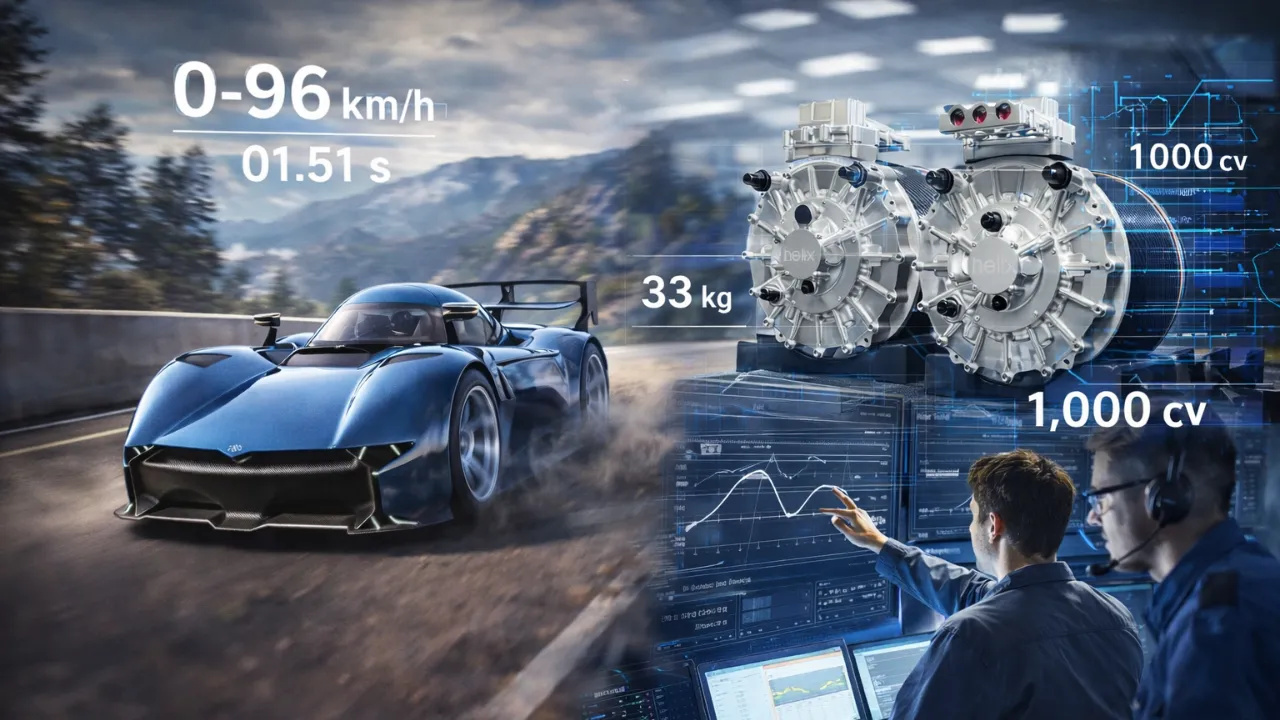
This Helix Electric Motor Weighs Only 33 Kg and Turns the McMurtry Spéirling Into a Compact 1,000 Hp Missile That Takes Just 1.5 Seconds to Reach 100 Km/H

According to the company, its competitive price of US$ 7,000 (equivalent to R$ 39,000) provides an advantage over models like the Nissan Sakura, which costs double.
The Mibot has become the most sought-after model at the moment in Japanese cities.


Minimalist Design Meets Urban Needs With Focus on Efficiency
By adopting a compact shape reminiscent of a golf cart, the Mibot focuses on functional use, with a design geared toward narrow streets and limited parking spaces.
In addition to being small, it is lightweight, efficient, and extremely practical, making it a logical choice for those living in major Japanese urban centers.
According to KG Motors, production will begin in October 2025 at the newly established factory east of Hiroshima, with ambitious expansion plans.
So far, of the 3,300 units planned for delivery by 2027, more than half have already been sold, demonstrating growing interest in the local market.
The model attracts consumers by offering low cost, sufficient range, and simple charging, without exaggerated promises.
Surpassing Expectations and Outdoing Established Competitors Like Toyota
Although many doubted its initial success, the Mibot surprised the automotive sector by surpassing the giant Toyota in electric vehicle sales in the Japanese market.
In 2024, Toyota reported just over 2,000 electric vehicles sold in Japan, which is a modest number for a large brand.
In contrast, KG Motors achieved 1,650 pre-orders for the Mibot even before starting mass production, as reported by the newspaper O Tempo.
This achievement reinforces a clear trend: consumers are seeking economical, simple options that meet new urban and environmental demands.
In other words, the consumption profile has changed, and the Mibot is positioning itself right at the center of this transformation that grows year after year.

The Japanese Electric Vehicle Market Is Experiencing a Slow but Steady Change
Although Japan still has a low adoption rate for electric vehicles, with only 3.5% market share in 2024, “kei cars” are gaining strength.
These ultra-compact cars offer cheaper and more functional alternatives, quickly making models like the Mibot the preferred choice for urban users.
According to O Tempo, the practicality of this type of car attracts drivers facing high parking costs, heavy traffic, and the need for quick movements.
Furthermore, the low maintenance cost and almost nonexistent environmental impact are factors that strengthen its acceptance in the Japanese market.
Therefore, even though total electrification may take time, it is already possible to say that the path to mobility in Japan must necessarily involve vehicles like the Mibot.
KG Motors’ Expansion Reinforces Commitment to Innovation and Sustainability
KG Motors aims to produce up to 10,000 vehicles per year and achieve financial balance by the second production batch.
The company is investing in strategies such as public testing, impact simulations, and events, reinforcing its credibility and consumer confidence.
With this, it also intends to explore foreign markets with a similar profile to Japan, prioritizing densely populated regions with electrification incentive policies.
The factory set up in Hiroshima will have the capacity to scale production according to demand, adhering to the technical standards required by the government and environmental entities.
KG Motors’ expectation is that the Mibot will lead a new era of accessible urban electric cars, with technical appeal and high performance.










Não curti o fato de ter capacidade pra apenas 1 pessoa.