





 Portuguese
  English
  Spanish
  2 min of reading
  0 comments


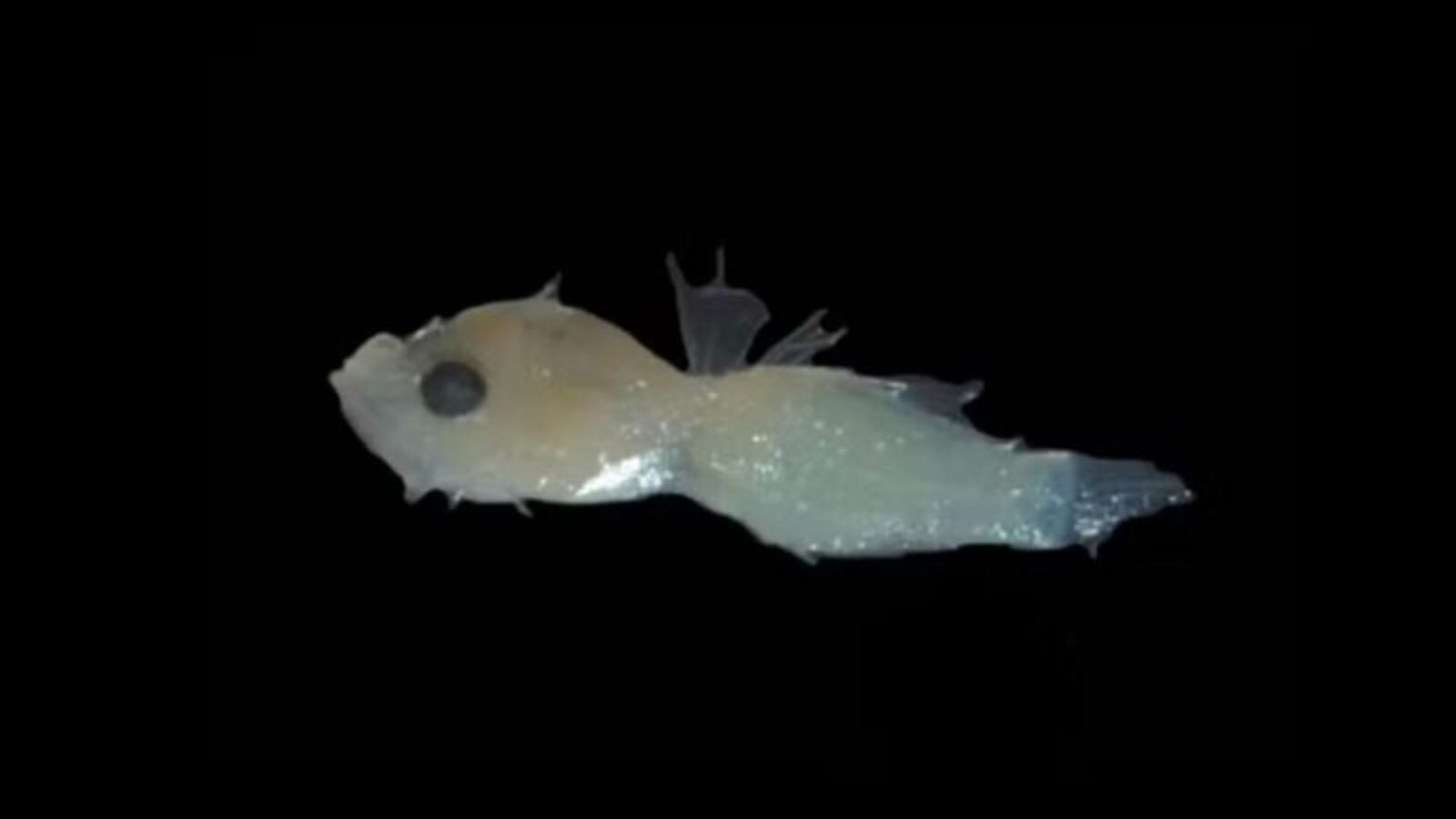
The discovery of a lionfish larva with 9 days of life at the mouth of the Amazon indicates local reproduction of the invasive species, dismantles the hypothesis of a natural barrier of the plume, and expands the alert about risks to the Great Amazon Reef System
Brazilian researchers located at the mouth of the Amazon a 3.9 mm lionfish larva, the largest invasive species in the Atlantic, with 9 days of life, indicating reproduction in the region and dismantling the idea that the river plume would block the predator.
Findings change the scenario
The encounter with the larva surprised specialists who viewed the freshwater plume of the Amazon as a natural barrier against the lionfish, coming from saltwater.
The discovery showed that this blockage did not prevent the arrival of the predator.
-
The end of Japan? Population is disappearing, country loses more than 3 million inhabitants in just five years and birth rate falls for the tenth consecutive year, raising alarm about demographic collapse and lack of workers.

-
China surprises the world by inaugurating a new era: the country will create a “digital ID” for 28,000 humanoid robots from 100 manufacturers, while machines capable of cooking, doing laundry, and caring for the elderly begin free domestic testing in 2027.
-
The world’s smartest ring is now 40% smaller, measures blood pressure signals during sleep, monitors over 50 health metrics, has a battery life of up to 9 days, and features enhanced sensors for more accurate readings on any skin tone.
-
Endless Brazilian: Blumenau resident turns 107 with a lucid memory, autonomy, and more than 100 direct descendants; the secret to longevity involves homemade food, a peaceful routine in the countryside, and simple habits maintained for decades.





Barrier turned filter
According to the material, the highly adaptable species managed to cross the area of turbid and low-salinity water formed at the confluence of the river and the Atlantic. Instead of a definitive blockage, the plume began to function as a brief filter.
Larva expands concern
The most alarming data for researchers was the age of the animal found. At only 9 days old, the larva was not yet developed enough to swim, indicating that the lionfish managed to reproduce in the very region.
Study points to installation
The study by researchers Paula Campos, Igor Hamoy, and master’s student Lucas Corrêa showed that the cycle closed. In practice, this means that the lionfish managed to infiltrate and settle permanently in the region.
The main concern now is the impact on the Great Amazon Reef System, described in the material as one of the most exuberant ecosystems on the planet. The area is unique, fragile, and still little explored by science.
Containment is still possible
According to the cited interview, researchers state that there is not much hope left for eradicating the lionfish in the region.
Still, they consider it possible to contain and mitigate the effects of the invasive species on this ecosystem. The case has made everything more complex there.
With information from Aventuras na História.






Be the first to react!