





 Portuguese
  English
  Spanish
  3 min of reading
  0 comments


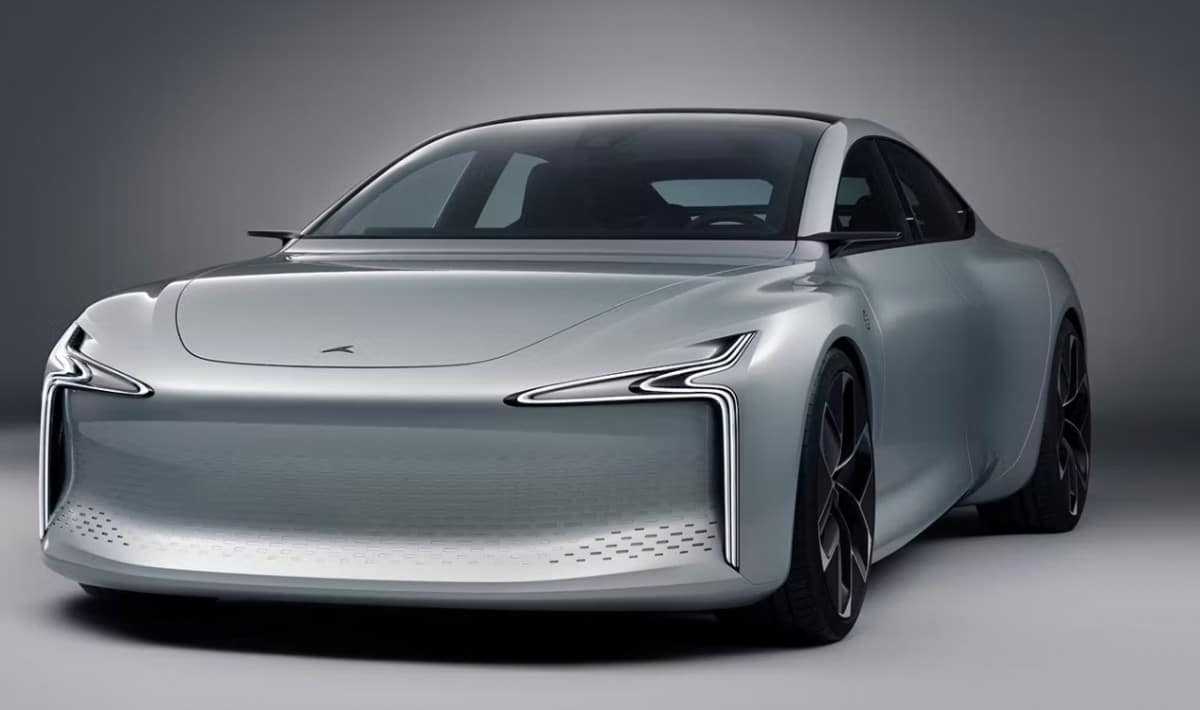
The French Company Hopium Announced A New Hydrogen-Powered Electric Car That Has The Potential To Revolutionize The Automotive Market. The Vehicle Has Been Approved In A Series Of Rigorous Tests And Promises To Significantly Reduce Pollutant Emissions.
Sustainability is a constantly evolving topic, and the future still raises many unanswered questions. One of the biggest concerns is the range of electric vehicles, a challenge that companies have been striving to overcome. Amidst this scenario, Hopium, an innovative French company, is making progress toward a promising solution: a hydrogen-powered electric car. With real-world testing, Hopium aims to redefine the standards of range and sustainability in the automotive market, betting on a technology that promises to unite energy efficiency and respect for the environment.
Hopium Is Close To Launching Its Vehicle In The Automotive Market
Environmental goals and the need to lower emissions are subjects present among vehicle brands and authorities of the European Union. However, the solution that has received the most support, electric vehicles, resolves several problems but adds others. Thus, the hypothesis of hydrogen, in its various configurations, remains very much “on the table.”
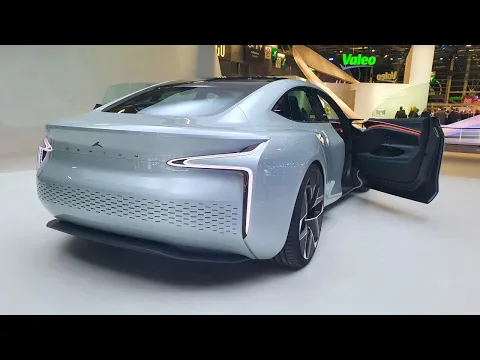

Hopium, a company specialized in clean technologies and committed to the decarbonization of heavy transport, has reached an important milestone in the development of its 100 kW hydrogen fuel cell system.
-
The Federal District bets on innovation and sustainability by launching a hydrogen-powered bus on a new tourist route, promising to reduce emissions and transform the urban experience for residents and visitors.

-
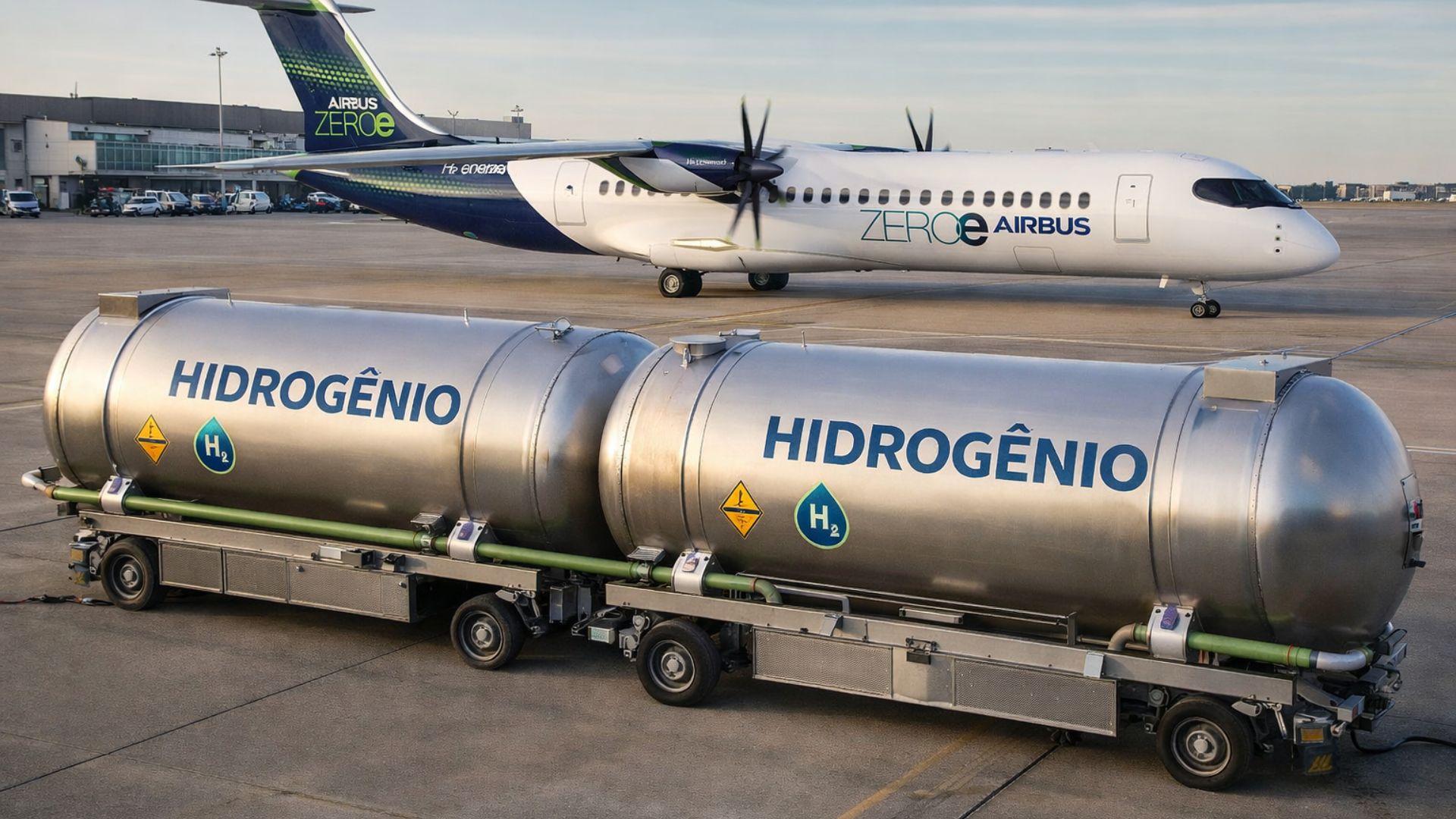
Hydrogen gains strength in aviation with Airbus and its fuel cell aircraft, potentially paving the way for sustainable flights, reduced environmental impact, and a new energy era in global air transport.
-
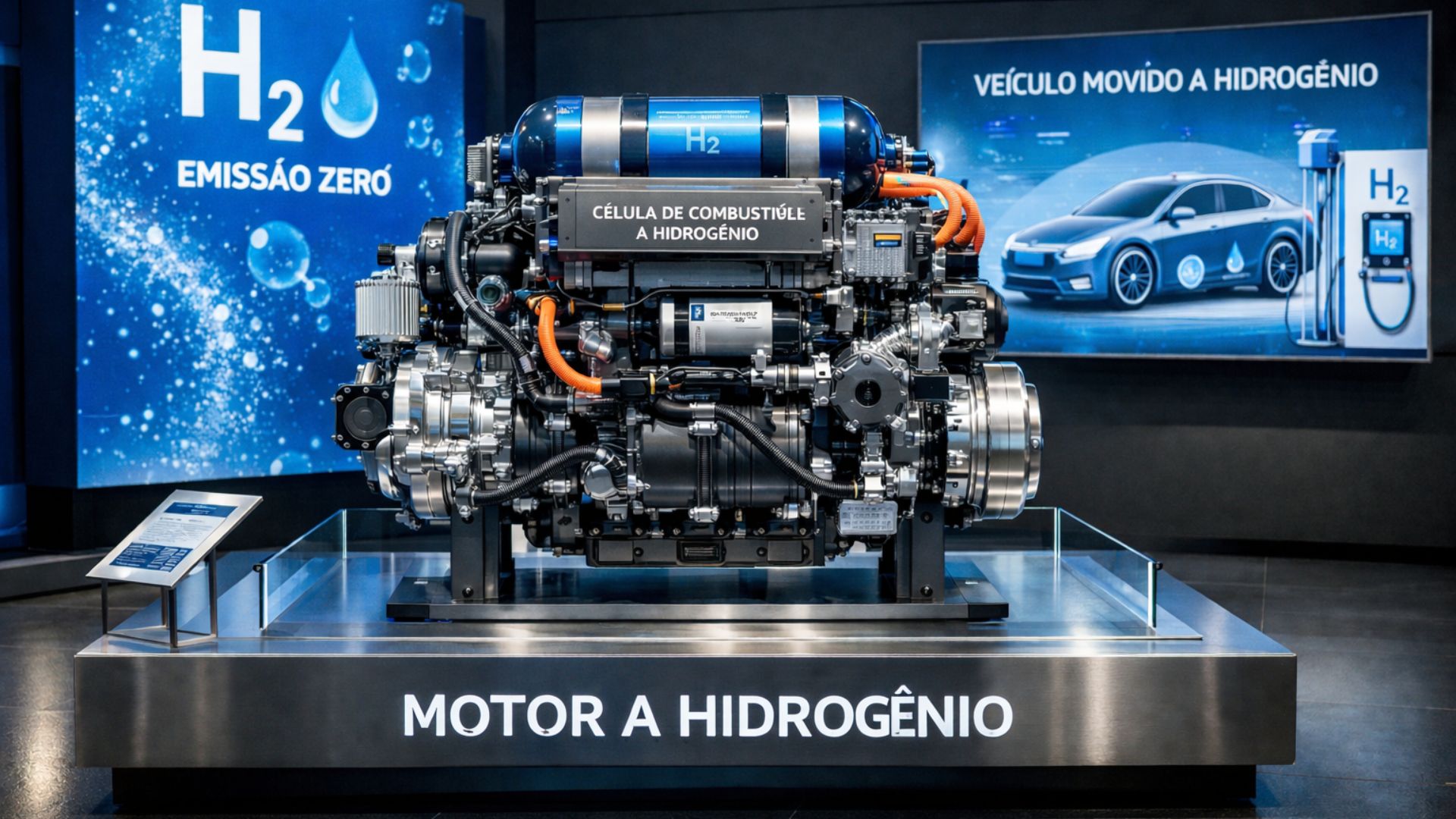
Hydrogen Engine Promises to Revolutionize Automotive Market and Creates a New Technological Horizon, But Economic Challenges Explain Global Resistance from Manufacturers
-
Hyundai XCIENT Fuel Cell Reaches 20 Million Km in Europe in Sustainable Logistics: Historic Milestone for Hydrogen Truck Fleet and Advancement of Global Clean Mobility
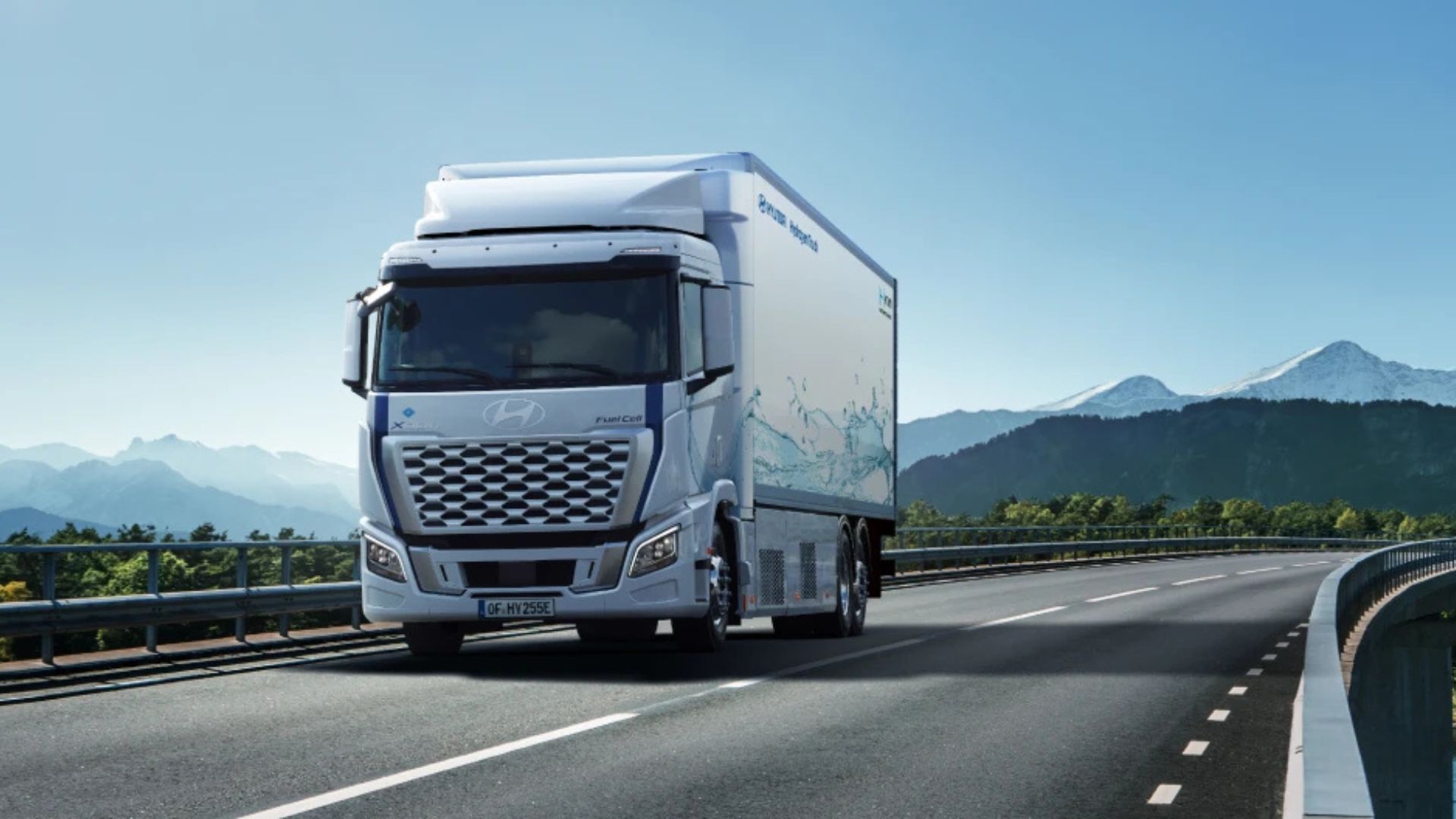

After a successful series of road tests, Hopium is approaching the automotive market with its hydrogen-powered electric car, which promises to help transform the global landscape of sustainable mobility. The validation tests were conducted on the UTAC circuit, where the results were encouraging from the start.
The fuel cell system demonstrated great robustness, allowing for continuous and uninterrupted testing sessions.
The tests of the hydrogen-powered electric car in the automotive market included dynamic cycles of intense acceleration and deceleration, vibrations, as well as high-speed conditions and various climatic environments, such as sunny and rainy days. All of this simulates real-world usage conditions in heavy transport, where a system must withstand thermal variations and intense workloads.
Hopium Comments On Hydrogen-Powered Electric Car
The hydrogen propulsion system from the company, which will reach the automotive market, has demonstrated its value, achieving a technological maturity level of TRL7, meaning it has been validated in a real operational environment. This level of maturity is crucial as it represents an important step toward mass selling of the technology.
Stéphane Rabatel, CEO of Hopium, expressed his satisfaction with these results and stated that they are the result of years of research and development, and would not have been possible without the dedicated work of the teams. These results validate not only the quality of their fuel cell technology but also their commitment to decarbonized and sustainable mobility.
This technology has the potential to offer a viable solution for decarbonization of heavy transport, a sector that has traditionally been difficult to electrify due to the demand for long distances and high load capacities.
Development Strategy
Hopium confirmed that its initial development strategy for the hydrogen-powered electric car will focus on niche markets. One example of this is the maritime project K-challenge, where the company seeks to leverage its technology to finance the industrialization of its fuel cell system.
This strategy will allow for reduced production costs, with the goal of offering a competitive alternative to diesel in the global heavy transport market by 2028-2030.
Heavy transport is globally responsible for a significant portion of greenhouse gas emissions, and traditional solutions, with diesel engines, are facing increasing restrictions due to stricter environmental regulations.









Seja o primeiro a reagir!