





 Portuguese
  English
  Spanish
  6 min of reading
  2 comments


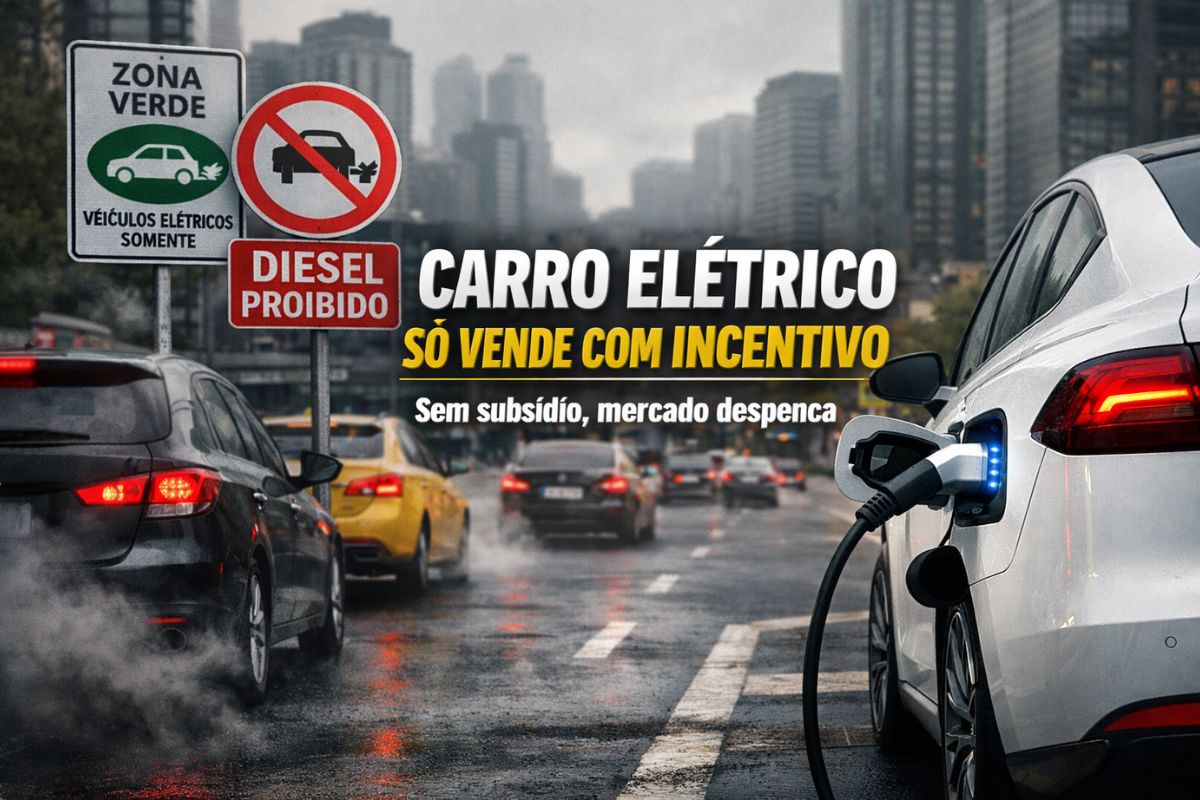


China, Europe, and the United States Show That, Without Restrictions on Combustion Vehicles, Heavy Subsidies, and Strict Emission Targets, Electric Car Sales Stagnate or Even Plummet When Incentives Are Cut
Electric cars often appear in public discourse as the “natural” solution for emissions and the future of mobility. However, when looking at the data from countries that have advanced the most, the picture is quite different: electric cars only truly grow where there are strong restrictions on combustion vehicles, combined with direct and indirect incentives funded by the government.
In practice, this means that the expansion of electric vehicles is not, today, solely the result of spontaneous consumer preference. When subsidies decrease or restrictions on combustion vehicles become less aggressive, the share of electric vehicles quickly declines, as has already happened in major markets in Europe and U.S. states.
Electric Cars Are Not “Free Market”: They Are Heavy Public Policy

The first reality that the debate often conceals is simple: without restrictions on combustion vehicles and without public funding, the math for electric cars doesn’t add up for most people. The vehicle is still more expensive, relies on reliable charging infrastructure, and requires lifestyle changes that not everyone is willing to make.
-
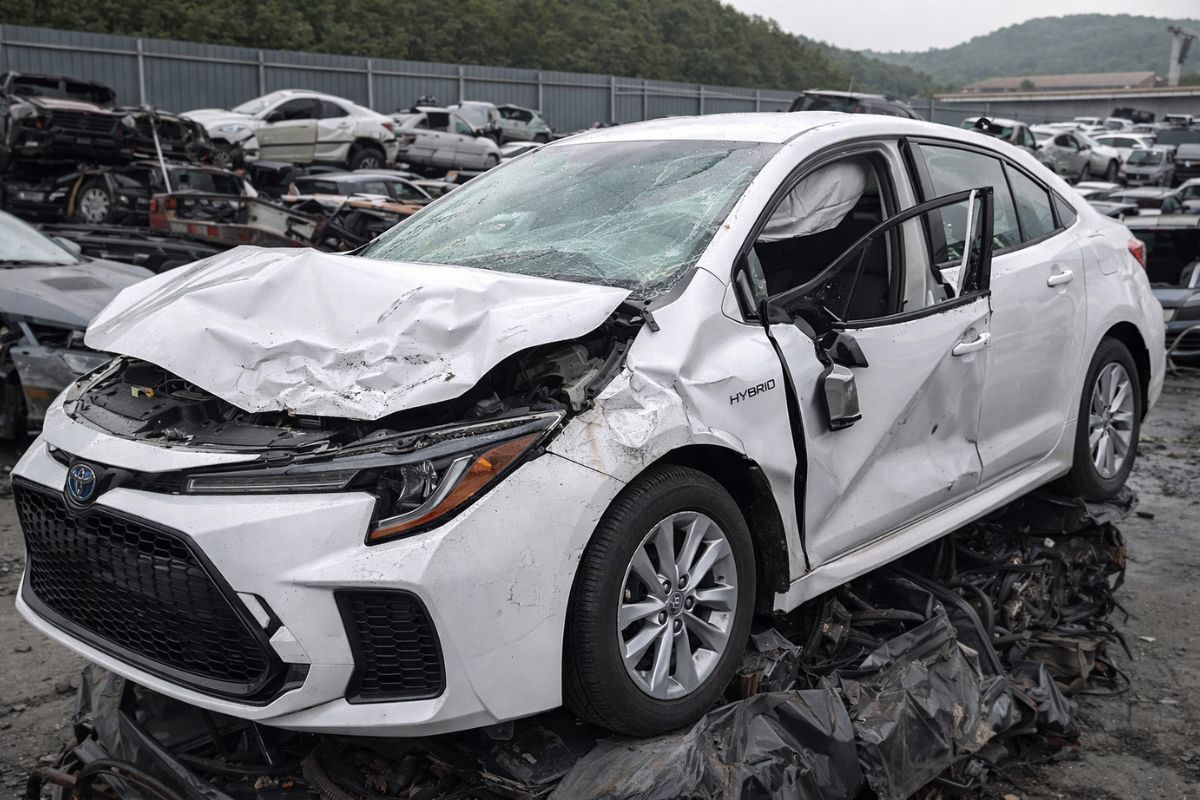
A 2024 Toyota Corolla hybrid with only 12,500 km ended up in the junkyard, and when the dismantling staff saw the car, they were shocked because they know that this model easily exceeds 300,000 km without serious mechanical issues.
-
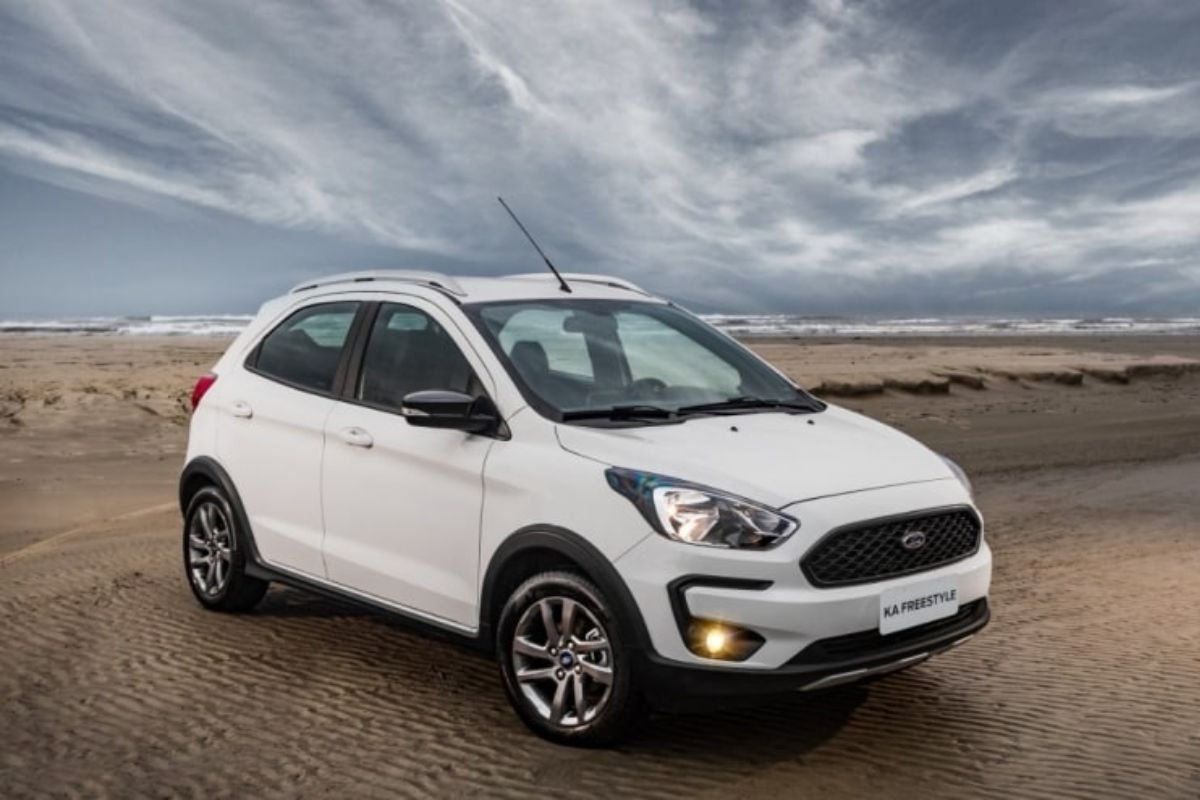
If you want a car with an SUV look but don’t have the money to buy a new one, there are 5 used models starting at R$ 17,900 with raised suspension and body protection that can handle dirt roads without fear.
-
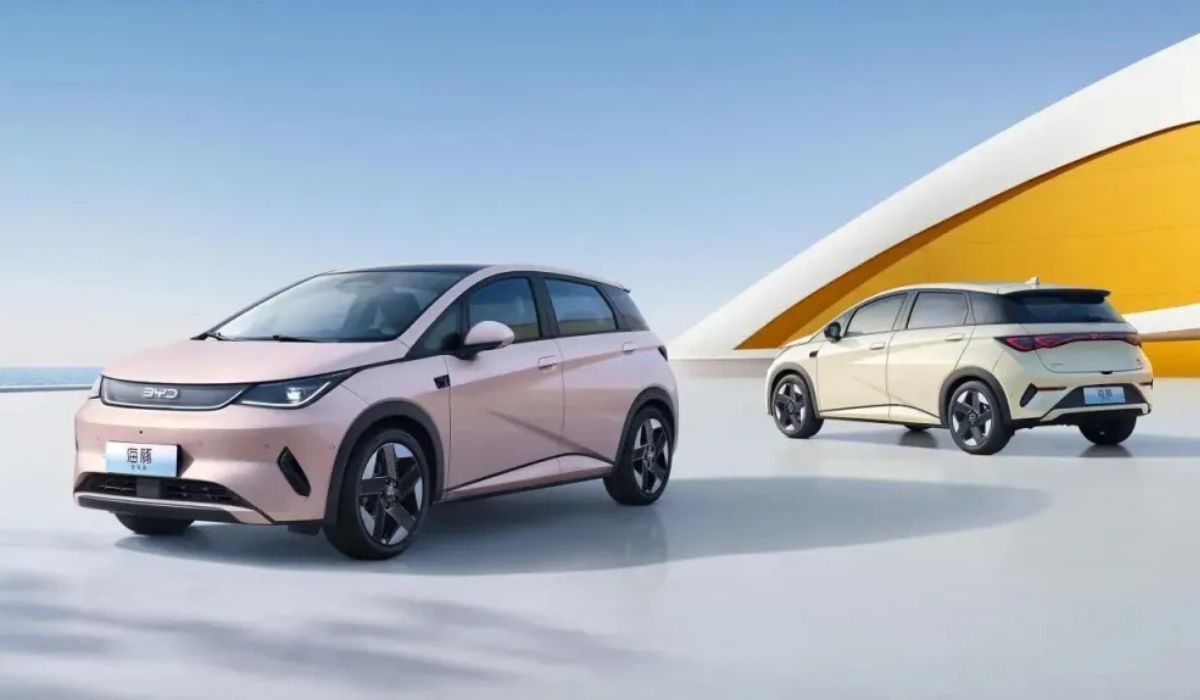
With a new look, more power, more technology, a larger size, and the farewell to a controversial item, the BYD Dolphin 2027 is getting ready to arrive in Brazil in 2026, stronger and more competitive than ever.
-
Is financing a car really worth it? Discover the impact of 25% annual interest and how you could end up paying up to R$ 39,000 more for your vehicle.


Therefore, governments use three combined levers:
- direct benefits for electric vehicles (subsidies on purchase, exemptions, exclusive parking spots)
- restrictions on combustion vehicles (fines, rising registration fees, CO₂ taxes, registration limits)
- regulatory pressure on manufacturers (emission targets and high penalties)
The result is a forced push towards electric vehicles, rather than a purely organic transition.
China: Restrictions on Combustion Vehicles in Daily Life in Major Cities

In China, the message is clear: if you want to use a gasoline car in major cities, you will face restrictions on combustion vehicles throughout the entire journey. The incentive for electric cars is not just a discount on purchase; it is a change in urban coexistence rules.
Some examples mentioned in the debate:
- In major cities, blue zones are prohibited for combustion cars. Only electric cars are allowed.
- There are parking lots with a direct notice: “we only accept electric cars”.
- The number of licenses for gasoline cars is limited by city; the solution found was to auction thermal plates for very high values, making combustion cars artificially expensive for those who insist on this type of vehicle.
In practice, this creates a funnel: either the person migrates to an electric car, public transport, bicycle, or electric motorcycle, or they live under a heavy package of restrictions on combustion vehicles. It is not just about “environmental awareness”; it is public policy designed to push the consumer.
Europe: High Subsidies, Heavy Fines, and Declining Sales Without Assistance
In Europe, the strategy was another combination of incentives and penalties. For years, almost all countries offered between 5,000 and 7,000 euros in subsidies for the purchase of electric cars, with variations based on income and vehicle price. Alongside this, strict emission targets and progressive taxes for heavier and more polluting vehicles were introduced.
The result was clear:
- Smaller, very wealthy countries reached around 25% market share for electric vehicles.
- Large economies like Germany, France, and the United Kingdom hovered around 17%.
- European countries with lower incomes, even with subsidies, remained at much lower levels of adoption.
When the costs rose, some governments started to cut benefits. In Germany, the subsidy was terminated abruptly, and the share of electric cars in sales dropped sharply in a short time, declining several percentage points. This shows that, without incentives and without new restrictions on combustion vehicles, the demand for electric cars loses strength rapidly.
Additionally, countries like France have created heavy penalties for large SUVs, pickups, and vehicles above certain weight and emission thresholds, reaching tens of thousands of euros in fines. In some cases, the market for certain models simply ceased to exist, due to the impact of the regulations.
United States and Continental Countries: Limits of Intervention
In the United States, the numbers also reveal dependence on state incentives. When federal, state, and even municipal subsidies are summed, the discount on purchasing an electric car can be very significant in states like California, which helps raise the share to something close to one-fifth of the local market.
However, when these types of benefits are removed and the country is viewed as a whole, the share of electric vehicles drops to only a few percent of the market, showing that it is still a niche product, concentrated in wealthy, dense regions with aggressive public policy. The same applies to other continental countries, such as Canada and Australia, where the combination of long distances and economic realities makes adoption much slower, even with government assistance.
In summary, without strong subsidies and without restrictions on combustion vehicles, electric cars do not “explode” uniformly in large and diverse countries.
The Weight of Subsidies and Restrictions on Combustion Vehicles

On the financial side, the equation is heavy. European governments have spent billions of euros on direct incentives, while also collecting more through fines and taxes on heavier and more polluting vehicles. Subsidies go to those who buy electric cars, while taxes are imposed on those who continue to use older and less efficient combustion engines.
At the same time, other layers of cost and frustration emerge:
- public charging network with some broken points
- lines at working chargers
- “cheap” models with limited range, requiring constant travel planning
When public budgets tighten, the first reflex is to reduce subsidies or ease some restrictions on combustion vehicles, which quickly reflects in electric vehicle sales statistics.
Electric Cars, Climate, and the Energy Discussion
Another thorny point is the source of electricity. In countries where the energy mix still relies heavily on coal or oil, the electric car emits less in the city, but some CO₂ is merely displaced to the power plant. In countries with a cleaner mix, the environmental benefit is greater, but this does not eliminate the need for incentives and restrictions on combustion vehicles to push the transition.
In other words, it is not enough to switch engines; it is necessary to look at the entire chain: from energy generation to urban circulation rules. And, in all these layers, the common factor is government intervention.
What This Scenario Indicates for the Future of Mobility
The picture that emerges when combining China, Europe, and the United States is clear:
- Electric cars grow where there is public funding, strict targets, and restrictions on combustion vehicles applied in daily life.
- When these elements are reduced, sales drop or stabilize at much lower levels.
- Continental countries, with long distances and lower average income, face even more difficulty in replicating the subsidy and restriction models of Europe or very wealthy Asian cities.
This does not mean that electric cars do not have room, but it indicates that they are not a magic, automatic, or cheap solution. The pace of the transition depends on how much each society is willing to pay, regulate, and restrict the use of combustion engines on the streets.
And what do you think: should your country adopt more subsidies and restrictions on combustion vehicles to accelerate electric cars, or should the transition path be different?








@
Já fui como a maioria, apaixonado por carro a combustão. Tive Astra 2.0, Gol Gti 2.0, entre outros, e gostava deles. Depois, tive mais possantes. Daí, quando estava para comprar um segundo carro, e estava entre o Nivus e o Fastback, atrasado para ir trabalhar, chamei um Uber e um 99. O 99 chegou primeiro, e era um elétrico. Quando perguntei pro cara se o carro andava bem
ele deu uma risadinha e me pediu p colocar o cinto de segurança. Em seguida deu um cutucão no acelerador e minha cabeça, na hora, bateu no encosto traseiro do banco! “Cara, que p**** é essa?! exclamei, perguntando.
“É o torque instantâneo”, ele respondeu.
Depois desta “experiência “, compramos (eu e esposa) um Dolphin GS, da BYD.
Se você tem dúvida, faça um **** drive, seja receptivo a inovações benéficas.
Não estou ganhando nada com este comentário, sou um anônimo, apenas quero dividir a boa experiência que está sendo ter um elétrico da BYD, confiável, excelente, barato em relação aos demais.
Abraços.
@
Já fui como a maioria, apaixonado por carro a combustão. Tive Astra 2.0, Gol Gti 2.0, entre outros, e gostava deles. Depois, tive mais possantes. Daí, quando estava para comprar um segundo carro, e estava entre o Nivus e o Fastback, atrasado para ir trabalhar, chamei um Uber e um 99. O 99 chegou primeiro, e era um elétrico. Quando perguntei pro cara se o carro andava bem
ele deu uma risadinha e me pediu p colocar o cinto de segurança. Em seguida deu um cutucão no acelerador e minha cabeça, na hora, bateu no encosto traseiro do banco! “Cara, que p**** é essa?! exclamei, perguntando.
“É o torque instantâneo”, ele respondeu.
Depois desta “experiência “, compramos (eu e esposa) um Dolphin GS, da BYD.
Se você tem dúvida, faça um **** drive, seja receptivo a inovações benéficas.
Não estou ganhando nada com este comentário, sou um anônimo, apenas quero dividir a boa experiência que está sendo ter um elétrico da BYD, confiável, excelente, barato em relação aos demais.
Abraços.
Ay3 @
Já fui como a maioria, apaixonado por carro a combustão. Tive Astra 2.0, Gol Gti 2.0, entre outros, e gostava deles. Depois, tive mais possantes. Daí, quando estava para comprar um segundo carro, e estava entre o Nivus e o Fastback, atrasado para ir trabalhar, chamei um Uber e um 99. O 99 chegou primeiro, e era um elétrico. Quando perguntei pro cara se o carro andava bem
ele deu uma risadinha e me pediu p colocar o cinto de segurança. Em seguida deu um cutucão no acelerador e minha cabeça, na hora, bateu no encosto traseiro do banco! “Cara, que p**** é essa?! exclamei, perguntando.
“É o torque instantâneo”, ele respondeu.
Depois desta “experiência “, compramos (eu e esposa) um Dolphin GS, da BYD.
Se você tem dúvida, faça um **** drive, seja receptivo a inovações benéficas.
Não estou ganhando nada com este comentário, sou um anônimo, apenas quero dividir a boa experiência que está sendo ter um elétrico da BYD, confiável, excelente, barato em relação aos demais.
Abraços.
Ay3