





 Portuguese
  English
  Spanish
  3 min of reading
  0 comments



The Cheapest Vehicle In The World Just Got An Impressive Price Reduction, Costing Now Less Than Half Of An iPhone 16. Check Out All The Details Of This Unbelievable Offer
In a scenario where smartphone prices easily exceed five digits, it’s surprising to discover that for half the value of the iPhone 16, it’s possible to acquire a modern Chinese electric car modern. This is not an isolated trend: China has excelled in producing the cheapest car in the world.
But what makes this vehicle a true sensation? And is it worth investing in such an affordable electric car?
Changzhou ChangLi – The True Revolution: The Cheapest Car In The World
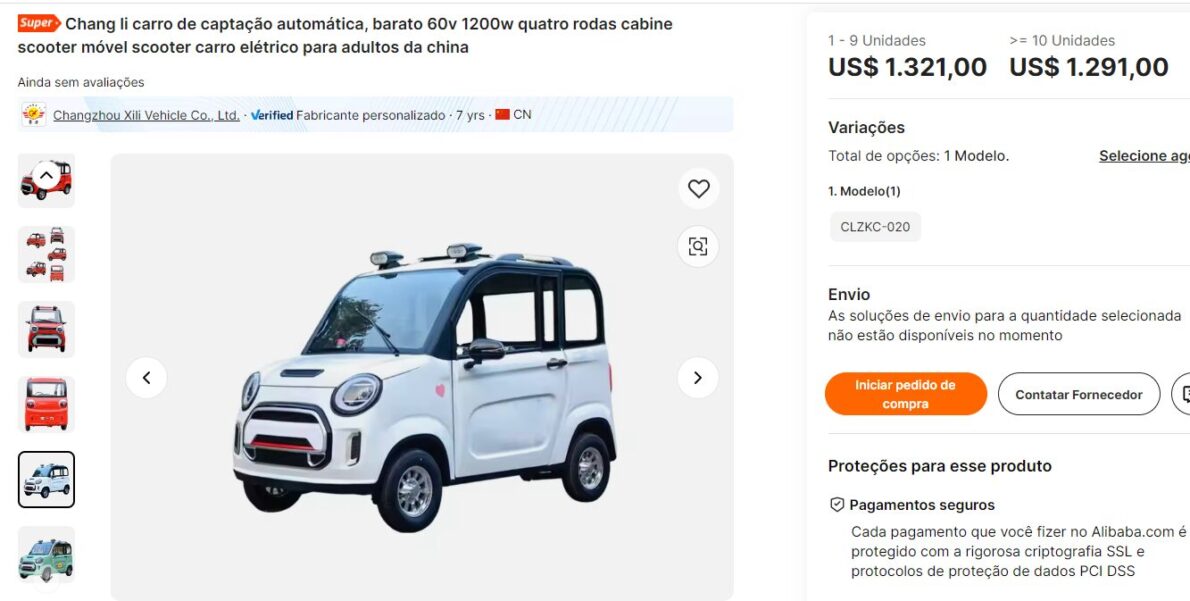
What really catches the attention is the price. If the previous model, the Changzhou ChangLi S1-Pro, was already astonishing, the 2024 launch, the CLZKC-020 model, is even more surprising.
-
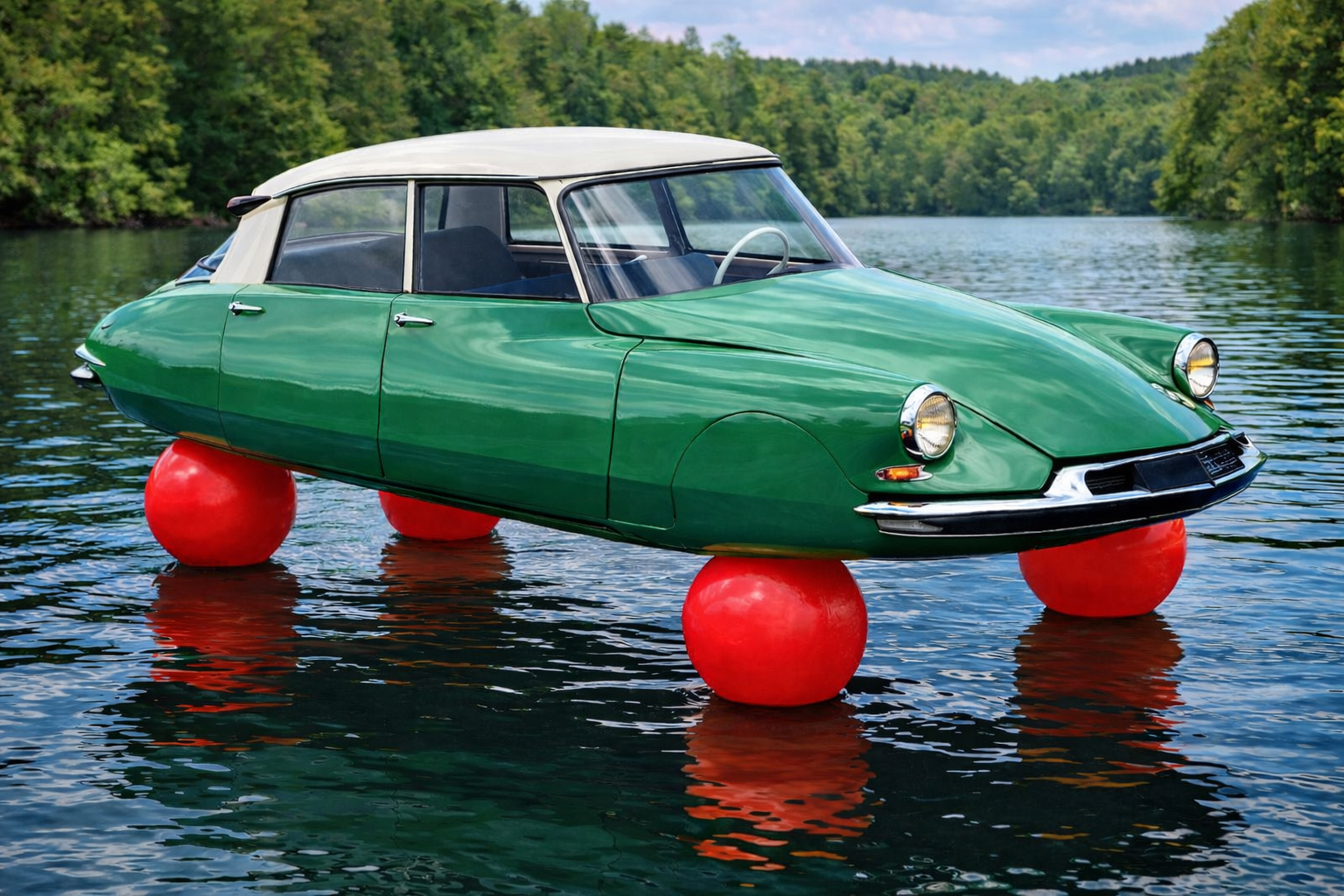
A French brand placed a car on four huge red balloons to prove that its suspension made the vehicle “float,” and the surreal scene became one of the most iconic and unusual images in automotive history.
-
Jeep Avenger begins production in Brazil, debuting as the brand’s new entry-level SUV and inaugurating an unprecedented phase by becoming the first national Jeep manufactured outside of Goiana, as part of a R$ 3 billion plan.
-
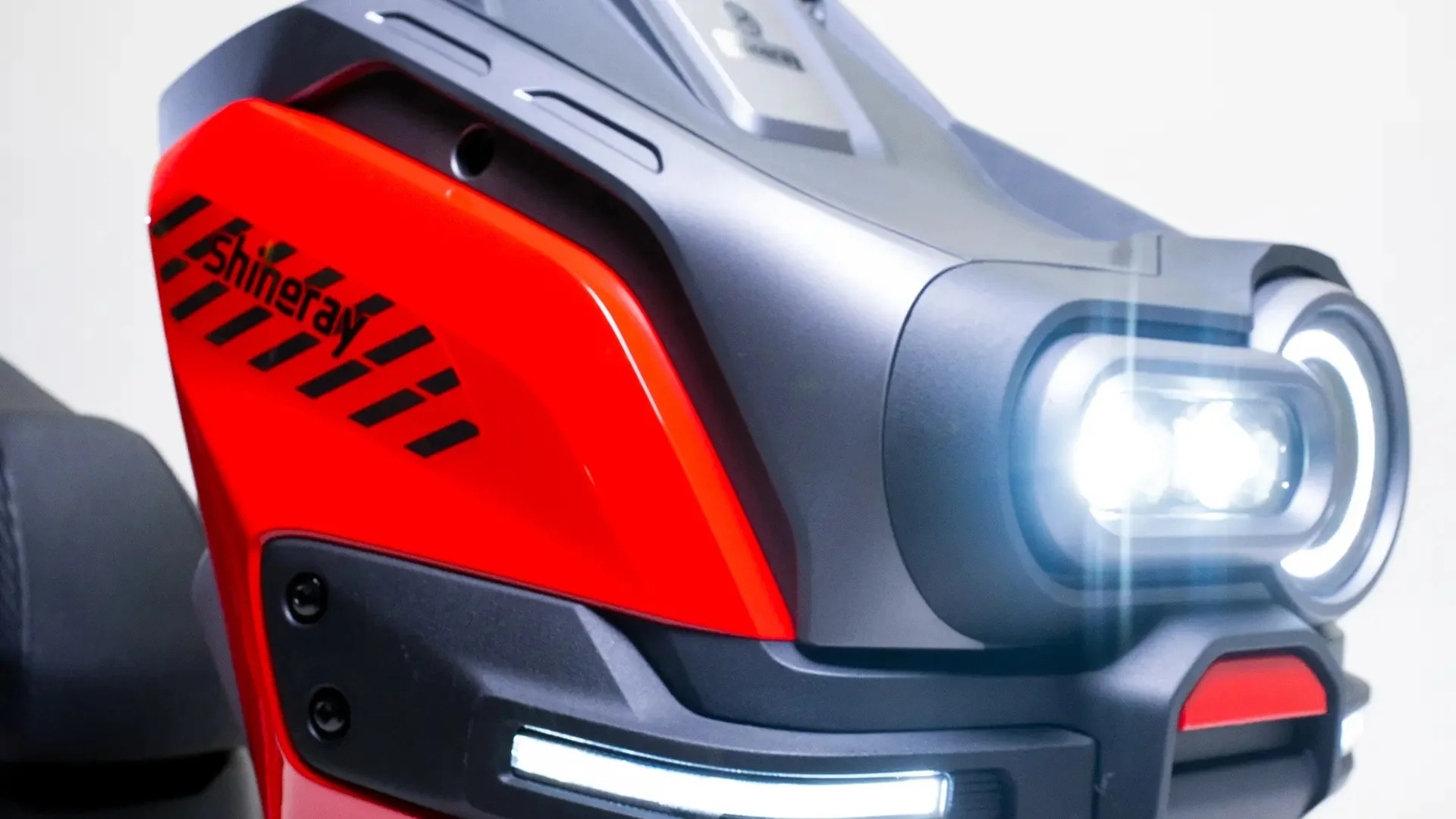
Costing R$ 12,490, the new Shineray Urban Lite 150 “cheap one” arrives in Brazil with a CVT transmission, digital dashboard, and LED lights, making it more affordable than the Biz and targeting those who want to abandon the bus.
-
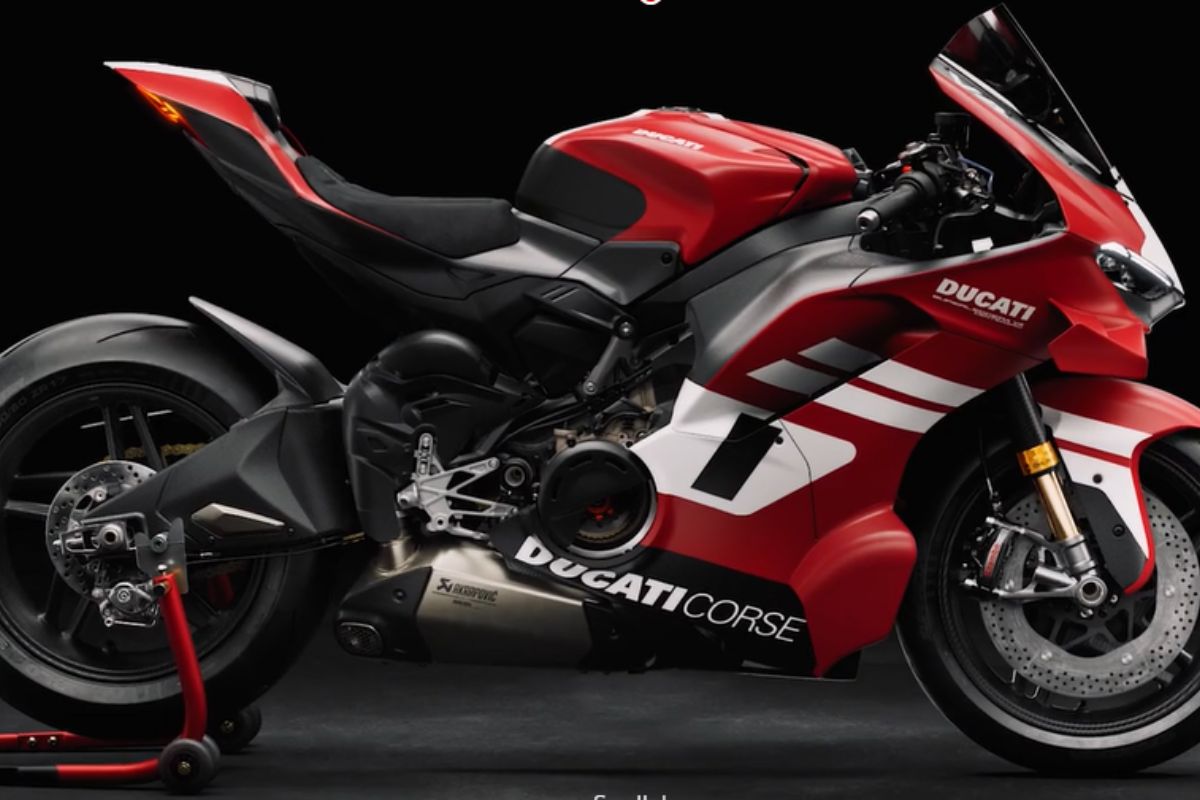
Ducati brings to Brazil the Superleggera V4 Centenario: 228 hp that become 247 with a track kit, carbon fiber and carbon-ceramic brakes, estimated price between R$ 1.5 and 2 million, deliveries only in 2027.
On websites like Alibaba, it is listed for an impressive US$ 1,365 — approximately R$ 7,738.00.
That’s right: for less than R$ 8,000, you can have an electric car, a price that rivals the most premium smartphones, redefining the idea of affordable transportation. One of the examples is the new iPhone 16, with a price of R$ 15,499 in Brazil.
But what explains such a low price? The secret lies in its simple and efficient construction: the CLZKC-020 is made with a tubular steel chassis and a plastic body, which drastically reduces production costs.
Moreover, it comes with a range of customizable options, such as off-road versions and mini pickups, offering flexibility at a practically unbeatable price.
A Car For Short Distances
This electric car was designed to be ultralight and practical, ideal for short distances. It doesn’t aim to compete with high-performance vehicles but rather to offer a functional solution for movements in large properties, rural areas, or private spaces.
With a capacity for up to four passengers and a maximum speed of 30 km/h, the CLZKC-020 perfectly fulfills its role.
And despite its simplicity, the model delivers a range of up to 100 km per charge, which is quite reasonable considering its intended use for short trips.
However, the most surprising factor is not just the affordable cost or its practicality, but the fact that this car is available for international delivery.
Accessible, efficient, and available globally, the CLZKC-020 represents a revolution in economic mobility, challenging the market by offering a viable and economical alternative for those seeking a hassle-free means of transportation.
Success Of Chinese Cars In Brazil
Brazilian consumers are already accustomed to electric vehicles in Brazil. The biggest example is BYD, demonstrating that China excels not only in affordable cars but also in innovative technologies and sustainable solutions.
BYD has established itself as one of the leaders in the Brazilian electrification market, bringing electric and hybrid vehicle models that are gaining popularity among consumers and contributing to the expansion of green mobility in the country.
This growing presence of BYD in Brazil exemplifies how China is shaping the future of the global automotive industry, with products that combine innovation, efficiency, and sustainability.










-

Uma pessoa reagiu a isso.