





 Portuguese
  English
  Spanish
  4 min of reading
  0 comments



From R$ 30 Thousand to R$ 80 Thousand: The Popular Cars Fiat Mobi and Kwid Expose the Crisis of Affordable Cars in Brazil. What Lies Ahead?
If you still believed it was possible to buy a popular car in Brazil for less than R$ 80 thousand, you can start taking that dream away. The symbolic barrier of R$ 80 thousand has been broken for good, and now even the simpler models, such as Fiat Mobi and Renault Kwid, are part of a reality that seems increasingly distant from the average Brazilian’s budget.
What was once called an entry-level car is now beginning to compete with mid-range models from a few years ago. And believe me: it doesn’t stop there.
Kwid Zen 2026 Now Costs Over R$ 80 Thousand, and Other Versions Have Also Increased
The most recent adjustment was from Renault, which pushed the price of the Kwid Zen 2026 from R$ 79,790 to R$ 80,690, an increase of R$ 900. It may seem small, but the amount marks a turning point: the last new car below R$ 80 thousand in the country has ceased to exist.
-
The car stored for 38 years: when opening the barn door, what appears is breathtaking and looks like a scene from a movie!

-
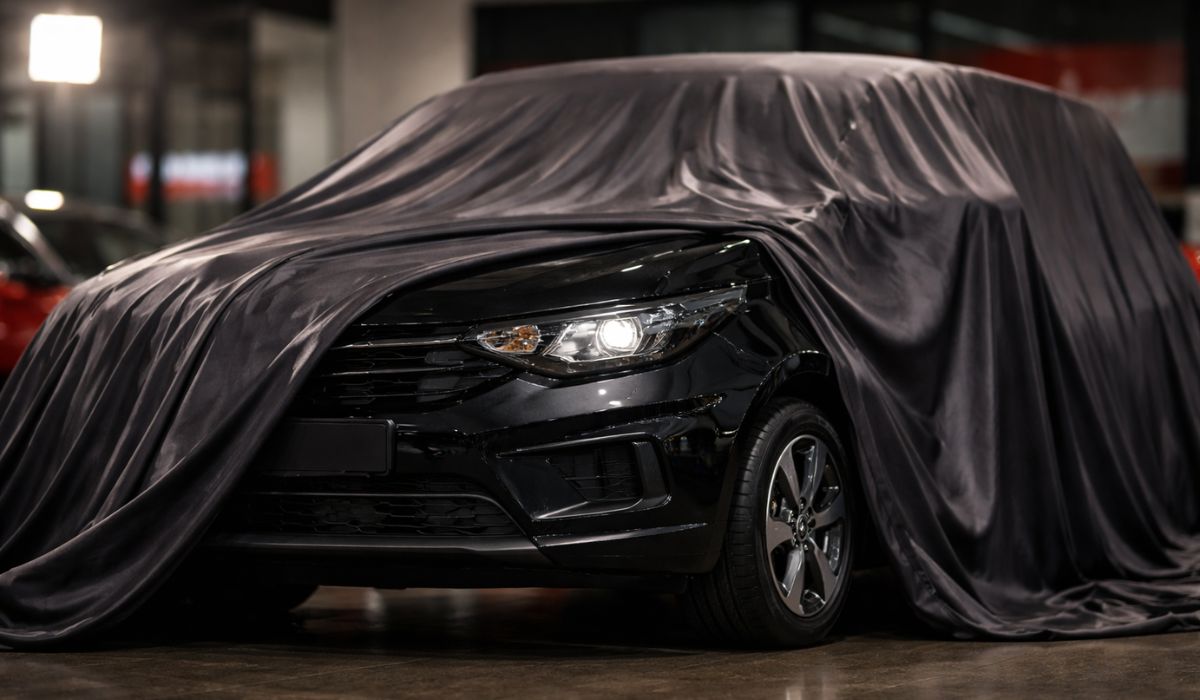
Fiat works miracles in the Brazilian market, lowers the price of its 0 km hatch to R$ 69,990, reestablishes the model as the cheapest car in the country, and reignites the battle against Kwid and C3.
-
Chevette with cooking gas: How the gas cylinder ends up being used in cars clandestinely and why this makeshift solution can result in leaks, explosions, damaged engines, and seized vehicles.

-
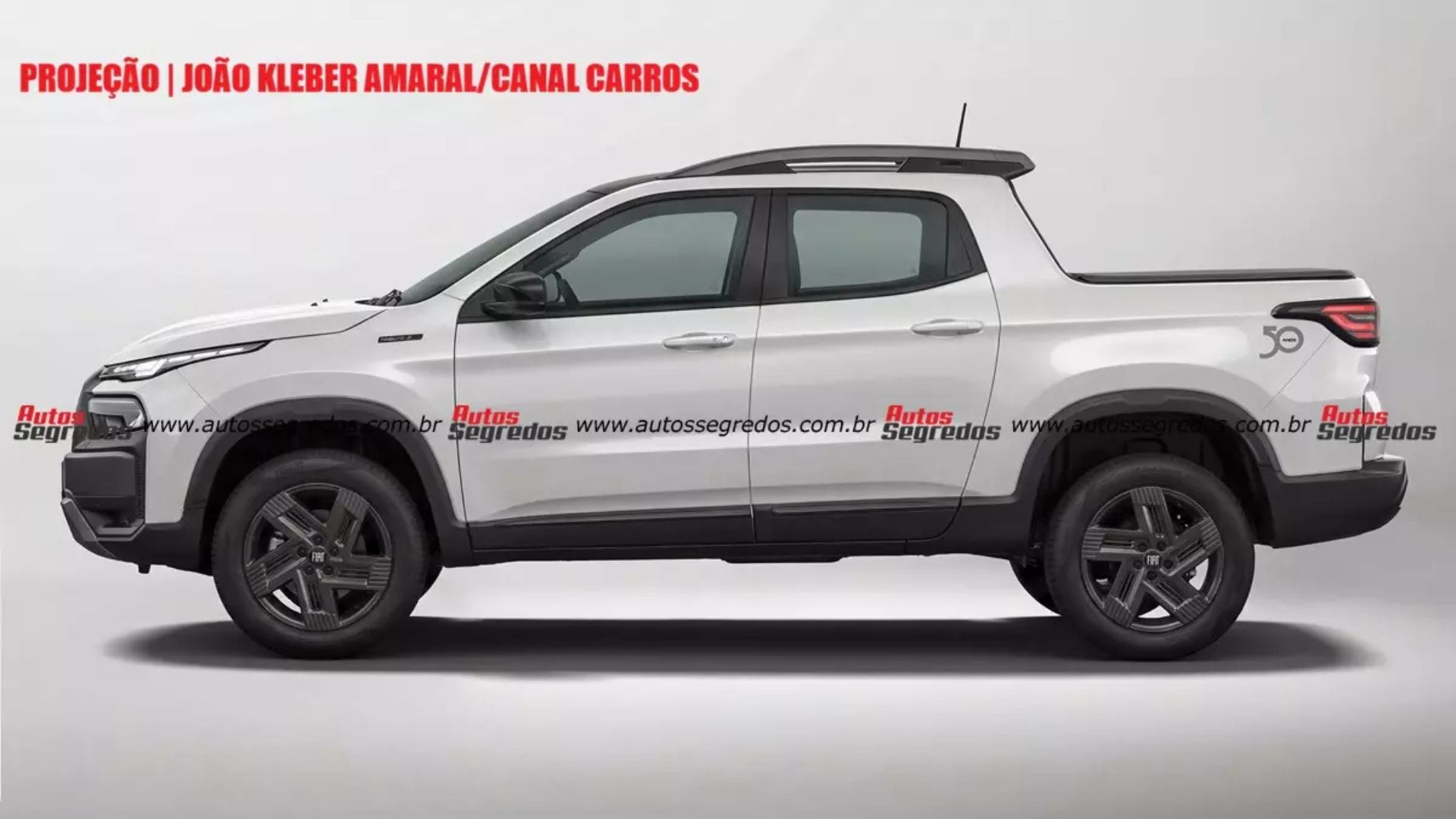
Fiat launches the new 2027 Toro hybrid with 48V, 176 hp, an electric motor of 15.5 hp, a 0.85 kWh battery, up to 7% fuel savings, 8% fewer emissions, and possible exemption from IPVA.
The more equipped versions have also become more expensive. The Kwid Intense is now priced at R$ 83,890, while the Iconic version now costs R$ 87,390. For those wanting a more “off-road” look, the Outsider package, which is essentially just aesthetic, costs R$ 87,490. The data is confirmed by Renault on its official website.
Fiat Mobi Is Not Left Behind: Now Starting at R$ 80,990
Fiat had also led the way in price increases in June. The Mobi Like, the most basic version of the model, now has a list price of R$ 80,990, while the Trekking version reaches R$ 82,990.
The two cars, which emerged as substitutes for the popular Uno and Clio, ironically became symbols of a market that no longer has room for the “popular.” At launch, the Mobi cost R$ 31,990 (in 2016) and the Kwid R$ 29,990 (in 2017). Today, both are nearing triple that amount.
Discounts in Direct Sales: The Only Escape?
It is still possible to partially escape these inflated prices with the so-called direct sales, a modality that allows individuals to purchase at a discount, primarily for fleet owners, rural producers, or PCD. Fiat, for instance, offers the Mobi at a promotional price of R$ 69,975 in some cases.
However, these prices are exceptions and are not always available to the average consumer simply or transparently. In other words, the myth of the affordable entry-level car is, in practice, buried.
Popular Cars Have Been Left Behind in Renault’s Strategy
The strategy of Renault for Brazil also explains part of this scenario. The French brand has been distancing itself from cheaper models: Sandero and Logan have already been discontinued, and the future generations of these models have been canceled.
Now, the automaker is betting on the Kardian, a compact SUV with a more sophisticated touch, and is preparing the Boreal, a larger utility vehicle, targeting consumers looking for more comfort and technology. The idea is to align the brand’s standard to what it already offers in Europe, improving the perception of quality and also profit margin, as highlighted by Renault Latin America CEO, Luiz Fernando Pedrucci, in an interview with Autoesporte.
In this new repositioning, the Kwid starts to stand out. To soften this contrast, it will be redesigned soon, adopting a design closer to the Kwid E-Tech, which in turn will be inspired by the European model Dacia Spring, electric and compact.
Fiat Prepares Changes in Mobi’s Interior to Keep the Model Alive
While Renault pulls away from the segment, Fiat seems not ready to give up on the Mobi. According to information from the website Autos Segredos, the Italian brand is preparing an update on the car’s interior, which will inherit the same dashboard as the Strada, with improvements in the console, steering wheel, air conditioning controls, and multimedia center.
Despite the interior revamp, the exterior look will not be changed, maintaining the identity of the Mobi even after the arrival of the successor to the Fiat Argo, which is expected to occupy a higher segment in the brand’s lineup.
The Popular Car That Brazil Left Behind
It is hard to imagine that, a decade ago, there were cars priced below R$ 30 thousand at dealerships. Today, the term “popular car” has become almost a mockery of economic reality.
And it’s not just about rising prices; purchasing power has also plummeted. The average Brazilian, who once dreamed of a basic 0 km car, now has to think twice or three times before financing a Kwid or a Mobi for 60 months at high interest rates.
And Now, Who Will Save Us?
With the end of cars below R$ 80 thousand, the big question is: how will Brazilians continue dreaming of a new car? Automakers cite rising costs, inflation of inputs, and safety requirements as justifications for the soaring prices.
However, as salaries remain stagnant and taxes on automobiles remain high, the math doesn’t add up. What was once a symbol of mobility and independence is now becoming a privilege.
And you, do you think it’s still worth buying a new car in Brazil? Have you considered switching to a motorcycle, a used car, or even mobility apps? Share with us in the comments and share this article with that friend who still believes there’s a “cheap car” out there.









-

-

3 pessoas reagiram a isso.