





 Portuguese
  English
  Spanish
  6 min of reading
  0 comments


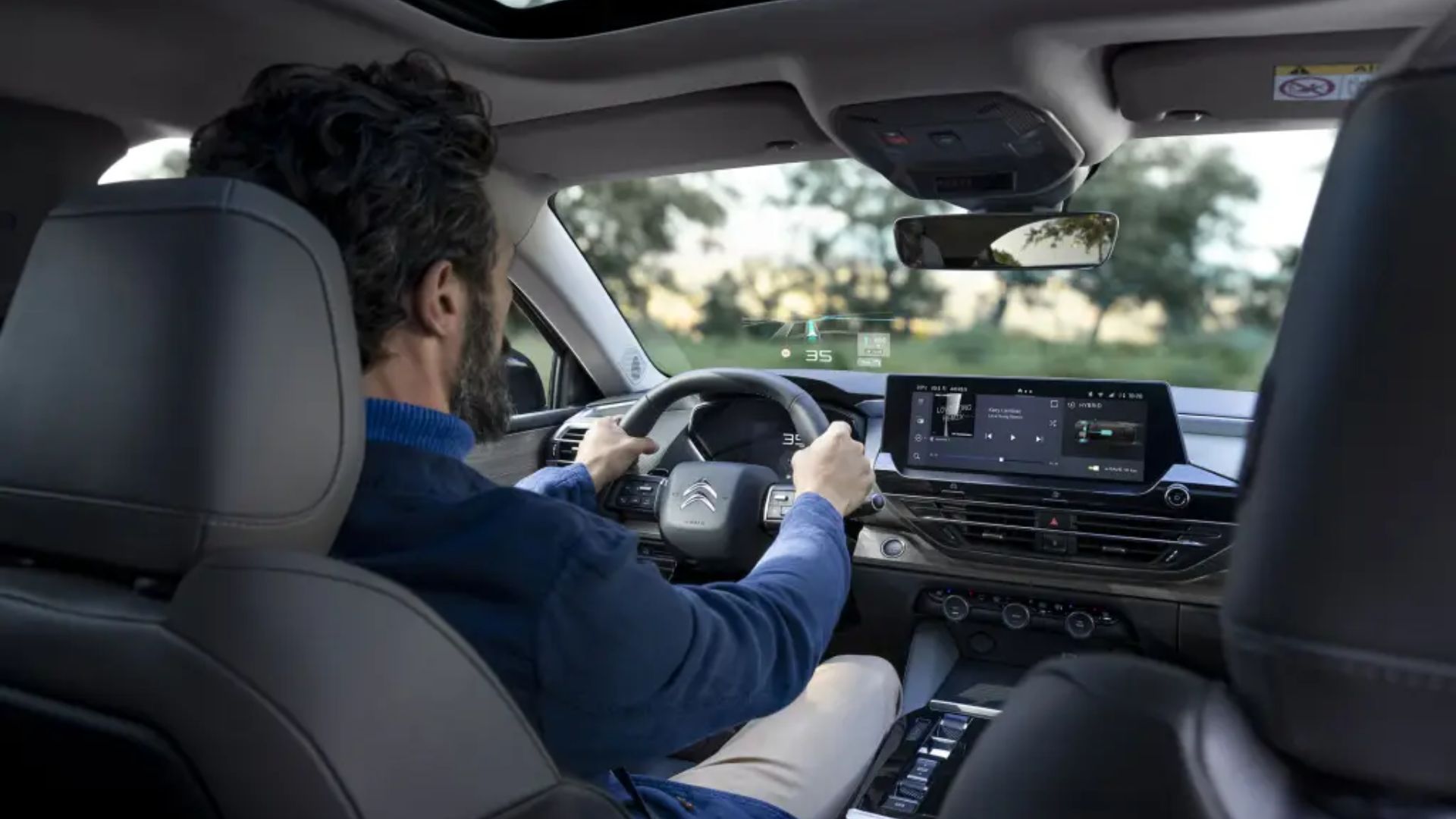
Name That Carried Bad Reputation in the Brazilian Market Returns to Europe with a Different Positioning, Focus on Comfort and Electrification, and Receives Recognition from an International Jury. Change of Proposal, Strategy, and Communication Repositions the C5 Family, Now with Plug-in Hybrid Version and Electric Range Announced to European Standards.
The name Citroën C5 ended up associated, in Brazil, with a sophisticated sedan, expensive to maintain and hard to find on the streets, after a passage marked by low sales volume and the interruption of imports.
Outside the country, however, the acronym resurfaced with another proposal, with product repositioning, a discourse of onboard well-being, and a plug-in hybrid version that puts electrification at the center of the strategy, while the model receives recognition from an international jury.
The break starts with the Brazilian context. The Citroën C5 was sold here as an imported model and had a discreet presence in the market, in a segment where the competition for image and after-sales is as important as performance.
-
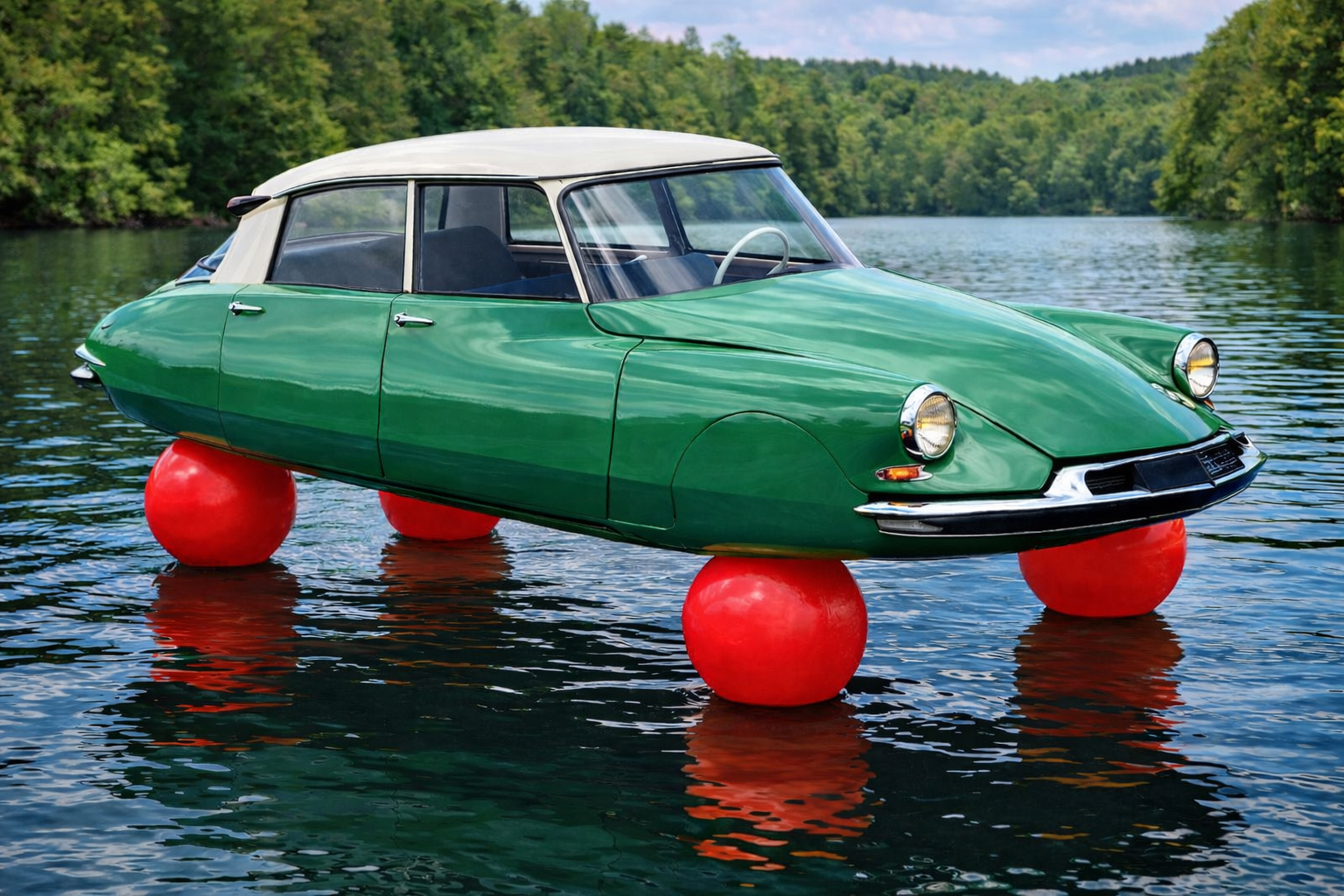
A French brand placed a car on four huge red balloons to prove that its suspension made the vehicle “float,” and the surreal scene became one of the most iconic and unusual images in automotive history.
-
Jeep Avenger begins production in Brazil, debuting as the brand’s new entry-level SUV and inaugurating an unprecedented phase by becoming the first national Jeep manufactured outside of Goiana, as part of a R$ 3 billion plan.
-
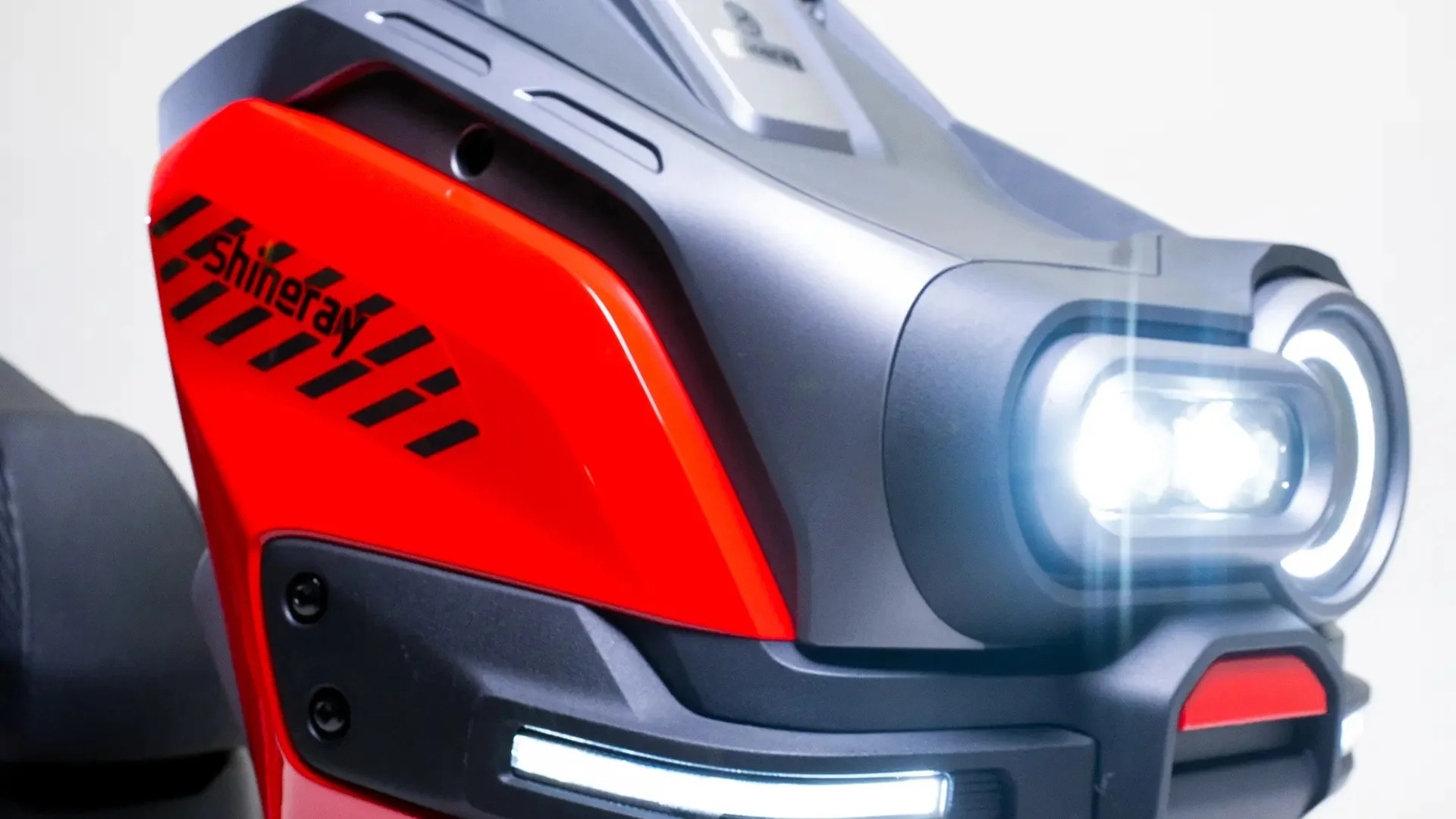
Costing R$ 12,490, the new Shineray Urban Lite 150 “cheap one” arrives in Brazil with a CVT transmission, digital dashboard, and LED lights, making it more affordable than the Biz and targeting those who want to abandon the bus.
-
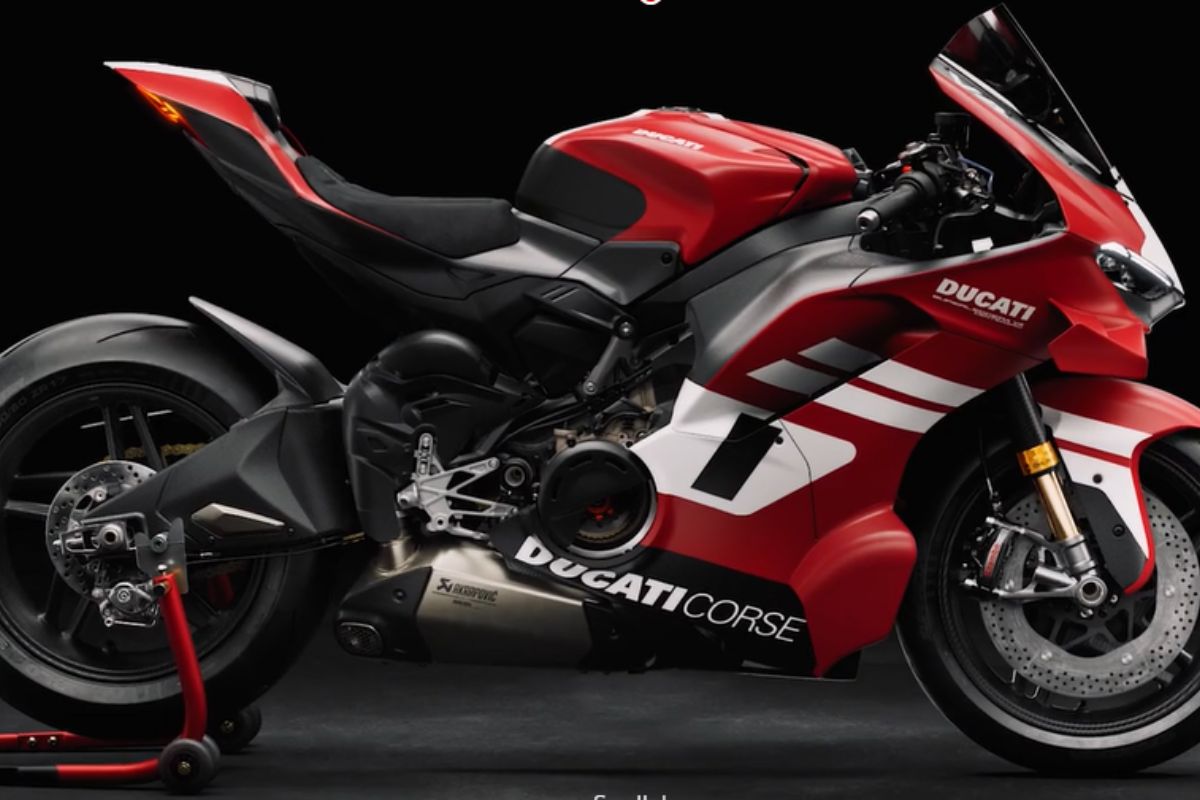
Ducati brings to Brazil the Superleggera V4 Centenario: 228 hp that become 247 with a track kit, carbon fiber and carbon-ceramic brakes, estimated price between R$ 1.5 and 2 million, deliveries only in 2027.

The interruption of sales was attributed to the low number of registrations, with reports that the model ended a year with just over two hundred units sold, a number considered modest to justify the continuation of imports and the supply structure.
In addition, the perception of complicated maintenance and the difficulty of finding parts for French premium cars of the period fueled part of the reputation of being a “headache car”, contributing to the C5 becoming a frequent target of reservations among used car buyers and curious consumers in the segment.
C5 X in Europe and the Repositioning as a Comfort Car

In Europe, Citroën reintroduced the C5 family with a very different reading: the C5 X, launched as a model with a silhouette hybrid between sedan, wagon, and crossover, focusing on ride height, comfort, and an interior designed to reduce fatigue on long journeys.
The brand maintains this identity as a differentiator amid a market where many competitors have started to prioritize firmer handling, sporty appeal, and higher profiles in SUVs.
The effect is a repositioning that exchanges the stigma of “expensive and complicated” for an objective promise: to deliver a smoother, quieter, and more stable driving experience, with technical and ergonomic solutions aligned to this goal.
International Award and the Window of Credibility
The public recognition of this repositioning came when the Citroën C5 X received the award for “Best Large Car” at the Women’s World Car of the Year, an award conducted by an international jury composed of specialized automotive journalists.
In institutional communication, the organization and the manufacturer highlighted attributes such as comfort, interior space, and design, reinforcing the narrative of “onboard well-being” as the central point of the model.
For a brand that has historically built part of its identity on solutions aimed at smooth riding, the endorsement serves as a window of credibility at a time when the market is undergoing rapid transformation, with electrification and environmental requirements influencing products, prices, and strategies.
Plug-in Hybrid and Electric Range to WLTP Standards

The element that gives technical substance to the “turnaround” is the electrification in the C5 X line, with the offer of a plug-in hybrid version.
Citroën reports that the C5 X Hybrid can operate in electric mode for up to 64 kilometers, according to the WLTP measurement adopted in Europe, and operate at speeds of up to 135 km/h without starting the combustion engine, depending on usage conditions and vehicle configuration.
This type of data is generally decisive for the audience seeking to reduce consumption on urban routes and, at the same time, maintain autonomy and flexibility for longer trips, since a PHEV combines a rechargeable battery with a gasoline engine to function as a hybrid when the charge is depleted.
In practice, the appeal of this setup is to allow daily commutes with a large part of the journey made solely with the electric motor, without giving up a conventional powertrain for highways or situations where recharging is not available.
The advantage is even more relevant in markets where emission restrictions, low pollution zones, and tax incentives have created a demand environment for solutions between pure combustion and full electric.
Although each country has its own regulations, the WLTP has become the reference standard for informing electric range and consumption for plug-in hybrids, and it is with this standard that brands attempt to prove efficiency and compatibility with the regulatory expectations of the European bloc.
Image Turnaround and Differences Between Markets

The contrast with the Brazilian past of the C5 becomes more evident because the European reinterpretation uses the same acronym to sell almost the opposite of what the negative perception created here.
In Brazil, the C5 was marked by low presence on the roads and by concerns associated with the cost of maintaining an imported vehicle with sophisticated technologies for the period.
Abroad, the C5 X is now communicated as a rational and comfortable alternative for those who want space and a smooth ride, now with the boost of electrification as an argument for savings and lower emissions in urban use.
The change is less about “the same car improved” and more about “the same name applied to a product with a different strategy”, in an industry that is redesigning portfolios to meet new demands.
This repositioning also aligns with how Citroën tries to differentiate itself within a larger global group, offering its own design language and a comfort proposition as a signature.

In a market where many models converge to shared platforms and similar technical solutions, the competition now takes place in details: perception of acoustic comfort, suspension tuning, ergonomics, connectivity, and the type of electrification chosen to reduce cost per kilometer.
In this scenario, the C5 X appears as an example of how a brand can seek relevance without directly competing solely on power or sportiness, using a combination of style, comfort, and a rechargeable hybrid powertrain to support the message.
The case draws attention because it shows how the reputation of a name can vary radically between countries and eras, depending on the product that carries the acronym, the sales structure, and the market context.
When a model shifts from low representativity and local critiques to a repositioning with international awards and a focus on electrification, the story becomes not just about engineering, but also a portrait of how the industry rewrites narratives to survive new rules and new consumer expectations.








-

-

-

-

-

-

13 pessoas reagiram a isso.