





 Portuguese
  English
  Spanish
  5 min of reading
  0 comments


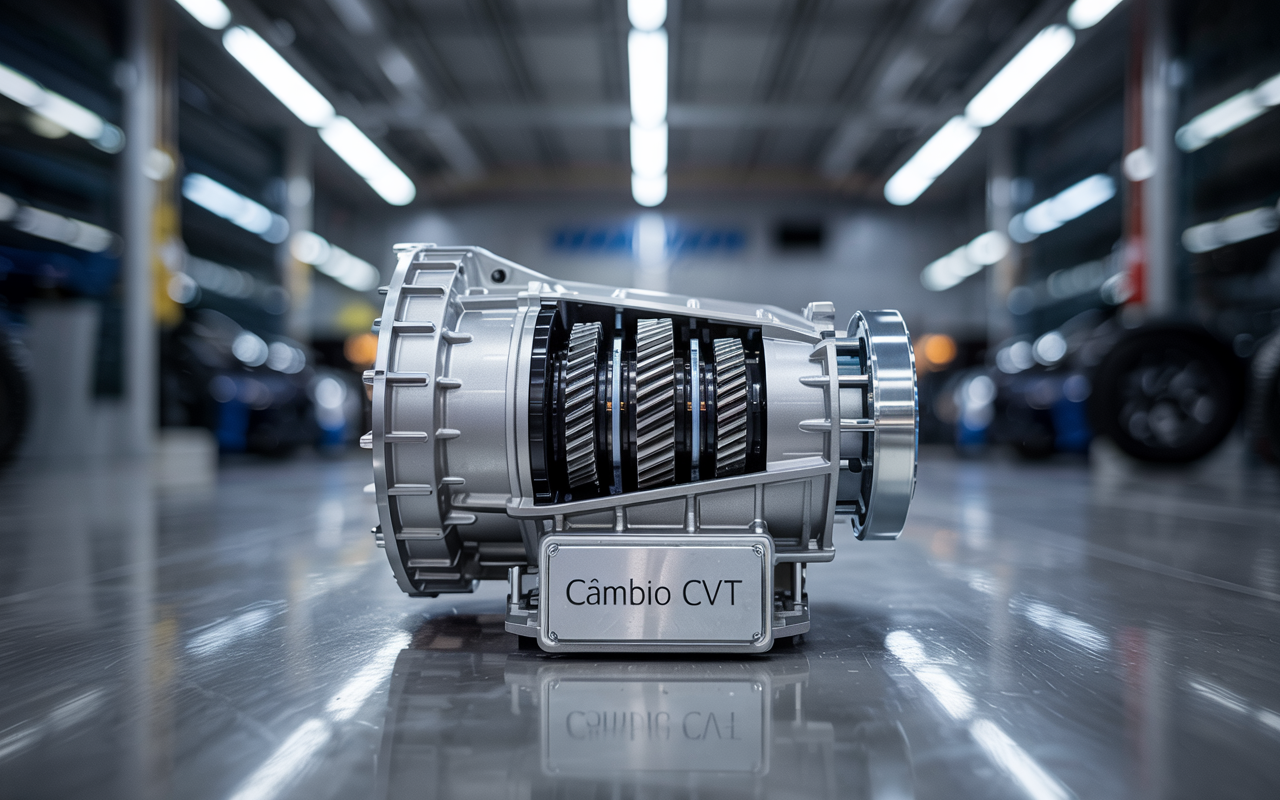
Cars With CVT Gearboxes Are Passing for Conventional Automatics and Confusing Even Experts. Understand the Difference Between CVT and Automatic and Why Many Are Stopping to Choose Automatic Transmission
Cars with CVT gearboxes are becoming increasingly present on Brazilian streets, and it’s no surprise. Their smooth driving, combined with fuel efficiency, makes this type of transmission an attractive choice for both urban drivers and those who travel long distances. But something curious is happening: many of these modern models with CVT can simulate gear changes so well that even experienced mechanics confuse them with conventional automatics. After all, what is the difference between CVT and traditional automatic? And why has this distinction become so subtle?
Understanding the CVT Gearbox – Cars With CVT Gearbox


The CVT gearbox, short for Continuously Variable Transmission, is an alternative to the conventional automatic system.
Instead of fixed gears, like in traditional transmissions, it uses a system of pulleys and belts that continuously varies the gear ratio. This allows the engine to always operate in the optimal rotation range, delivering superior energy efficiency and linear acceleration.
-
A French brand placed a car on four huge red balloons to prove that its suspension made the vehicle “float,” and the surreal scene became one of the most iconic and unusual images in automotive history.

-
Jeep Avenger begins production in Brazil, debuting as the brand’s new entry-level SUV and inaugurating an unprecedented phase by becoming the first national Jeep manufactured outside of Goiana, as part of a R$ 3 billion plan.
-
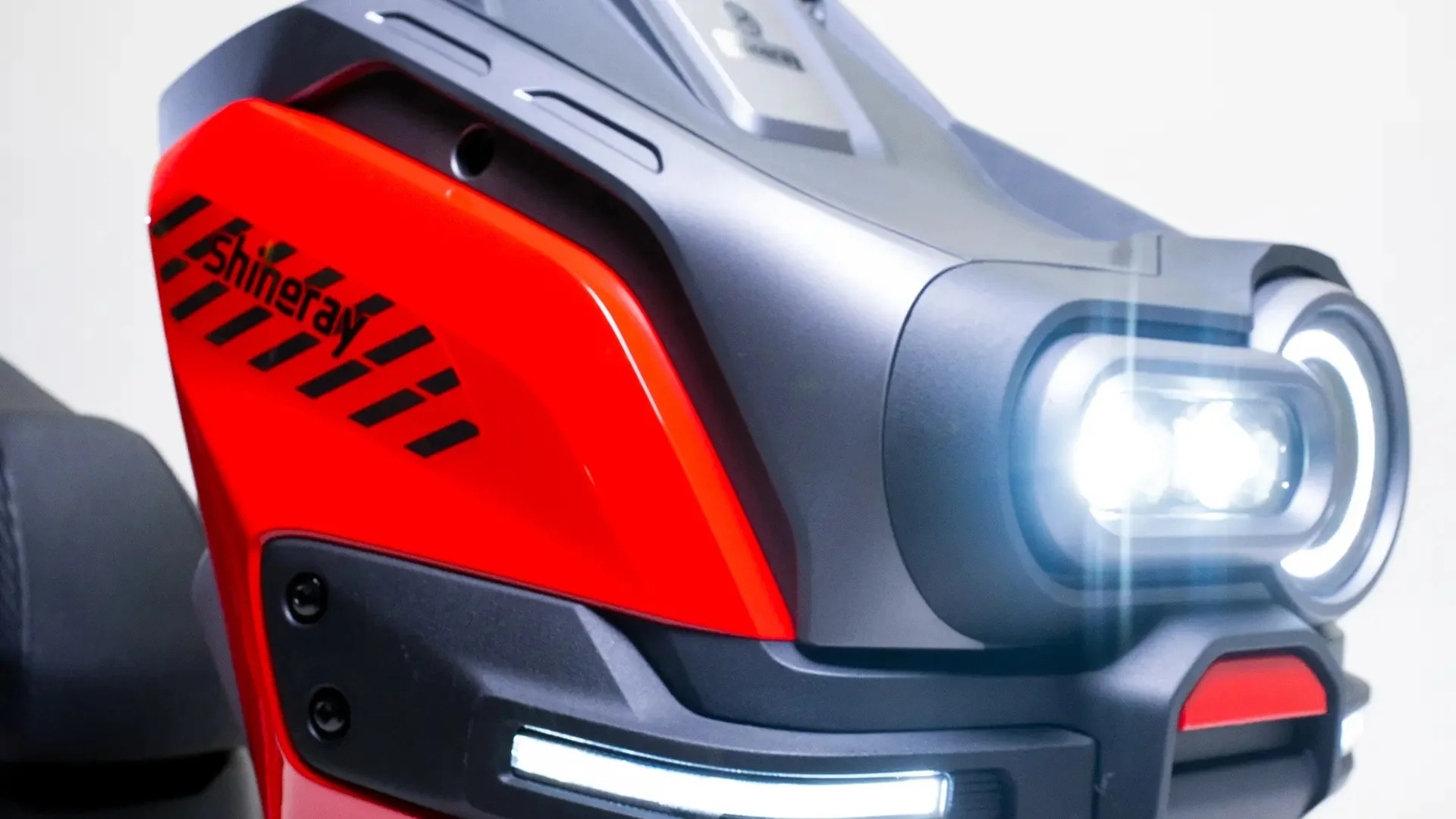
Costing R$ 12,490, the new Shineray Urban Lite 150 “cheap one” arrives in Brazil with a CVT transmission, digital dashboard, and LED lights, making it more affordable than the Biz and targeting those who want to abandon the bus.
-
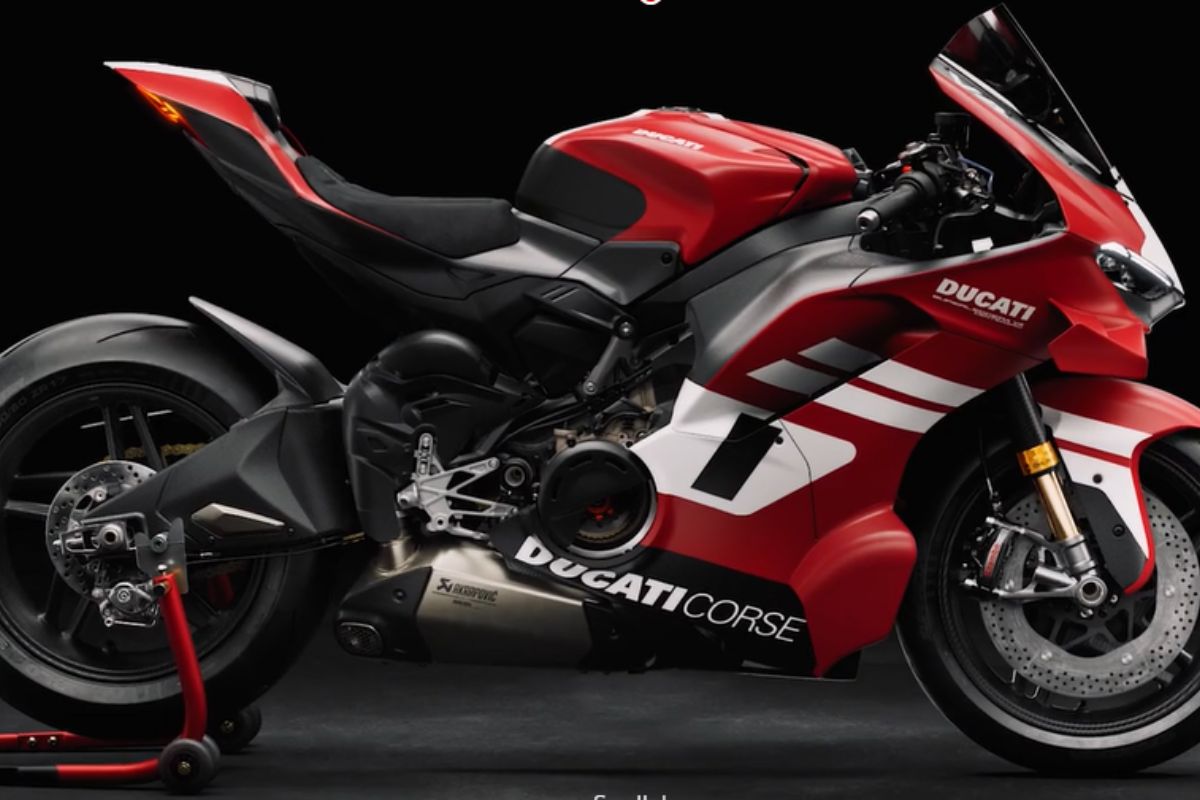
Ducati brings to Brazil the Superleggera V4 Centenario: 228 hp that become 247 with a track kit, carbon fiber and carbon-ceramic brakes, estimated price between R$ 1.5 and 2 million, deliveries only in 2027.
Because of this feature, the CVT eliminates the “jolts” of gear changes noticeable in traditional automatics.
However, this extreme smoothness has long caused estrangement. Now, with electronic simulations of gear changes, many modern vehicles have managed to make this experience more familiar—and misleading even for those who know mechanics.
Difference Between Cars With CVT Gearbox And Conventional Automatic
The difference between CVT and traditional automatic lies in how the gears are delivered. In a conventional automatic gearbox, there is a fixed number of gears (usually between 4 and 10), and the shifts occur as the rotation and speed increase. In contrast, the CVT allows continuous variation, without steps, which gives the sensation of constant acceleration.
However, to cater to consumer preferences, many manufacturers have begun to simulate fixed gears in CVTs, imitating the behavior of conventional transmissions. This is done through software that creates artificial “shift points” during acceleration. As a result, the final behavior becomes extremely similar to that of a traditional automatic.
Models That Deceive Even Experts
Toyota Yaris CVT
The Toyota Yaris is one of the most emblematic examples. Equipped with the Direct Shift CVT, it simulates up to 10 gears, including a physical gear for starts, which improves initial response and provides a driving experience quite similar to that of a conventional automatic gearbox. This transmission is so well-tuned that many drivers, and even mechanics, swear it is a traditional automatic.
Honda City CVT
The Honda City also features the CVT, and its fine adjustments make the driving experience feel much like a common automatic transmission. During moderate accelerations, there is a subtle simulation of gear changes. Additionally, the Sport mode in the gearbox delivers a more direct and dynamic response, reinforcing this similarity.
Nissan Versa CVT
Another highlight among cars with CVT is the Nissan Versa. It uses the Xtronic technology, a type of CVT developed by Nissan itself, recognized for its durability and ability to simulate gears smoothly. The behavior of this system is so convincing that the difference between CVT and automatic can go completely unnoticed even by professionals.
Renault Logan (Previous Versions)
Although the Logan with CVT has recently been discontinued, it is impossible not to mention it. Its system derived from the Xtronic CVT offered good performance and economy, with gear simulations that made the experience very similar to that of a traditional automatic. It is still a model quite found in the used market.
Why Are Manufacturers Making CVTs More “Automatic”?
The main reason lies in public acceptance. Many drivers did not like the continuous sensation of the CVT, which some describe as “rubbery.” The absence of gear changes transmitted a sense of weak performance to many, even though the vehicle was operating at maximum efficiency.
To address this, car manufacturers began to introduce simulations of gears, not out of technical necessity, but to enhance the user experience. This change in perception is one of the factors that make it difficult to identify, just by driving, whether a vehicle has a CVT or a conventional automatic.
Advantages of Cars With CVT Gearbox
Energy Efficiency: CVTs keep the engine in the ideal range, saving fuel.
Comfort: the absence of jolts results in smoother driving, especially in urban traffic.
Low Preventive Maintenance Costs: since there are no clutches or complex gear sets, basic maintenance can be simpler.
Lower Emission of Pollutants: as the engine operates in an optimized manner, emissions are lower compared to traditional automatics.
Disadvantages and Limitations
Not everything is rosy. The CVT still presents some disadvantages:
- Sensation of Inferior Performance: even though efficient, many feel a lack of “response” in acceleration.
- High Repair Costs: when there are failures, repair can be more expensive, requiring specialized shops.
- Lower Durability in Aggressive Driving: The system was not designed for extreme sports use.
The Importance of Informed Choice
With the increasing popularity of cars with CVT gearboxes, understanding their characteristics becomes essential. Even though the difference between CVT and traditional automatic is becoming less perceptible, the intended use of the car should guide the choice.
If you seek economy, comfort, and do not require sporty gear shifts, the CVT is an excellent option. However, if you prefer a more direct response and enjoy the traditional “kickdown” of shifts, a conventional automatic or an automated transmission may be more suitable.
Cars with CVT gearboxes are dominating the market for good reasons: they are efficient, comfortable, and now able to simulate the driving experience of a conventional automatic with excellence. Models like the Toyota Yaris, Honda City, and Nissan Versa demonstrate how technology has evolved to the point of confusing even those who understand mechanics.
Understanding the difference between CVT and automatic, as well as the advantages and limitations of each system, is fundamental for making an informed choice. As technology advances, the line separating these two types of transmission becomes increasingly thin—and that is great for consumers, who can enjoy the best of both worlds with more comfort, efficiency, and confidence.









Seja o primeiro a reagir!