





 Portuguese
  English
  Spanish
  4 min of reading
  0 comments


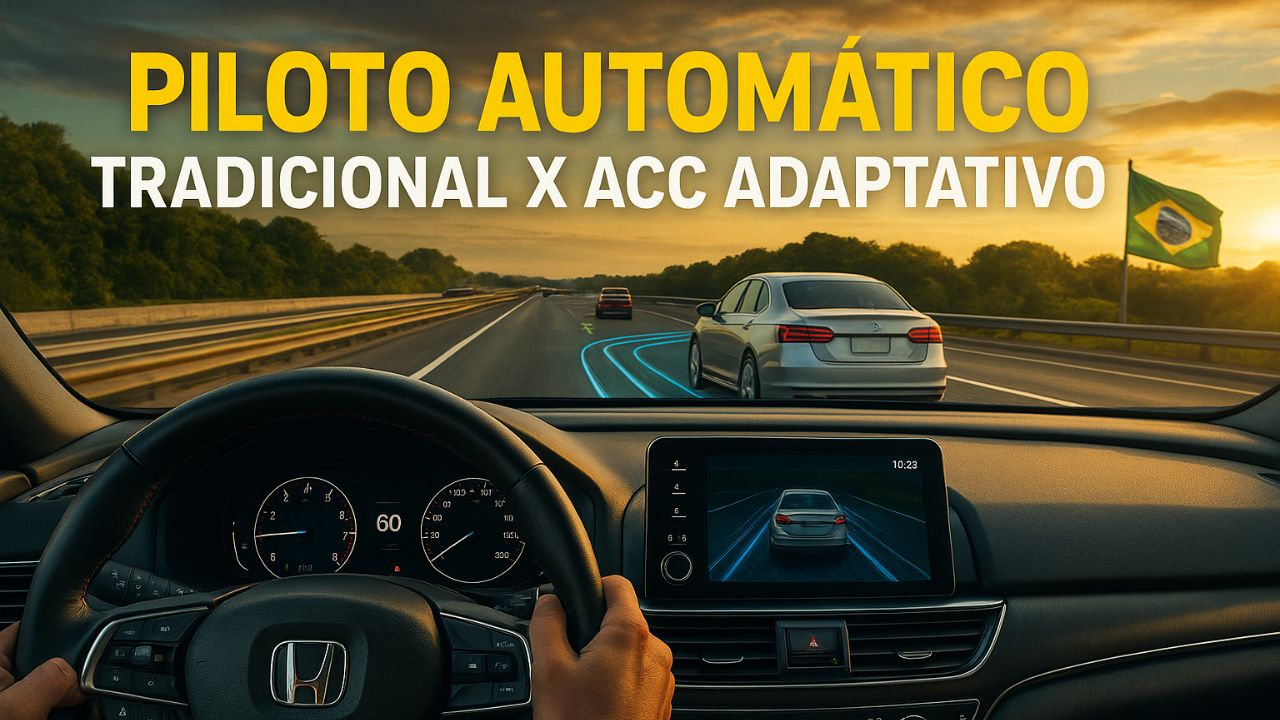
Technology That Was Once a Luxury Item Now Divides Into Two Main Versions; Learn How the ACC System, with Radars and Sensors, Changed the Way of Driving on Roads and Cities.
The cruise control has ceased to be a feature exclusive to high-end vehicles and has become an increasingly present technology in the daily lives of Brazilian drivers. Originally designed to maintain a constant speed during travel, the system has evolved significantly, creating a clear division between the conventional version and its smarter successor, the adaptive version. As reported by CNN, this evolution represents one of the largest advances in modern driving safety and comfort.
The main difference lies in the ability to interact with the environment. While the traditional system requires constant attention from the driver to brake or accelerate according to traffic flow, the more advanced technology, known as Adaptive Cruise Control (ACC), uses sensors to autonomously adjust speed, offering a semi-autonomous driving experience that redefines the concept of convenience, especially in traffic jams.
What Is and How Does the Conventional Cruise Control Work?
The cruise control, also called ““cruise control“”, is the first generation of this driver assistance technology. Its function is direct and specific: to maintain the vehicle at the speed pre-defined by the driver. By activating it on a highway, for example, the driver can remove their foot from the accelerator, and the car will take care of maintaining the programmed 100 km/h, making long trips considerably less tiring.
-
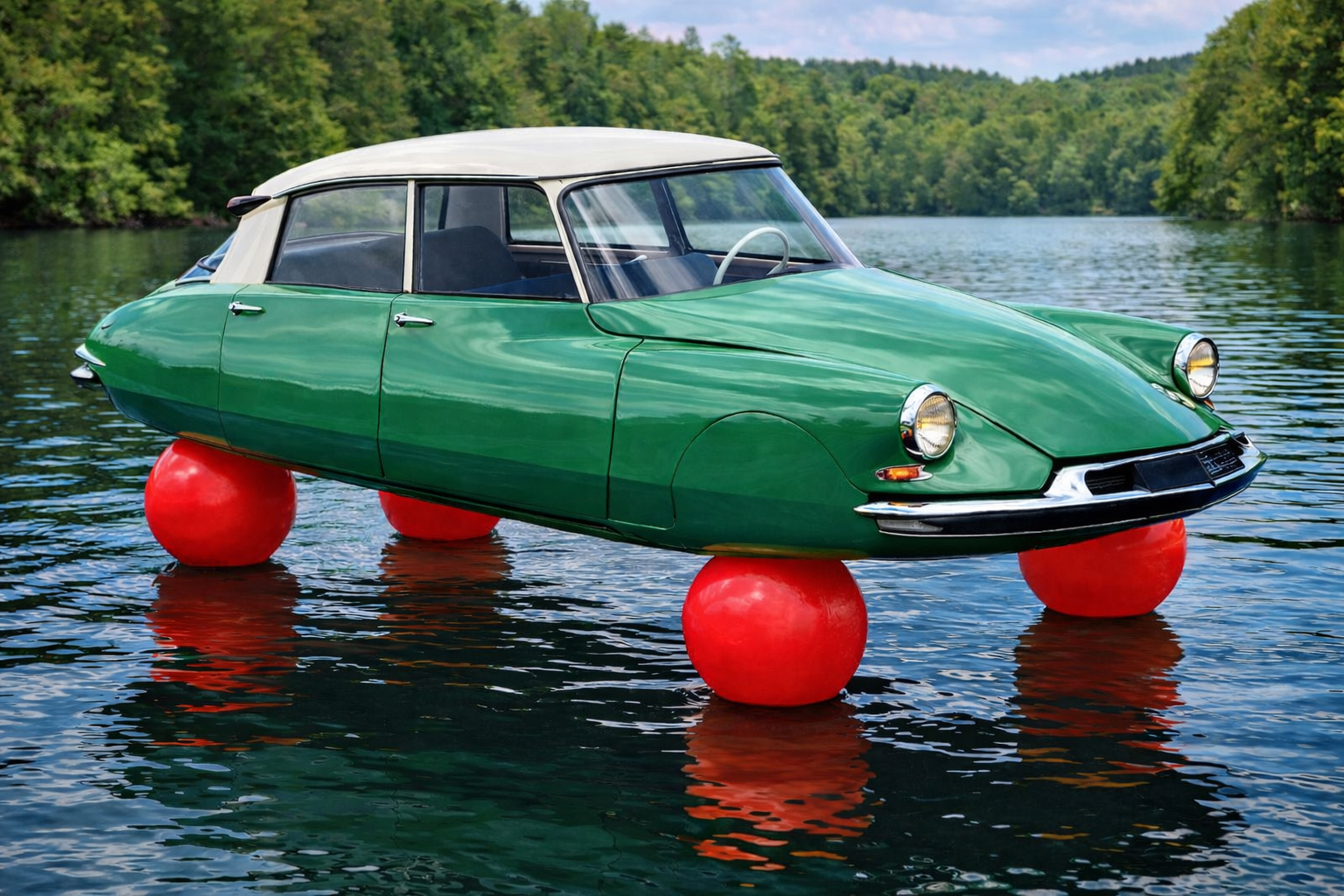
A French brand placed a car on four huge red balloons to prove that its suspension made the vehicle “float,” and the surreal scene became one of the most iconic and unusual images in automotive history.
-
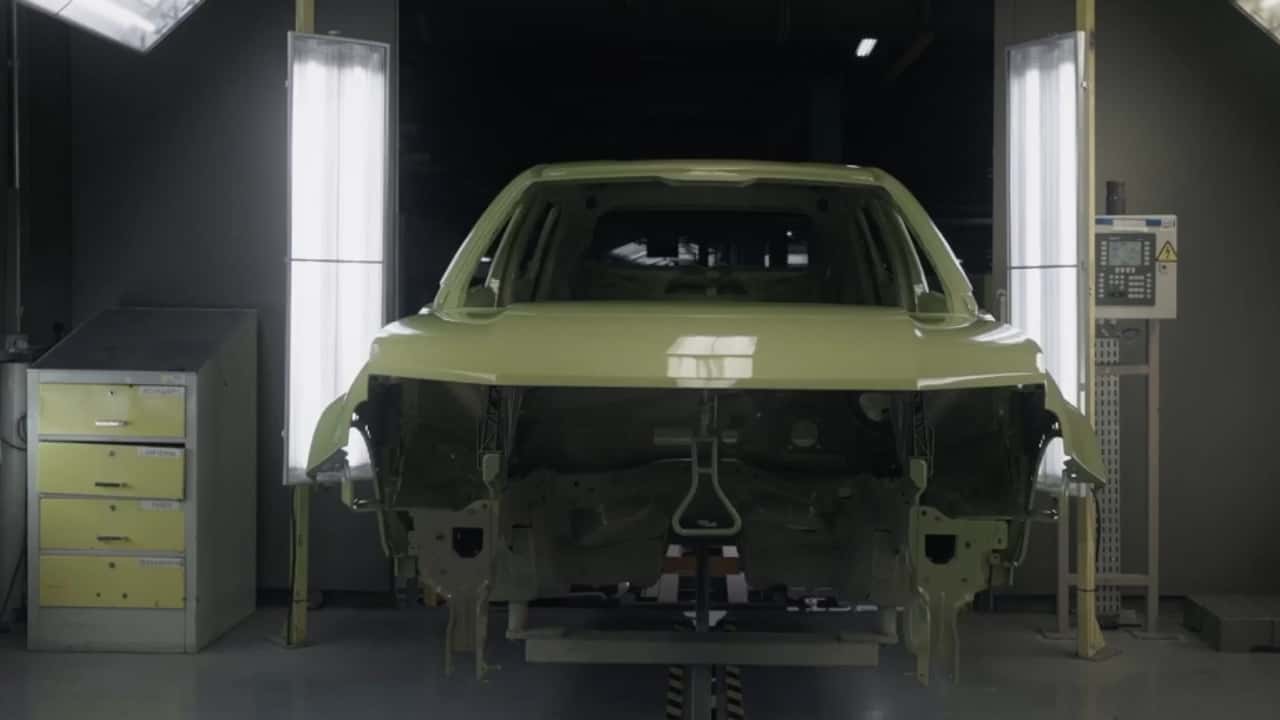
Jeep Avenger begins production in Brazil, debuting as the brand’s new entry-level SUV and inaugurating an unprecedented phase by becoming the first national Jeep manufactured outside of Goiana, as part of a R$ 3 billion plan.
-
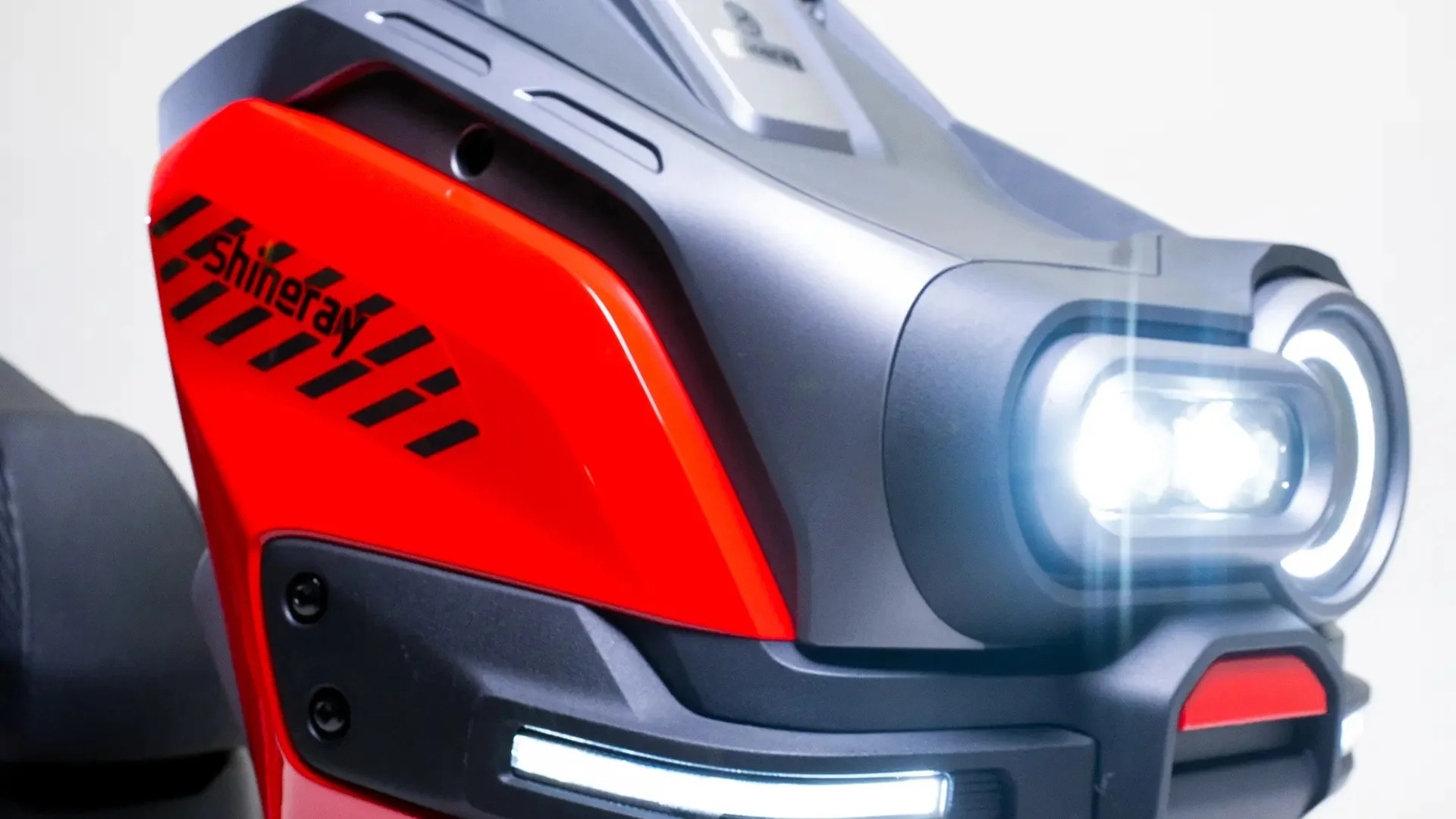
Costing R$ 12,490, the new Shineray Urban Lite 150 “cheap one” arrives in Brazil with a CVT transmission, digital dashboard, and LED lights, making it more affordable than the Biz and targeting those who want to abandon the bus.
-
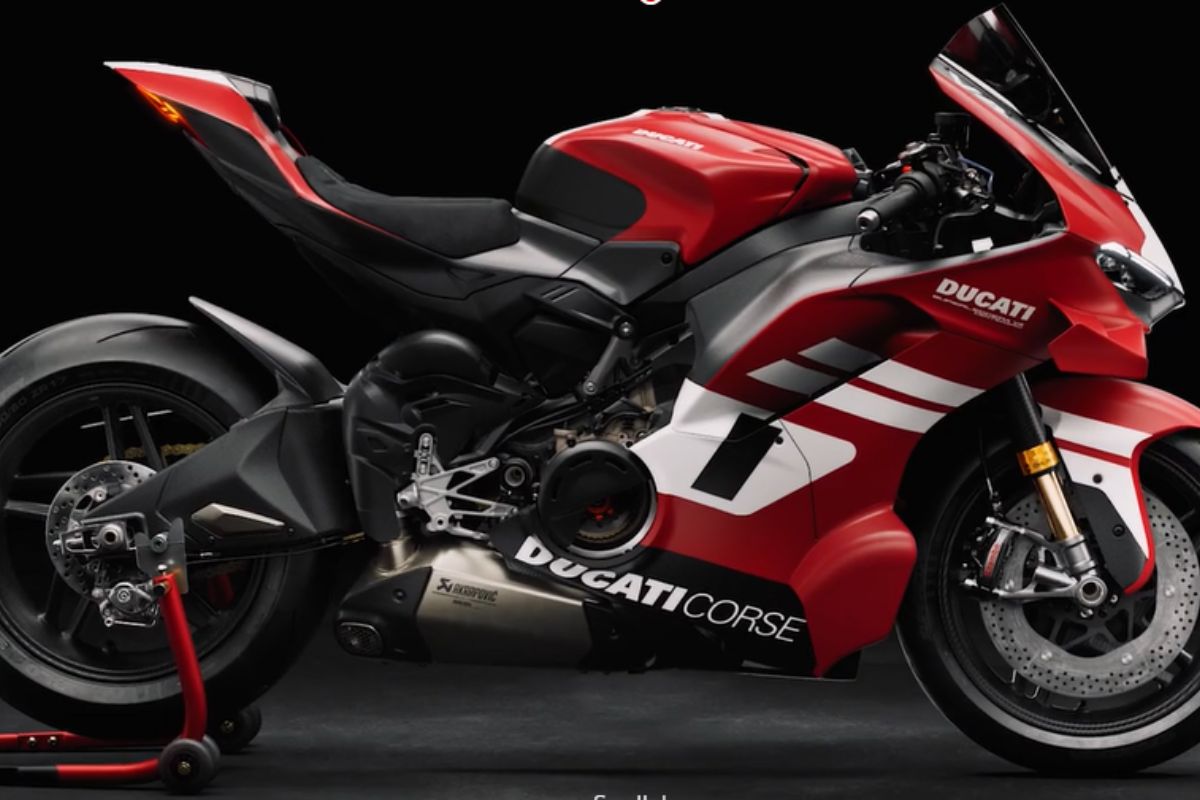
Ducati brings to Brazil the Superleggera V4 Centenario: 228 hp that become 247 with a track kit, carbon fiber and carbon-ceramic brakes, estimated price between R$ 1.5 and 2 million, deliveries only in 2027.

However, its main limitation is the “blindness” to the surrounding traffic. The system does not have sensors to detect other vehicles, which means that if a slower car enters in front of you, it is entirely up to the driver to brake and deactivate the system to avoid a collision. Models such as the Fiat Argo Drive, which costs around R$ 105.490, offer this functionality, which, while useful on empty roads, requires continuous vigilance from the driver.
The ACC Revolution: How Does the Cruise Control That “Sees” Traffic Work?
The real technological breakthrough came with Adaptive Cruise Control (ACC). This system represents the intelligent evolution of the cruise control, as it incorporates radars and sensors installed at the front of the vehicle. These components constantly monitor the distance and speed of the car ahead, allowing the system to make active decisions to ensure a safer and smoother driving experience.
In practice, when setting the ACC to 110 km/h, the car will maintain that speed, but if the vehicle in front slows down to 80 km/h, the system wil automatically brake to maintain a safe distance — which can generally be adjusted by the driver. When the road clears again, the car resumes the programmed speed without the driver needing to intervene. Vehicles like the Honda City EX, sold for R$ 134.000, already come equipped with this technology, which, according to CNN, drastically elevates the level of active safety.
Stop & Go: The Next Level of Autonomy in Urban Traffic Jams
Within the ACC universe, there is an even more advanced and desired function: Stop & Go. This feature allows the adaptive cruise control to operate at very low speeds and even stop the car completely, resuming acceleration when traffic flows again. It is the definitive solution for the “stop-and-go” of large urban centers, transforming one of the most stressful driving situations into something managed by the vehicle itself.
With the Stop & Go system, the driver only needs to worry about the steering wheel, as the car takes control of the acceleration and braking in traffic jams. The technology, highlighted in higher-end vehicles and analyzed by portals like CNN, not only enhances comfort but also helps reduce minor rear-end collisions, common in slow traffic due to driver distraction or fatigue.
Is the Extra Investment in the Adaptive System Worth It?
The price difference between a model with conventional cruise control and one with ACC can be significant, leading many to question whether the additional investment is worthwhile. The answer directly depends on the driver’s usage profile. For those who predominantly use the car on highways with heavy traffic or face daily traffic jams, ACC with Stop & Go is more than a luxury; it is a powerful tool for safety and stress reduction.
On the other hand, for drivers who mainly travel in small towns or take routes with little traffic, the conventional version may be sufficient to alleviate fatigue on occasional trips. However, the growing popularity of adaptive technology indicates that, soon, it will become a standard item, redefining expectations of what a modern car should offer in terms of driving assistance.
The evolution of the cruise control is a clear reflection of how technology is making cars safer and smarter. The transition from a simple speed maintainer to a system that reads and reacts to traffic is a crucial step towards vehicle autonomy.
Now, we want to know your opinion. Have you used any of these systems? Do you think adaptive cruise control is an essential item or an unnecessary luxury? Leave your opinion in the comments; we want to hear from those who experience this firsthand.








Seja o primeiro a reagir!