





 English
  Francês
  Alemão
  Italiano
  Japonês
  Norueguês
  Portuguese
  Spanish
  4 min of reading


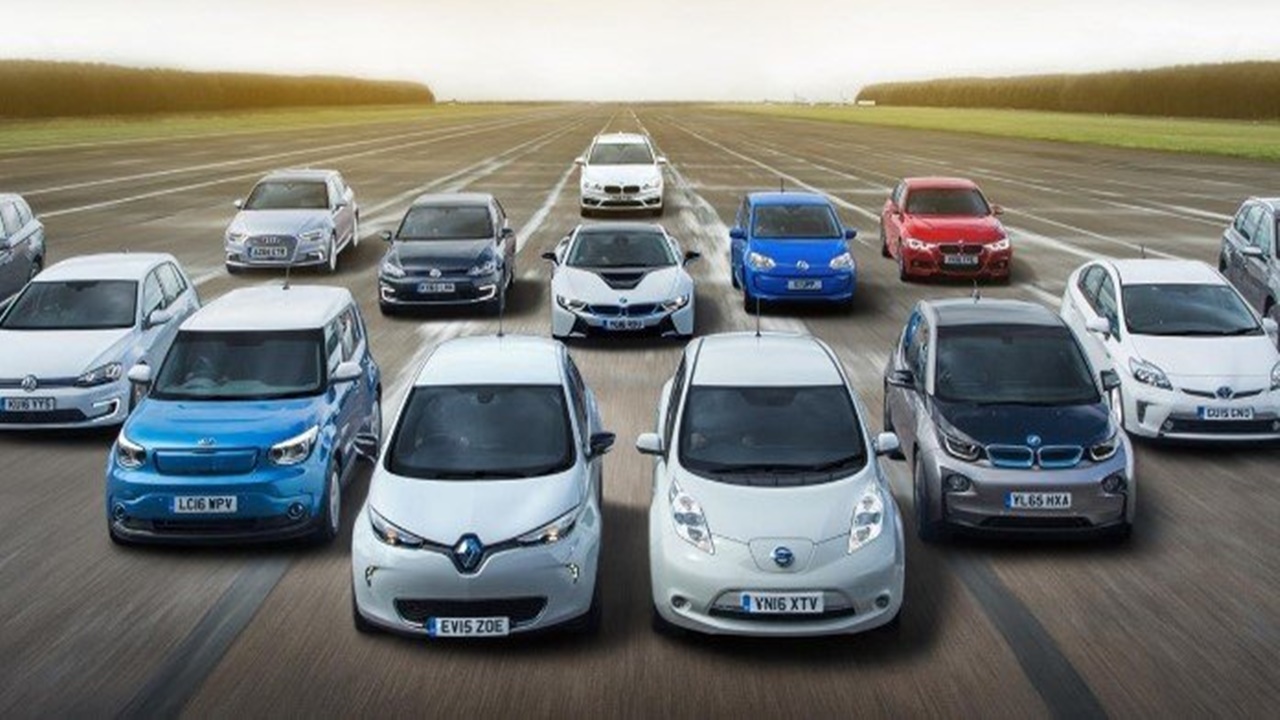
Challenges Of Electric Cars That No One Has Yet Found Answers To Don’t Usually Appear In Traditional Analyses About The Technology That Will Dominate The Automotive Industry In The Coming Years
For those interested in electric cars, you have probably been researching the pros and cons of the new vehicle. On the positive side, much is said about zero emissions, silence, low maintenance costs, high torque, and low running costs. On the negative side, we can mention the high purchase price, low range, slow charging time, and the few charging stations, especially in Brazil.
See Also
- Volkswagen Ends Production Of The Up! At The SP Plant; Gol, Voyage, And Fox Are Also On The Automaker’s Radar
- Volkswagen Wants Electric Car Powered By Ethanol In Brazilian Soil
- Electric Car: The Advantages And Challenges That Brazil Will Have To Fulfill
- Brazilian Electric Car Runs 200 Km With Only R$ 8 Of Energy
At least four challenges for which no one has yet found answers don’t usually appear in traditional analyses about the technology that will dominate the automotive industry in the coming years. See below what they are.
Traditional Factories Are Not Prepared For The Production Of Electric Cars
Much of Europe is expected to suspend the sale of combustion vehicles in 2030, which has been causing sleepless nights for major automakers because they don’t know how this will be accomplished.
-
‘Interlocking brick’ made of earth arrives in the construction industry with cost reductions of up to 40% on the project.

-
Espírito Santo will receive the largest engineering project in its history with the duplication of BR 262, which will have 50 viaducts, 28 bridges, and 2-kilometer tunnels cutting through the most challenging mountainous region of the entire state.

-
A project of nearly 9 million reais already has the first kilometer paved in Santa Catarina and promises to completely transform the access between Jaraguá do Sul and Rio dos Cedros in an area where tourism is growing at a rapid pace.

-
A couple builds a system to bring water from the spring to their land, climbs a hill with materials on their backs, and creates a simple, cheap, and sustainable solution to ensure their own water supply.


Imagine the chaos this is generating; it is very little time to convert a gigantic business that operates with a long product cycle – it typically takes about four years to develop a new car from scratch. In other words, Europe has only nine years to transform 100% of its industry into manufacturers of electric cars, while currently, they only represent 6% of their market.
It Could Cause Massive Unemployment Worldwide
Because the production of electric cars is less complex, they require 30% less labor and use fewer components – 11,000 compared to 30,000 for a conventional car. In addition to hundreds of parts that make up an internal combustion engine, it also needs lubrication and cooling systems.
Factories producing gasoline engines, radiators, gearboxes, spark plugs, and electronic injection will all disappear if they do not pivot to something else. And even if they do pivot, there are too many suppliers for fewer components. Thus, we face a significant risk of unemployment ahead.
According to research commissioned by the Fraunhofer Institute for Industrial Organization and Engineering by the German multinational Volkswagen, 12% of jobs in this industry are expected to vanish, already accounting for the new roles that will emerge.
Only in Germany, out of 830,000 jobs in the sector, around 410,000 (49%) will be eliminated by 2030, according to the Federal Statistical Office of Germany (Destatis). Now, add this number to 2.7 million employees in Europe connected to automakers. And we aren’t even counting the indirect jobs in the supply chain. Then, expand this to the rest of the world to grasp the headache that awaits us.
Low Prices On Batteries: How True Is It?
Currently, the battery is the most expensive item in a vehicle, accounting for up to 40% of the final price. However, electric car manufacturers are banking on market laws, meaning increased production bringing economies of scale, thus lowering battery prices.
Not everything is as it seems; cost reductions may not happen as expected, despite battery prices plummeting in recent years. The situation is set to change when much of the world transitions to electric cars near 2030, experts say.
Even if battery production rises significantly, the demand for certain metals used in their manufacture will grow exponentially, such as cobalt and lithium, which have their reserves concentrated in the hands of a few countries: 50% of cobalt is in the Democratic Republic of Congo, and 75% of lithium is in Bolivia, Chile, and Argentina. Unlike a manufactured product that can be made anywhere, metals can only be extracted in locations chosen by nature.
Let’s Move To The Fourth Challenge: The Cooling System
Even if battery prices drop significantly with increased production, there is a major impasse that could hinder a drastic reduction in the prices of electric cars: the cooling system.
Just like a cellphone, the battery for the electric car generates heat when the vehicle is in use and up to three times more during charging. To prevent overheating, there are air cooling systems (common in cheaper electric cars) and liquid cooling systems (which are expensive and equip the more modern versions). The faster manufacturers race to achieve quicker charges, the more sophisticated (and costly) the battery’s cooling will be.









Seja o primeiro a reagir!