Portuguese
  Spanish



Comparative Study Between Fuels Shows Advantages of Electric Cars, but Also the Challenges Brazil Will Have to Face
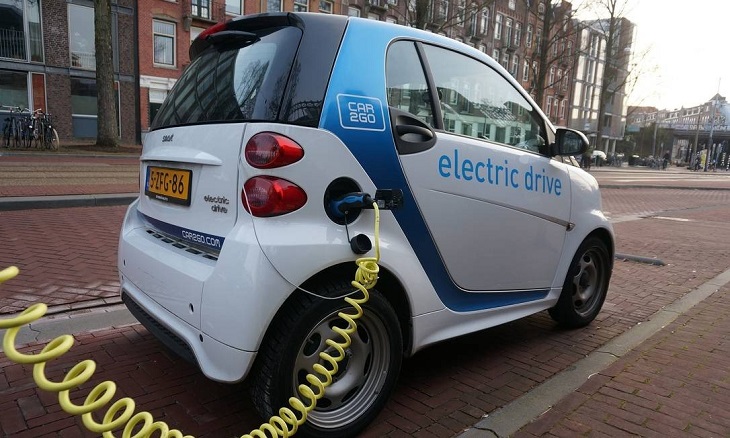
A comparative study between electric cars, gasoline-powered cars, and ethanol-powered cars conducted by Marcelo Gauto, our partner here at Click Petroleum and Gas, demonstrates how much we need to evolve regarding the use of electric cars in Brazil.
Check out data gathered by Marcelo Gauto and see what the country needs to do to align with the new global trend. Gasoline and Diesel Vehicles Will Not Enter Amsterdam Starting in 2030.
If we consider the prices charged by the market today, in November 2018, Brazilian drivers with electric cars will spend on average 52.9% of what gasoline cars will spend and 49.3% of what ethanol cars will spend to travel the same distance.
-
Brazilian Innovator Uses 3D-Printed Device to Cool Two Rooms with One Air Conditioner
-
China Uses 432 Robots to Move a 7,500-Ton Historic Building in Shanghai, Preserving Architecture While Creating Space for Underground Center
-
Dutch Initiative Swaps Cigarette Butts for Food to Clean Streets, Combat Pollution, and Turn Waste into Recycled Furniture

-
Kenyan Company Recycles Over 10 Million Flip-Flops from Indian Ocean Beaches into Elephant and Giraffe Sculptures Sold for Up to $1,200

The Challenges Ahead
BATTERIES: Batteries need to be smaller, weigh less, charge faster, and last longer on a single charge (cell phones have gone through this). They need to last longer despite continuous charging and recharging. The cost also needs to decrease substantially.
INFRASTRUCTURE: A large fleet of electric cars will require a network of charging stations, both urban and rural, to ensure convenience and reliability. The electrical grid must support multiple cars charging at the same time in the same area.
Because of the challenges, I believe internal combustion vehicles will still have a significant space in the market for decades, but they will not reign alone as electric vehicles are here to stay, being more efficient in energy use.
The 2016-2026 PDE forecasts that by 2026 electric cars will still be less than 1% of the vehicle fleet.
The PDE (Decennial Energy Expansion Plan) is an informative document aimed at the entire society, providing indications, not determinations, of future expansion perspectives of the energy sector from the government’s viewpoint over the decennial horizon. The document is prepared by EPE (Energy Research Company), an agency linked to the MME.
Read Also! Germany Offers Program for Those Who Want to Work and Live Abroad!

Marcelo Gauto is a Specialist in Oil, Gas, and Energy – Industrial Chemist – Operations Technician at Petrobras