





 Portuguese
  English
  Spanish
  4 min of reading
  0 comments


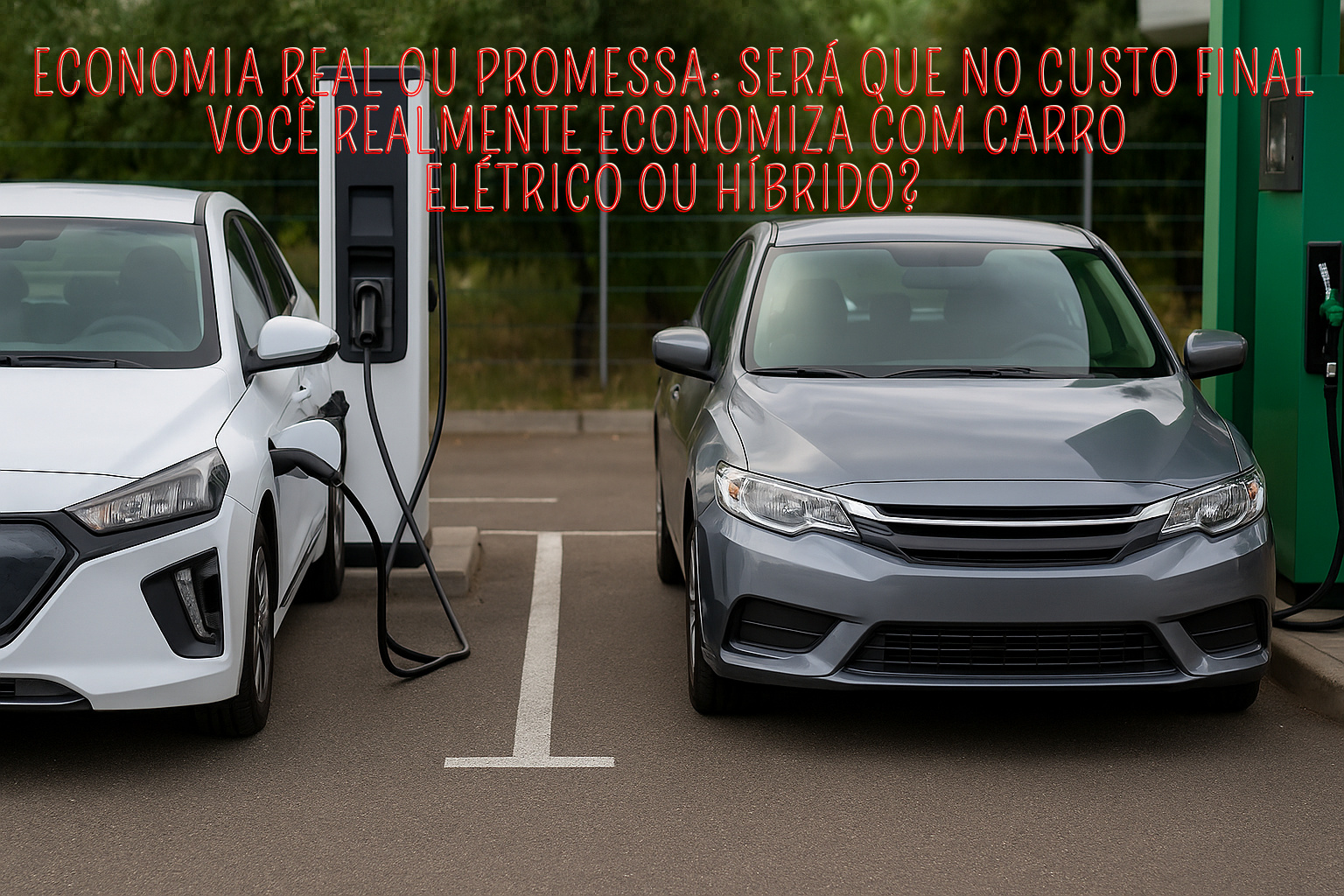
Technological Advances Promise to Reduce Costs and Simplify Maintenance, but Is It Really Cheaper to Care for an Electric or Hybrid Car Compared to a Gasoline Model?
The debate about the cheaper maintenance of electric and hybrid vehicles is gaining more space in Brazil. With the arrival of new models in the market and the advancement of the search for sustainable solutions, curiosity and doubt about the real costs of maintaining an electric car or a hybrid car compared to traditional gasoline-powered vehicles are also growing.
Despite many advertisements highlighting significant savings, the reality is more balanced than it appears. Owners and experts confirm that there is indeed a reduction in maintenance expenses over time, but this advantage comes with specific conditions that are not always mentioned. In other words: the savings exist, yes, but they require attention and analysis before any investment.
The Difference Lies in the Engine Structure
The first point that explains the possible cheaper maintenance of electric cars is the difference in operation.
While the gasoline engine has dozens of moving parts, such as pistons, valves, rods, belts, and filters, the electric car operates much more simply, with only a few main parts. This means less wear and, consequently, fewer visits to the workshop.
-
OMODA & JAECOO grows in Europe in 2026 with an integrated strategy of sales, innovation, local production, and technological advancement in the United Kingdom, Italy, and Spain.
-
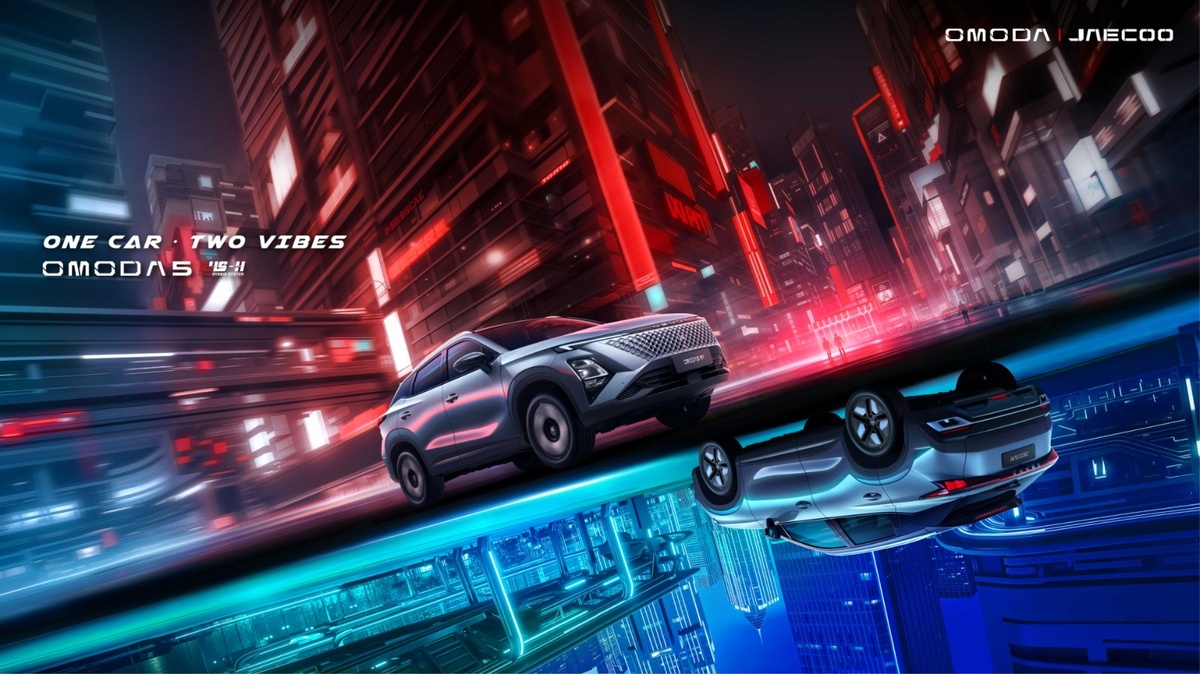
OMODA & JAECOO expand post-sales in Brazil with competitive maintenance, a 7-year warranty, and high availability of parts for technological SUVs.

-
OMODA & JAECOO appoints Alessandra Souza as executive marketing director in Brazil and accelerates brand expansion with a focus on innovation, network, and hybrid portfolio.

-
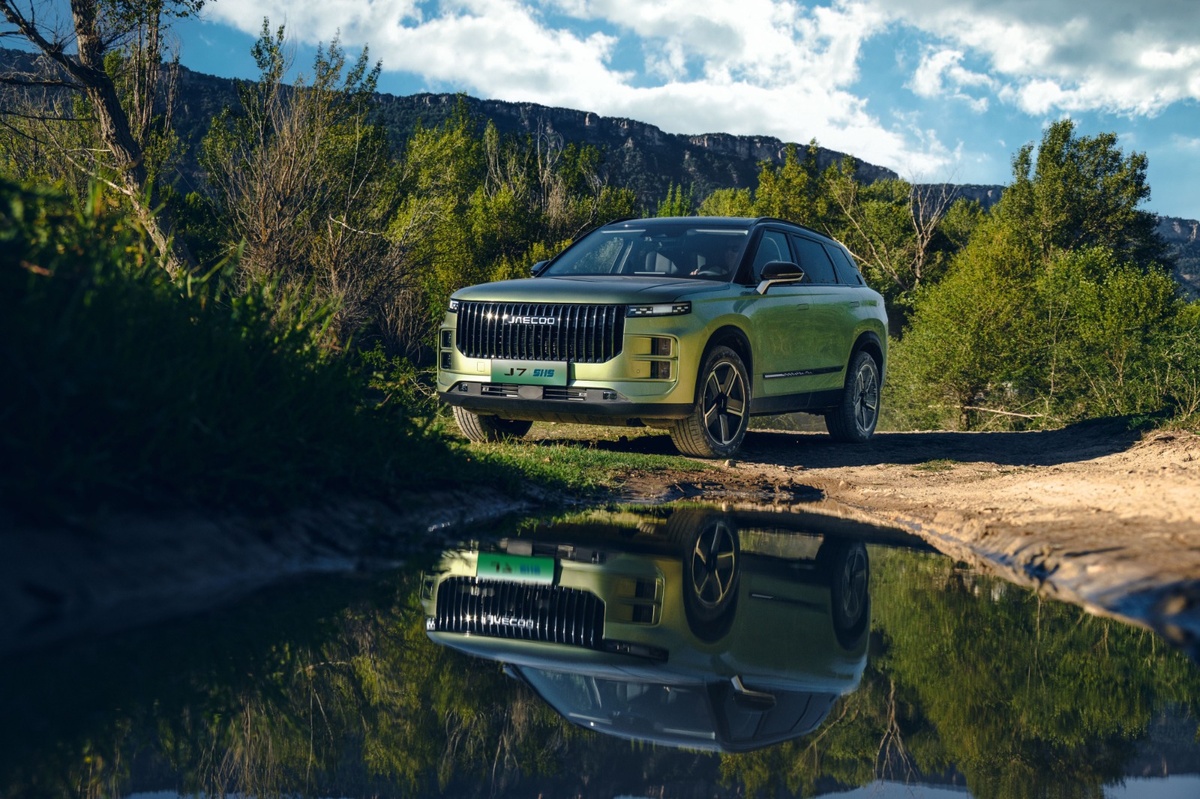
Jaecoo 7 with super hybrid SHS system exceeds 1,200 km of combined range with a 1.5 turbo engine, high-density battery, and intelligent energy management.

Moreover, electric vehicles do not need oil changes, spark plugs, or complex exhaust systems. This significantly reduces the cost of periodic maintenance, and that is where the main advantage over traditional cars lies.
In hybrid cars, the scenario is a bit different. They combine an electric motor and an internal combustion engine, which ensures less gasoline usage, but still requires maintenance of some traditional components. Even so, as the electric system assists the thermal engine, the wear of parts is much less than in conventional vehicles.
Real Savings or Marketing Promise?
It’s not a myth: on average, the maintenance of an electric car can be up to 30% cheaper than that of a gasoline model, considering regular services and basic parts replacement.But it is important to highlight that “cheaper” does not mean “cost-free.”
The sensitive point of electric vehicles is the battery. It is the heart of the vehicle and also the most expensive component. Although it has a long lifespan (between 8 and 10 years, depending on usage), its replacement still represents a high investment. The good news is that manufacturers are extending warranties and reducing production costs, making this scenario more favorable each year.
In hybrid cars, the savings occur in another way: since the electric motor reduces dependence on gasoline, the fuel cost drops considerably. Additionally, the regeneration system during braking helps to charge the battery, which means lower energy and maintenance expenses.
Therefore, the advantage is real, but the driver needs to evaluate their usage time of the vehicle and the type of daily trips to know if the investment pays off.
Myths That Still Confuse Drivers
Despite the advantages, many myths about the topic still circulate.
One of the most common is that electric cars “do not require maintenance.” This is not true. They require specific care, especially in the battery cooling system and the regenerative brakes, which need periodic checks.
Another misconception is to think that the hybrid car has the same maintenance cost as the electric one. Since it still has an internal combustion engine, some expenses — such as oil and filter changes — still exist, although less frequently.
It’s also a myth to believe that any workshop can service this type of vehicle. In Brazil, the number of specialized locations for electric cars and hybrid cars is still limited, mainly concentrated in large capitals. This can increase service costs in more remote areas.
What Really Affects Your Wallet
For the average consumer, what makes a difference is the total cost of ownership, meaning everything that involves fuel, maintenance, and any repairs.
Those who drive a lot tend to notice the return more quickly, especially due to gasoline savings and less wear on parts.
Those who use the car only occasionally may take longer to recoup the initial investment, considering that electric and hybrid models still have a higher purchase price.
In any case, the reduction in maintenance costs is undeniable. Fewer changes, fewer moving parts, and simpler inspections make electric and hybrid cars advantageous options in the long run, especially when considering the scenario of high fuel prices and growing concern for the environment.
Is It Worth Switching Your Gasoline Car?
The answer depends on your usage profile and where you live.
If you drive a lot in the city, the hybrid car may be the ideal balance between range and cheaper maintenance.
If you have easy access to charging points and usually cover shorter distances, the electric car may offer significant savings and virtually eliminate reliance on gasoline.
However, if your routine involves long trips, places without charging infrastructure, and little use of your car, then the combustion model may still make more sense in the short term.
In the end, the important thing is to look beyond the advertising: calculate, compare, and plan the total cost. This way, you will know if the promise of “cheaper maintenance” really works for your wallet.
And you, do you believe that electric and hybrid cars are the future, or do you still prefer the security of gasoline engines?
Leave your opinion in the comments.








Seja o primeiro a reagir!