





 Portuguese
  English
  Spanish
  4 min of reading
  0 comments


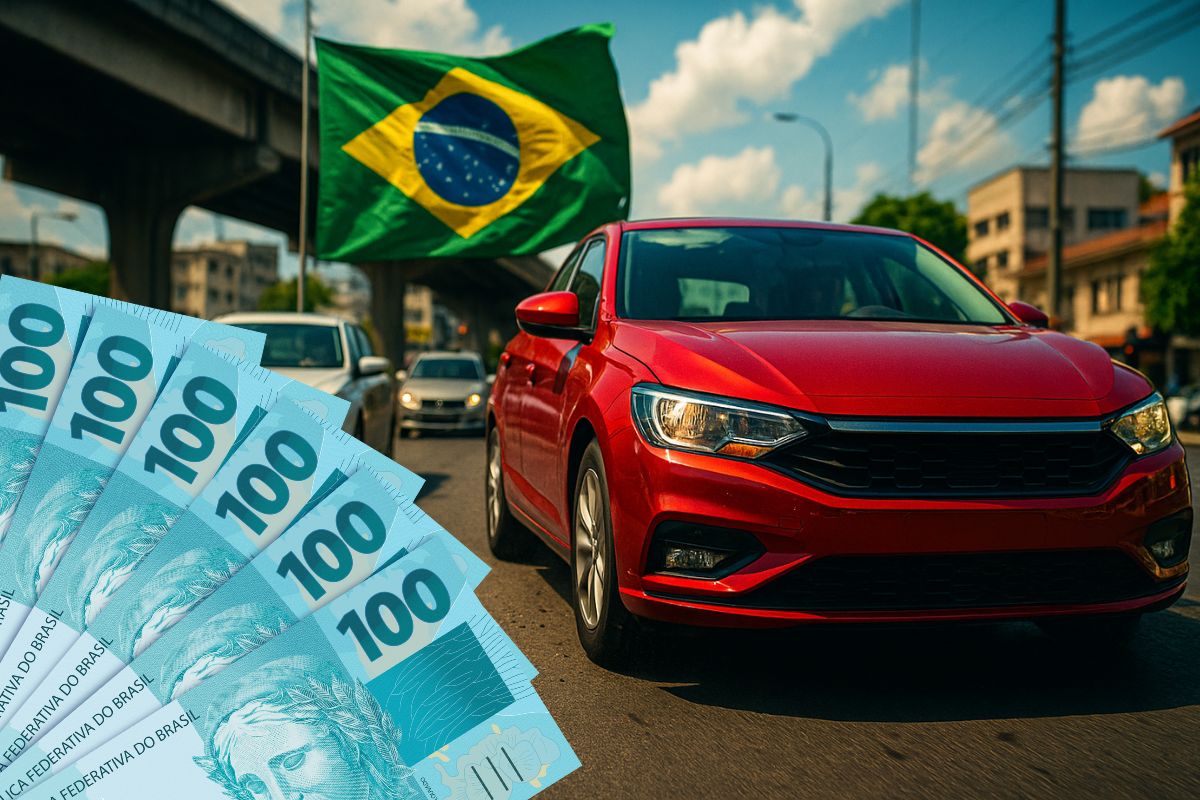
With 37% Taxes, Heavier Vehicles, and Manufacturers Profiting from High Prices, the Era of Affordable Cars is Gone.
The cars in Brazil have reached a price level that is unlikely to go back. Amid the high tax burden, which reaches 37% of the final value, the increase in the average weight of vehicles, and the manufacturers’ strategy to prioritize higher margins, the Brazilian consumer faces a scenario where the idea of a cheap popular car is no longer a reality.
According to Market Makers, over the past decades, the national automotive market has undergone profound transformations. The compact and simple car of the 1990s has given way to heavier models, with more safety features and technology, but also with prices unaffordable for a large part of the population.
Taxes Weigh on the Wallet
One of the central factors explaining why cars in Brazil are so expensive lies in the tax burden.
-
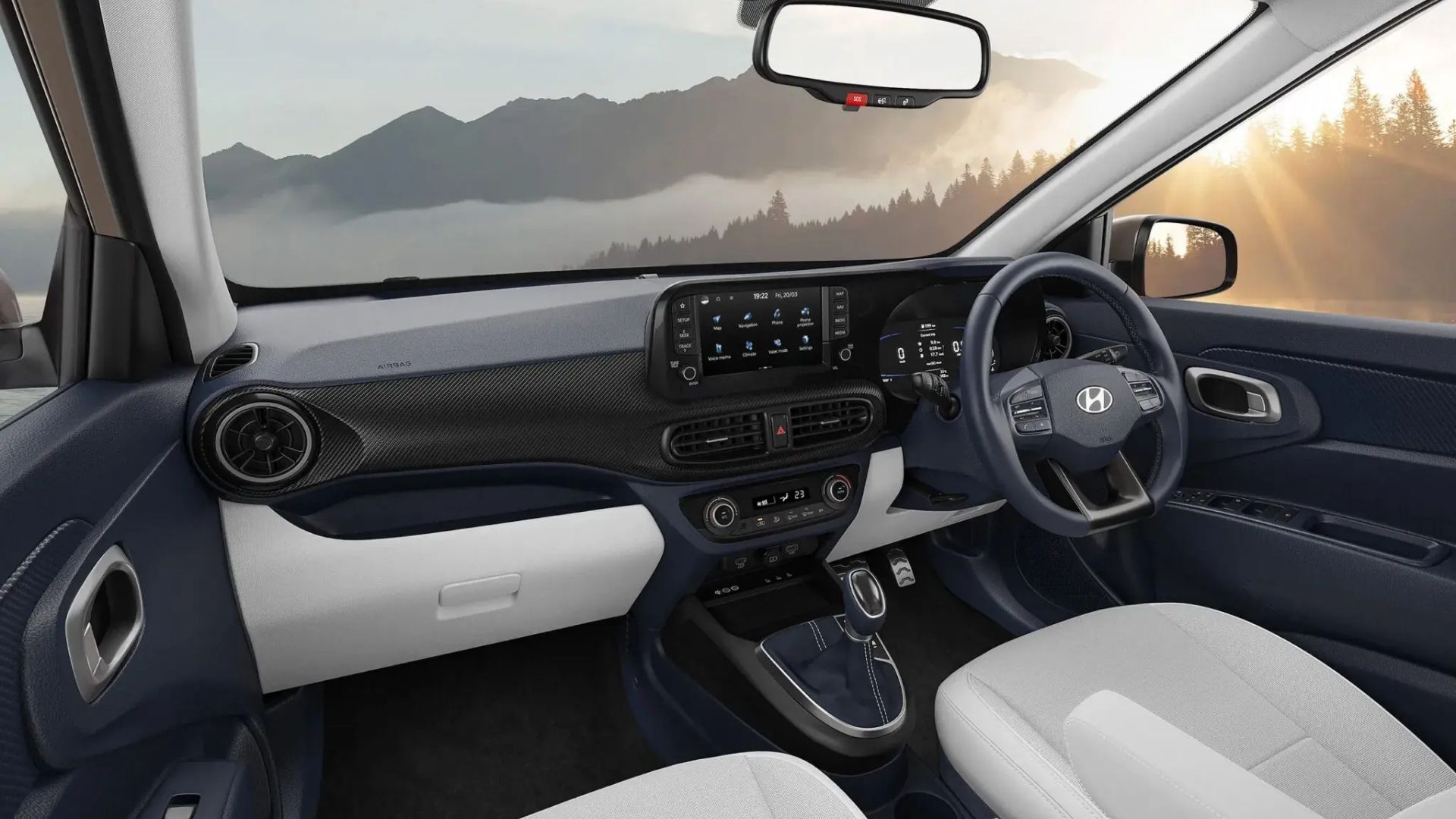
For R$ 32,000, a brand new Hyundai car is a rival to the Kwid with a 1.2 engine producing 82 hp, 6 airbags as standard, multimedia with wireless Android Auto, up to 391 liters in the trunk, and a refreshed look for 2026 in India.
-
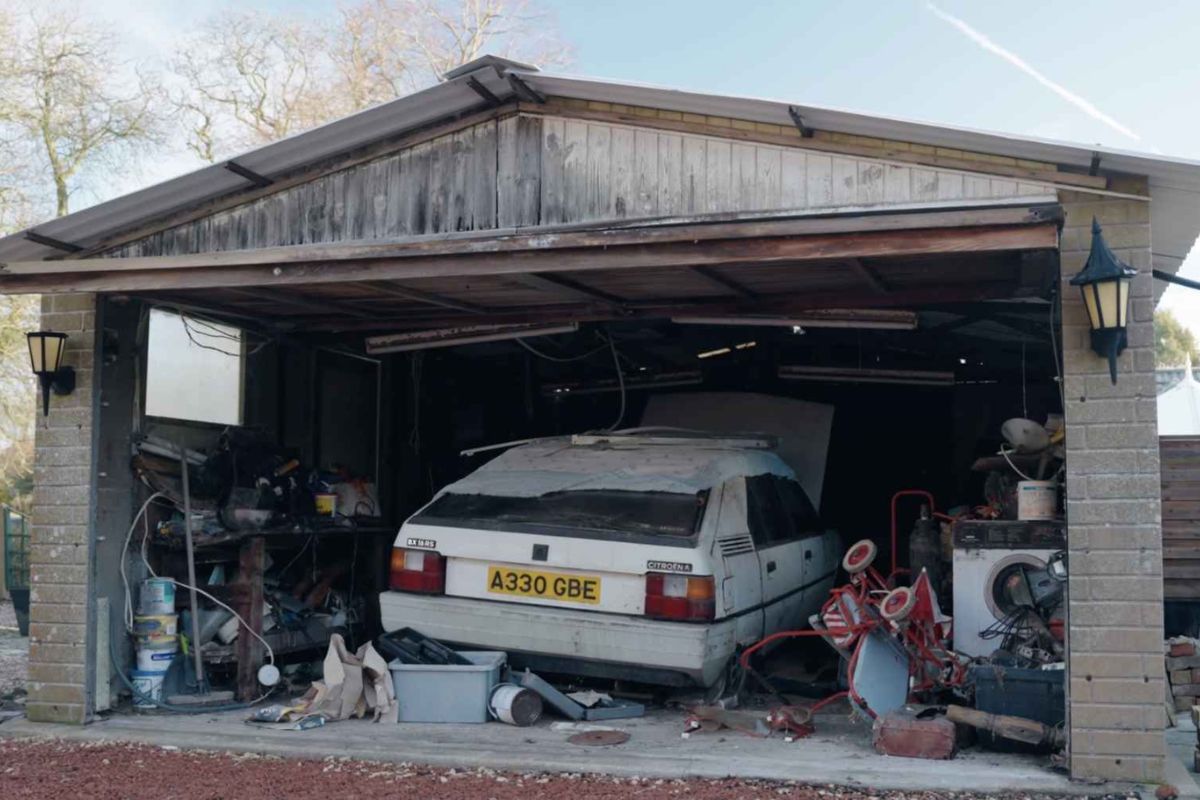
He bought a new car in 1983, locked it in the barn in 1988, and no one opened the door for 38 years until the family discovered what was stored inside and realized it looked like something out of a movie.
-
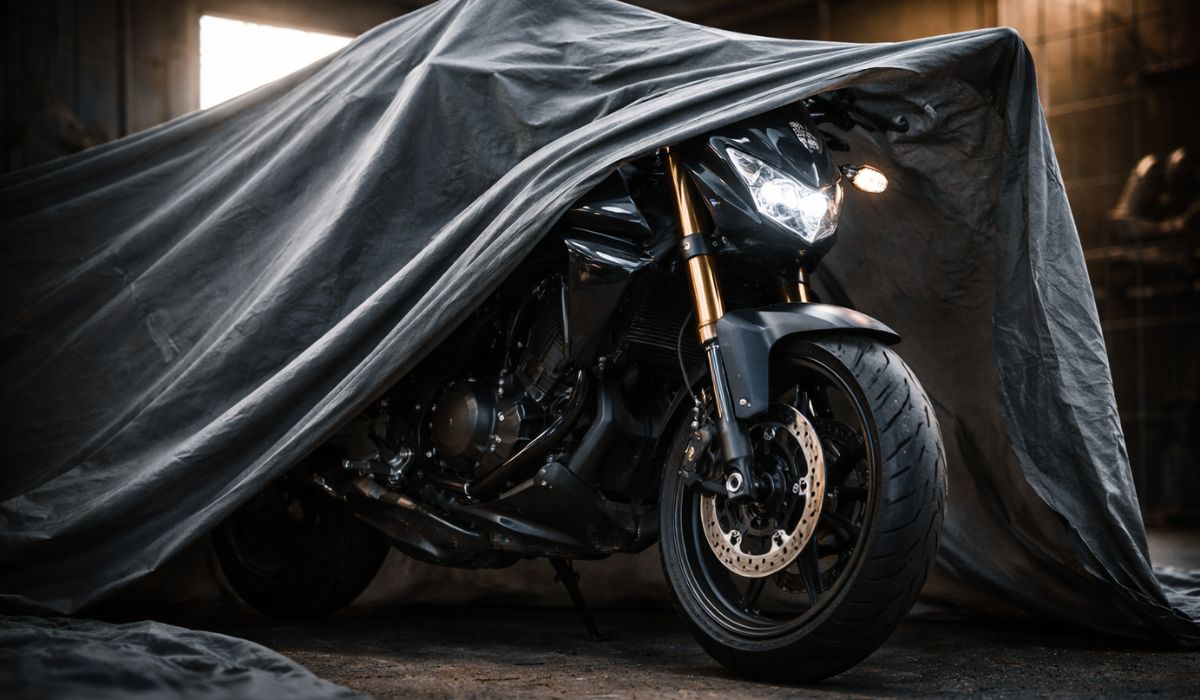
A 250cc motorcycle that can reach 560 km with a 14-liter tank, features disc brakes on both wheels and is among the most well-known in Brazil.
-
Man finds over 200 rare cars abandoned on a lot and tries to do the impossible in 8 hours with a surprise at the end.


While in developed markets, vehicle taxes hover around 20%, in Brazil they exceed one-third of the value of each new car.
This means that the consumer pays practically for an additional car just in taxes.
This structure is the result of a tax system that favors consumption taxes over income taxes.
As the country requires high revenue to sustain public spending, the burden falls on the buyer, who sees prices becoming increasingly distant from their income reality.
The Extra Weight of Modern Cars
In addition to taxes, the vehicles sold today are heavier and more sophisticated. In the past decade, the average weight of cars has increased by about 300 kg in Europe, and the trend is similar in Brazil.
Models that weighed 800 kg in the 1990s now easily exceed one ton, a result of increased use of steel, safety equipment, and electronic systems.
This evolution has brought significant safety gains, such as airbags, ABS, and stability controls. However, it has also increased production costs.
Every extra kilo of steel and technology translates into additional cost, and in the end, it is the consumer who bears the difference.
The New Strategy of Manufacturers
Another decisive point is that the manufacturers themselves have changed their business logic. With the experience of the pandemic, they realized that selling less but at higher prices is more profitable than competing for market share with low prices.
The result was a structural adjustment that raised car prices worldwide but had an even greater impact in Brazil, due to taxes and the lower average income of the population.
This movement also explains why used cars have gained relevance.
With zero-kilometer prices becoming increasingly high, the solution for millions of Brazilians is to keep their current vehicle for longer or seek options in the used car market.
Electric and Hybrid Cars Are Not an Immediate Solution


If consumers expect the arrival of electric vehicles to solve the price problem, the reality is different. Today, manufacturers sell electric models in Brazil often at a negative margin, which is not sustainable in the long run.
Furthermore, the cost of batteries and the lack of charging infrastructure make these cars unfeasible for a large part of the population.
Plug-in hybrids, which combine combustion and electric engines, stumble on the price: they rarely sell for less than R$ 160,000.
That is, they are restricted to a small and wealthier segment of the market, with no prospect of becoming popular in the short term.
The New Car as a Luxury Item
In this scenario, the new car has become a luxury item for many Brazilians. The national market for new vehicles is already proportionally much smaller than that of used cars, with six times more second-hand transactions.
This proportion is expected to remain, as there are no signs of structural price declines, even with temporary measures to reduce taxes on popular models.
Meanwhile, manufacturers are trying to adapt their lines to the new consumer: less volume, more profitability, and a focus on segments that offer higher margins, such as SUVs and pickups.
The cars in Brazil reflect an equation that combines high taxes, rising production costs, and business strategies aimed at higher profit per unit.
All indications are that the era of the cheap car is behind us, and consumers will have to cope with high prices as the rule of the game.
And you, do you believe that cars in Brazil can still become affordable again, or will the future be increasingly restricted to the used car market? Leave your opinion in the comments — we want to hear from those who live this reality firsthand.










Seja o primeiro a reagir!