





 Portuguese
  English
  Spanish
  4 min of reading
  0 comments


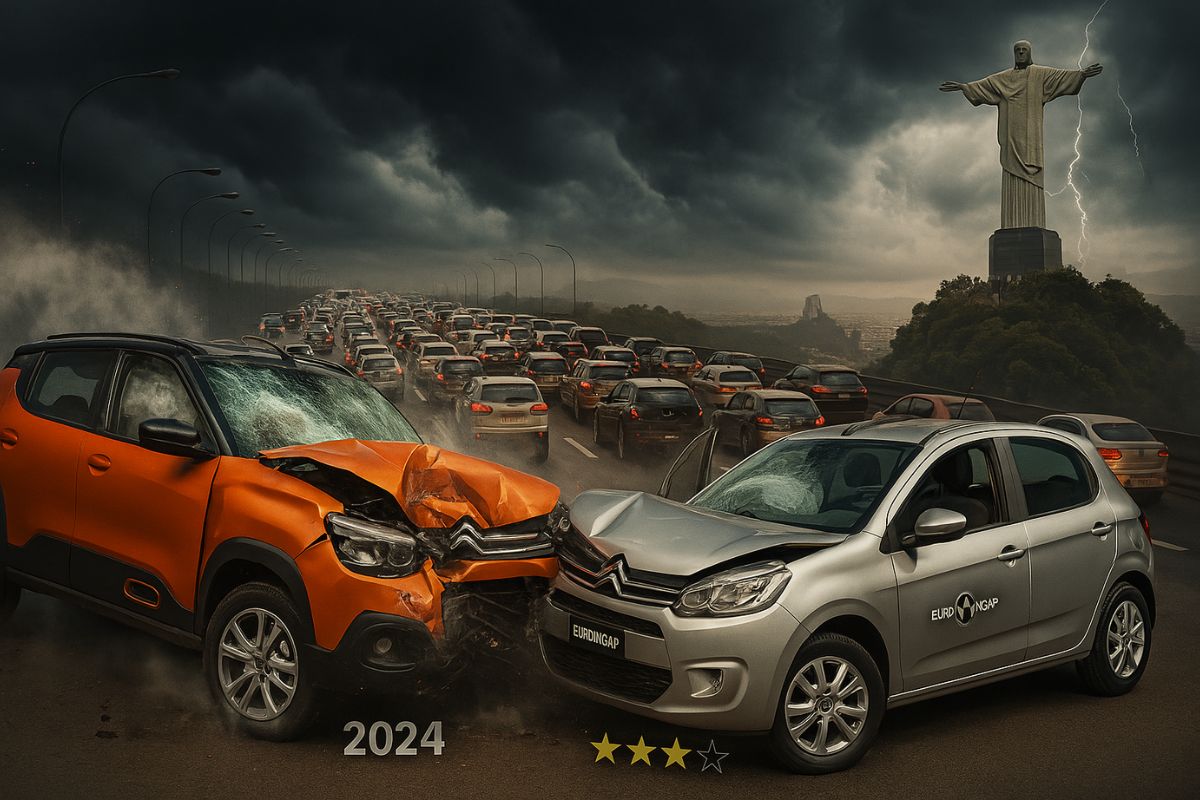
Collision Tests Reveal That Several Cars In Brazil Score Zero In Safety, While Being Sold As Safe And Modern Options
Cars in Brazil are, in many cases, death traps on wheels. Popular models that circulate daily on the streets of the country are among the worst rated in safety in Latin America. While automakers deliver high-standard vehicles in Europe, here they cut costs, reduce safety, and maximize profits, all within the law.
The Citroën C3 2024 received a zero rating in the Latin NCAP crash test. Zero. A car marketed as modern, urban, and family-friendly, unable to guarantee minimum protection in a crash at 64 km/h. For those who think this is an exception, the list is long: Ford Ka, Hyundai HB20, Fiat Argo, Renault Duster, Kia Sportage, all with a history of poor safety ratings. These same brands offer the same models, with five stars, in other countries. Just not in Brazil.
The difference between the C3 sold in Europe and the one manufactured in Brazil is striking. There, the chance of survival in a frontal collision is 85%. Here, it barely reaches 33%. This happens because the versions sold in the country are cheaper to produce, with fewer safety features, weaker structures, and absent technologies.
-
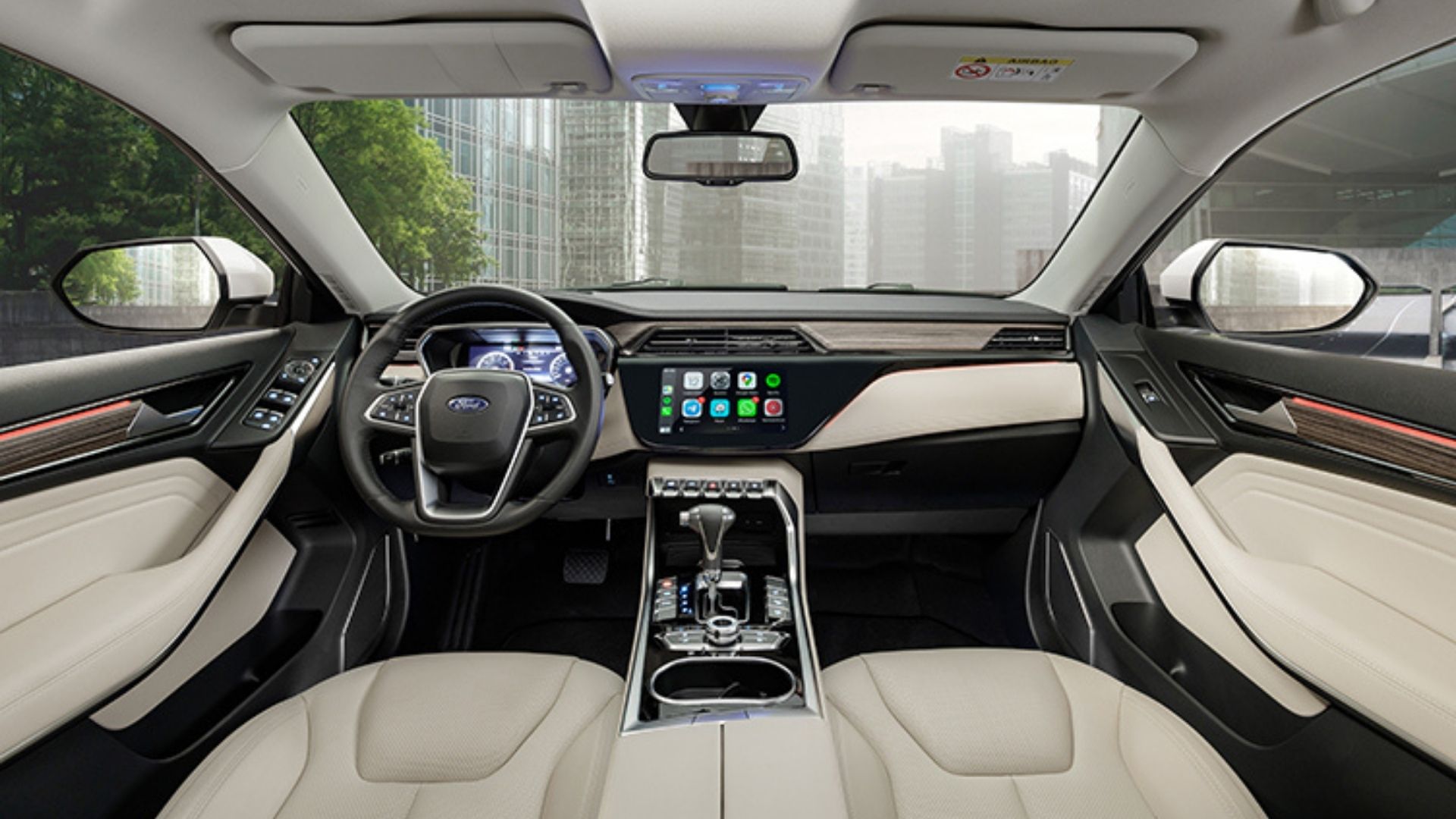
Around R$ 24,000: 4 used Ford SUVs with up to 253 hp, V6 engine, all-wheel drive, 7 airbags, panoramic sunroof, and a complete package that surprises with its price and performance in Brazil.
-
A brand new car starts at around R$ 75,000 in Brazil, but what stands out the most is seeing streets filled with SUVs and expensive sedans in a country where millions remain in debt.

-
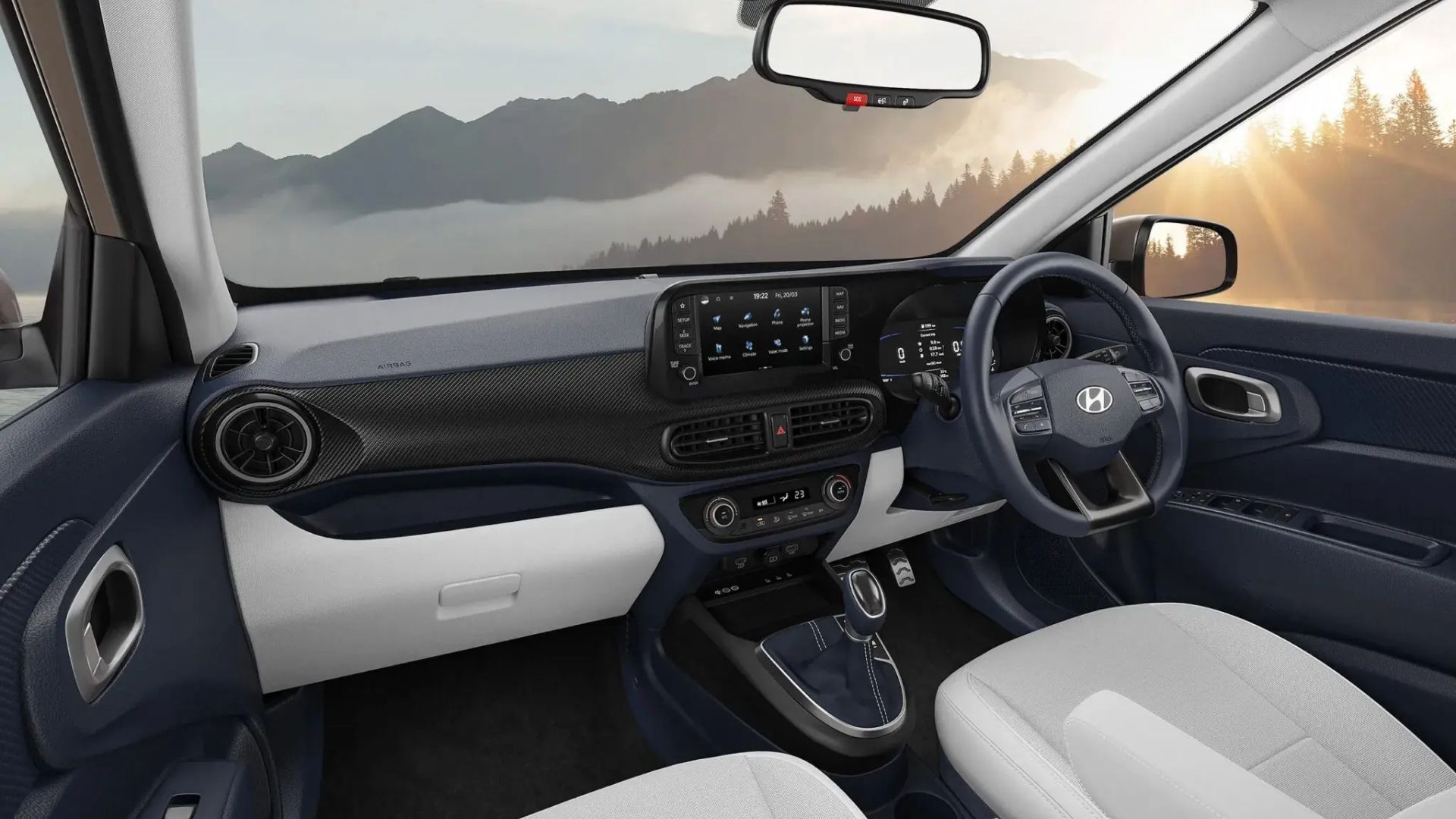
For R$ 32,000, a brand new Hyundai car is a rival to the Kwid with a 1.2 engine producing 82 hp, 6 airbags as standard, multimedia with wireless Android Auto, up to 391 liters in the trunk, and a refreshed look for 2026 in India.
-
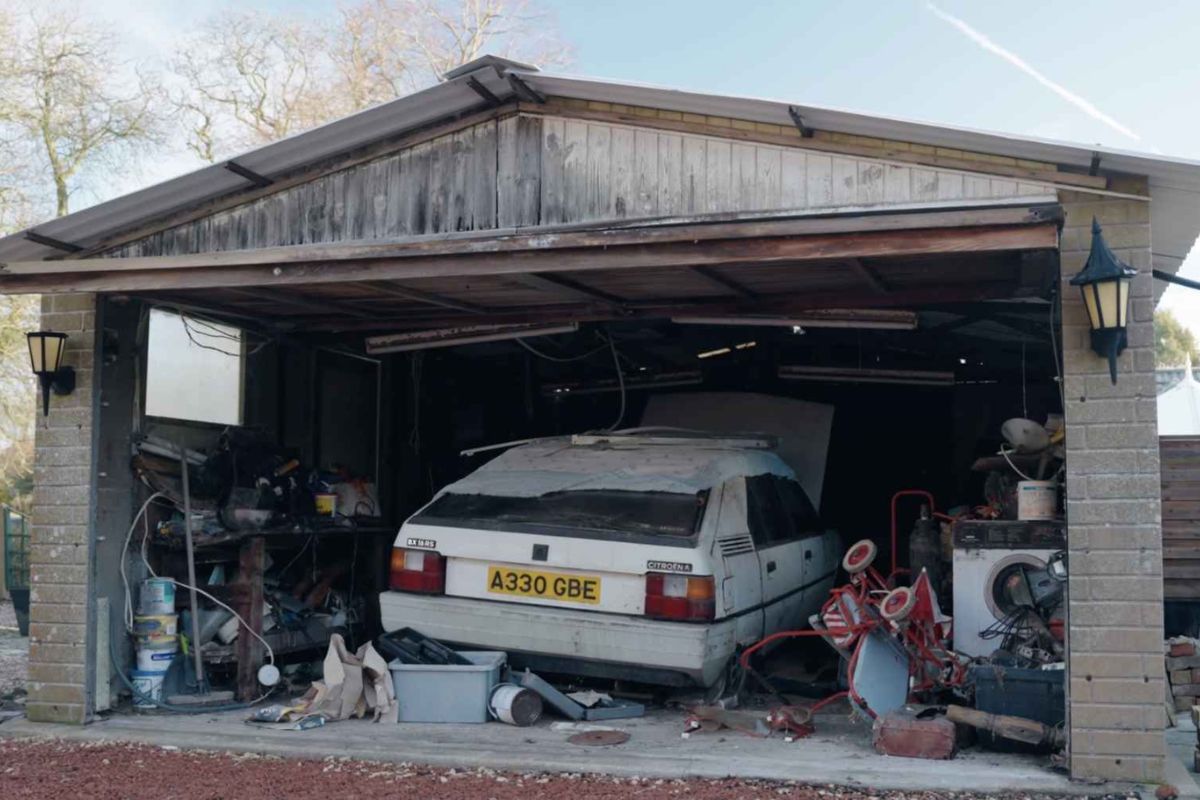
He bought a new car in 1983, locked it in the barn in 1988, and no one opened the door for 38 years until the family discovered what was stored inside and realized it looked like something out of a movie.

Why Cars In Brazil Are More Dangerous
Automakers claim they follow all Brazilian regulations. And that’s true. The problem is that these regulations are light-years behind what is already practiced in Europe or the United States. Until 2014, Brazil still accepted the manufacturing of cars without airbags or ABS brakes. In 2024, only now has electronic stability control become mandatory. Equipment that saves lives is still treated as a luxury here.
According to industry experts, Brazil is seen by automakers as an ideal market for cost-cutting. The logic is simple: where regulation is weak and consumers do not demand more, profits are higher. Data from IHS Automotive shows that the profit margin for manufacturers in Brazil is 3.5 times greater than in the United States. Not due to efficiency, but because here less is delivered for the same price, or even more.
Vehicle Safety Is Still Not A Priority For Brazilians
It is common to see consumers prioritizing alloy wheels, multimedia centers, or chrome finishes at the time of purchase. Few are concerned about how many airbags the car has, whether there is automatic braking system, or stability control. A survey showed that when Fiat and Renault tried to sell affordable safety packages, consumers preferred to spend the same amount on aesthetic accessories.
Between 2020 and 2022, Latin NCAP disapproved of several cars sold in Brazil with a zero rating. During the same period, the country recorded more than 90,000 deaths in traffic accidents. Although many of these cases are linked to human errors, the structure of the vehicle can be decisive between a tragedy and survival. Studies indicate that the chance of an occupant surviving an accident is up to 70% higher in a car with four or five stars.
The False Sense Of Protection Is Another Danger Of Cars In Brazil
Many believe they are safe just because they have airbags. But they do not know that, in cars with fragile structures, the impact is so violent that the cabin deforms and even prevents the rescue of victims. Latin NCAP itself has already warned that in some Brazilian models, child protection is so poor that it does not even reach 15% in tests.
A draft resolution published in 2022 promises to make systems like autonomous braking mandatory starting in 2026. But since then, no updates have been disclosed. If not forgotten, the rule will still take three more years to come into effect, and five to apply to all models. Until then, lives will continue to be lost in cars that would never be approved in more demanding countries.
Even in the face of evidence, manufacturers do not change their approach. After all, they continue to sell well. According to market data, models with a zero safety rating rank among the best-selling in Brazil. And as long as consumers do not demand more, the standard will remain the same: fragile, unsafe vehicles disguised with colorful lights and touch screens.









-

Uma pessoa reagiu a isso.