





 Portuguese
  English
  Spanish
  5 min of reading
  0 comments


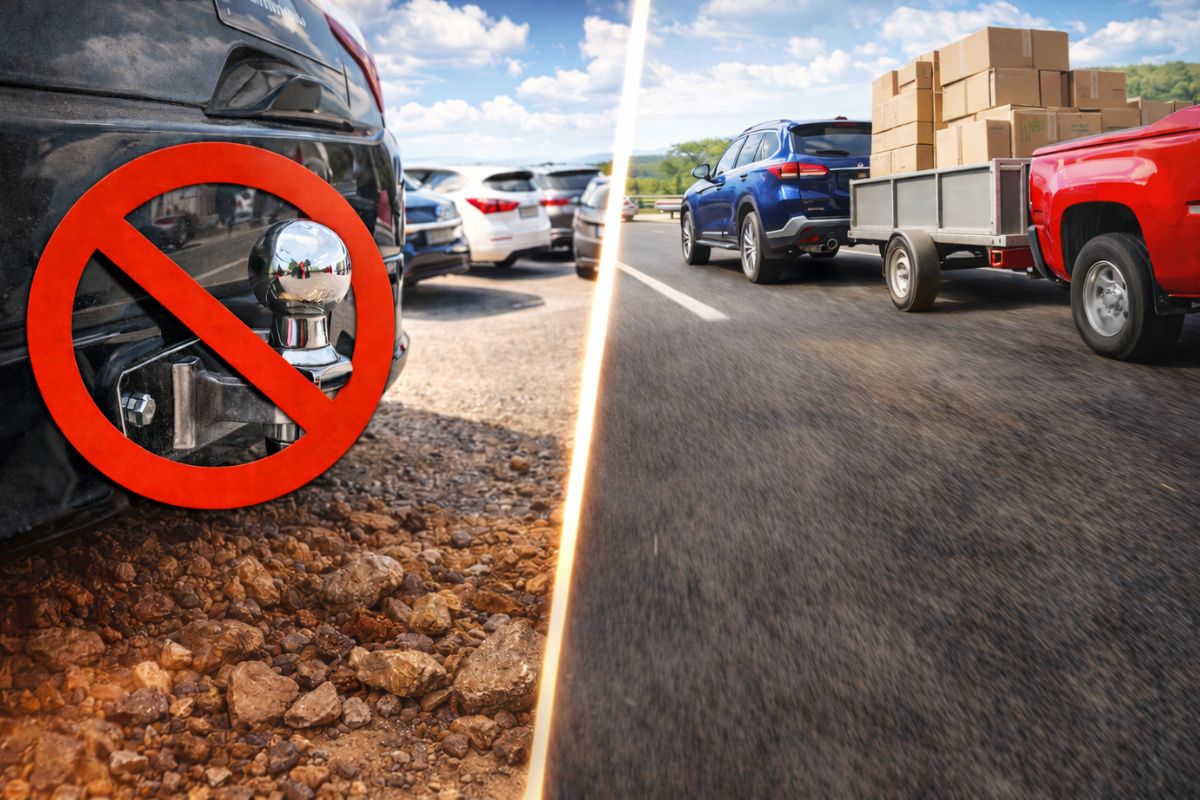
Popular Cars Do Not Have Vehicle Homologation for Hitch for Trailer, While Pickups and SUVs Have Greater Towing Capacity.
Popular cars dominate the streets and garages of Brazil. Economical, practical, and efficient for everyday use, these models usually meet the needs of urban mobility well. However, there is a limitation that many drivers discover only after buying the vehicle.
Even if it seems possible to install a hitch and tow a small trailer or tow, several popular cars simply cannot do this. The reason is not just mechanical. In many cases, the prohibition occurs because these vehicles have not been homologated by the manufacturers to perform this type of operation.
Why Popular Cars Cannot Tow Trailer
The main reason is the homologation of the vehicle’s design. Many popular cars are designed to prioritize fuel economy, urban comfort, and low maintenance costs, not to carry additional weight.
-
Around R$ 24,000: 4 used Ford SUVs with up to 253 hp, V6 engine, all-wheel drive, 7 airbags, panoramic sunroof, and a complete package that surprises with its price and performance in Brazil.
-
A brand new car starts at around R$ 75,000 in Brazil, but what stands out the most is seeing streets filled with SUVs and expensive sedans in a country where millions remain in debt.
-
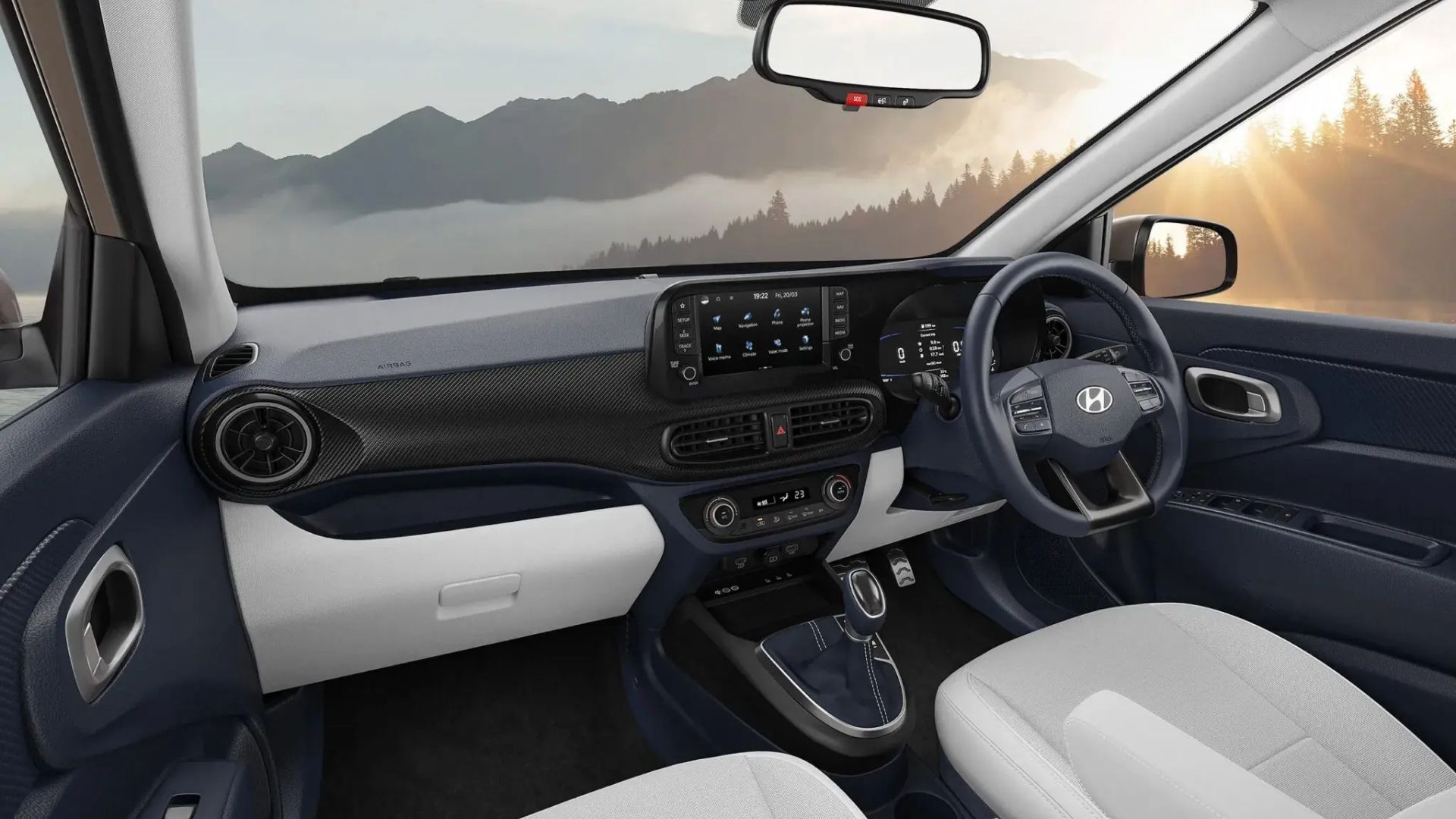
For R$ 32,000, a brand new Hyundai car is a rival to the Kwid with a 1.2 engine producing 82 hp, 6 airbags as standard, multimedia with wireless Android Auto, up to 391 liters in the trunk, and a refreshed look for 2026 in India.
-
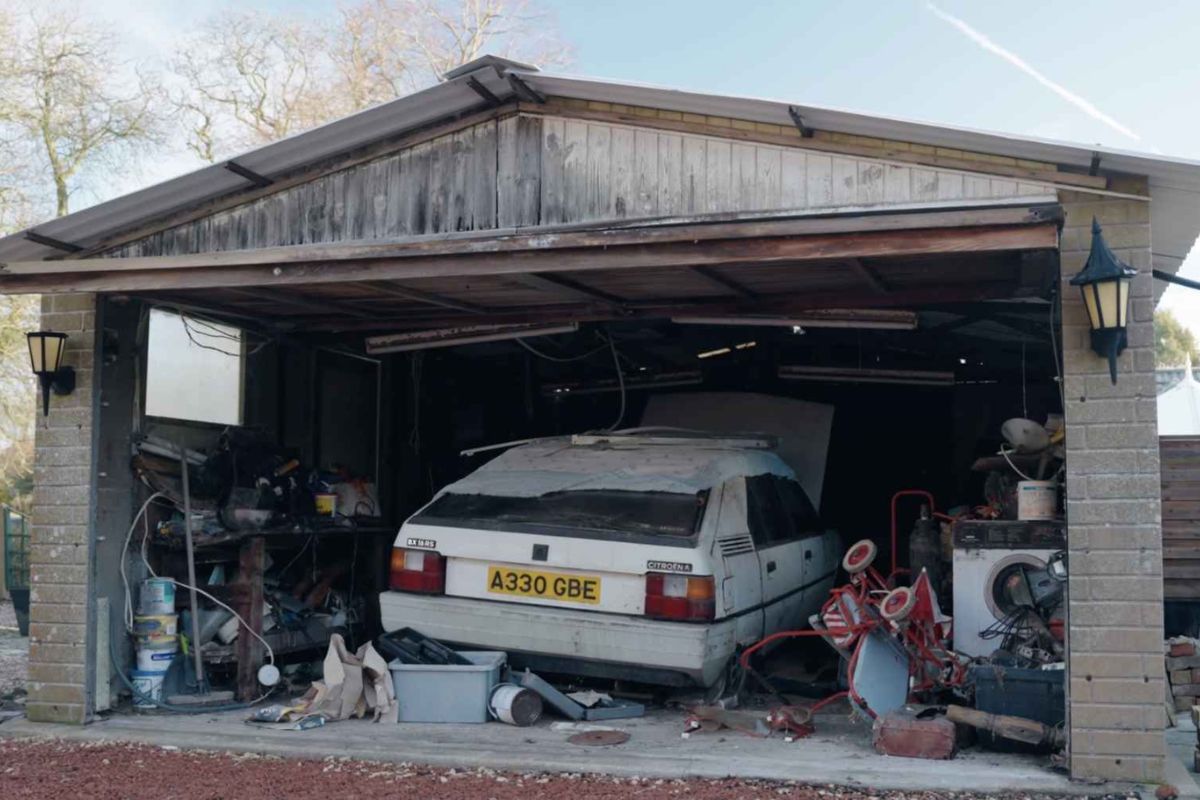
He bought a new car in 1983, locked it in the barn in 1988, and no one opened the door for 38 years until the family discovered what was stored inside and realized it looked like something out of a movie.

When a trailer is connected to the vehicle, various factors come into play. The engine needs to handle greater load, the braking system works under more intense effort, and the stability of the car changes completely.
A trailer alters the dynamic behavior of the vehicle, especially on inclines, downhill slopes, or sudden braking. Therefore, the limits established by manufacturers take into account engine power, brake capacity, suspension structure, and the mechanical assembly’s resistance.
If the model was not designed to withstand this effort, the manufacturer simply does not authorize the use of a tow hitch.
Corolla and Civic Are Among the Cars Without Authorization
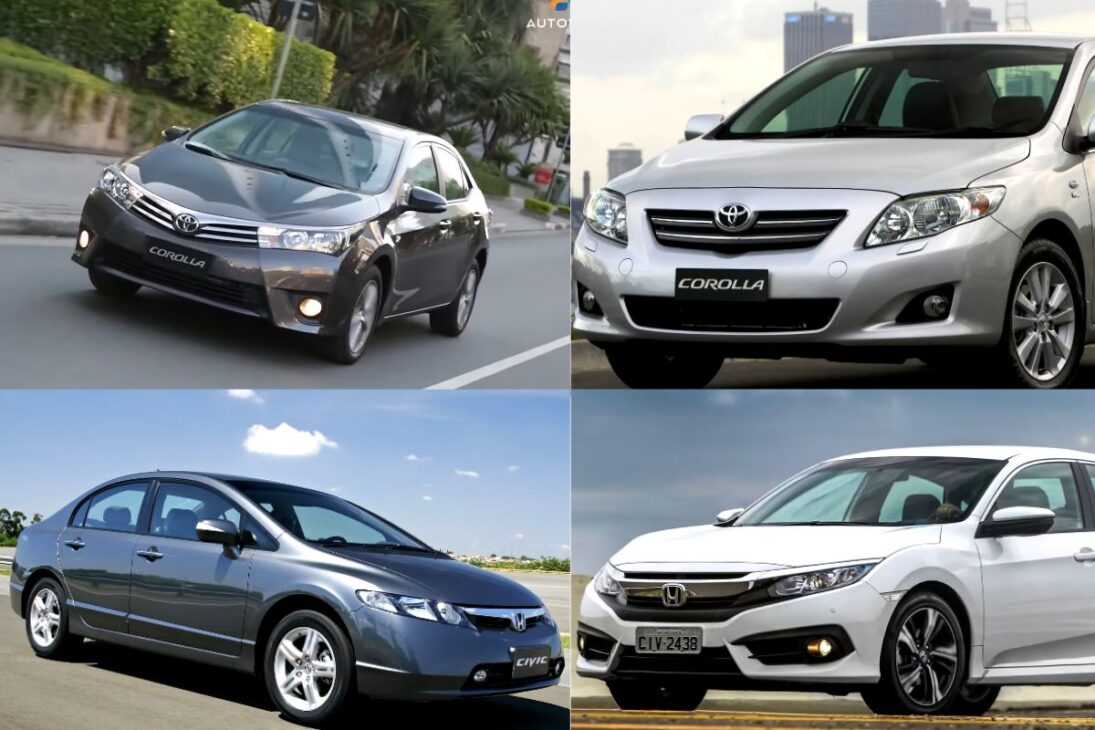
Among the popular cars known for not being able to tow are some generations of the Toyota Corolla and Honda Civic. These models, quite common on Brazilian streets, have not received homologation for tow hitch use in certain versions.
This means that even if the driver installs a hitch, using it to tow a load remains prohibited. This information usually appears clearly in the owner’s manual.
In the case of the Corolla sold between 2014 and 2019, for example, the model was not homologated to tow. The same happened with the previous generation, sold between 2008 and 2014.
Homologation only appeared in more recent versions of the sedan, which began to have limited towing capacity.
Onix, Tracker, and Kwid Also Join the List
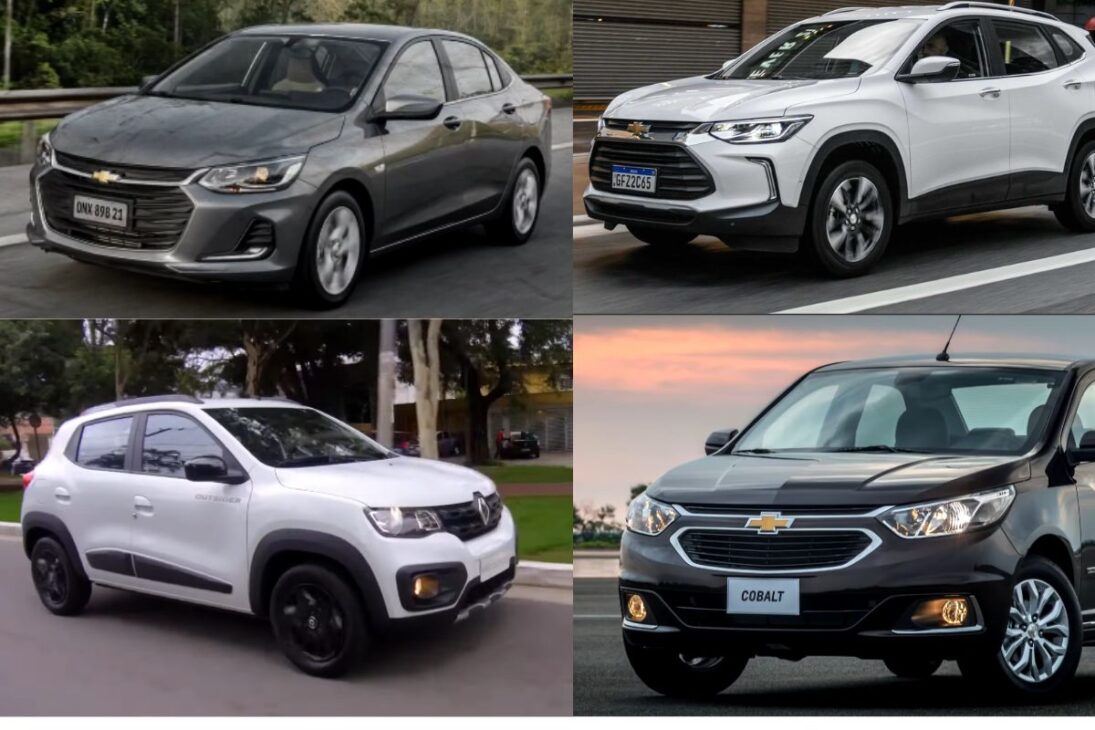
The limitation does not only appear in medium sedans. Some of the most popular cars sold in the country also do not have authorization to tow.
Among them are the Chevrolet Onix, Onix Plus, and Tracker. These models are known for their efficiency and economy, but they have not been homologated to tow loads.
Other vehicles from the brand, such as Prisma, Cobalt, and Spin, also appear in this same situation in certain versions.
Another well-known example is the Renault Kwid. The compact car also does not have homologation to tow, something that is mainly related to the vehicle’s proposal and the limitations of the mechanical assembly.
Even if the hitch is installed, using it to tow can result in fines and loss of vehicle warranty.
Limits Exist for Mechanical and Structural Safety
The towing capacity of a car depends on several technical factors. Engine, transmission, brakes, suspension, and structure need to support the additional weight.
For this reason, many popular cars do not receive this authorization. In some cases, the engine may not have enough power to handle the load. In others, the braking system may not withstand the extra effort during braking.
There are also situations where the rear suspension is considered too soft to handle the additional weight of a trailer.
These limitations are part of the vehicle’s original design and cannot be resolved by simply installing a hitch.
Pickups and Some SUVs Support Greater Loads
While several popular cars cannot tow, larger vehicles are designed specifically for this type of work.
Mid-size pickups, such as Hilux and Amarok, have significantly greater towing capacity. These models can tow much heavier loads, depending on the configuration of the trailer and the braking system.
Some SUVs also fall into this category. In certain cases, when the trailer has its own braking system, the load limit can exceed one ton.
This happens because these vehicles are designed with reinforced structures, more powerful engines, and braking systems prepared to handle additional weight.
Owner’s Manual Is the Main Reference
The safest way to know if a vehicle can tow is to consult the owner’s manual. It is there that the manufacturer clearly states if there is homologation and what the permitted limit is.
In popular cars that do not have this authorization, the recommendation is usually direct: the vehicle should not tow loads.
Ignoring this information can have consequences. Besides the mechanical risk, the driver may lose the car’s warranty and even receive a fine if stopped during inspection.
Respecting the limits defined by the manufacturer is essential for maintaining safety, durability of the vehicle, and legality in driving.
Carrying Capacity Also Influences Towing
Another important detail is that the total weight supported by the vehicle includes passengers and luggage. Even in cars authorized to tow, there is a maximum limit that must be respected.
If the vehicle is full of passengers or cargo in the trunk, the capacity to tow a trailer may be reduced.
This rule applies to any type of vehicle, not just popular cars.
Understanding the Limitations Avoids Problems
Many drivers believe that installing a hitch automatically allows towing any type of load. However, this decision depends on the design and homologation of the vehicle.
In the case of popular cars, the design priority is usually fuel economy and urban mobility, not towing trailers.
Therefore, those who really need to tow a trailer, boat, or other type of load generally need to opt for vehicles with structural capacity and factory authorization for this function.
Did you already know that several popular cars cannot tow even with a hitch installed?







Seja o primeiro a reagir!