





 Portuguese
  English
  Spanish
  5 min of reading
  5 comments





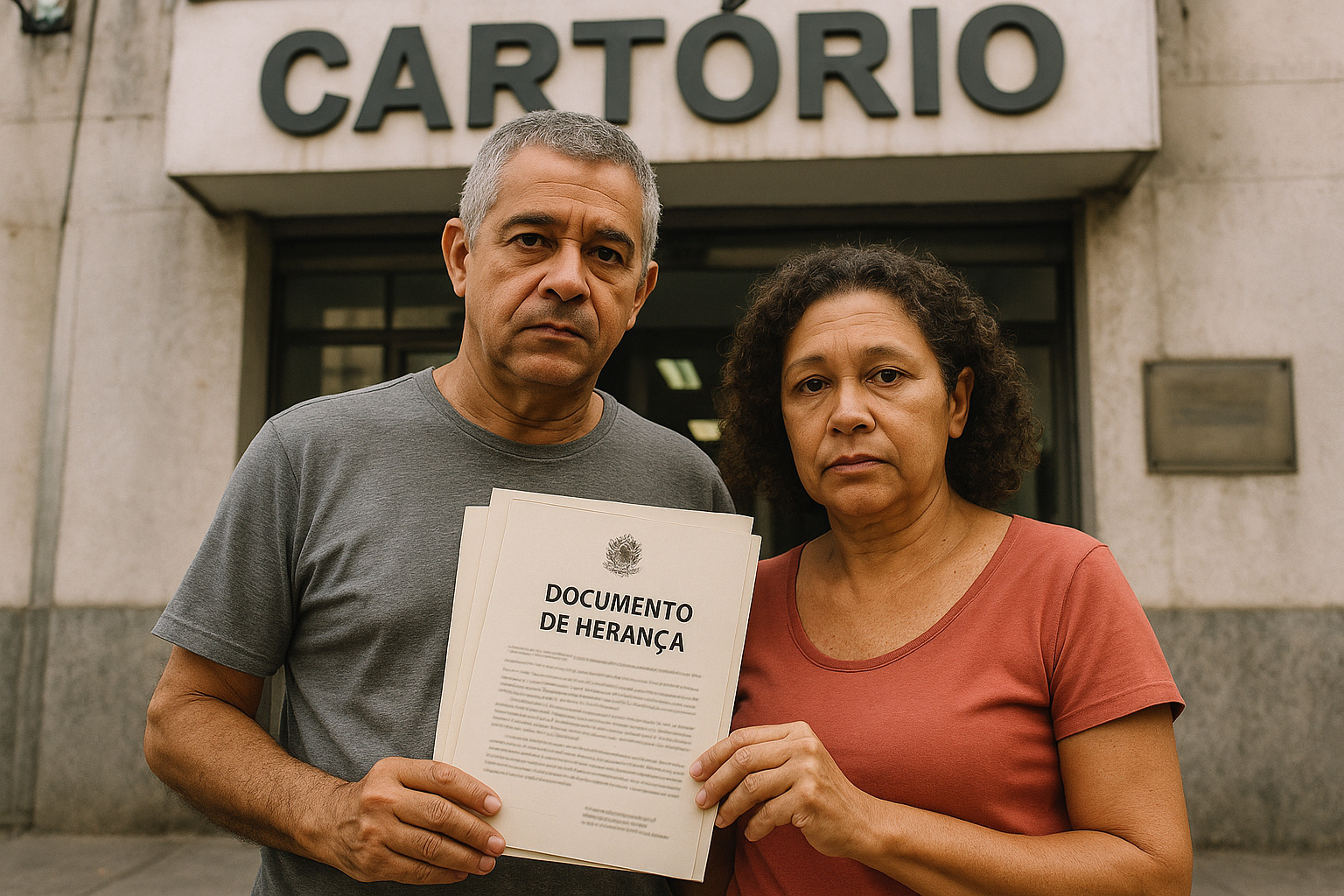
CNJ Regulation Requires Notaries to Notify Municipalities Every 60 Days of Property Ownership Changes at No Cost to Municipalities.
Notary offices and property registries must notify municipalities, within a maximum period of 60 days, of all ownership changes. The update applies to purchases, sales, donations, and regularizations. The aim is to keep the property tax records aligned with the real-life status of the property. In practice, statements and guides tend to have fewer errors.
For the taxpayer, the main difference is the reduction of issues after a purchase or sale. Nowadays, many people receive bills in the name of the previous owner or need to open protocols to correct information. With the periodic communication, the trend is that the municipality identifies the responsible party for the tax faster. This avoids undue charges and rework.
Municipalities also benefit from organization and time-saving. By receiving this information routinely, the finance department can update entries and cross-reference data with outstanding debts. The expected outcome is fewer lawsuits due to registration errors and more administrative solutions. It’s a simple step that corrects an old bottleneck.
-
The noise law will no longer be in effect at 10 PM starting in June with a new rule valid during the 2026 World Cup.

-
The Chamber opens a debate on driver’s licenses at 16 years old as part of a reform that includes around 270 proposals to change the Brazilian Traffic Code and may redesign rules for licensing, enforcement, and circulation in the country.

-
The new Civil Code could revolutionize marriages in Brazil with “express divorce” and changes that could exclude spouses from inheritance.
-
Banco do Brasil sues famous influencer for million-dollar debt and intensifies debate on delinquency, risks of seizure, and direct impact on Gkay’s credibility.


Another change is the standardization of the process. Communication will follow the same model throughout the country. This facilitates team training and reduces differences between cities. The more predictable the process, the lower the chances of error.
How Information Will Be Sent
The notaries will send the data via electronic platforms already used by the sector. Notary offices will use the structure of the Notarial College of Brazil. Property registries will send data through the National Electronic Registry Operator. Everything takes place in a digital environment with an electronic receipt for control.
To access this information, municipalities will sign simple agreements with these platforms. There is no extra paperwork, and there is no requirement for complex systems. The important part is ensuring that municipal databases can “read” the received files. This reduces queues at counters and speeds up the arrival of useful information.
The communication will cover various situations included in the Declaration of Real Estate Operations (DOI). This includes purchase and sale, donation, adverse possession, and other forms of real property rights transfer. In all cases, the notary must indicate the act that generated the change to clarify the record.
Behind this integration is the Electronic System of Public Registries (SERP), which connects services across the country. This “backbone” provides technical security to the process and helps maintain standards. Thus, municipalities do not rely on local solutions and can scale up data reception.
Free of Charge for Public Authorities and Budget Effects
The periodic sending is free for municipalities and public bodies. This is clearly stated in the rule: there are no fees to be charged for data transmission. The free service removes a recurring barrier and encourages all cities to join in. It is a direct incentive for register cleanup.
By not paying for receiving the data, municipalities can focus resources on internal actions. The priority becomes adjusting systems, reviewing routines, and training teams. That is where efficiency gains emerge. An accurate register from the start avoids rework, unnecessary resources, and unnecessary travel for the taxpayer.
The savings also appear in litigation. Legal processes are expensive and time-consuming. With more reliable data, administrative collections improve, and tax enforcement focuses on what truly matters. The cycle becomes more predictable for both the payer and the collector.
Still, the change requires governance. It is worthwhile to create simple indicators: integration time, ownership accuracy rate, and volume of corrections. Transparency regarding these numbers helps keep public policy under control and encourages continuous improvement.
Retroactivity Has Five Years and a Six-Month Deadline
In addition to future processes, there will be retroactive data sending. Notaries will have to send records of ownership changes that occurred in the last five years. The deadline for delivering this history is six months from the publication of the specific regulation. It is a window to clean up old records.
This retroactive package is important for a simple reason. Many conflicts arise from outdated information that has never been updated. By recovering what was left behind, the municipality corrects its database and avoids problems in the next property tax cycle. The action is immediately relevant for areas with high real estate turnover.
To operate effectively, the municipality needs to plan for this extra volume. It is advisable to assemble a task force for data reconciliation and cross-referencing with outstanding debts. With prioritization and sorting, the most critical cases can be resolved before the next mass billing.
The taxpayer also has a role. Those who have recently purchased should monitor the register and, if necessary, request corrections. The history sent by the notaries will facilitate this verification. The sooner a discrepancy is reported, the smaller the impact on the next bill.
Impact on Property Tax, Transfer Tax, and Municipal Collection
With an updated register, the municipality accurately identifies who is responsible for the property tax. This reduces incorrect bills and improves revenue without increasing tax rates. Public policy becomes data quality, not just enhanced enforcement. The taxpayer gains predictability.
The transfer tax also benefits. Integration with notaries reduces back-and-forth document exchanges and provides greater security to the process. In cities that sign agreements, the exchange of information speeds up the issuance of certificates and guides. The process becomes shorter and more transparent.
In administrative collection, the change helps locate debtors and prevent ghost registrations. This reduces the need to file lawsuits just to discover the taxpayer’s address. The municipality starts to act sooner, with correct notifications and quicker solutions.
In the judicial system, the trend is a decrease in cases based on outdated data. Less litigation means time and money savings for everyone. Judicial focus will be reserved for complex cases, while routine matters will be resolved with accurate registers and regular communication.
Do you think that the 60-day deadline and the free service are enough to ensure a reliable register? Or should municipalities adopt public update targets and independent audits to measure results? Share your opinion in the comments.










Objetivo da norma é apenas um, aumentar arrecadação de impostos.
Canalhas só pensam em arrecadar a custa do suar dos povo que já sofre com tantas impostos!!
Absurdo ter que pagar impostos sobre o que já é seu IPTU e IPVA isto mostra que o governo está desesperado para arrancar na marra do bolso do trabalhador mais dinheiro para comprar deputados e senadores!
Vamos pra luta meu povo precisamos acabar com urgência com impostos neste país, maior impostos do MUNDO E DO BRASIL O POVO ESTÁ PARA EXPLODIR COM ESTA EXPLORAÇÃO DESTE GOVERNO DITADOR
E a promessa de compra e venda? Muitas vezes essa não se concretiza em compra definitiva e o imóvel é retomado pela via judicial. Nesse caso, a comunicação anterior do cartório continua a valer? O ex-promitente comprador continua responsável pelo IPTU do imóvel retomado?
Mas o texto ñ diz q semestralmente os cartórios notificaçao as prefeituras sobre as transferências de titularidade de imóveis? Se a transação foi desfeita via judicial, creio que o tomador deverá notificar ao cartório sobre a ocorrência.