





 Portuguese
  English
  Spanish
  3 min of reading


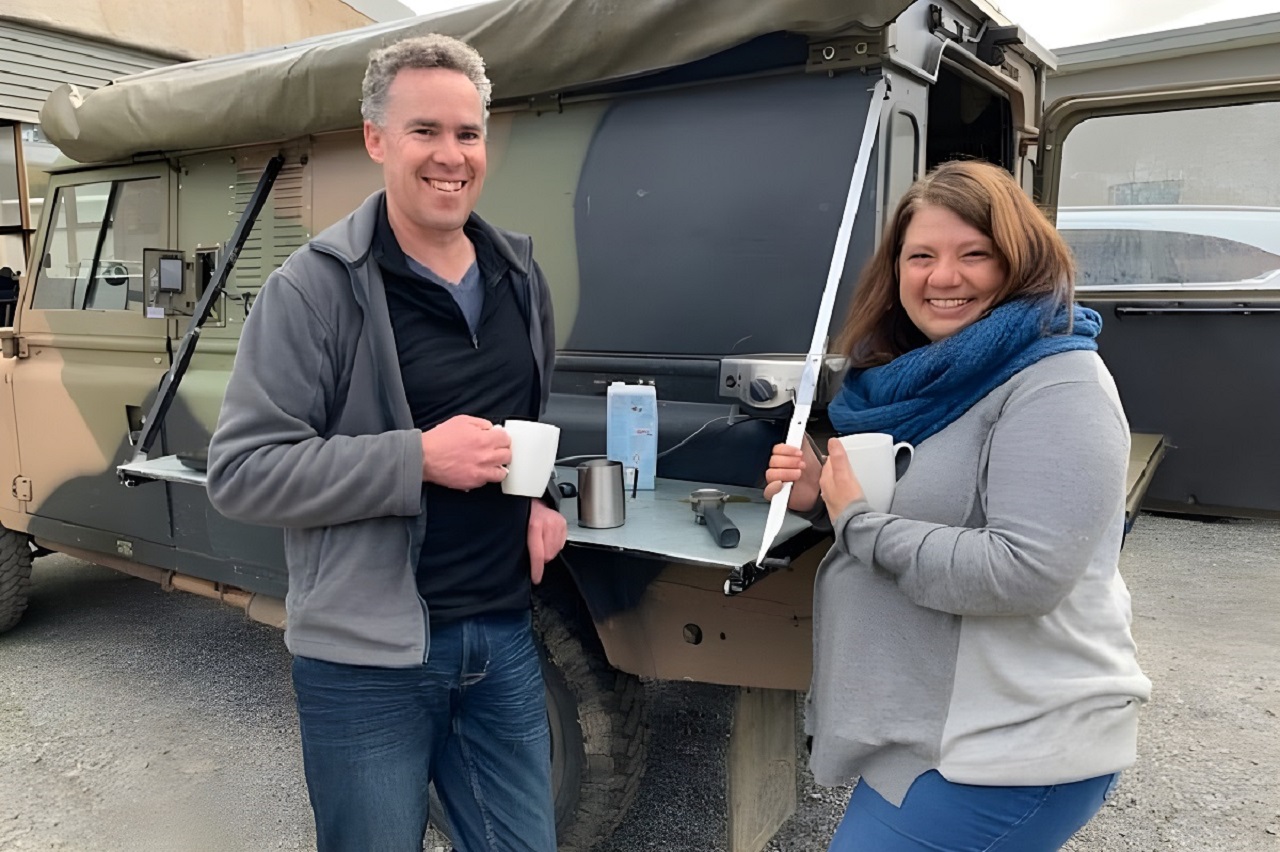
Couple Uses Solar Energy and Recycles Over 800 Laptop Batteries for Energy Storage, Aiming to Reduce Their Greenhouse Gas Emissions.
The couple Camille Goodman and Syd Crawford live in Wamboin, a rural residential area in New South Wales, Australia. This region was severely impacted by a series of wildfires between 2019 and 2020. In fact, the fires came close to the couple’s home, leading them to change their lives by using laptop batteries to develop a solar energy storage system.
Couple Decides to Change Lifestyle and Live Without Emitting Pollutant Gases
Syd and Camille say they started calculating the acceptable amount of emissions for each of them. Calculating one’s carbon dioxide emissions is a practice known as carbon footprinting, and this led the couple to seek a lifestyle with zero carbon emissions.
According to Camille, the more they analyzed, they observed that there isn’t a proper amount, thus they needed to aim for zero emissions or as close to that as possible. The couple’s first step was to install solar panels on their home, thereby meeting their energy demands from a clean and renewable source.
-
Buried under China, a colossal machine weighing 20,000 tons began operating as the largest neutrino detector on the planet and, in just 59 days, surpassed results that science took half a century to achieve.

-
Iran enters the center of a climate alert after the war emitted 5.6 million tons of CO2 in two weeks, surpassing the annual pollution of entire countries.

-
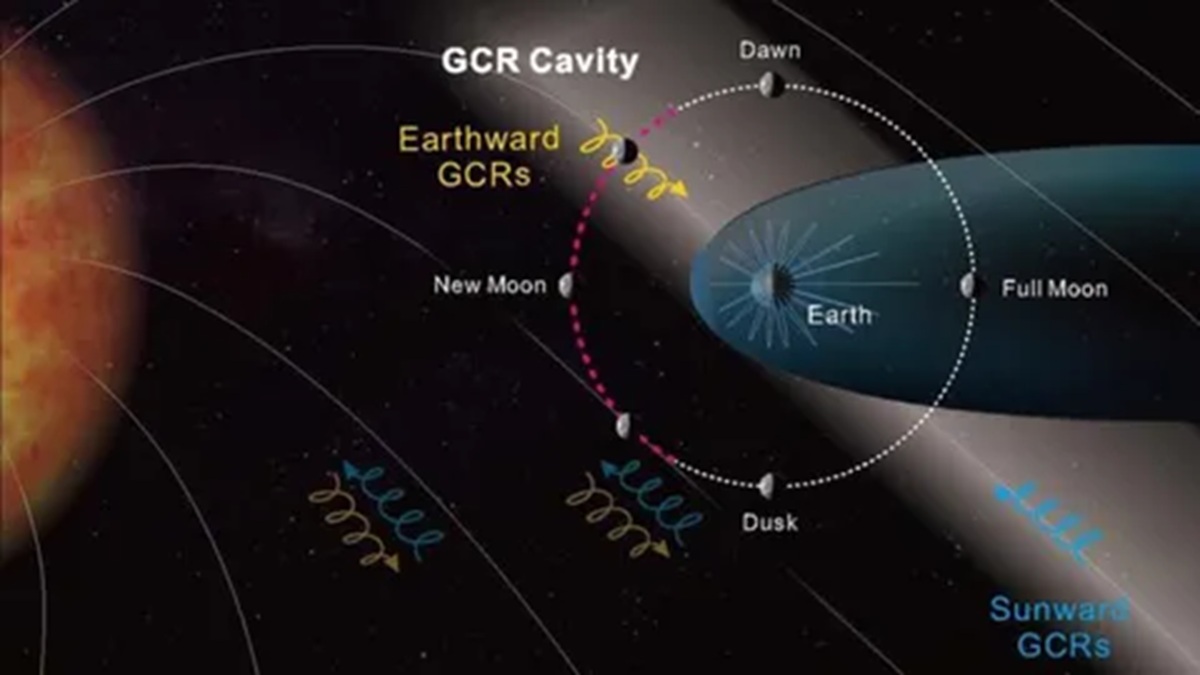
Lunar exploration may change after a Chinese probe finds a “cavity” of radiation that reduces the impact on astronauts by up to 20% at certain times on the Moon.
-
Artemis 2 sends four astronauts on a historic mission to the Moon after 50 years, with a launch on April 1 and a record flight to the far side of the Earth’s natural satellite.


Moreover, the system is off-grid, as the couple created an energy storage component using recycled laptop batteries. Crawford reveals that he bought the old batteries by the kilogram, disassembled each one, and tested all the cells, discarding those that couldn’t be reused.
Laptop batteries typically contain about 6 cells, and sometimes there may be just one that is faulty, but the rest are good for use.
Couple Gathers 800 Batteries to Create 44 kWh Energy Storage System
In July of this year, the Australian Ministry of Environment released a report showing that the climate crisis is already affecting the country in various ways, from sea heatwaves causing coral bleaching to increasingly intense extreme weather events, including wildfires.
In the couple’s process, about 800 laptop batteries were reused to develop a homemade solar energy storage component of 44 kWh, which guarantees energy generated on the roof when needed, such as on cloudy days or at night.
According to Crawford, this was not the easiest way to do it, however, it was the cheapest. Proudly, he compares his system to the equivalent of three Powerwalls, meaning the famous lithium-ion energy storage batteries produced by the well-known Tesla electric cars.
Couple Uses Electric Car and Ditches Combustion Engines
In addition to using solar energy and laptop batteries, another major change made by the couple was switching from a traditional car to a fully electric one. According to the couple, their carbon emissions in 2019 were about 10 tons, three-quarters of which were generated from long trips taken with the car.
The change was noticeable, and in 2020, they managed to reduce emissions to a total of 4.78 tons, with vehicle emissions at 1.8 tons. This year, the numbers halved, going down to 2.26 tons total and only 0.85 tons of emissions from the vehicle.
In an interview, the couple also states that they only use electric appliances, do not consume beef, dairy, lamb, and also do not travel by plane. Camille encourages everyone who wishes to lower their emissions to do everything they can and understands that this limit varies for each reality.








Seja o primeiro a reagir!