





 Portuguese
  English
  Spanish
  4 min of reading
  0 comments


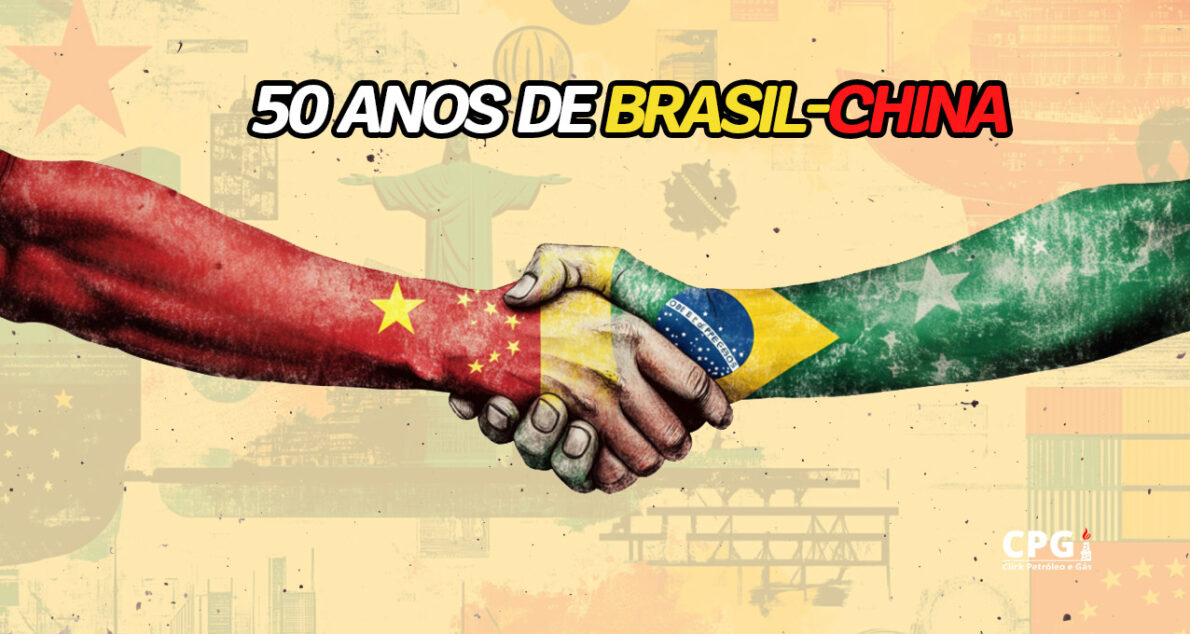
The Partnership Between Brazil and China, Which Was Initially a Reflection of the Strategic and Economic Needs of the Last Century, Has Now Turned Into One of the World’s Most Significant Trade Relationships.
On the last 15th of this month, Brazil and China celebrated 50 years of diplomatic relations, a historic milestone that not only solidified trade ties but also reconfigured Brazil’s role on the global stage.
Since the resumption of relations in 1974, during the government of Ernesto Geisel, until today, this partnership has been marked by a series of changes and challenges.
Currently, bilateral trade exceeds the impressive 800 billion reais, with products such as soybeans, oil, and iron ore dominating Brazilian exports. But how has this relationship evolved, and what does the future hold?
-
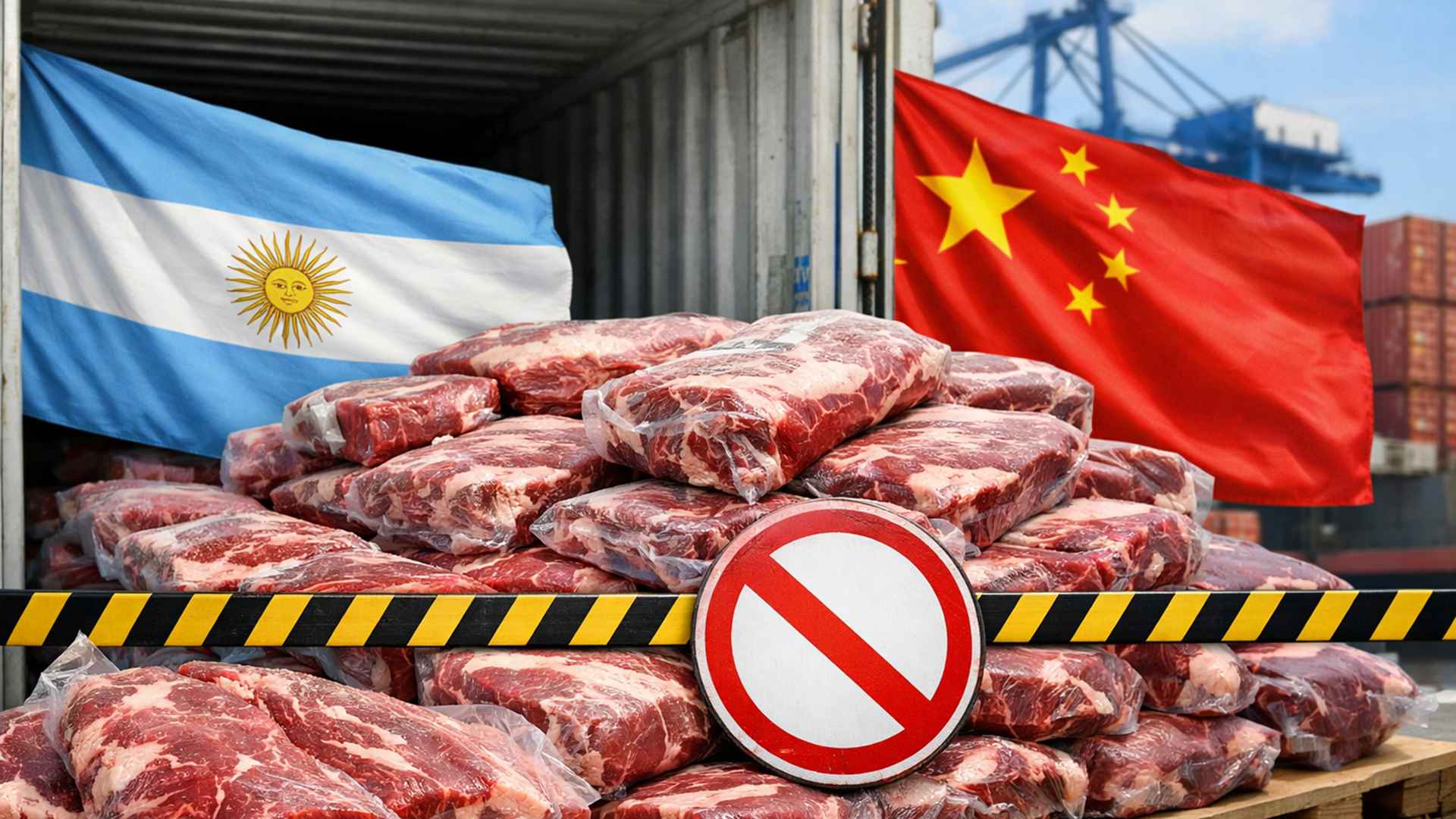
China banned the export of 22 tons of meat from Argentina.
-
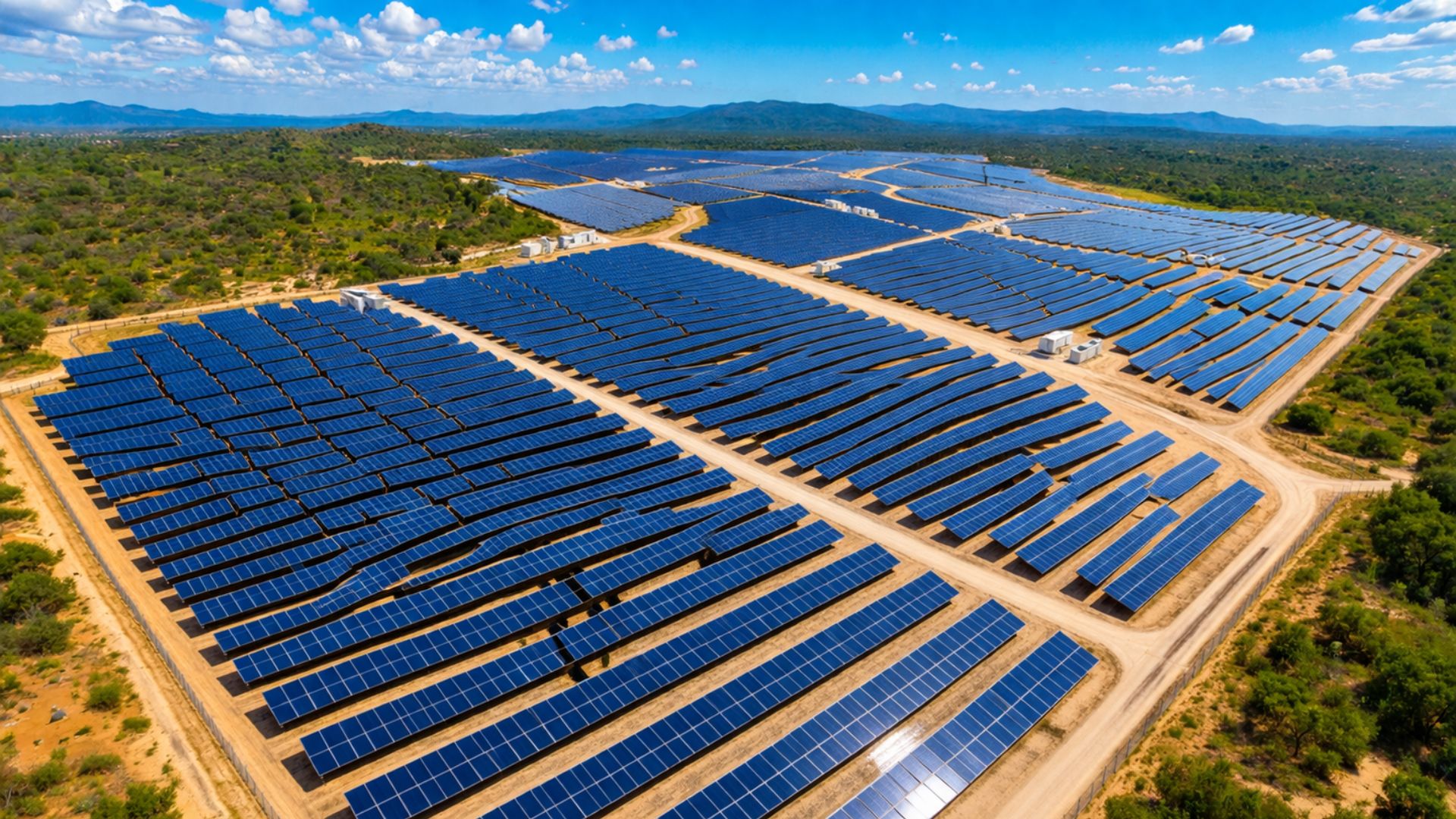
The Sol do Agreste Photovoltaic Complex begins operations in Pernambuco and accelerates the expansion of solar energy in Brazil, directly impacting the reduction of emissions and strengthening the sustainable energy matrix.
-
Unemployment rises again to 5.8% at the beginning of 2026, raising alarms about the end of temporary positions and its impact on the Brazilian job market.

-
Document organization can cut invisible costs in small businesses, a simple step that prevents waste, rework, and losses in daily operations.


The Beginning of a Strategic Alliance
In 1974, Brazil and China officially began to rebuild their diplomatic relations. At that time, China was emerging from international isolation, while Brazil, under a military dictatorship, sought to assert its global autonomy.
According to Professor Renato Ungaretti from the Federal University of Rio Grande do Sul (UFGRS), this was a crucial moment when both countries saw in the partnership an opportunity to face the global challenges of the time. He states that the pragmatism of the Brazilian government was pivotal in overcoming ideological differences and consolidating this alliance.
In the following years, the relationship strengthened, especially with the establishment of the Sino-Brazilian High-Level Commission for Consultation and Cooperation (Cosban) and the signing of various bilateral agreements. China’s entry into the World Trade Organization (WTO) in 2001 marked a significant turning point, expanding trade between the two countries.
The Trade Boom Between Brazil and China from 2004 to 2014
Marina Moreno, an international relations specialist and resident of the think tank Observa China, highlights that it was between 2004 and 2014 that trade relations between Brazil and China reached a new level.
During the governments of the Workers’ Party (PT), especially under the leadership of Luiz Inácio Lula da Silva, bilateral trade and investments expanded in an unprecedented manner.
According to Moreno, in addition to commercial exchanges, there was a more strategic rapprochement, with the creation of mechanisms such as Cosban and joint participation in international forums like the G20 and BRICS.
During the global financial crisis of 2008, while much of the world suffered from economic impacts, China continued to grow, driven by an investment-led development model.
Brazil, as one of the main suppliers of commodities to China, benefited enormously from this phase of Chinese economic expansion. Currently, bilateral trade between the two countries exceeds US$ 150 billion, with Brazil consolidating its position as one of China’s main trading partners.
Challenges and Future Opportunities
Despite the impressive numbers, Renato Ungaretti warns of the need to diversify Brazilian exports.
Currently, products such as soybeans, oil, and iron ore dominate sales to China, creating a risky dependence on a few commodities. Ungaretti argues that Brazil must find ways to add more value to its exports by exploring other sectors of the economy.
Another point of discussion is Brazil’s adherence to the Belt and Road Initiative, known as the New Silk Road. So far, Brazil is still weighing the pros and cons of this adherence.
While there are potential advantages, such as investments in infrastructure, there are also risks related to geopolitical perceptions and the effectiveness of commitments Brazil might undertake, as Ungaretti highlights.
Cultural Influence and First Contacts
The Chinese cultural influence in Brazil is still limited, largely due to geographical distance and language barriers.
However, Ungaretti believes that the increasing economic interaction between the two countries may strengthen these cultural ties in the future.
He also recalls the first contacts between Brazil and China in the 1960s, prior to the formal resumption of relations. According to him, these contacts were limited by China’s isolation and the anti-communist policies of the Cold War.
Brazil and China: Who Depends on Who?
Moreno argues that Brazil depends much more on China than vice versa. She emphasizes that although Brazil records trade surpluses in terms of values, China is much better positioned in global value chains.
The expert notes that Brazil’s importance to China is partly due to China’s need to ensure the supply of products from reliable partners, especially in a context where relations between China and the United States remain tense.
This dependence, according to Moreno, is likely to continue, especially if Brazil does not advance in areas such as technology transfer and technical development. She warns that Brazil risks remaining stuck in a commodity-based export model, which could limit the country’s long-term economic growth.
What to Expect in the Next 50 Years?
For the future, Moreno bets that the sustainability agenda will gain prominence in relations between Brazil and China. The energy transition, biodiversity restoration, and the responsibility of richer countries in global pollution are issues already being addressed by both countries.
She believes that China, with its focus on green development, and Brazil, with its vast biodiversity, can lead a new phase of international cooperation in this regard.
Additionally, Brazilian commodity exports to China should continue to be an important part of the commercial relationship between the two countries.
However, more technological and higher value-added sectors are also increasingly imported from China, especially to support the energy transition in Brazil.
In light of Brazil’s growing dependence on China, do you think our country is making the right decisions to ensure sustainable growth? What can be done to diversify our exports and reduce this dependence?







Seja o primeiro a reagir!