





 Portuguese
  English
  Spanish
  4 min of reading
  0 comments


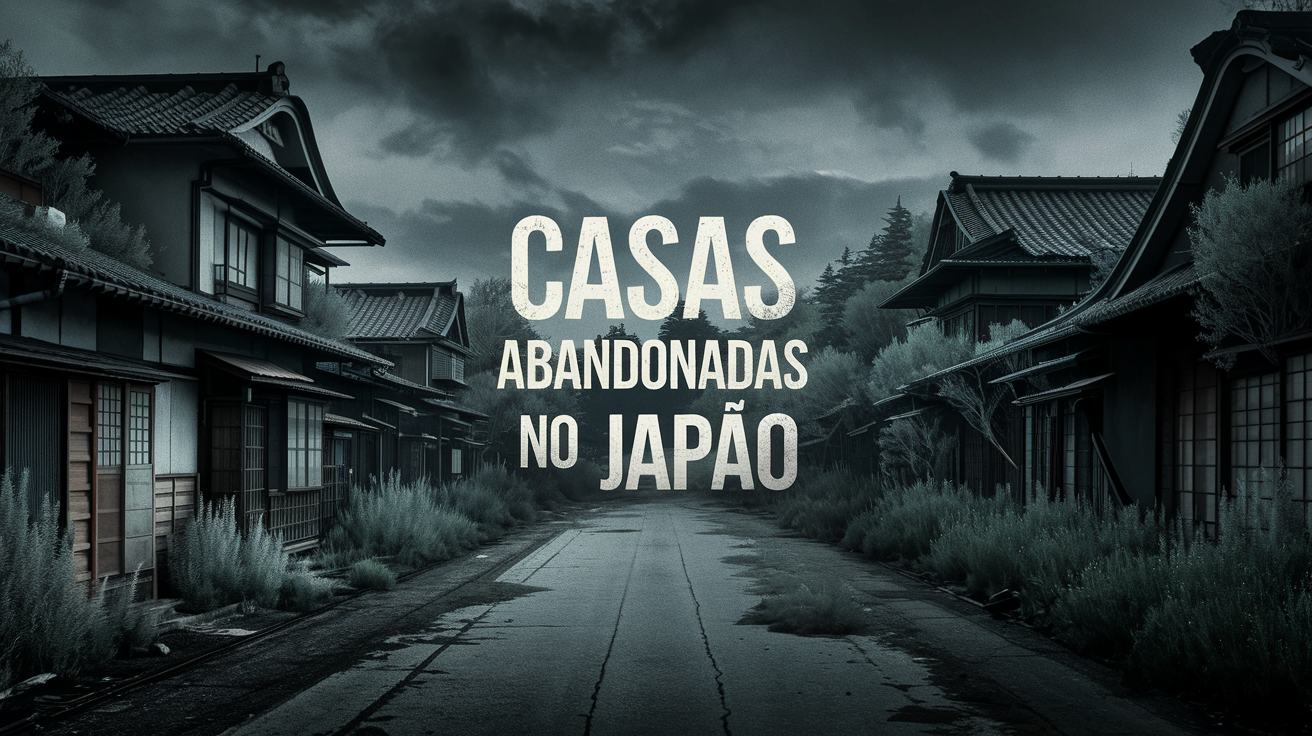
The Number Of Empty Houses Doubled In 20 Years, And Japan Is Seeking Solutions To Deal With The Growing Problem Of Akiyas And Revitalize Abandoned Communities.
Imagine a country with enough abandoned houses to house tens of millions of people. This is the case in Japan, where the problem of empty houses—called Akias—is growing at an alarming rate. Today, there are over 9 million vacant properties spread across the Japanese territory, double the number from two decades ago. How did this happen? And what is being done to change the scenario of abandoned houses in Japan?
Population Decline And Its Consequences
The main cause behind the increase in vacant houses in Japan is the population decline. Over the past 15 years, the Japanese population has been steadily decreasing. With one of the lowest birth rates in the world and an accelerated aging society, the number of people per family has also fallen. This phenomenon creates an excess of housing, particularly in rural areas where many families do not leave heirs interested in maintaining the properties.
Additionally, Japan has historically been a conservative society regarding immigration. This means that, even with a large number of available houses, the country does not have a growing population that could fill these residences. In 2023, former Prime Minister Fumio Kishida even stated that the declining birthrate threatens to turn Japan into a dysfunctional society.
-
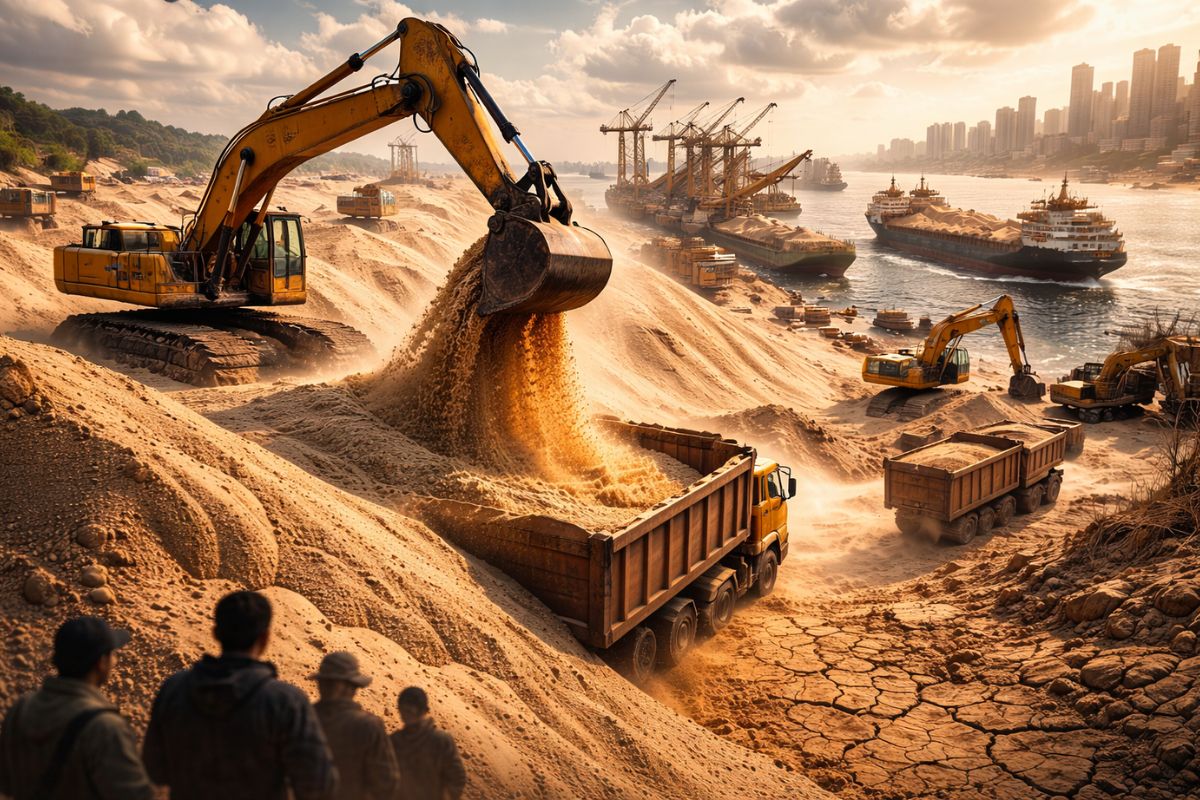
The world consumes 50 billion tons of sand per year and no one is monitoring it: the UN warns that the second most used resource on the planet after water is running out and has even created an international mafia.
-
With a length of 211 meters, a double iron hull, and propulsion by sails, paddles, and a screw propeller simultaneously, the Great Eastern was the largest ship on the planet and ultimately laid the first successful transatlantic telegraph cable.

-
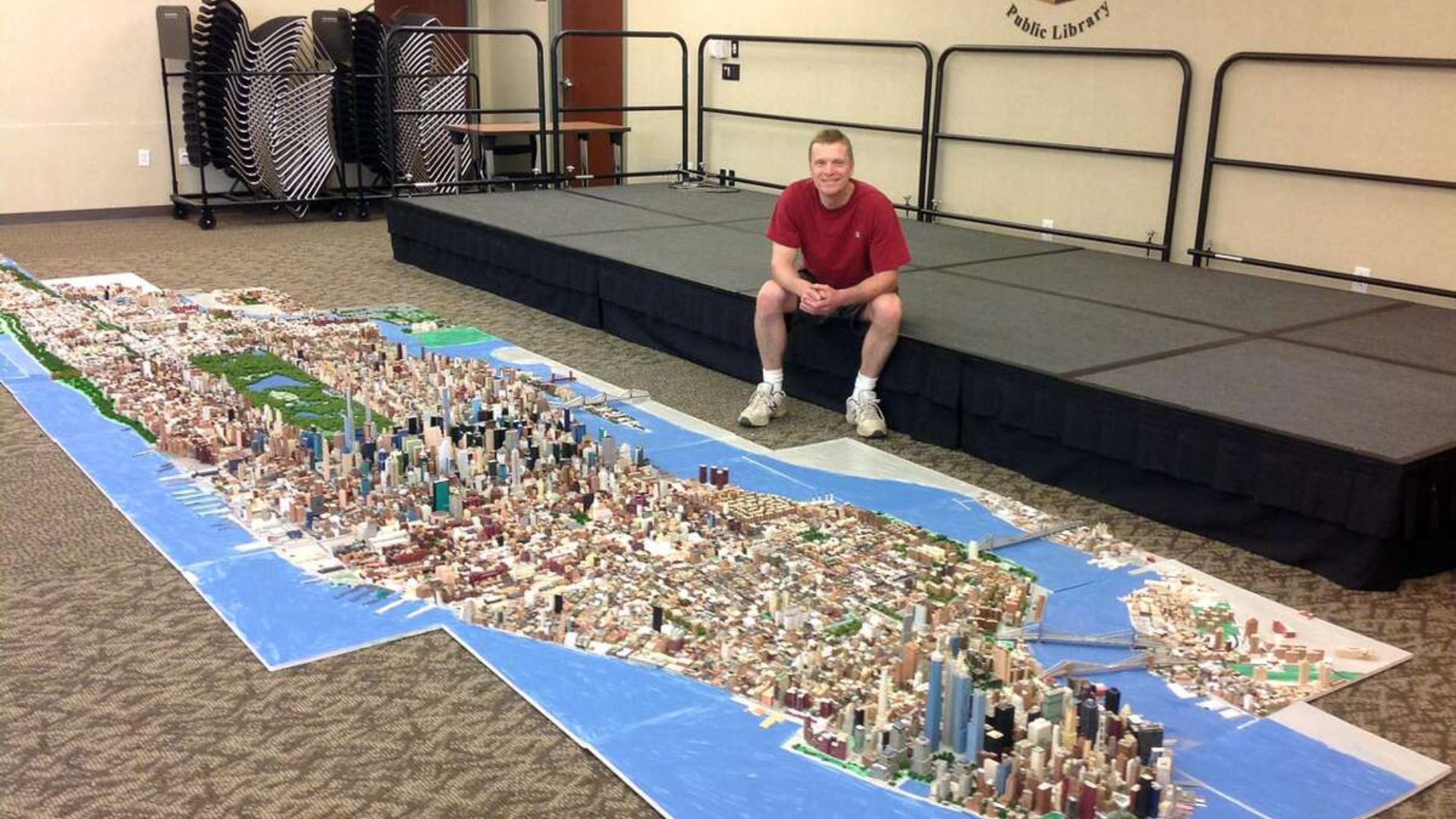
A truck driver spent 21 years building a 15-meter replica of New York using balsa wood, cardboard, and regular glue; the work, featuring hundreds of thousands of buildings, has become an attraction in a museum in the city itself.
-
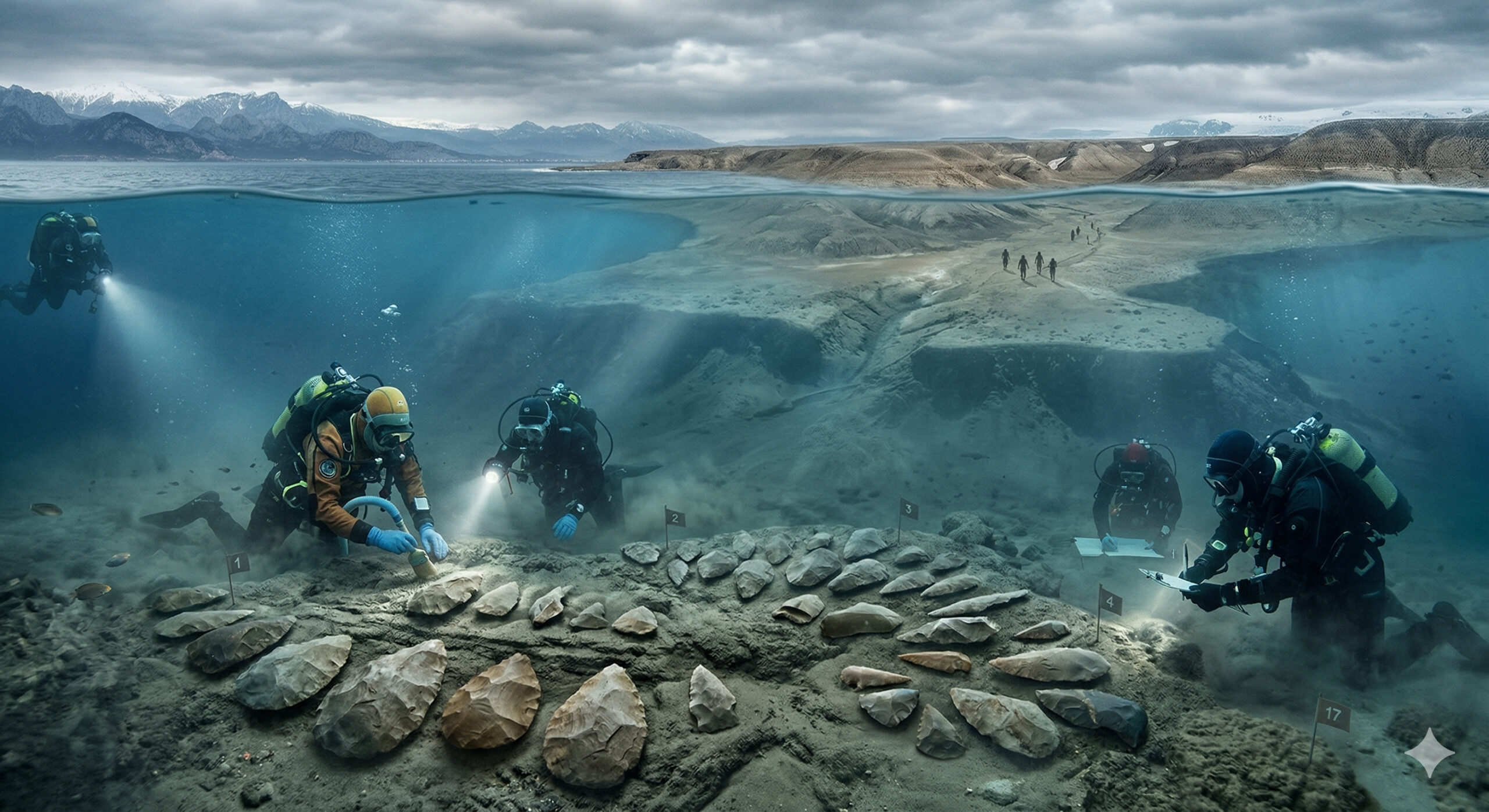
More than 138 stone tools found on the seabed between Turkey and Europe reignite the hypothesis of a lost land bridge from the Ice Age that may have been used by humans to cross continents.



Old Houses And Real Estate Devaluation In Japan
Another major reason for the increase in vacant houses in Japan is the way properties lose value over time. Unlike many global metropolises where old properties are valued for their historical character, in Japan, houses depreciate every year. This is partly due to the requirements imposed for earthquake resistance, a critical factor in a country subject to constant seismic activity.
Moreover, renovating old houses in Japan is an expensive and bureaucratic process. Real estate legislation requires complex permits and specialized labor that is currently scarce in the market. As a result, many homeowners prefer to abandon their residences rather than invest in renovations.
Akiyas On TikTok: The New Trend Of Abandoned Houses
In recent years, vacant houses in Japan have gained a new type of attention. A viral wave on TikTok has shown foreigners renovating these residences, turning them into cozy homes full of personality. One of the best-known examples is that of Swedish Anton, who renovated an Akiya in Tokyo and attracted millions of followers on social media.
This phenomenon has sparked interest from people around the world, especially those who dream of owning a home but face difficulties acquiring properties in their home countries. Japan, with its stability and infrastructure, becomes an attractive destination for those seeking a different opportunity. However, this trend is still limited to a few hundred houses, having little impact on the gigantic stock of Akiyas spread across the country.
What Is The Government Doing To Solve The Problem?
Aware of the challenge posed by the large number of abandoned houses, the Japanese government has been taking measures to encourage the reuse of these properties. Among the actions are:
- Subsidies For Young Families: Couples who agree to move to rural areas can receive financial incentives;
- Ease Of Acquiring Akiyas: In some regions, houses are sold for symbolic amounts or even donated;
- Promotion Of Immigration: Although still in its infancy, there are efforts to attract foreign workers to occupy these residences.
Despite these initiatives, the problem is far from being solved. The population decline continues, and many Japanese still prefer to build new houses instead of renovating the old ones.
A Problem With A Solution?
Abandoned houses in Japan reflect the social and economic changes the country is facing. While initiatives like Akia renovations are gaining popularity on social media, they are still insufficient to deal with the scale of the problem.
What does the future hold for these houses and their new owners? Only time will tell. For now, Japan continues to seek creative solutions to balance tradition, modernity, and the complexities of the real estate market in a transforming society.







-

Uma pessoa reagiu a isso.