





 Português
  Inglês
  Espanhol
  6 min de leitura
  1 comentário


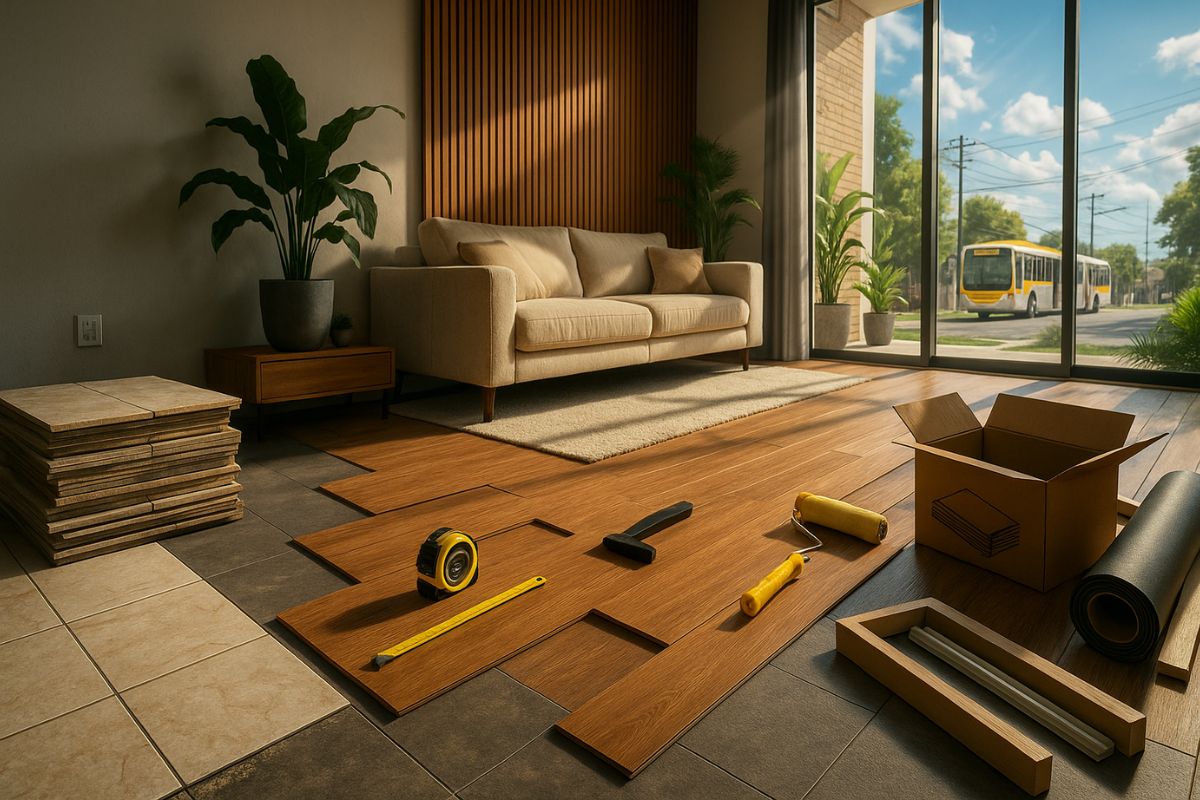


Modern Houses Are Starting to Replace Porcelain Tiles with Vinyl Flooring, Which Redefines Ceramic Coating with More Comfort, Lower Cost, and Focus on Contemporary Interior Design.
The prominence of porcelain tiles in Brazilian residential projects is no longer absolute. For years, this ceramic coating was synonymous with status, durability, and a sophisticated appearance, making its presence felt in large living rooms, integrated kitchens, and spacious balconies. However, now modern houses are prioritizing more comfortable, quieter, and efficient solutions, making way for vinyl flooring as the main alternative in social and intimate areas.
This shift is not just aesthetic. It reflects a structural change in interior design, where technical performance and daily comfort are starting to weigh more than the shine of porcelain tiles. Thermal and acoustic insulation, fast installation, simplified maintenance, and lower overall construction costs have made vinyl flooring a direct competitor to traditional ceramic coatings in construction and renovation decisions.
Why Porcelain Tiles Started to Lose Space in Modern Houses
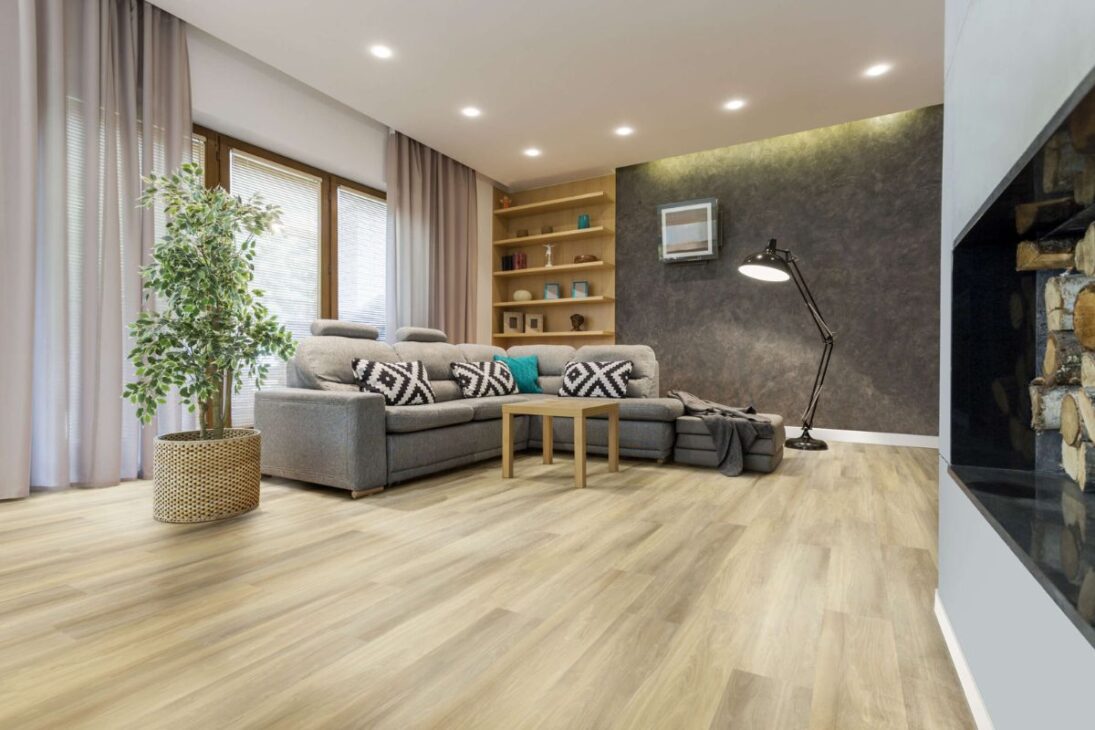
For decades, porcelain tiles were treated as the “gold standard” among cold floors. The material combined resistance, low water absorption, and a refined finish, especially in polished large formats.
-
The world’s first octopus farm wants to open in the Canary Islands and is already provoking an international reaction: the plan aims to produce 3,000 tons per year.

-
Drought may be creating stronger superbugs in the soil and helping antibiotic resistance reach hospitals, warns a study highlighting a problem that could grow alongside extreme weather.

-
The biggest scam in history: Napoleon’s France deceived the United States by selling them a territory that was Spanish.

-
Why is the Danakil Desert so dangerous? It has unstable terrain and how extreme temperatures and toxic gases turn the region into one of the most hostile environments on Earth.


In spacious homes, it met the demand for visual expansiveness and easy cleaning.
This scenario began to change as properties became smaller and more compact.
Integrated, poorly ventilated environments with heavy electronic use made fully cold flooring less appealing on a daily basis.
Porcelain tiles have excellent mechanical performance, but offer little thermal comfort and almost no acoustic damping, which becomes evident in apartments with thin slabs and noisy neighbors.
Additionally, the overall cost of porcelain tiles is substantial. It’s not just about the price per square meter. Setting with mortar, quality grouts, base leveling, and specialized labor drive up the package cost.
In complex renovations, occasional breakages and fine cuts increase waste and execution time.
In a context of rapid construction and tight budgets, this combination of factors has begun to be reassessed by architects and clients.
Vinyl Flooring as a Functional Counterpoint to Porcelain Tiles
Vinyl flooring has established itself as a direct counterpoint to porcelain tiles in modern houses, particularly in living rooms, bedrooms, and home offices.
It is a lightweight, modular system that, in many cases, can be installed directly over a leveled subfloor or even over another ceramic coating, as long as technical criteria are met.
The main noticeable advantage lies in everyday use. Vinyl offers a warmer surface to the touch, reduces impact noise, and enhances walking comfort, especially for children, the elderly, and pets.
This meets an increasingly present demand in contemporary interior design: transforming floors into active elements of well-being, not just aesthetics.
From a construction standpoint, vinyl flooring can be installed using glued or clicked systems, with dry intervention and minimal waste generation.
The absence of grout eliminates one of the most critical maintenance points of porcelain tiles, which tend to darken or crack over time.
In renovations of occupied apartments, this characteristic reduces dirt, noise, and downtime of the environment.
Ceramic Coating Is Still Relevant, But Is No Longer Hegemonic
Despite the rise of vinyl flooring, ceramic coating remains indispensable in certain areas.
Bathrooms, shower stalls, kitchens with high vapor concentration, and walls subject to splashes still require materials with high chemical and thermal resistance, where porcelain tiles still perform excellently.
What changes, in practice, is the role of this ceramic coating in the hierarchy of the project.
Instead of being uniformly applied throughout the residence, porcelain tiles are now concentrated in genuinely critical areas, while vinyl flooring takes the lead in spaces for prolonged stay, such as living rooms, home offices, and bedrooms.
This combination of materials creates a more strategic design of coatings, aligned with interior design that segments environments by function rather than just aesthetics.
Modern houses no longer see porcelain tiles as a mandatory standard of “good finishing” and begin to view it as one among various possible tools, to be used where it makes the most technical sense.
Technical Comparison Between Porcelain Tiles and Vinyl Flooring
From a performance standpoint, porcelain tiles and vinyl flooring respond differently to the main demands of a current project.
In terms of direct cost, porcelain tiles tend to range from R$ 150 to R$ 300 per square meter, including material and specialized installation.
Vinyl flooring, depending on the line, usually varies from R$ 80 to R$ 180 per square meter, with simpler labor and lower material consumption.
In terms of comfort, vinyl flooring has a clear advantage in acoustic and thermal insulation, reducing the sensation of cold floors and contributing to quieter environments.
Porcelain tiles, on the other hand, shine in areas exposed to water, high abrasion, and intensive cleaning product use.
As a ceramic coating, it better withstands thermal shock, high temperatures, and constant moisture exposure.
From a durability perspective, vinyl can last up to two decades of use, provided it is correctly installed, specified for the expected traffic, and maintained according to technical recommendations.
When well-sized and installed, porcelain tiles have an even longer lifespan, but require a stiffer and more stable base. In slabs with settlement, movement, or successive renovations, the risk of cracks and displacements is higher.
Interior Design: Aesthetic and Perception of Value
The change is not just technical; it is also aesthetic. Contemporary interior design is shifting from extremely shiny surfaces to more natural and cozy finishes.
In this context, vinyl flooring explores textures that convincingly simulate wood, burned cement, or stones, with designs that repeat less and provide a sense of visual continuity.
For many users, the perception of value is no longer linked to the idea of “hard and cold flooring” as a synonym for sophistication.
Modern houses have begun to associate comfort, acoustics, and tactile sensation with the concept of elegance, favoring resilient materials like vinyl.
Porcelain tiles, especially in highly polished versions, are starting to be reserved for situations where their shine and durability are truly necessary.
On the professional side, architects and designers utilize the combination of porcelain tiles, vinyl flooring, and other ceramic coatings to create subtle transitions between areas of the house.
The same project may use porcelain tiles in kitchens and balconies, vinyl flooring in living rooms and bedrooms, and special coatings on walls, creating a coherent visual narrative that is technically suitable for each use.
Sustainability and Health in Indoor Environments
Another relevant layer to this change is sustainability. Although porcelain tiles are still a ceramic coating with a long lifespan, their production involves firing at high temperatures, significant energy consumption, and heavy transportation.
Vinyl flooring, in turn, has evolved into lines that use recycled PVC and more controlled carbon emission processes.
Additionally, certifications that attest to low emission of volatile organic compounds in vinyl flooring reinforce its use in indoor environments, especially for families with children, the elderly, or individuals with respiratory issues.
Lines with hypoallergenic and antibacterial treatments directly align with the new health and comfort standards demanded by modern homes.
This does not mean that porcelain tiles are inadequate, but that the debate about materials goes beyond surface shine.
Performance in indoor air quality, ease of cleaning without excessive use of chemicals, and acoustic comfort have become relevant criteria in choosing between vinyl flooring and traditional ceramic coatings.
The Place of Porcelain Tiles in the New Logic of Modern Houses
The current scenario shows that porcelain tiles are no longer an automatic choice in Brazilian homes.
The rise of vinyl flooring, combined with the intelligent use of other ceramic coatings, reshapes the landscape of internal finishes and repositions interior design as a discipline that balances aesthetics, comfort, and technical performance.
In practice, well-planned projects tend to integrate porcelain tiles and vinyl flooring instead of treating one material as “better” in absolute terms.
Modern houses benefit when each environment receives the flooring most suitable for its function, instead of a single pattern imposed by tradition.
And you, looking at your house or a future renovation, do you believe it still makes sense to use porcelain tiles in all environments, or do you see real space for vinyl flooring to replace part of that prominence?









Fui diagnosticada com doença de Parkinson há quatro anos. Por mais de dois anos, dependi da levodopa e de vários outros medicamentos, mas, infelizmente, os sintomas continuaram piorando. Os tremores se tornaram mais perceptíveis e meu equilíbrio e mobilidade começaram a declinar rapidamente. No ano passado, por desespero e esperança, decidi experimentar um programa de tratamento à base de ervas da NaturePath Herbal Clinic.
Sinceramente, eu estava cética no início, mas, poucos meses após o início do tratamento, comecei a notar mudanças reais. Meus movimentos ficaram mais suaves, os tremores diminuíram e me senti mais firme ao caminhar. Incrivelmente, também recuperei grande parte da minha energia e confiança. Tem sido uma experiência transformadora. Me sinto mais eu mesma novamente, melhor do que me sentia há anos. Se você ou um ente querido está lutando contra a doença de Parkinson, recomendo muito que você considere a abordagem natural deles. Você pode visitar o site deles em www. naturepathherbalclinic .com