





 Portuguese
  English
  Spanish
  4 min of reading
  1 comment


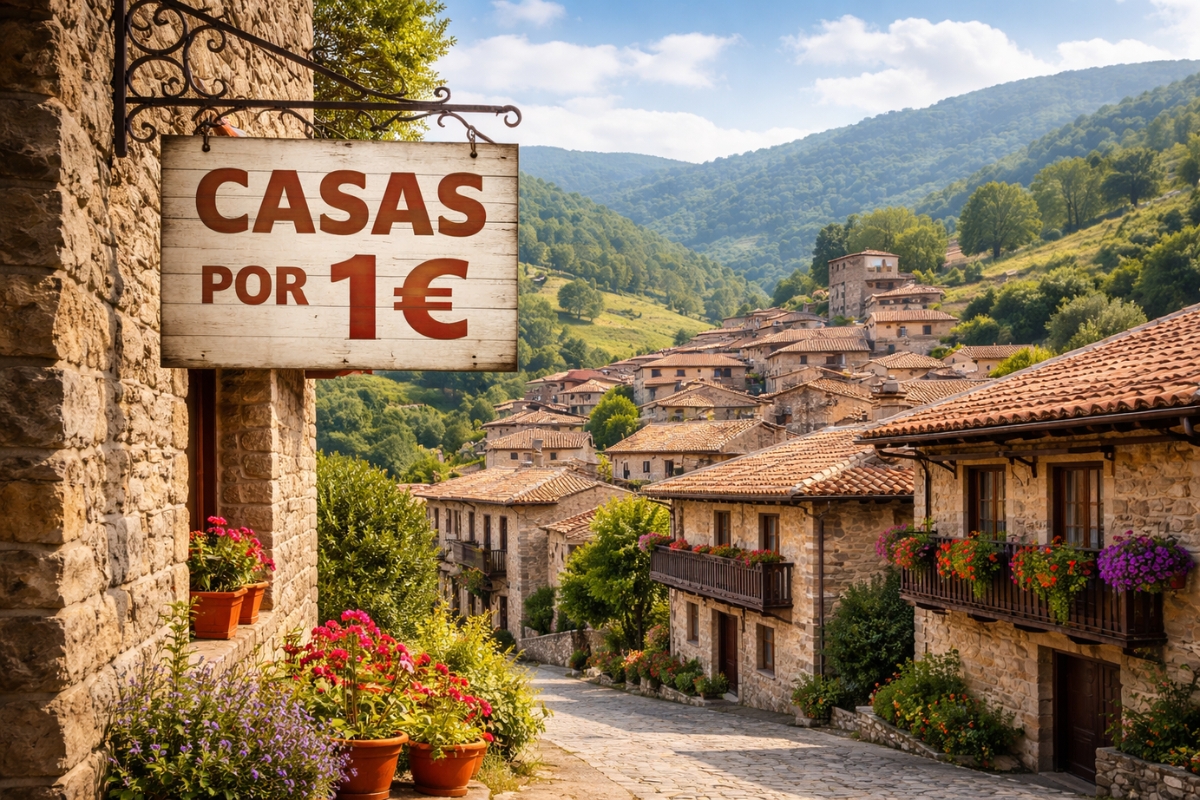


The Symbolic Purchase For 1 Euro Attracts Interested Parties From Around The World, But Involves High Costs, Municipal Regulations And Mandatory Commitments To Reform And Housing.
The houses for 1 euro in Spain are a reality, although they only appear in specific situations and with well-defined rules.
The purchase price is merely symbolic. What defines the viability of the deal are the rehabilitation costs, the deadlines imposed by the municipalities, and the obligation to meet all established conditions.
The proposal seeks to attract new residents to depopulated rural areas, but it requires financial planning, time, and willingness to deal with administrative processes.
-
The Argentine government celebrates the lowest poverty rate in 7 years, but experts warn that the methodology has changed, real wages have fallen, unemployment has risen, and the number of people on the streets of Buenos Aires has increased by 57% since Milei took office.

-
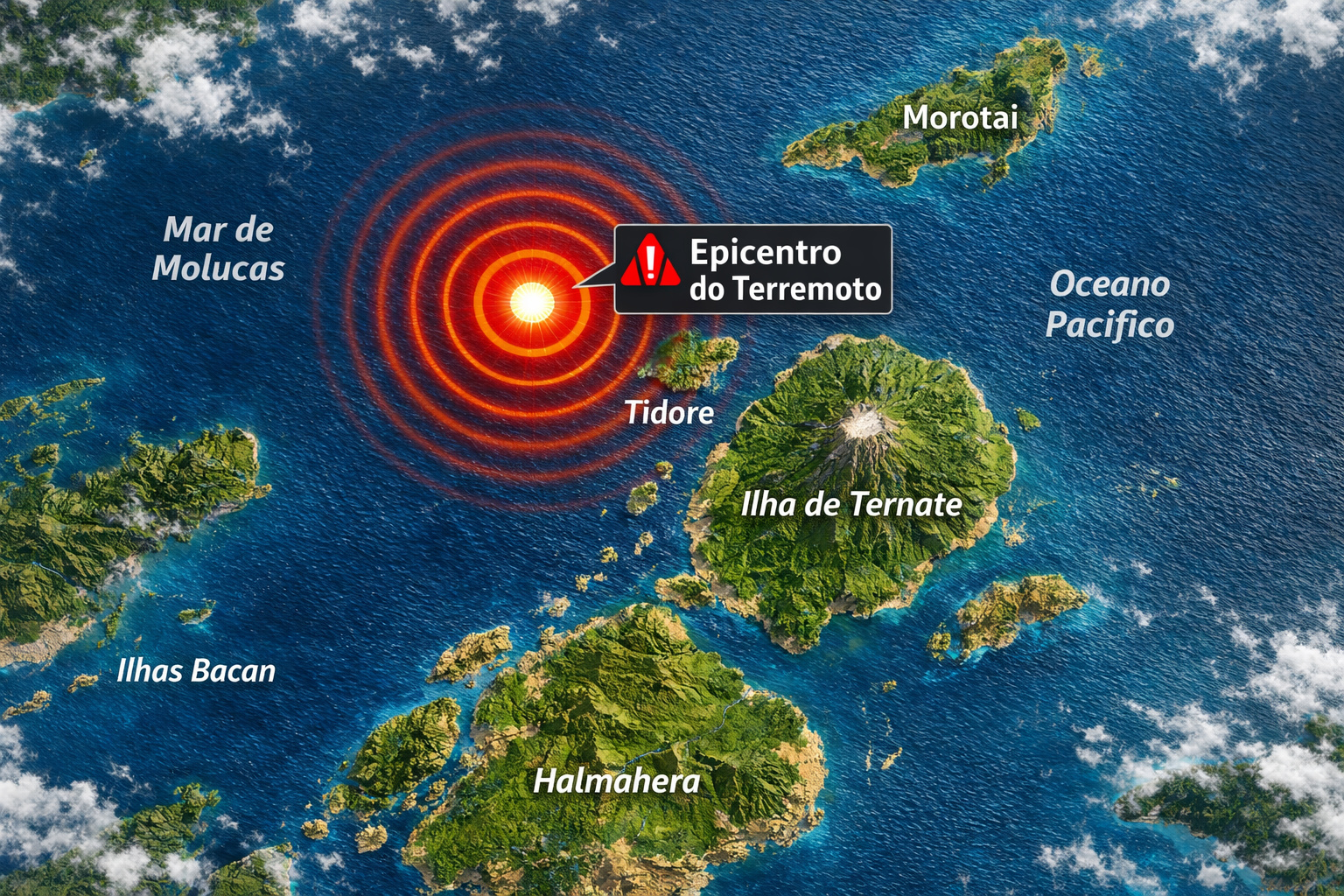
7.8 magnitude earthquake in Indonesia frightens the population, triggers tsunami alert, and hits an island with over 200,000 inhabitants this Thursday.
-
Google will finally let you change that embarrassing Gmail address you created in your teenage years without losing any accounts, logins, or old emails: the feature is already available in the United States.

-
Heading to Brazil in a Bonanza F33 single-engine aircraft: a couple departs from Florida on a visual flight, makes technical stops in the Caribbean to refuel and organize paperwork, and begins the staged crossing until they reach the country.


What Happened And Why This Model Garnered So Much Attention
The sale of properties for 1 euro began to gain visibility in Europe starting in 2018, when Italian villages began using this strategy to curb depopulation.
The model quickly spread through international news and sparked interest from people looking for a life change or opportunities outside major centers.
In Spain, adoption occurred in a limited manner, always by decision of small municipality mayors, focusing on recovering abandoned properties and revitalizing the local economy.
Why Paying 1 Euro Does Not Mean Low Cost
Despite the symbolic price, the buyer needs to bear a series of mandatory expenses.
Even before the renovation, the initial expense is unlikely to be less than €20,000, considering administrative fees, formalization costs, and municipal requirements.
Taxes and charges do not follow the value of 1 euro. They are calculated based on the registered value of the property, which can significantly increase the total cost of the operation.

What Are The Rules, Deadlines And Requirements Imposed By The Municipalities
The conditions vary from municipality to municipality, but some points are common.
The buyer must take on the commitment to rehabilitate the property within a deadline that typically ranges from 1 to 3 years.
It is also common to require a security deposit, usually between €1,000 and €5,000, which serves as a guarantee for fulfilling the obligations.
In many cases, there is a requirement to turn the property into a primary residence, in addition to restrictions on using it only as a second home.
How The Buying And Rehabilitation Process Works In Practice
The procedure does not follow the traditional real estate purchase model.
The interested party needs to present a rehabilitation project, demonstrating that the work will be completed within the established deadline.
Some municipalities assess the buyer’s financial capacity and may prioritize projects that include local economic activity, such as rural tourism or small businesses.
During the process, the municipality monitors the fulfillment of the stages. If the requirements are not met, the property may revert to municipal control.
Where Are There Initiatives Of This Type In Spain
There is no unique national program for houses for 1 euro.
The initiatives arise in isolation in municipalities affected by depopulation, especially in rural areas.
There are records of actions in regions such as Castilla y León, Castilla La Mancha, Galicia, Asturias, Andalucía, Aragón, and Extremadura, always with their own rules and a limited number of properties available.
The Main Risks And Mistakes That Make Buyers Lose Their Home
The most common mistake is underestimating the cost and complexity of the renovation, as many properties are in a state of ruin.
Another critical factor is meeting deadlines. Failing to complete the work within the period of 1 to 3 years can lead to loss of ownership, even after a significant investment.
There are also requirements for residency. In programs linked to primary housing, there may be an obligation to reside in the property for 5 to 10 years, which limits the buyer’s flexibility.
Why The 1 Euro House Is Only Worth It With Planning And Resources
The houses for 1 euro in Spain do not represent an easy solution or a shortcut to living cheaply.
They are part of a local repopulation policy, based on legal commitments, municipal oversight, and high investment in rehabilitation.
For those with resources, who accept the risks, and who seek a life outside the major centers, the opportunity can make sense. Without planning, however, the symbolic euro can become a costly and difficult problem to reverse.









que enganação, eles pensam que brasileiro é ****