





 Portuguese
  English
  Spanish
  4 min of reading
  0 comments


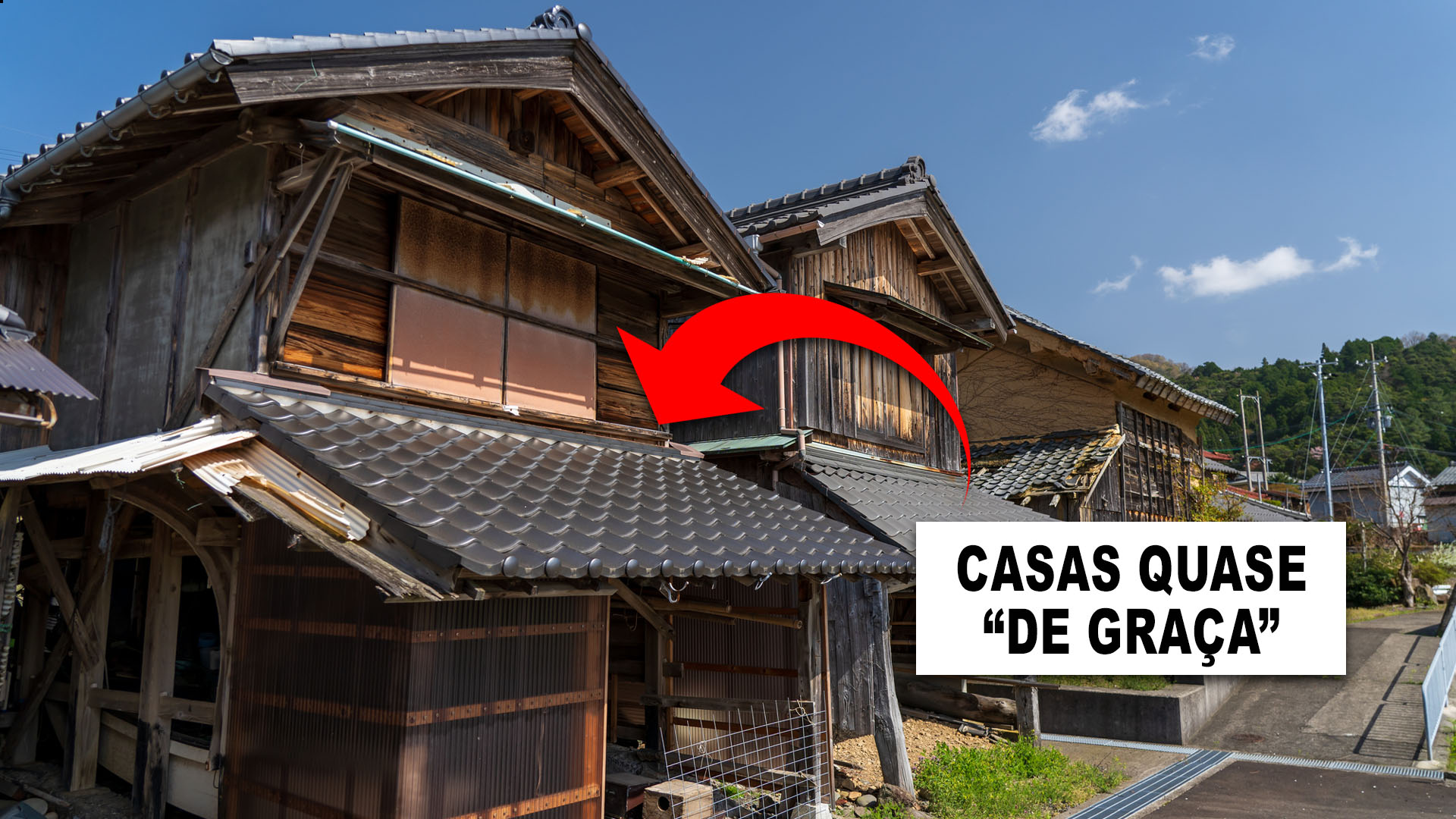
New Survey Shows 13.8% of Vacant Houses in Japan, Rush for “Akiyas” Attracts Foreigners, but Only a Part is Really for Sale and There are Hidden Costs.
Japan is facing a record stock of vacant houses. The latest data from the national Housing and Land survey indicates about 9 million unoccupied properties and a vacancy rate of 13.8%, the highest level in 30 years. The numbers released are from 2024 by the Japanese official statistics.
The situation combines an aging population, exodus from rural areas, and complicated inheritances. The issue gained global visibility by showing that despite the abundance of idle properties, only a fraction is on the market.
The gap between supply and demand has opened space for the “rush for akiyas,” old properties, often rural, advertised at low prices. Foreigners have begun to view the country as affordable housing or a business opportunity, driven by the weak yen. However, there are tax rules, structural renovations, and bureaucracies that require planning.
-
The Argentine government celebrates the lowest poverty rate in 7 years, but experts warn that the methodology has changed, real wages have fallen, unemployment has risen, and the number of people on the streets of Buenos Aires has increased by 57% since Milei took office.

-
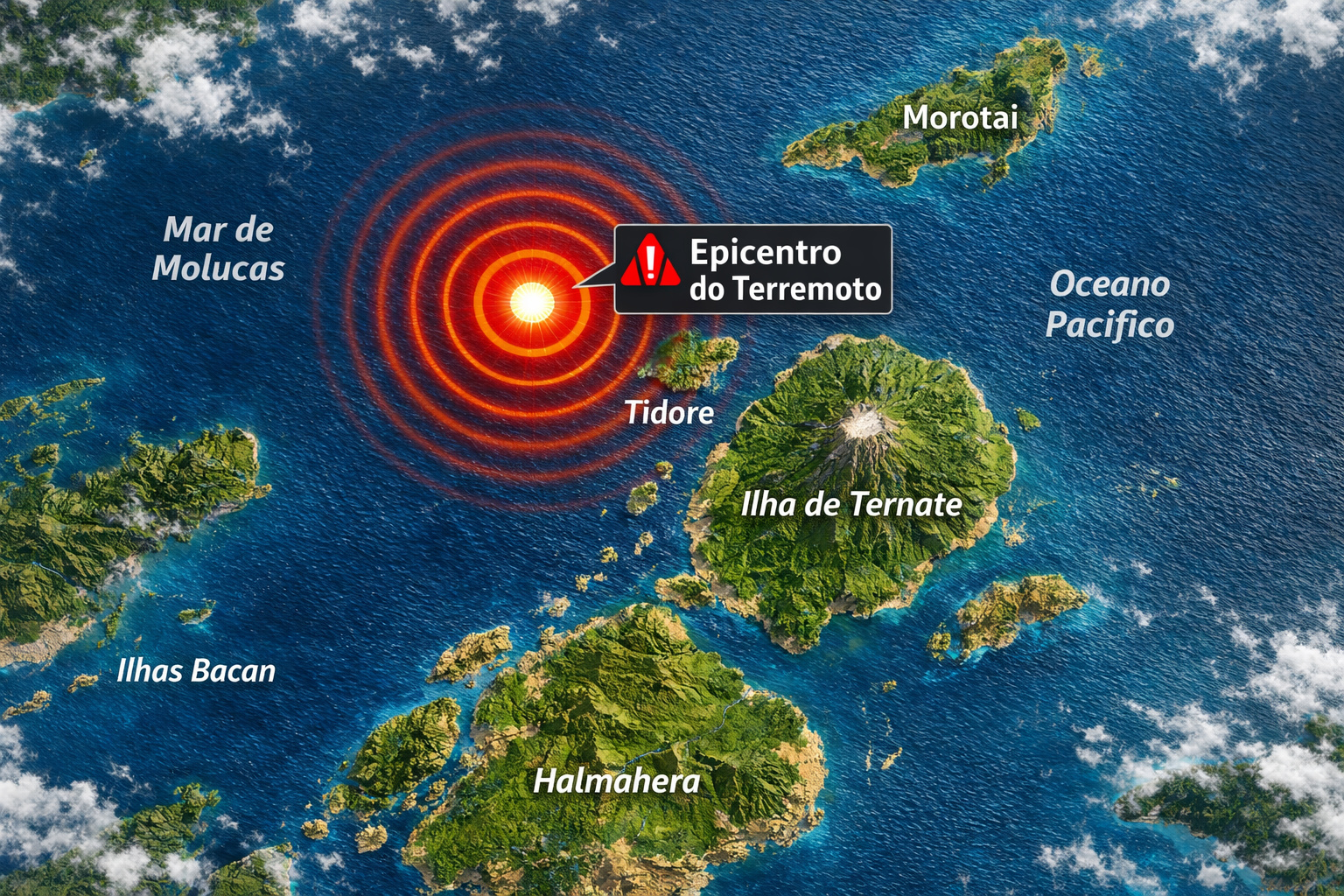
7.8 magnitude earthquake in Indonesia frightens the population, triggers tsunami alert, and hits an island with over 200,000 inhabitants this Thursday.
-
Google will finally let you change that embarrassing Gmail address you created in your teenage years without losing any accounts, logins, or old emails: the feature is already available in the United States.

-
Heading to Brazil in a Bonanza F33 single-engine aircraft: a couple departs from Florida on a visual flight, makes technical stops in the Caribbean to refuel and organize paperwork, and begins the staged crossing until they reach the country.


What Official Data Reveals About Vacant Houses in Japan
The survey recorded approximately 9.0 million unoccupied old homes in the country and a vacancy rate of 13.8%, surpassing 2018. The growth has been continuous since the 1990s and includes properties without a defined use, as well as rental units that remain tenantless. This is the most complete snapshot of Japanese vacancy.
The numbers help calibrate expectations. Not every akiya is cheap or for sale, a journalistic survey based on the same research indicated that only about 330 thousand of the 9 million were listed for sale during the period; millions were for rent or had unclear status.
For Brazilians, the message is straightforward: there is opportunity, but the universe of properties that are actually negotiable is smaller than the total volume would suggest. Filtering by region and offer status is essential.
How “Akiya Banks” and Public Policies Work
Many municipalities maintain “akiya banks”, local catalogs of idle homes. There is also a national bank under operation that integrates listings from various locations, part of the government strategy to give visibility and repurpose properties.
The lists vary; some include old urban residences, while others feature kominka (traditional wooden houses). Additionally, the government and public agencies have created support lines, such as the Flat 35 financing partnership aimed at projects for repurposing urban vacancies. Municipal subsidies for renovations are also available in certain cities.
In practice, the steps usually involve registration in the local akiya bank, a technical visit, and direct negotiation with the owner or real estate agency in the area. Documentation in Japanese and requirements for renovations are common.
Foreigners Are on the Radar Due to Affordable Housing, Tourism, and Weak Yen
Reports and market analyses indicate a growing interest from foreigners in akiyas and Japanese properties in general. Reasons include devalued currency, comparable lower costs, and the appeal of traditional lodgings for tourism.
Real estate consultancies such as Savills point out that, with the weak yen, residential assets remain attractive to non-residents, which sustains liquidity in large cities and encourages projects in tourist destinations.
Foreigners can purchase properties in Japan on similar bases as Japanese citizens, including land ownership, although buying a house does not grant a visa. The biggest challenge tends to be financing and renovation execution in regions with a shortage of skilled labor.
There Are Invisible Costs Like Taxes, Rules, and Renovations That Change the Bill
Those considering “cheap housing in Japan” need to look at the total cost. Structural renovations, seismic upgrades, and updating installations can exceed the purchase price, especially in old kominka. Specialized professionals are in demand in rural areas.
There is also the tax factor. In December 2023, a reform of the Special Measures Law on Vacant Houses came into effect. Now, properties classified as “inadequately managed” (the stage prior to “serious risk”) lose the local property tax reduction applicable to land with a house, which typically reduces the tax base to 1/6 or 1/3. Taxes may increase multiple times if the city issues a formal warning and the owner does not correct it.
At the same time, federal and local policies support safe demolition, renovation, and occupation to reduce risks of collapse, pests, and fires. The line is clear: reward those who care and repurpose, penalize abandonment.
When the “Akiya” Makes Sense for Brazilians
The equation improves when the buyer seeks simple homeownership, studio, or small local business and has a budget for phased renovations. It can also work for seasonal rentals where the city allows and tourism supports demand. Checking lodging licenses is mandatory.
For pure financial investment, it is prudent to compare with more liquid urban markets in Japan. The attractiveness of akiyas depends on logistics, employment in the region, and long-term maintenance costs.
Do you think that Japan should further relax the sale of akiyas to foreigners or protect local communities from “speculative” purchases? Your view helps understand whether the vacant house rush is a housing solution or just a new investment niche. Leave your comment.








-

-

-

-

-

18 pessoas reagiram a isso.