





 Portuguese
  English
  Spanish
  4 min of reading
  0 comments


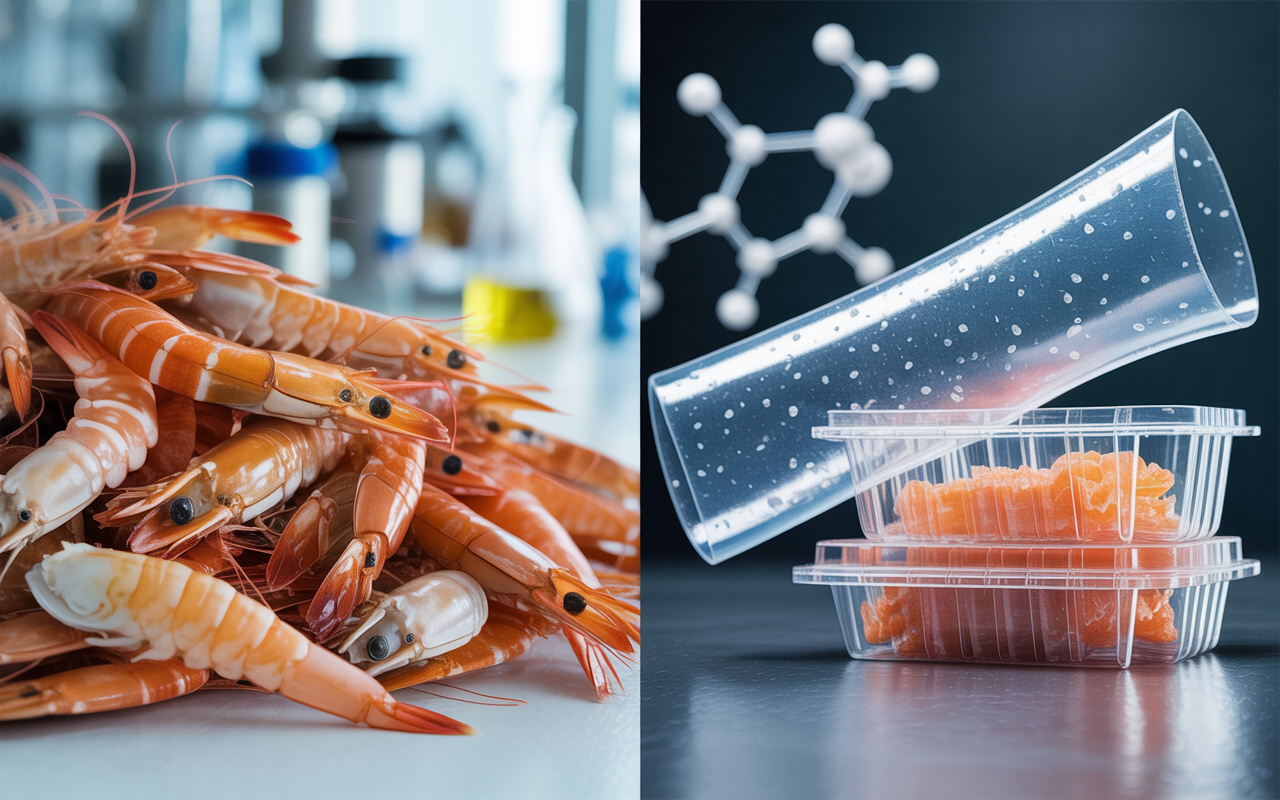
Shrimp Shells Become Resistant Bioplastic Thanks to Chitosan and Are Used in Packaging, Industrial Films, and Pharmaceutical Applications in the Real World.
Every year, the fishing industry releases tons of waste during the shrimp processing. Between 35% and 45% of the animal’s total weight turns into shells, heads, and legs — unconsumed parts that, historically, were discarded, sent to landfills, or simply returned to the sea as organic waste. This material has always been considered an environmental and economic liability.
The turning point occurs when researchers start observing the chemical composition of crustacean exoskeletons. Shrimp, crabs, lobsters, and others contain a substance called chitin, a biopolymer that acts as the “structural cement” of the exoskeleton. When extracted and processed, this chitin is converted into chitosan, a natural bioplastic that exhibits relevant industrial characteristics: mechanical strength, lightweight, biodegradability, transparency, antibacterial properties, and the ability to form films.
This combination starts to transform what was once waste into valuable raw material — a classic case of circular economy applied to fishing.
-
With a cost per shot close to zero, the DragonFire laser could change naval warfare in 2027 and provide British ships with nearly unlimited defense against drones.

-
A British startup creates tires that generate electricity in electric vehicles when passing over potholes, speed bumps, and cracks.

-
Scientists have created robots made with living cells that have their own nervous system, swim on their own, explore the environment, and self-organize without any genetic engineering, and now they want to do the same with human cells.
-
Students create a solar-powered ambulance that operates without a plug, without fuel, and still keeps medical equipment running in remote areas.

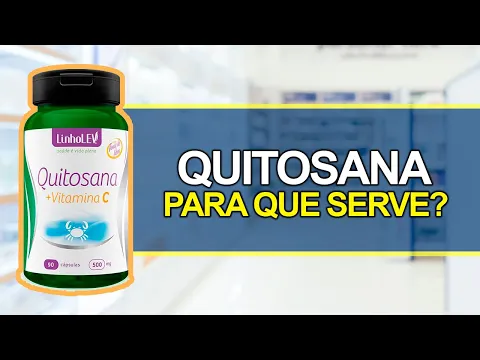
What Is Chitosan and Why Is It of Interest to the Industry
Chitosan is obtained from the chemical deacetylation of chitin. This step converts the biopolymer into a more flexible and soluble form, with properties compatible with high-performance industrial applications.

Unlike petroleum-derived plastics, chitosan is biodegradable, biocompatible with biological tissues, and exhibits natural antimicrobial properties, making it particularly attractive for sectors such as food, pharmaceuticals, textiles, and biomedical.
When transformed into film, chitosan forms a strong mechanical barrier, capable of containing oxygen and water vapor at levels comparable to those of synthetic polymers used in packaging. This allows for something important: packaging that reduces the proliferation of bacteria and fungi without the need for chemical additives, a frontier that the food and health industries have been exploring with increasing interest.
From Fishing to the Laboratory: How Bioplastics Are Produced
The industrial process begins at ports and seafood processing units. After separating the meat for consumption, the shells are washed, dehydrated, and undergo a pre-treatment of milling. From there, three fundamental steps follow:
- Deproteinization, to remove organic residues and proteins.
- Demineralization, to eliminate calcium carbonate and mineral salts.
- Deacetylation, the step that converts chitin into chitosan.
The result is a white powder of high technological value, which can be dissolved in acidic solutions to generate films, fibers, sponges, hydrogels, or moldable bioplastics.
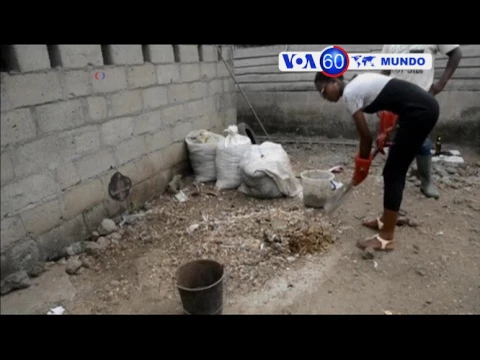
In recent years, laboratories have developed formulations that allow extrusion, injection, and lamination — typical processes of conventional plastics. In other words, shrimp has started to compete with oil within the packaging industry.
Countries Leading the Advance: From the Atlantic to Southeast Asia
The movement is not theoretical; it already exists at a commercial and experimental scale. Countries with large seafood chains are driving innovation.
In the North Atlantic, Norway and Iceland have adapted part of their fishing chain to reuse waste. The logic is simple: the more complete the use of biomass, the higher the value added per ton extracted from the sea. There, in addition to the meat, oil, enzymes, pigments, and now natural polymers are also utilized.
In the Southeast Asia, particularly Thailand, Vietnam, and Malaysia, the availability of large volumes of farmed shrimp has boosted chitosan factories aimed mainly at the pharmaceutical and agricultural sectors.
In the Mediterranean, several countries are experimenting with food packaging and edible films based on this material.
Each region has found a different application, but the logic remains the same: transforming environmental liabilities into high-value products.
Applications Already in Use and the Next Frontiers
Chitosan made from shrimp shells has already been tested and employed in different fronts:
In the food industry, transparent films cover fruits and meats, creating an antimicrobial barrier that increases shelf life without resorting to chemical preservatives. In some cases, these films are edible, replacing thin plastics used solely for transportation and display.
In the pharmaceutical industry, chitosan appears in healing bandages and in controlled-release drug delivery systems, leveraging its affinity for biological tissues.
In the agricultural industry, it functions as a biofilm and seed coating agent, increasing nutrient absorption and protection against fungi.
And in the packaging industry, it advances as an antimicrobial laminate or film applied to sensitive products.
The industrial potential is significant, but there are challenges: scalability, cost, standardization, and regulation. Nevertheless, progress is fast and consistent, driven by two global factors: environmental pressure for reducing plastics and growth of the biopolymer market.
Eeconomic and Environmental Impact of a Chain That Closes the Cycle
The model revolving around chitosan is one of the most concrete examples of circular economy in the fishing sector. The logic is simple, yet powerful:
A low-value byproduct becomes part of high-value industrial chains, reducing waste and creating new markets. For companies, this means monetizing a material that previously cost to dispose of. For the environment, it means less waste, less plastic, and a shorter life cycle.
No wonder this sector has been observed by specialized funds in biomaterials, blue economy, and substituting petroleum derivatives.
While the average consumer is still unaware, the industry has already understood: the future of plastics may come from the sea, not from oil.







Seja o primeiro a reagir!